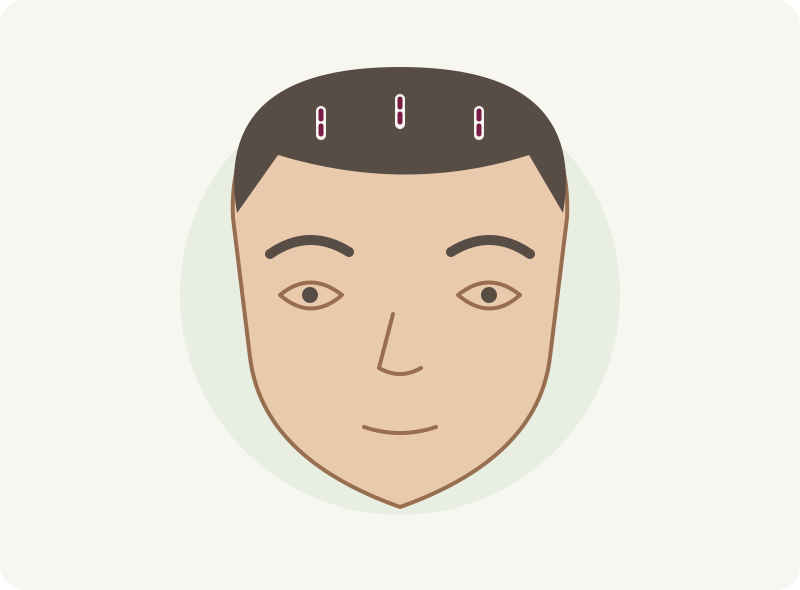
Endoscopic approach
Small incisions behind the hairline allow a camera and instruments to reach the forehead tissues. The lifted tissue is secured according to the planned technique.
Low eyebrows can make the upper eyelids feel heavy. Learn how a brow assessment helps separate brow position, excess skin and eyelid droop before choosing surgery.
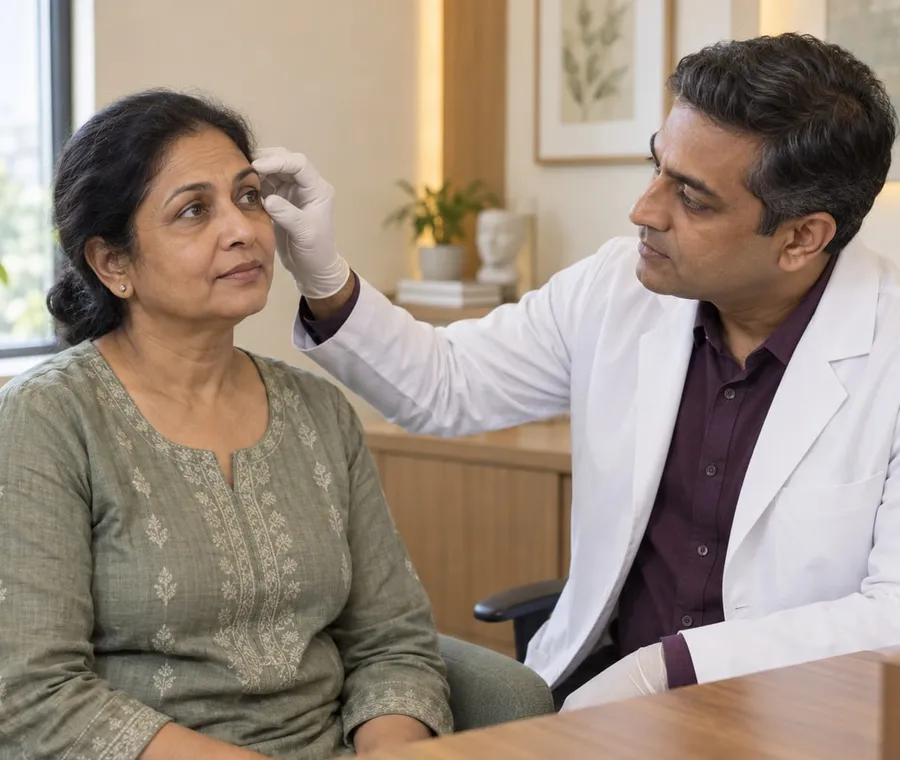
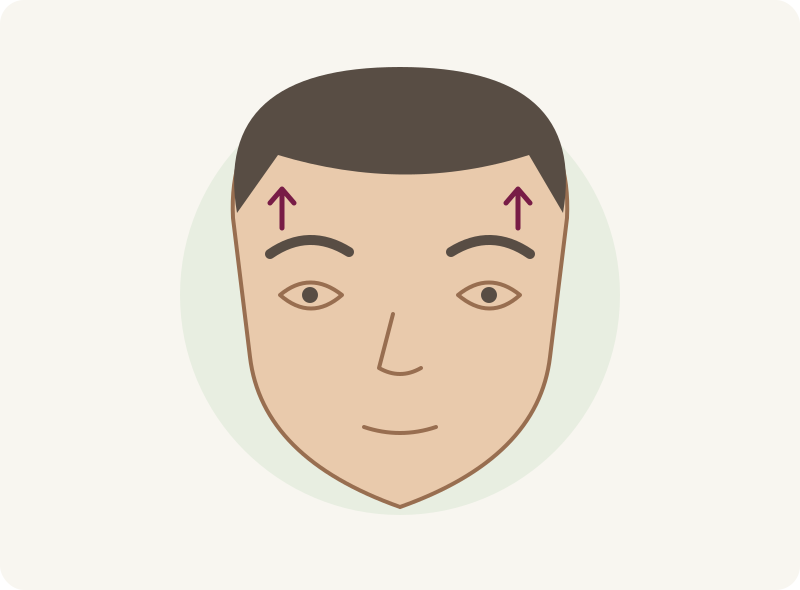
A brow lift raises selected forehead tissue and the eyebrows. It may be considered when a low brow contributes to hooding above the eyes or when brow position is the main concern.
It is sometimes called a forehead lift. The aim and extent should follow your face, hairline and brow movement, rather than a standard eyebrow shape.
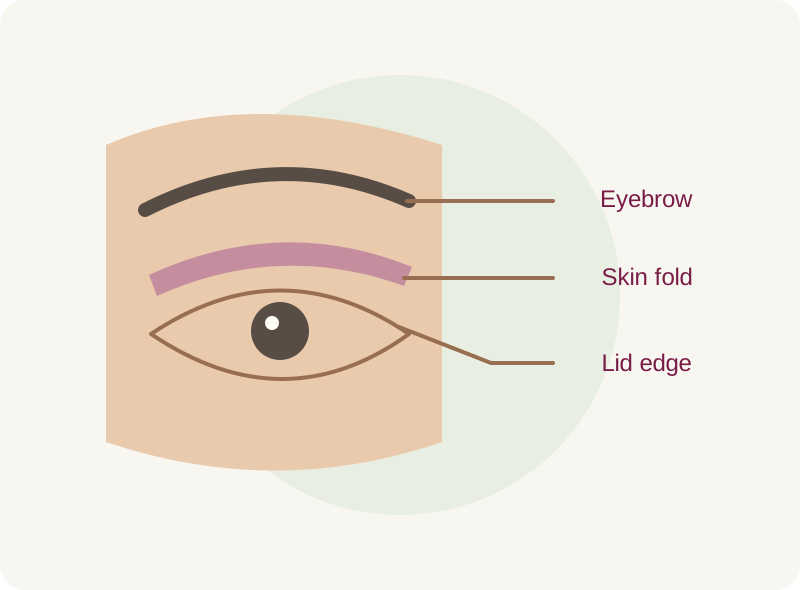
A low eyebrow, loose upper-eyelid skin and a drooping eyelid edge are different findings. The surgeon examines them together, including how the eyelids move and close.
Eyelid ptosis means the lid edge sits too low. A brow lift does not repair every cause of ptosis. Blepharoplasty addresses selected excess eyelid skin or tissue, while a brow lift changes brow position.
Some people may need more than one area assessed. Each proposed operation should have a clear purpose and an explanation of its added risks and recovery.
Small incisions behind the hairline allow a camera and instruments to reach the forehead tissues. The lifted tissue is secured according to the planned technique.
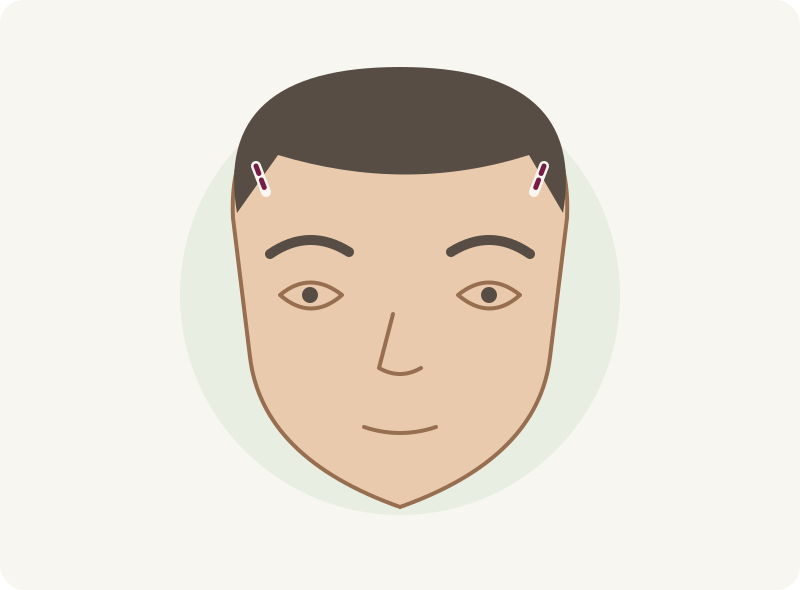
This focuses on the outer brow through access near the temples. It may suit selected outer-brow changes, rather than a concern across the whole forehead.
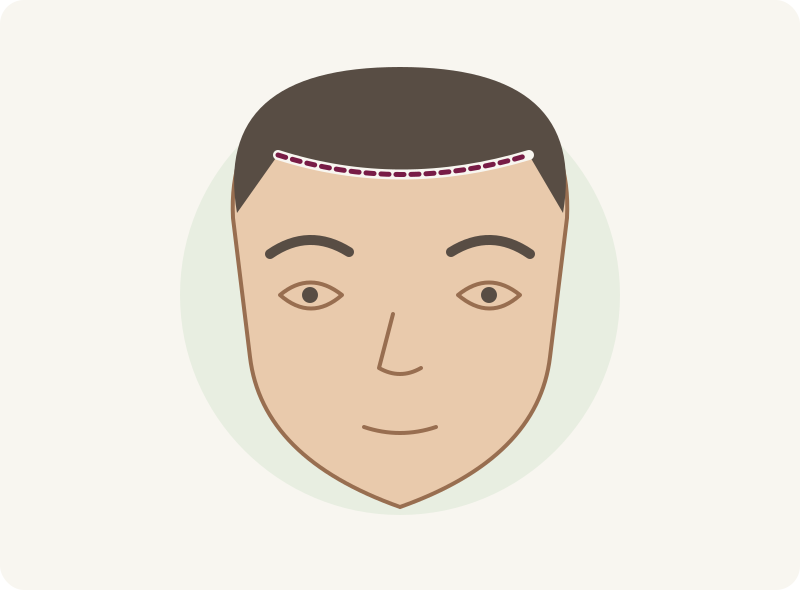
Access is placed at the front hairline. Hairline height and skin excess affect whether this approach is suitable and how visible the scar may be.
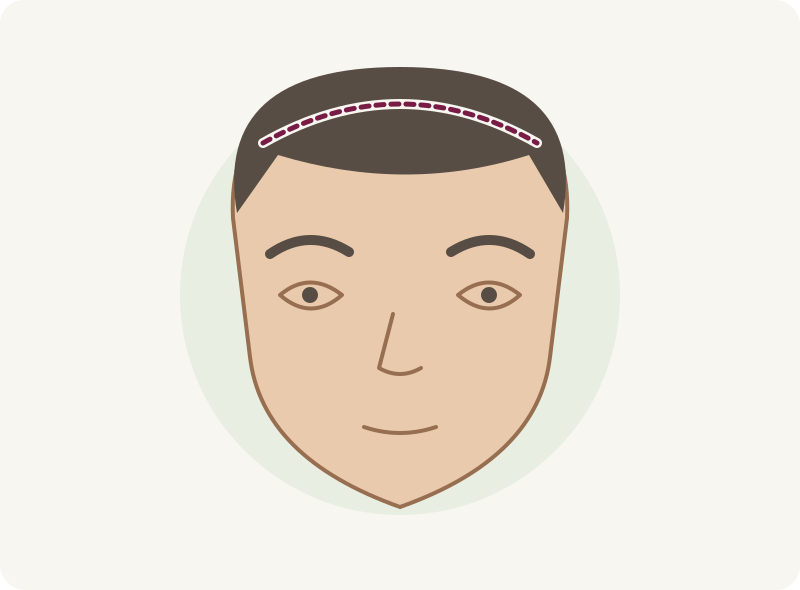
A longer incision across the scalp gives wider access. Possible changes to the hairline and hair around the incision are part of the discussion.
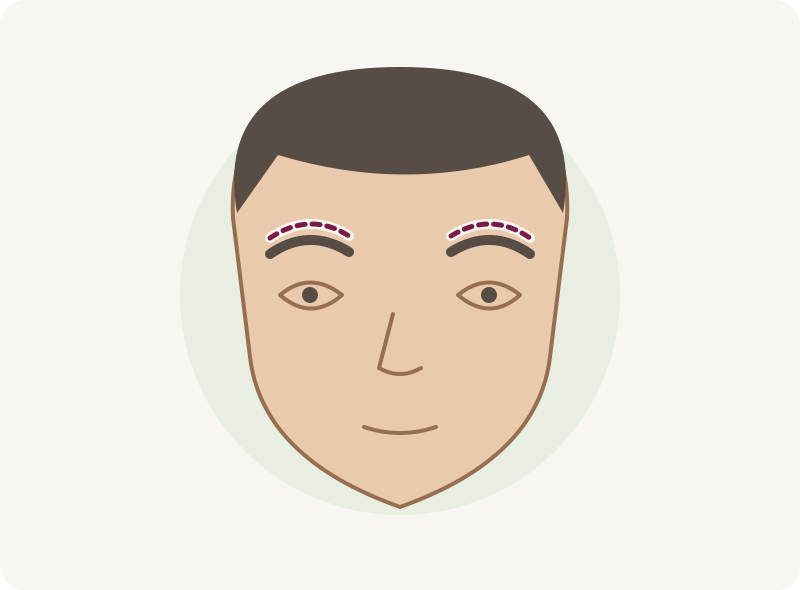
Selected skin is removed directly above the brow. The scar location is more exposed, so brow hair, skin and the reason for surgery matter.
These diagrams explain general access locations. The surgeon selects and explains the actual approach after examining you.
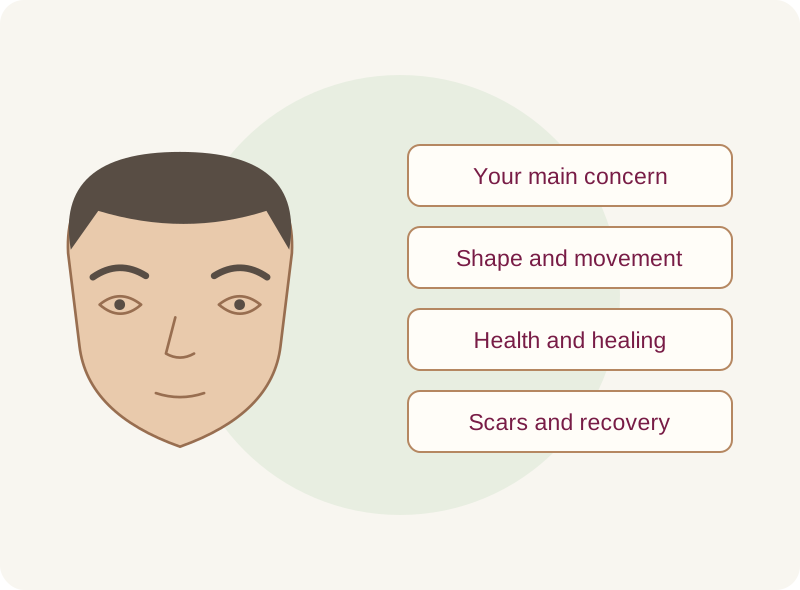
Explain whether you notice heaviness, uneven position or forehead changes. The surgeon checks your expression at rest and with movement.
Mention dry eyes, eye surgery, visual changes and any difficulty closing your eyes. Further eye assessment may be needed.
Good general health, realistic expectations and support during healing matter. Nicotine use, medicines and previous scar problems can affect the plan.
Share previous surgery, injections, eye conditions, medicines and supplements. The surgeon checks brow movement, eyelid function and hairline position.
Confirm the surgeon, facility, anaesthesia, incision locations and follow-up. Arrange transport and help at home. Do not change prescribed medicines without an agreed medical plan.
Anaesthesia is chosen for the operation and your health. Through the planned incisions, the surgeon releases and repositions the relevant forehead tissue.
The tissue is secured and the incisions closed. Taping, dressings or a drain may be used. Your team monitors recovery and gives instructions before discharge.
Get written guidance for sleeping position, washing, dressings and activity. Ask the team how to manage swelling; avoid adding heat, ice or pressure on your own.
The team reviews the incision and brow position, and removes stitches or clips when needed. Ask before returning to strenuous exercise, hair colouring or products near the incision.
Bruising and swelling may extend around the forehead and eyes. Tightness, itching or altered scalp sensation can occur during healing. Early brow height is not the final result.
Plan work and social commitments around visible healing. Recovery depends on the approach and any combined surgery. Swelling and scar appearance can continue to change for months.
Avoid rubbing or pulling healing skin and follow instructions for hair washing and sun protection.
Ageing continues after a brow lift. Follow-up helps assess the actual result once early swelling has reduced.
Scars can be noticeable. The hairline may shift, and hair loss may occur near the incisions.
Uneven or overly high brows, altered forehead movement, numbness and nerve injury are possible. Some changes may persist or need further treatment.
Bleeding, infection, poor healing and anaesthetic complications are possible. Discuss how your health affects these risks and how complications would be managed.
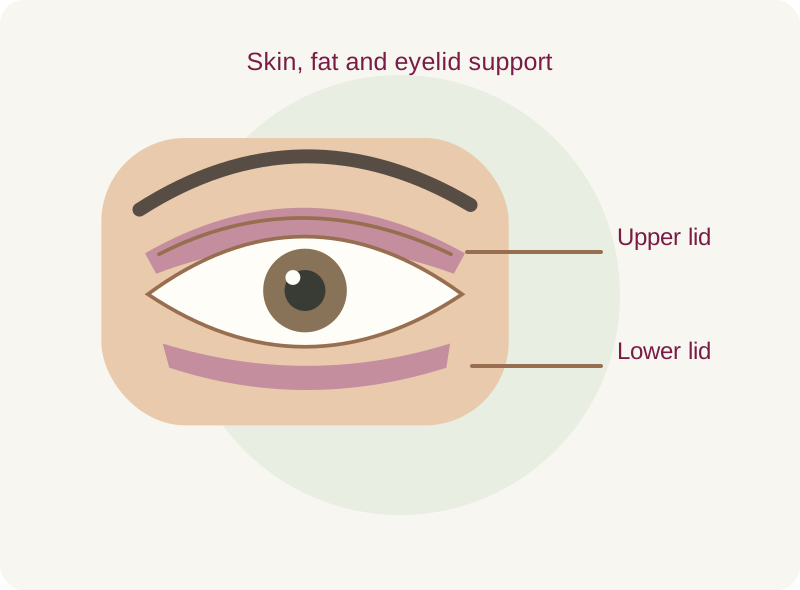
Learn how excess eyelid skin and bags are assessed separately from brow position.
Explore eyelid surgerySelected expression lines may be assessed for an injection treatment. Its effects and limits differ from surgical tissue lifting.
Understand BotoxThese Google reviews describe consultations and general care at Layers, rather than brow lift outcomes.
“The doctors listened carefully to my concerns and explained the treatment in a clear and professional manner.”
Consultation experience; condition not specified.
“She explained the treatment clearly and made me feel comfortable throughout the consultation.”
Consultation experience; condition not specified.
“The doctor took the time to understand my skin concerns and explained the treatment plan clearly, without rushing.”
Consultation experience; condition not specified.
“Very patient ,humble and polite to answer every single query and build confidence.”
Consultation experience; condition not specified.
“The doctors explained everything clearly and made me feel comfortable and confident.”
Consultation experience; condition not specified.
“The doctor took the time to listen to my concerns patiently and explained the treatment options clearly.”
Consultation experience; condition not specified.
















No. A brow lift changes eyebrow and forehead tissue position. Blepharoplasty addresses selected eyelid skin or tissue. The two areas should be assessed together before choosing either operation.
A low brow can contribute to hooding, but a low eyelid edge may be ptosis and need different care. The examination establishes which structure is involved.
There is no single best incision for every person. Hairline, brow position, skin, movement and goals influence the choice. Ask why a method is proposed for you.
Some approaches place incisions behind the hairline; others place them at the hairline or above the brow. Hair and scar changes can affect visibility, so hidden scars cannot be guaranteed.
It may be discussed for selected muscle-related lines or a modest temporary change. It cannot reproduce every change achieved by surgery or remove excess skin.
Overcorrection and asymmetry are possible. Discuss the intended position, natural movement and the limits of prediction before surgery.
Your surgeon should clear activity based on the operation and healing. Ask separately about walking, lifting, vigorous exercise and anything that puts pressure on the forehead.
Sometimes, but each procedure needs a reason. Combining surgery can change anaesthesia, recovery and risk. Confirm the full plan rather than assuming another area is automatically included.
Bring your questions about brow position, eyelids and recovery to a consultation.
Prefer a call? +91 9000 572727