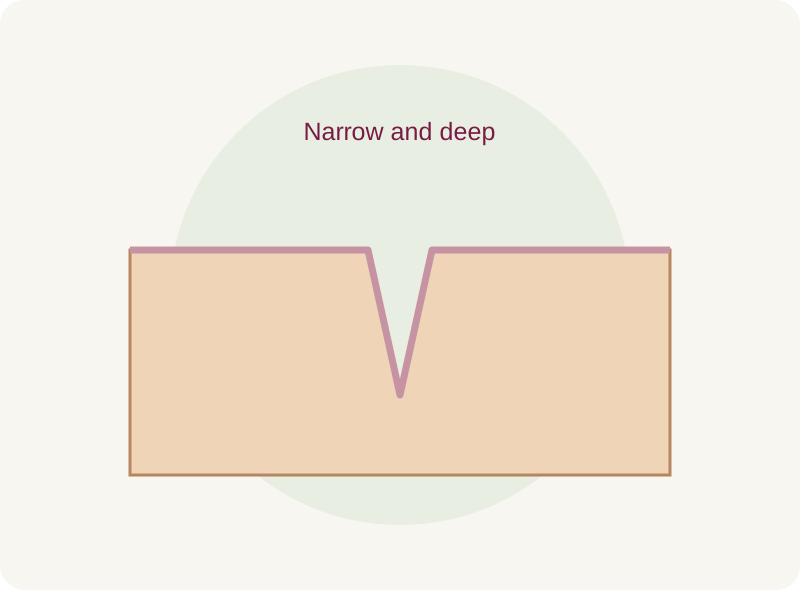
Ice-pick scars
Small openings that extend deeply. Surface-only treatment may not reach the full scar.
Pits, uneven texture and raised scars need different approaches. Start by understanding your scar pattern and the improvement treatment may offer.
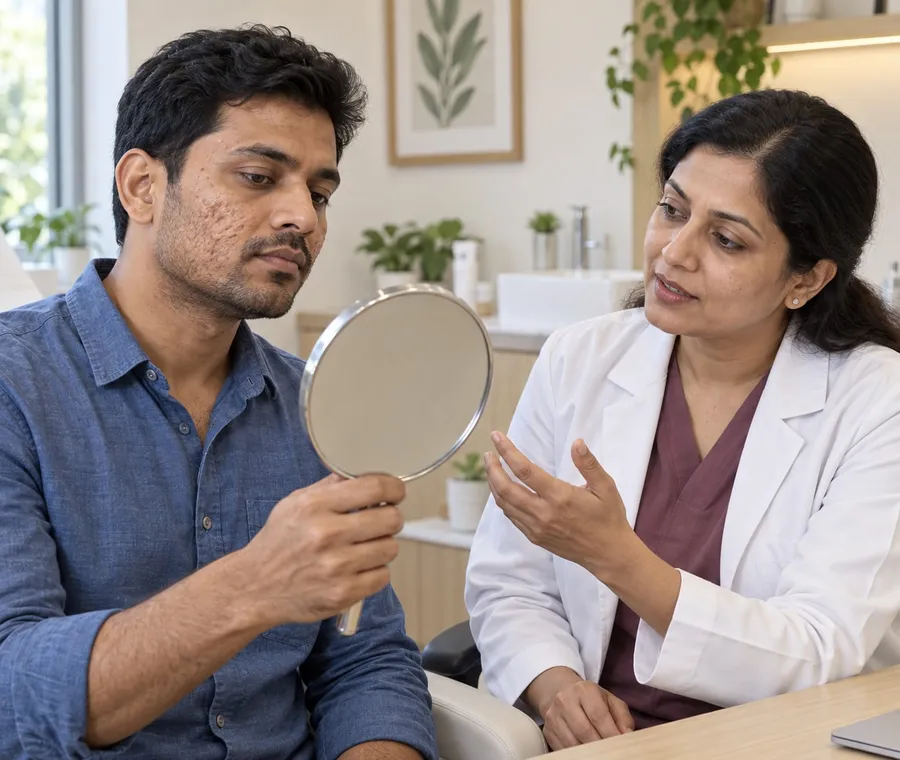
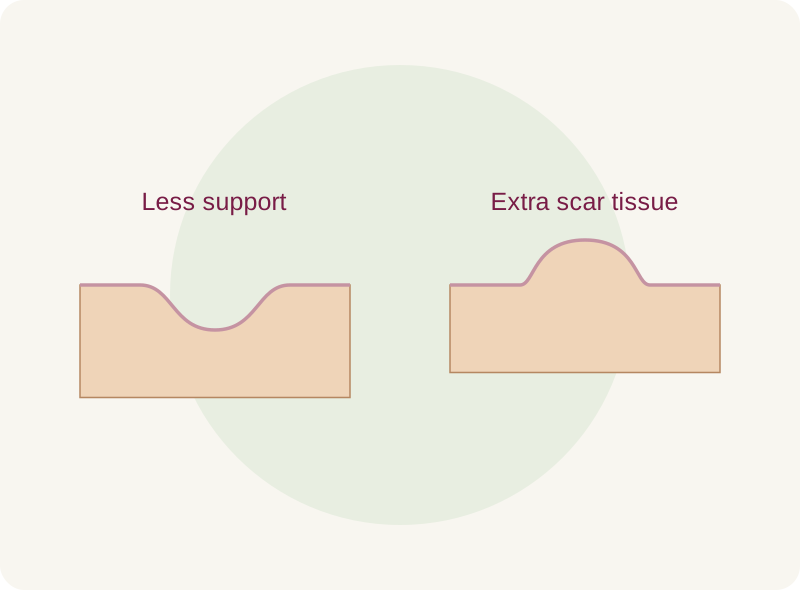
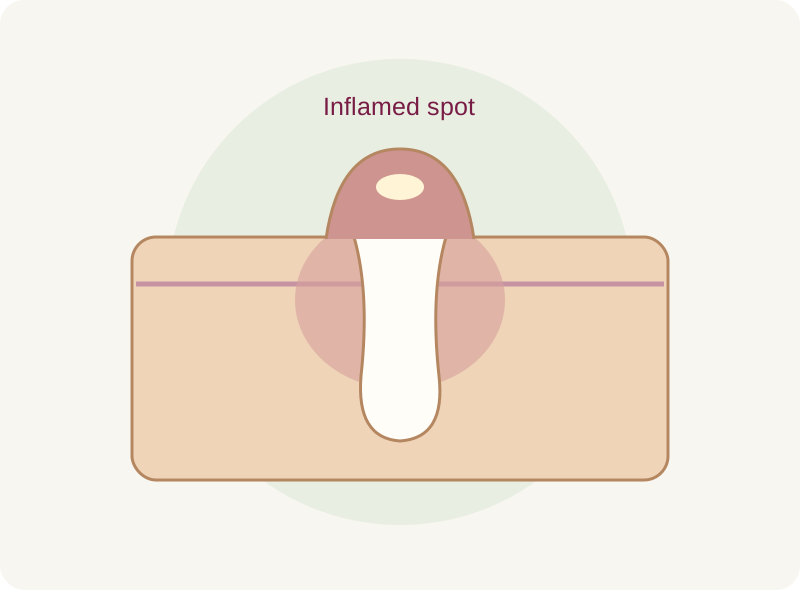
Acne scars form when inflammation affects the deeper skin and healing changes its structure. Too little support can leave a depression; excess scar tissue can create a raised area.
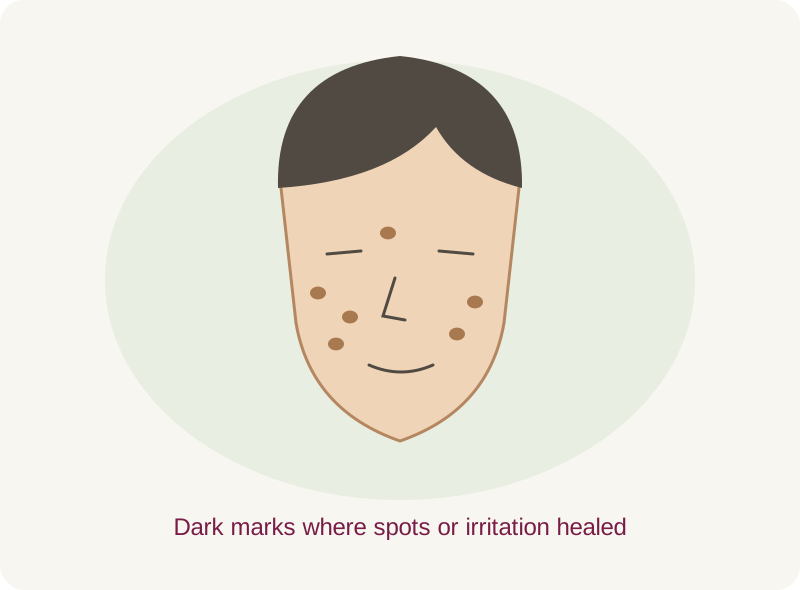
Flat brown or red marks are different from changes in texture. You may have both, and more than one scar shape on the same cheek. An assessment helps separate these concerns.
Small openings that extend deeply. Surface-only treatment may not reach the full scar.
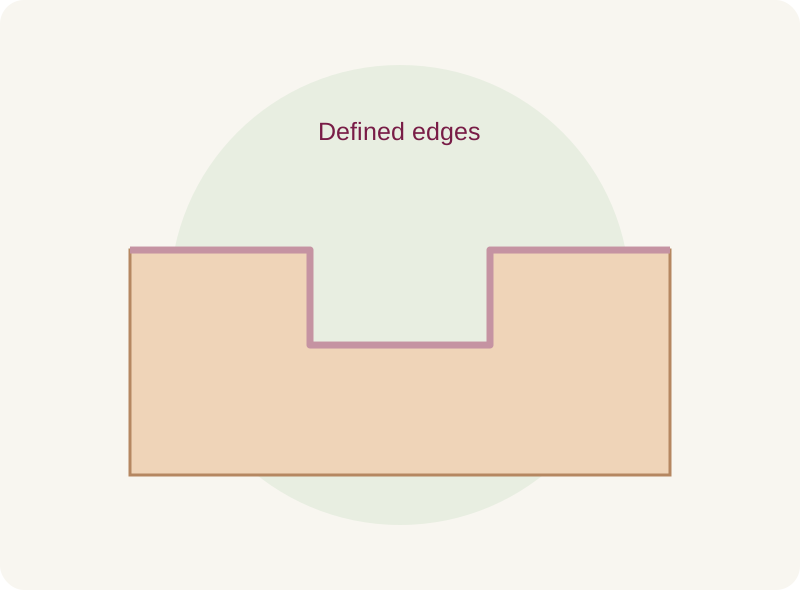
Round or oval depressions with distinct edges. Depth varies and affects the treatment choice.
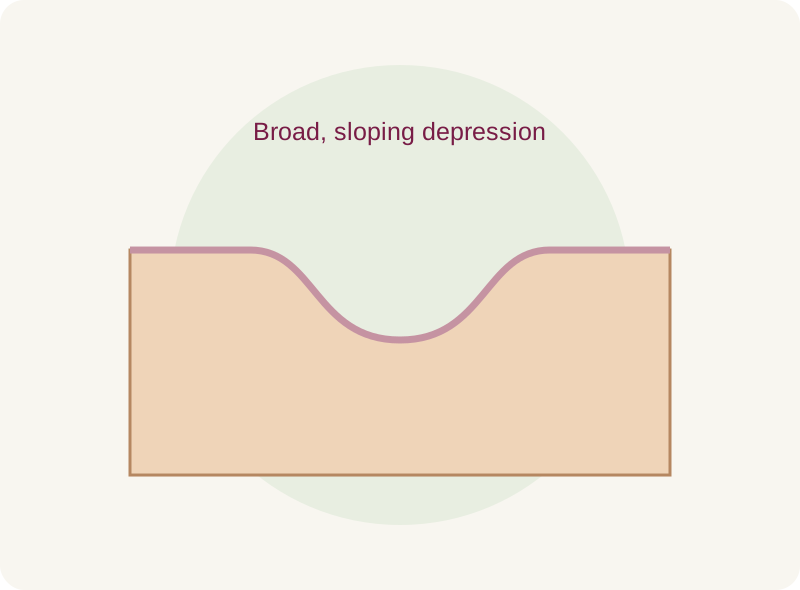
Broad shallow-looking dips that create uneven texture. Some are held down by fibrous bands beneath the skin.
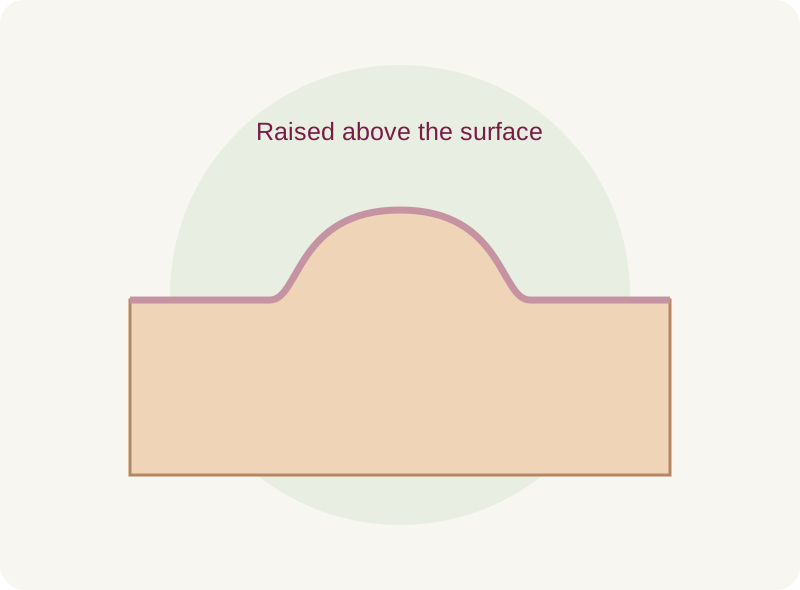
Firm areas of excess tissue. Hypertrophic and keloid scars need a different plan from depressed scars.
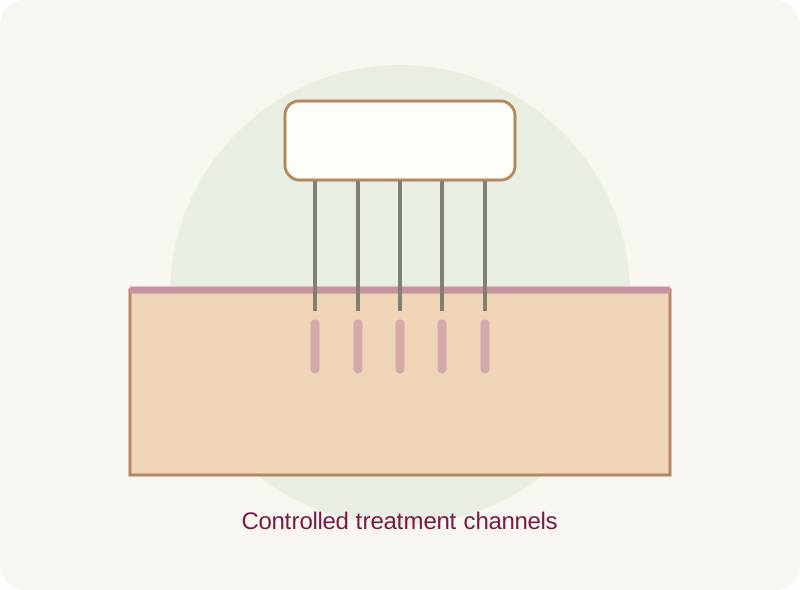
Microneedling creates controlled channels to encourage remodelling. Suitability and recovery depend on scar depth and the device used.
Explore microneedling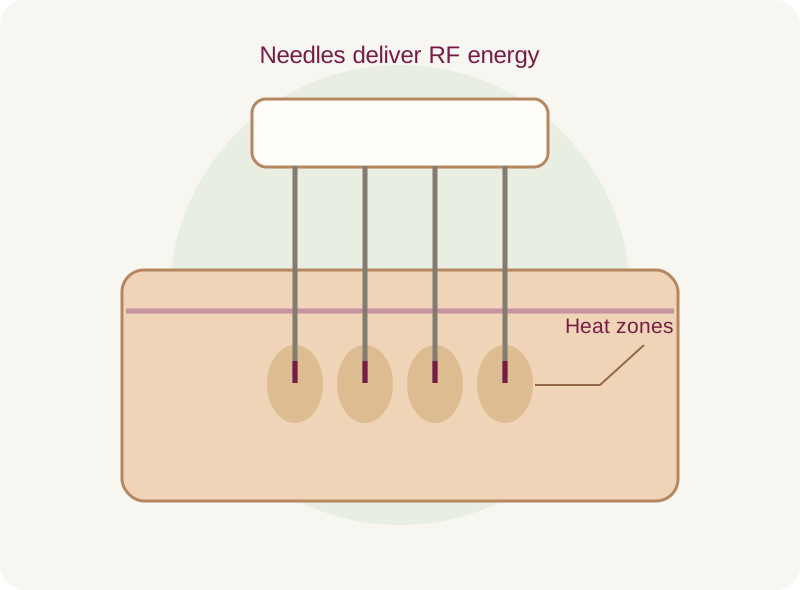
Radiofrequency microneedling adds controlled heat to a needle procedure. Its suitability, depth and risks need a separate discussion.
Explore MNRF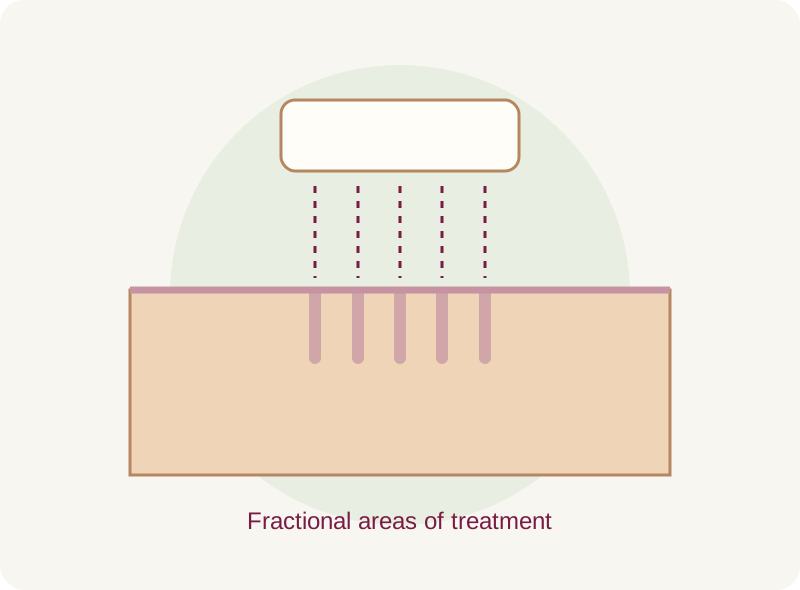
Fractional resurfacing treats selected areas to support remodelling. It can improve some scar textures, with recovery and pigment-change risks to discuss.
Explore Fractional CO₂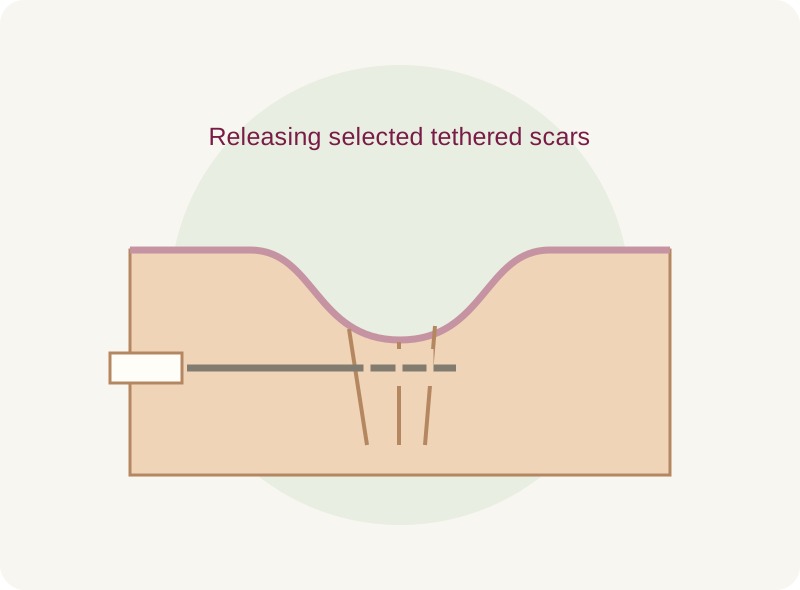
Tethered rolling scars may need subcision. Deep narrow scars may need a focused technique such as TCA CROSS or minor scar surgery. These require individual specialist planning.
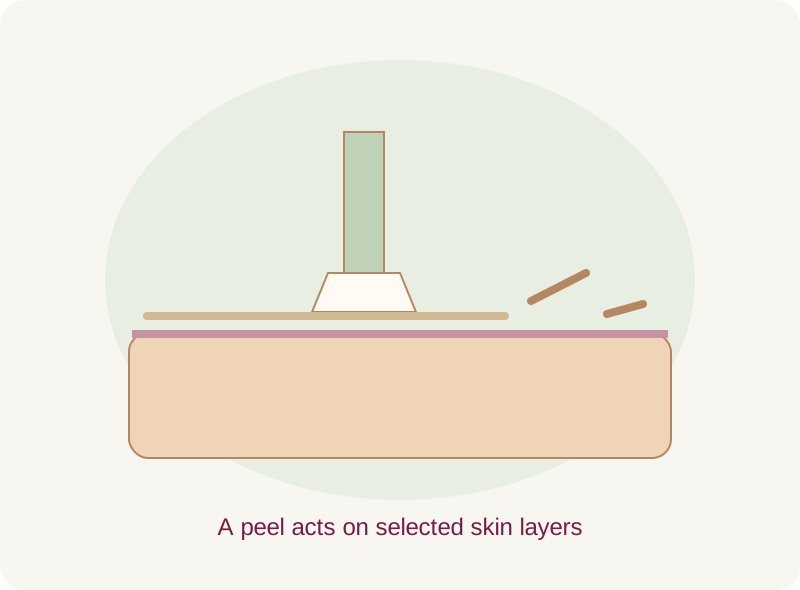
Selected peels can address surface irregularity or associated pigment. A general facial peel is different from focal TCA CROSS.
Explore chemical peelsA scar plan may combine approaches over time. Your clinician will explain which methods are appropriate and available for your scars.
Ongoing breakouts can create new scars. Your plan often starts with controlling acne before scar procedures.
Mention keloids, previous pigment changes, infections, cold sores and all medicines, including recent acne treatment.
Treatment aims to make scars less noticeable. Complete removal or perfectly smooth skin cannot be promised.
Healing and remodelling take time. Schedule treatment around the recovery required and review before adding more procedures.
The clinician checks scar shape, depth, tethering, active acne and skin tone. Discuss the areas that matter most to you.
Confirm the methods, preparation, expected recovery and alternatives. Share all current and recent medicines before treatment is scheduled.
The skin is prepared for the agreed procedure. Comfort measures and protective equipment depend on the method.
The session may target individual scars or a wider area of texture. A combined plan does not mean every method is performed on the same day.
Use the recommended cleansing and moisturising care. Avoid picking or strong products, and confirm when to restart makeup and usual activities.
Allow the skin to settle before comparing results. Report worsening pain, blistering, discharge or unexpected colour changes.
Recovery varies widely. Needling may cause short-term redness and sensitivity; resurfacing or minor surgery can require more healing. Subcision can cause bruising and swelling. Ask about the actual procedure proposed for you.
Possible risks include infection, altered pigmentation, prolonged irritation and further scarring. Follow-up allows your clinician to assess healing and adjust the plan.
Similar lighting and angles make review photographs more useful. Swelling immediately after a procedure can hide texture temporarily.
Scar treatment does not stop future breakouts. Continue the acne-care plan agreed with your dermatologist.
Original acne-care photographs shared by Layers. These do not identify a specific scar procedure.
Showing all 7 photographs
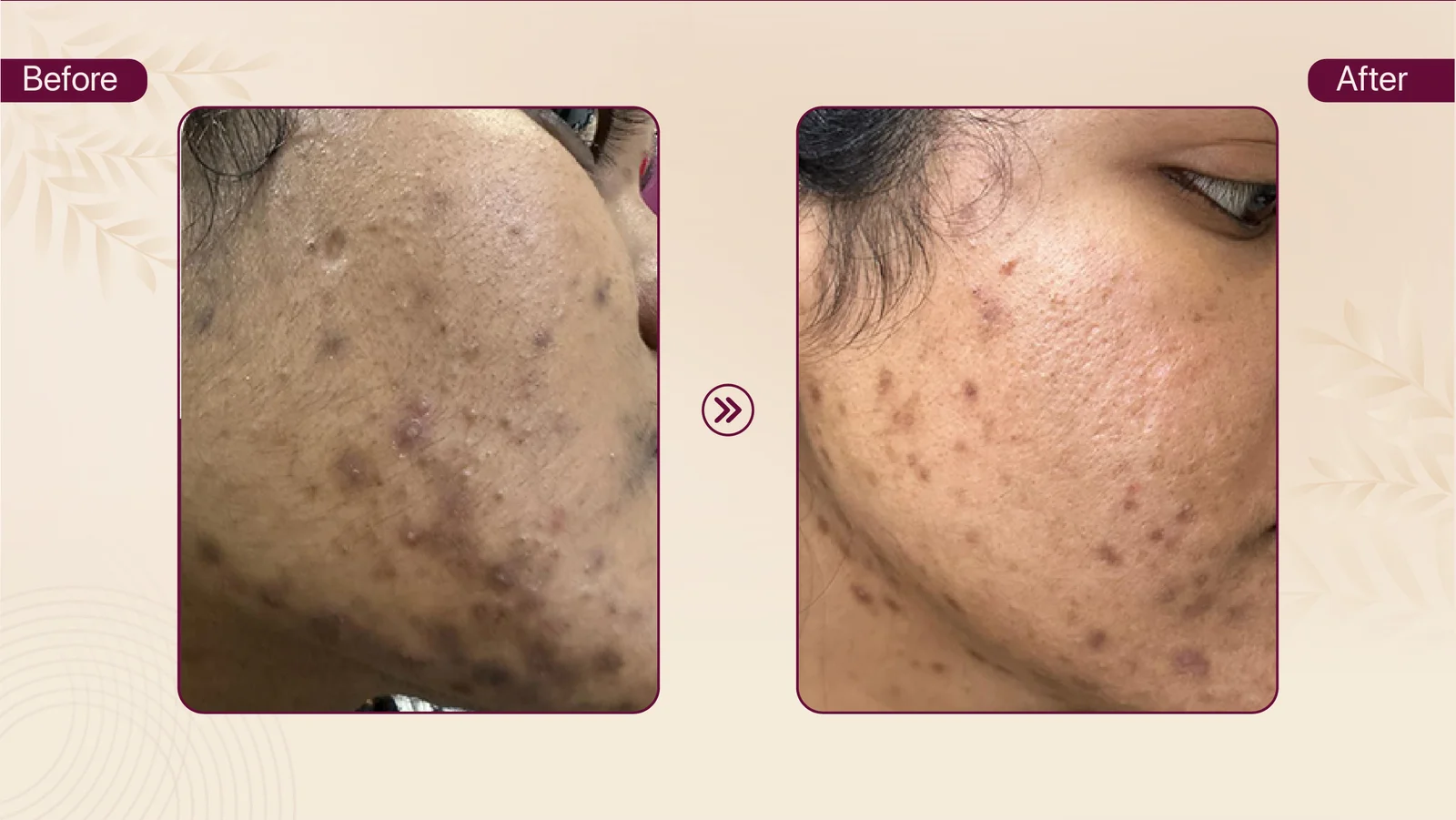
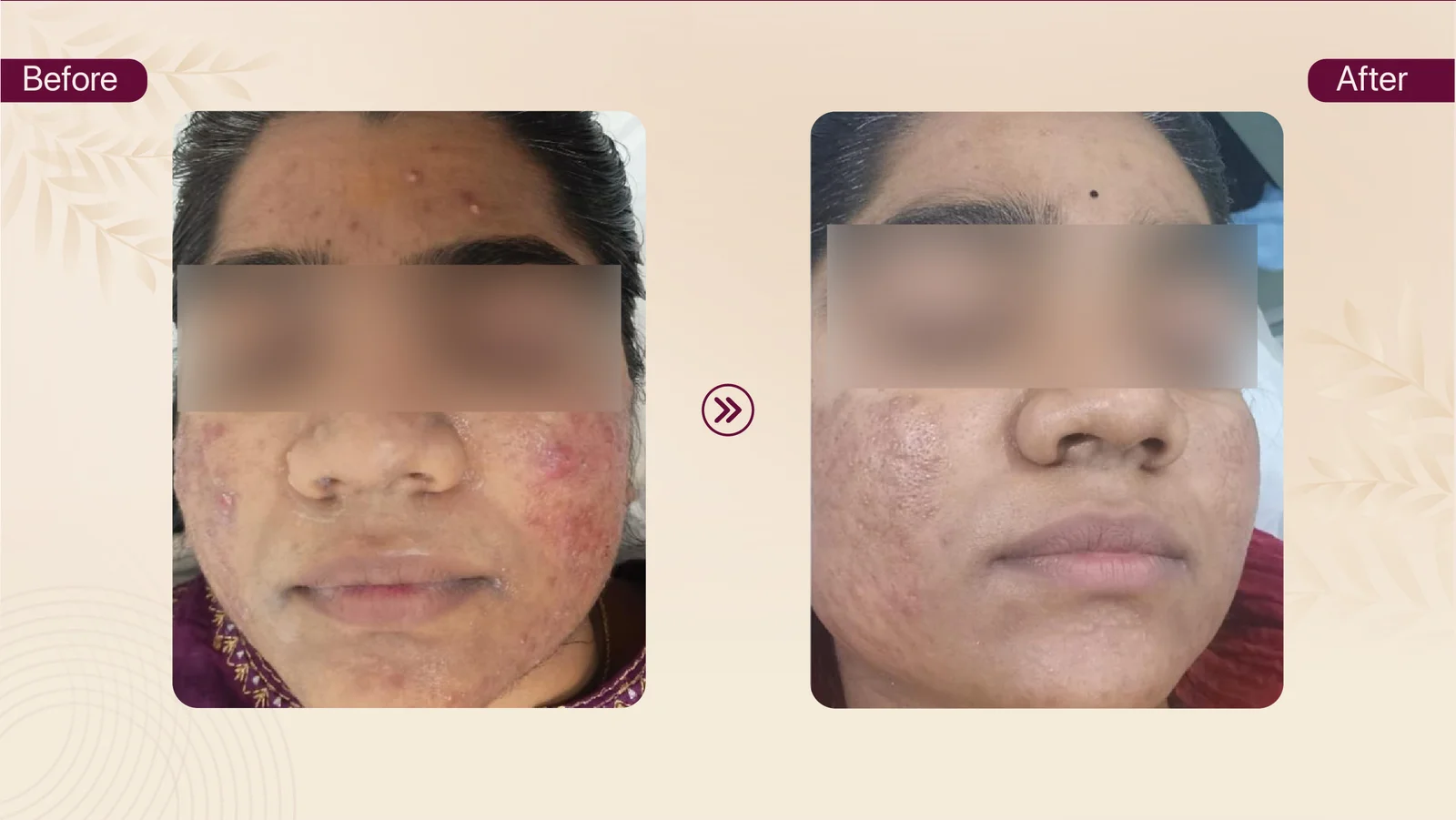
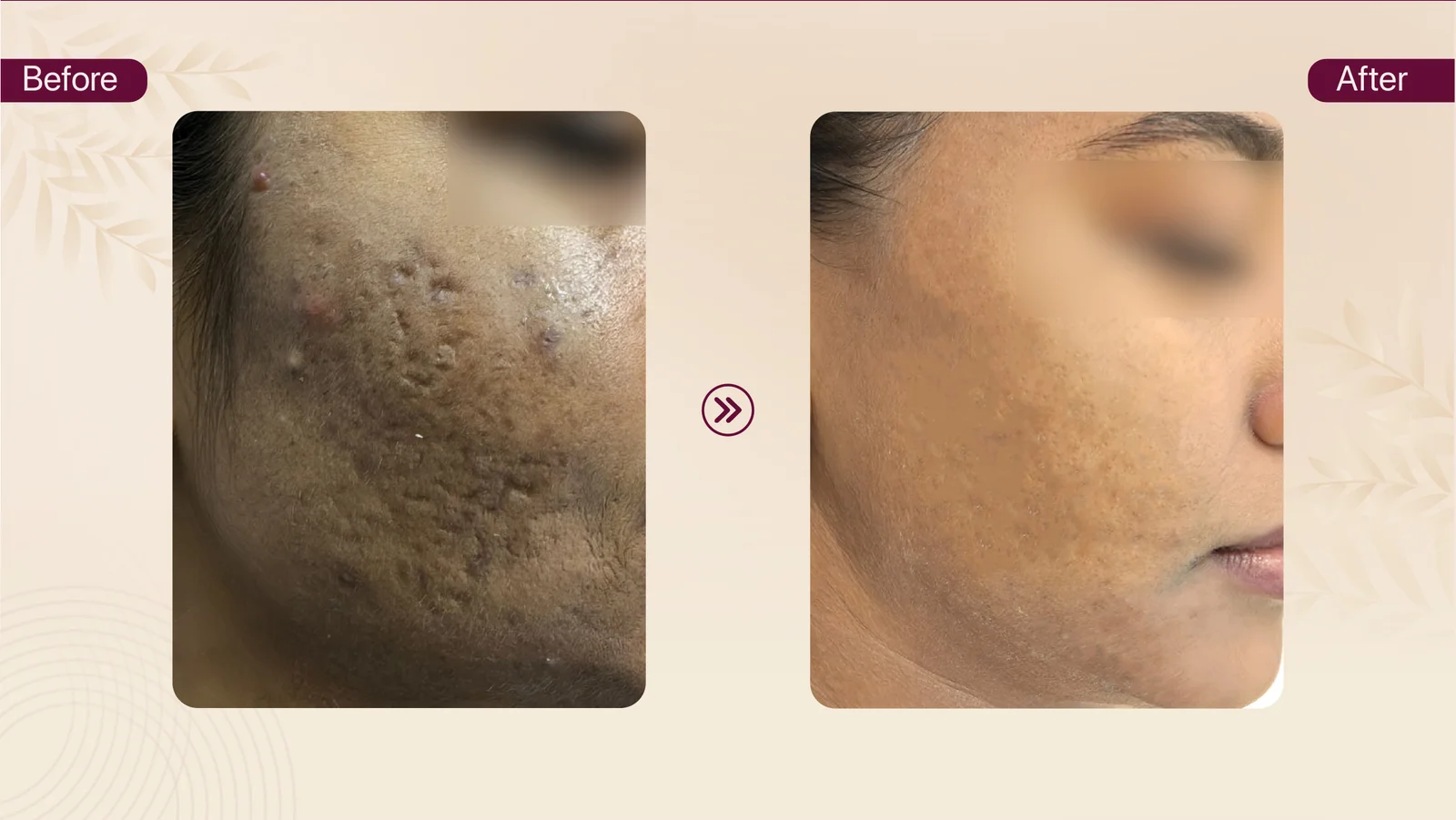
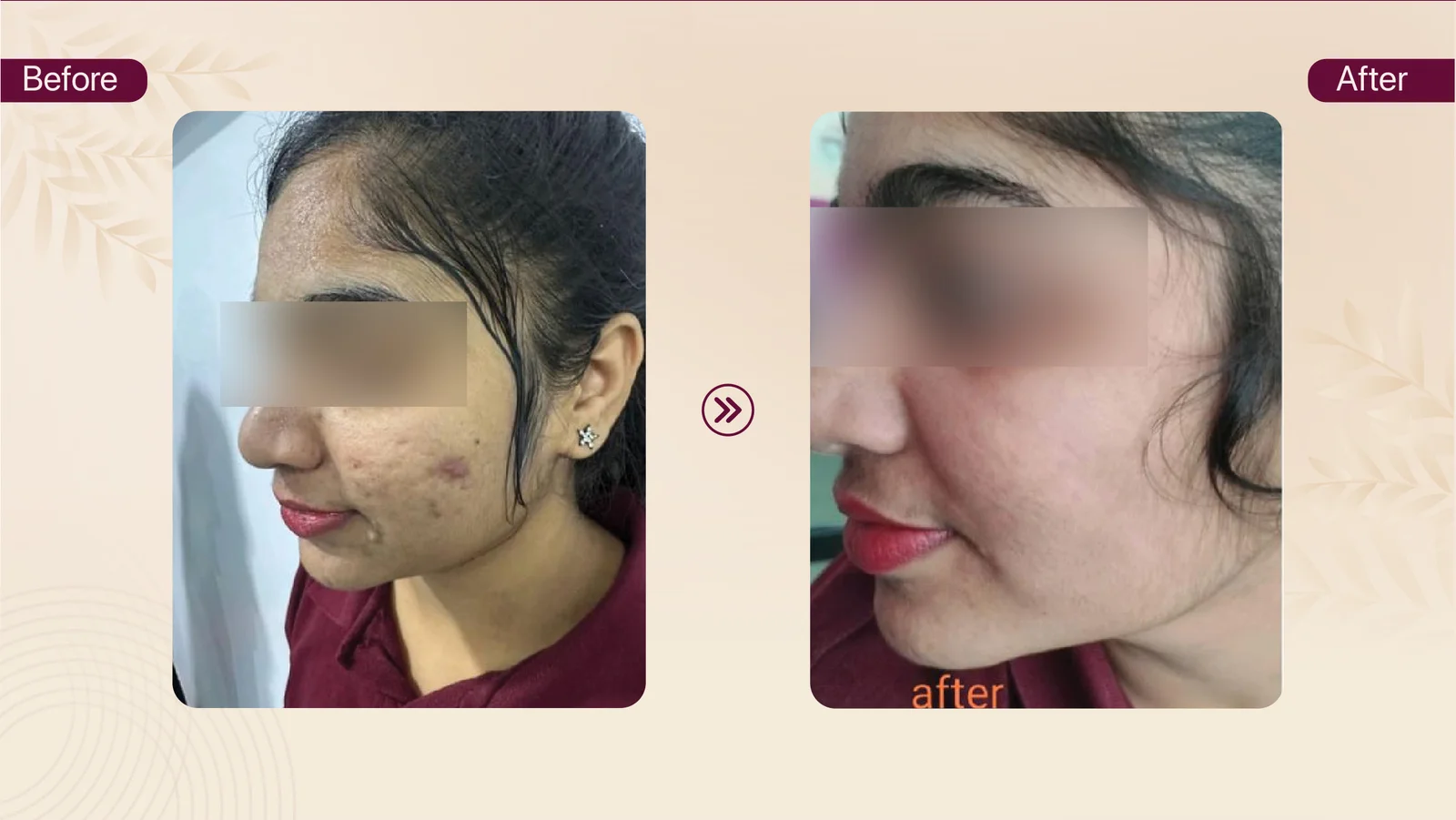
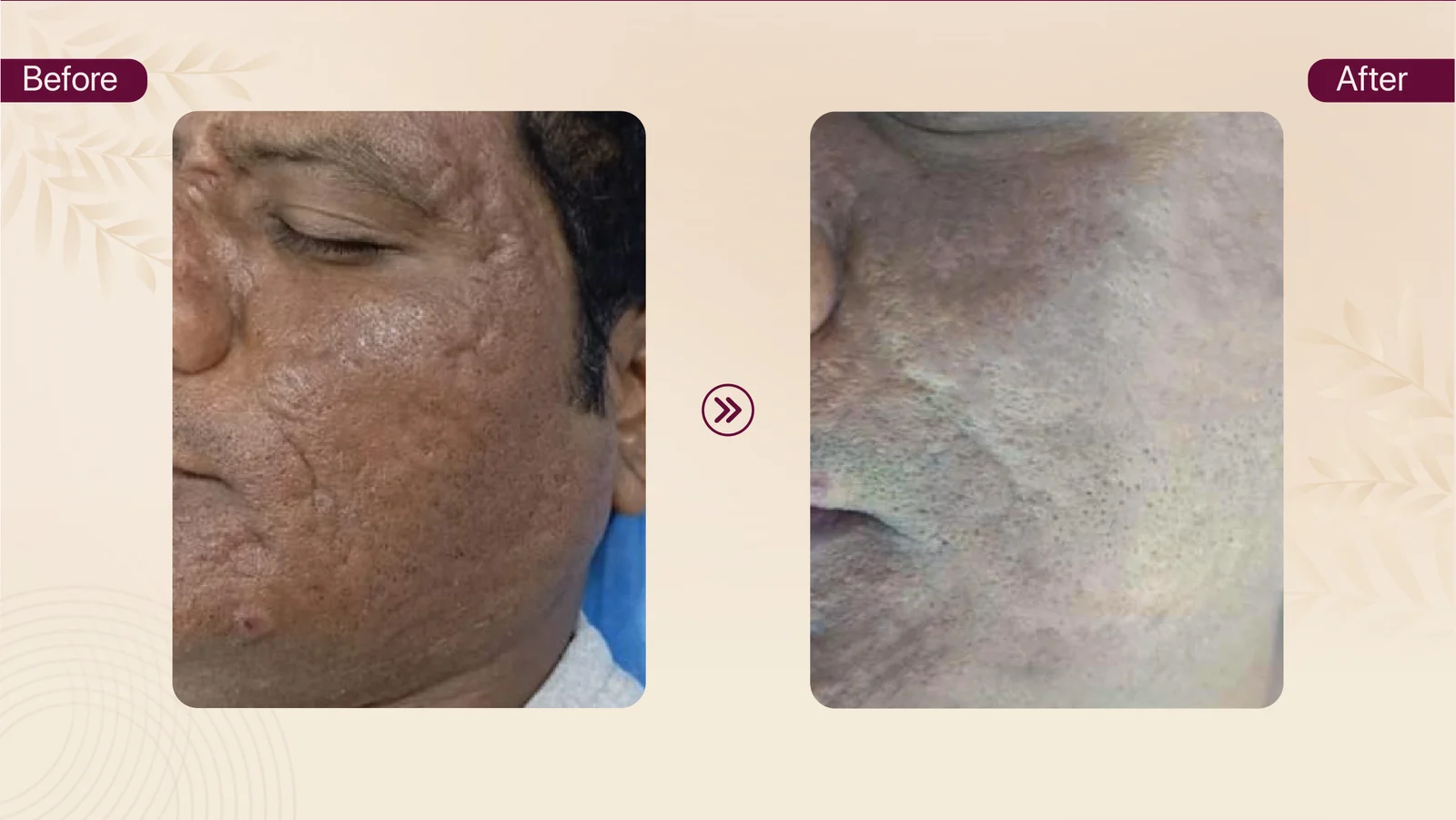
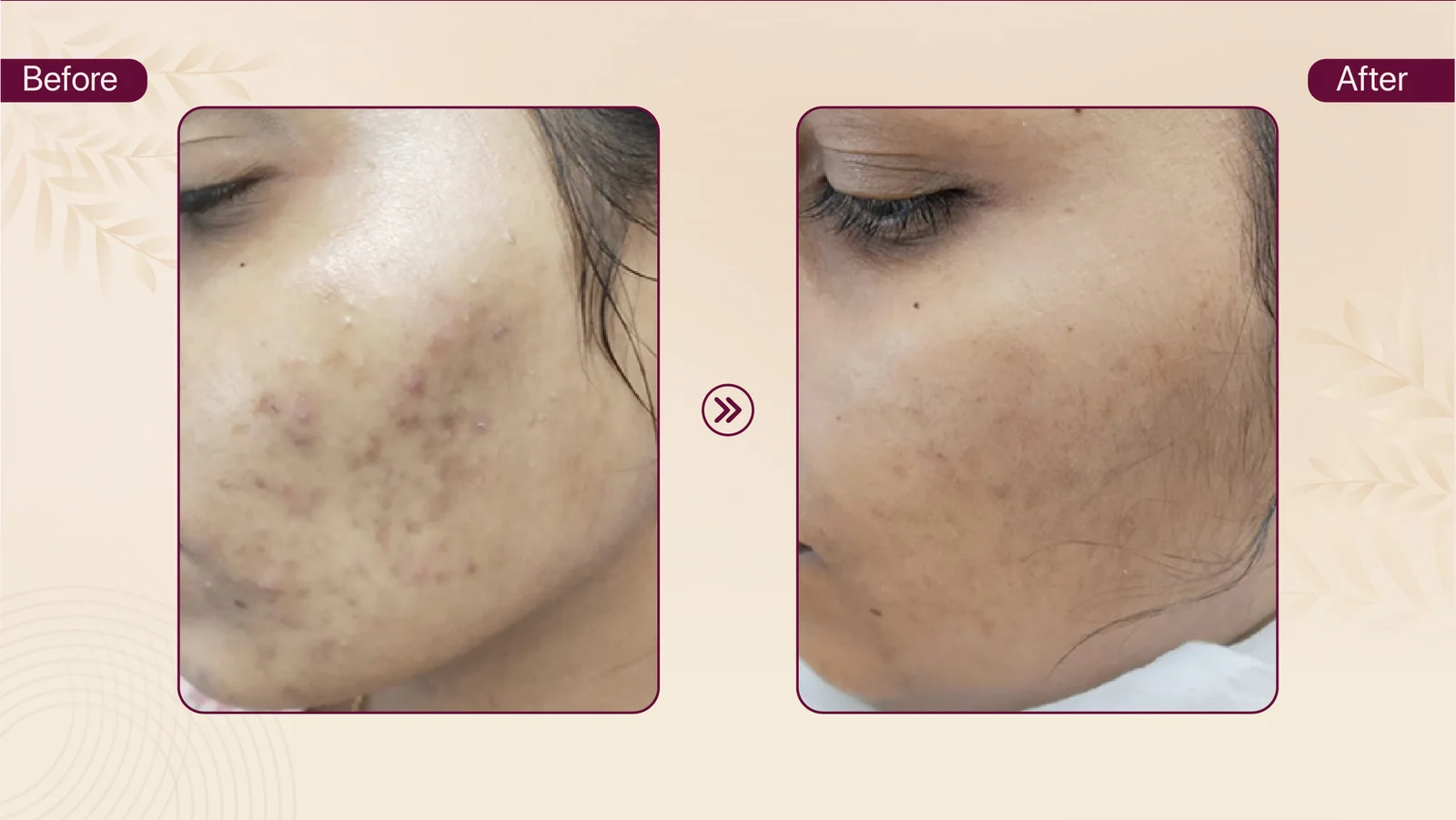
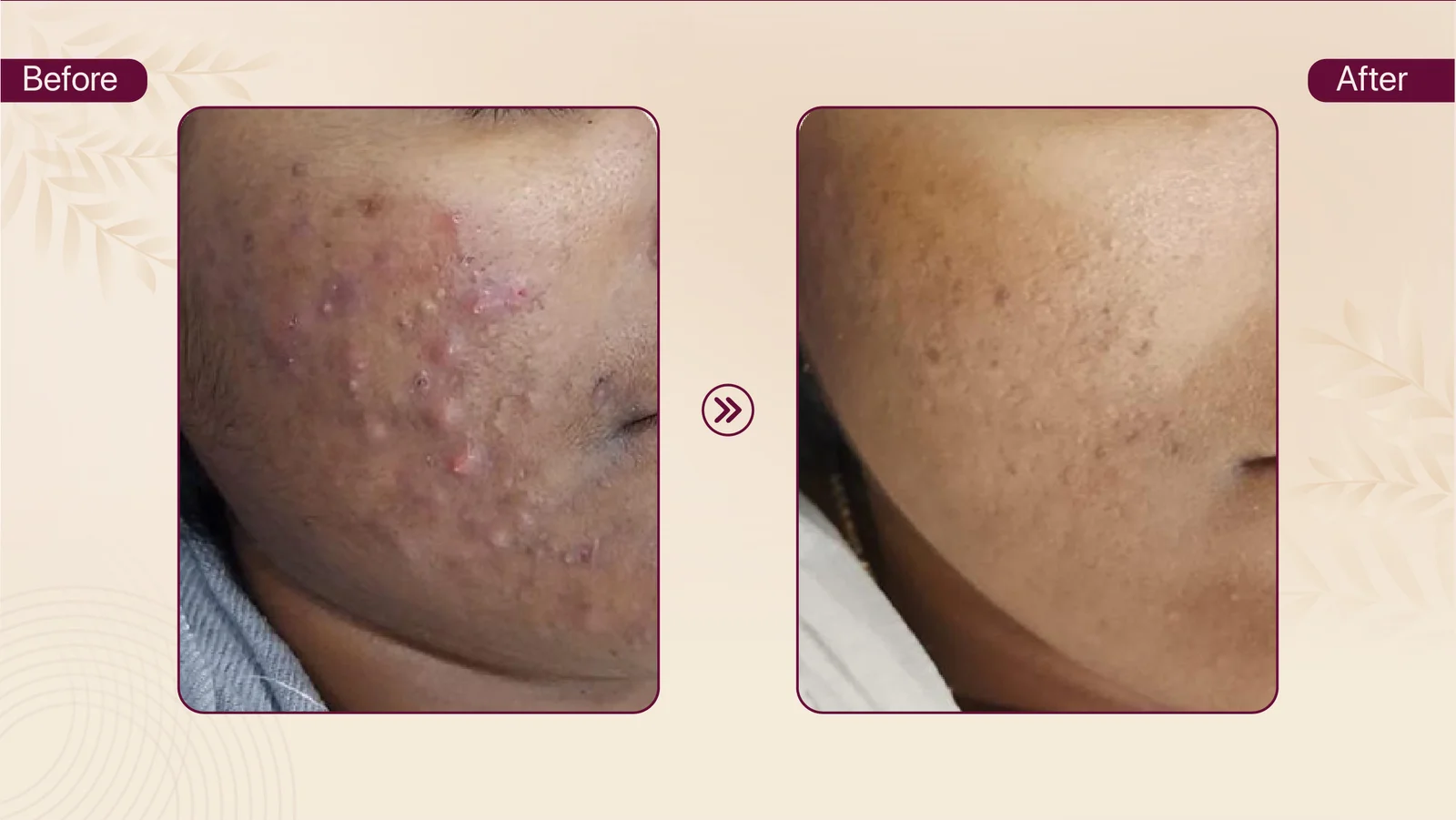
Individual results vary. These photographs show specific cases, not guaranteed outcomes. Original image quality, lighting and angles may differ. Your doctor can explain what may be possible for you.
Related acne and acne-scar experiences at Layers. These reviews do not identify a specific scar procedure.
“have also tried their acne treatment. So far, the experience has been great!”
“My skin has cleared up significantly in just a few months. Thank you for giving me my confidence back!”
Acne and acne-scar care; procedure not specified.
















Flat colour changes are different from structural scars. Brown or red marks can occur alongside depressions or raised scars and may need separate care.
Usually not. Ice-pick, boxcar, rolling and raised scars have different structures. A plan may combine methods for different areas.
Treatment can make scars less noticeable, but complete removal is not a realistic promise. Discuss the improvement that may be achievable for your skin.
Often yes. Controlling breakouts helps prevent new scars and may be needed before procedures can be performed.
No. Subcision releases selected scars that are held down by bands beneath the skin. Microneedling creates controlled channels to encourage remodelling.
Many people can be considered, but the risk of darker or lighter patches needs careful planning. The safest choice depends on the method, settings and your healing history.
This depends on scar types, severity, methods and response. A review after healing is more useful than promising a fixed number before assessment.
Home needling is not equivalent to a clinical scar procedure. It can cause infection, pigment changes or further scarring. Discuss appropriate care with a dermatologist.
Talk through treatment choices, recovery and the changes that matter to you.
Prefer a call? +91 9000 572727