Mini facelift
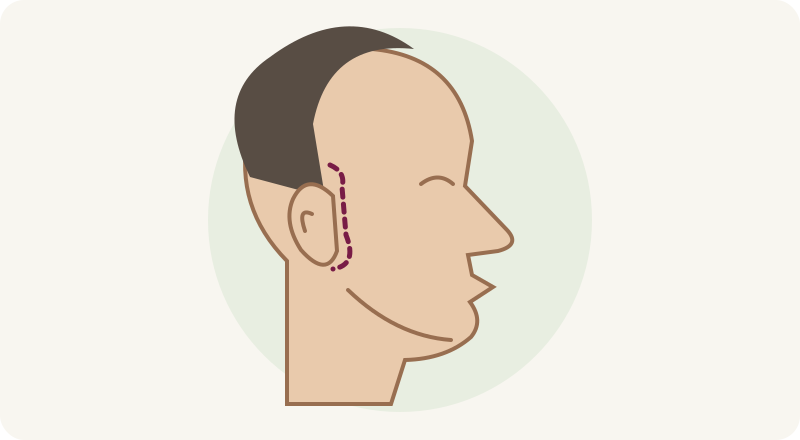
A limited-incision approach may suit selected smaller areas of looseness. It offers less access and correction than a full approach. The word “mini” does not remove the risks of surgery.
If loose cheek skin or jowls bother you, a facelift may be one option. Learn how mini and full approaches differ, what surgery involves and how to plan for healing.

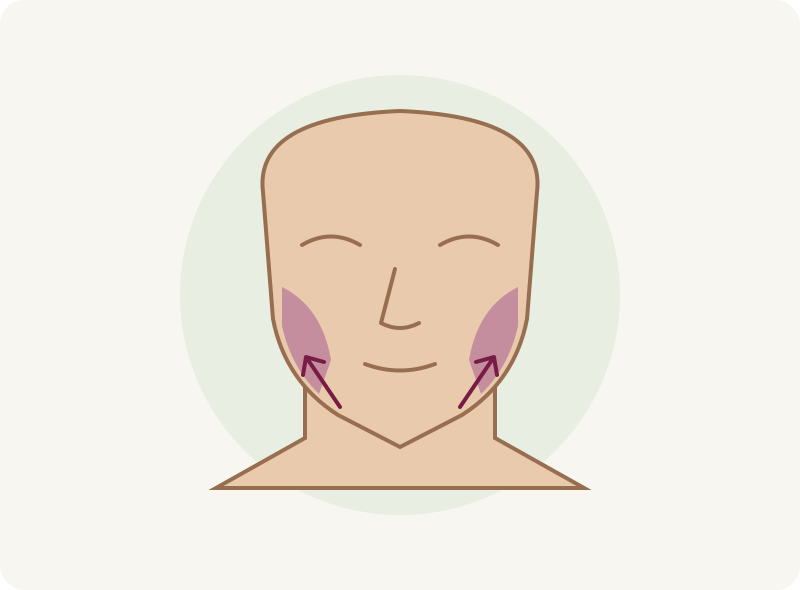
A facelift, also called rhytidectomy, reshapes sagging tissue around the cheeks and lower face. The surgeon repositions supporting tissue, lays the skin over it and removes excess skin.
The aim is to improve areas such as jowls and lower-face folds. A neck lift may be included when neck skin or muscle bands also need attention.
A facelift mainly addresses tissue position and loose skin. Pigmentation, fine surface lines and eyelid concerns need their own assessment.
Your starting anatomy affects the possible change. Discuss what matters to you without relying on another person’s result.
A limited-incision approach may suit selected smaller areas of looseness. It offers less access and correction than a full approach. The word “mini” does not remove the risks of surgery.
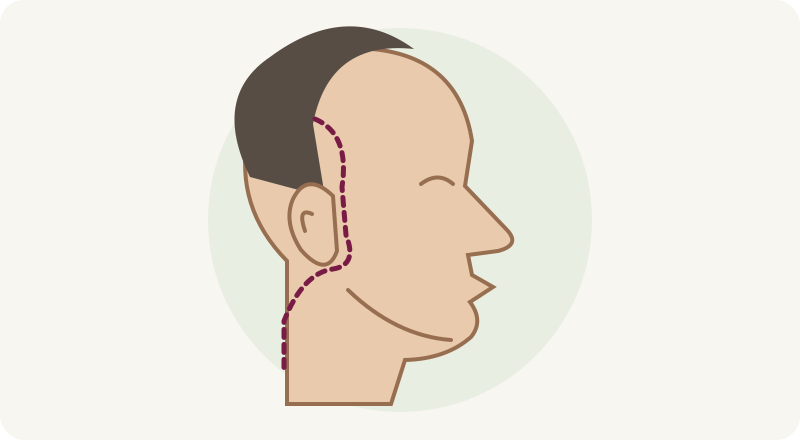
A longer incision gives access to more extensive tissue descent and excess skin. The surgeon explains the planned extent, any neck work and the resulting scars.
Incision diagrams show general locations. Your surgeon plans the actual route around your anatomy and hairline.
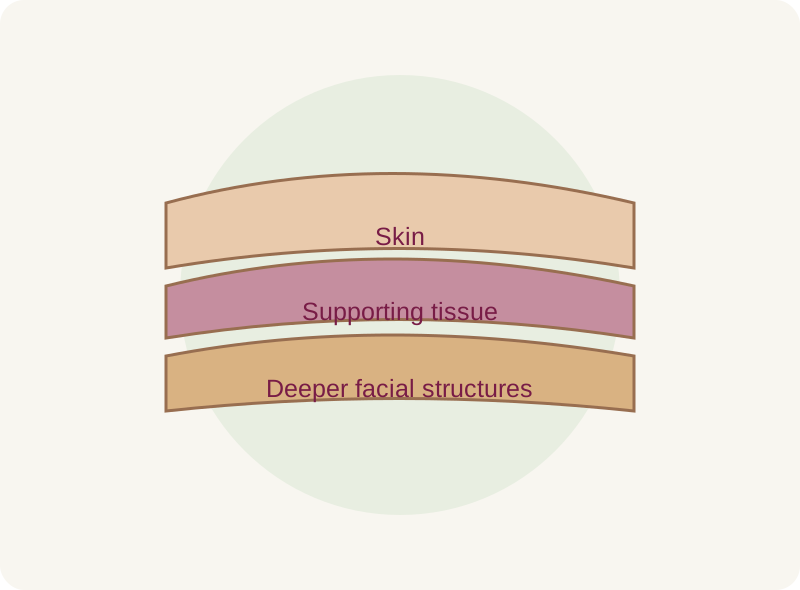
A facelift is more than stretching the skin. The operation can address the supporting tissue underneath, helping reshape the lower face before the skin is closed.
Technique names describe different ways of working with these layers. Ask the surgeon to explain the proposed method, why it fits your face and what recovery it involves. A named technique alone does not predict the result.
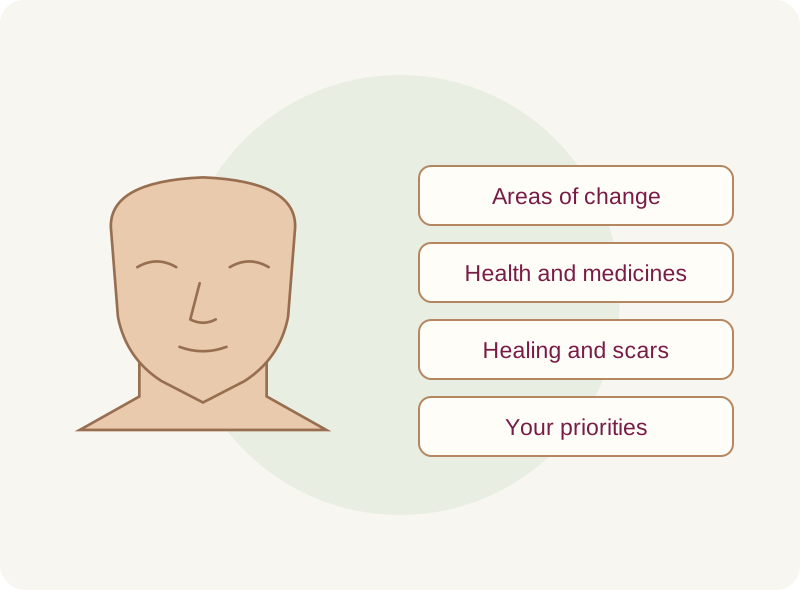
A surgeon checks skin quality, facial support and the areas you want to change. Surface treatment may be more useful if texture is the main concern.
Medical conditions, nicotine use, medicines and previous healing problems affect risk. An assessment may lead to preparation, another option or a decision against surgery.
Arrange help and time away from demanding work or exercise. Your decision should be your own, with realistic expectations about scars and recovery.
Discuss previous fillers, threads, surgery and skin treatments. Bring your medicine and supplement list, including any blood-thinning medicine. Changes need agreement with the prescribing clinician.
Understand who will operate, the surgical setting, anaesthesia, scars and follow-up. Arrange transport and help at home, and follow the team’s preparation instructions.
With the planned anaesthesia, the surgeon makes incisions, adjusts underlying tissue and removes excess skin. Any neck work or additional procedure should be part of the agreed plan.
The incisions are closed. Dressings and sometimes small drains are used, depending on the operation. The team monitors you before deciding when you can go home.
Get written instructions for medicines, washing, dressings, sleeping position and activity. Keep the urgent contact number available to you and the person helping you.
Your team checks healing and explains when drains or non-dissolving stitches need removal. Resume exercise, makeup and hair treatments only when advised.
Bruising, swelling, tightness and altered sensation can occur during early healing. Looking ready for everyday activities and feeling fully settled are different milestones.
Plan time off around the operation and your work. Swelling can continue to change for months, so avoid judging the final shape from the first days.
Avoid rubbing, picking or pulling at healing skin. Ask when you can wash your hair, shave, use makeup or wear products near the cuts.
Get clearance for strenuous activity and protect scars from sunlight. Keep review appointments even when the outside looks well healed.
Incisions are planned around the ears and hairline to make them less noticeable. Scars may widen or become raised, and hair growth near an incision can change.
Bleeding under the skin, infection, fluid collection and reduced skin blood supply are possible. Some complications need another procedure.
Nerve injury can affect feeling or facial movement, temporarily or persistently. Asymmetry, ongoing discomfort and dissatisfaction are also possible, alongside anaesthetic and blood-clot risks.
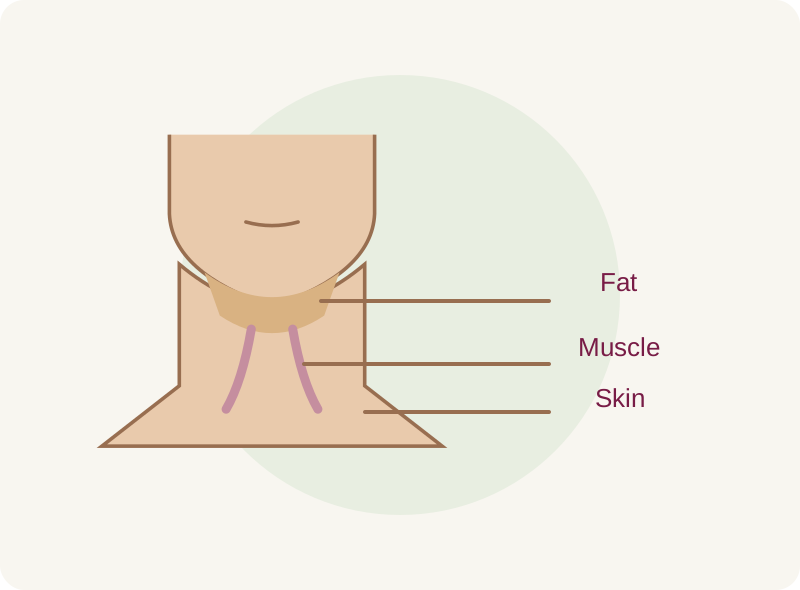
Understand surgery aimed at loose neck skin, muscle bands and selected fat deposits.
Explore neck lift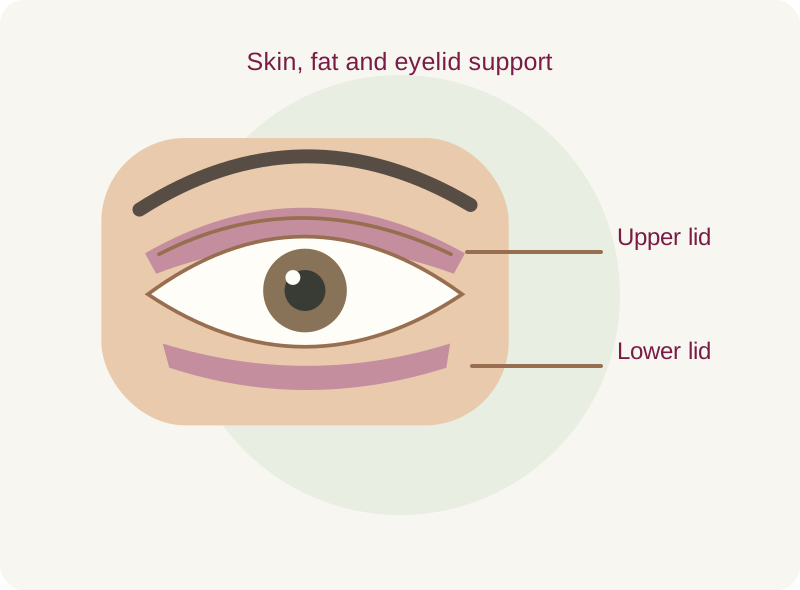
Excess eyelid skin or bags need their own assessment. A facelift does not automatically address them.
Explore eyelid surgery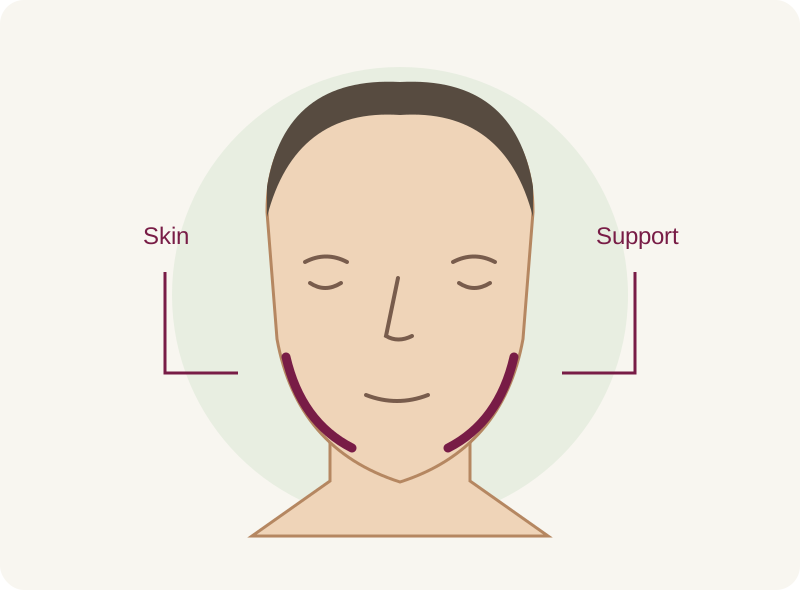
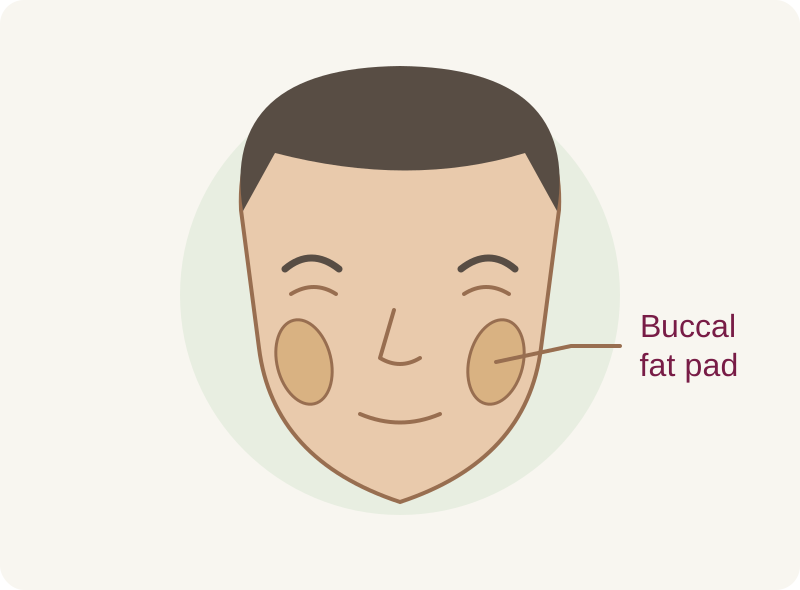
Cheek fullness is different from loose skin. Understand when fat reduction may be considered and when preserving volume matters.
Understand cheek reductionThese Google reviews describe consultations and general care at Layers. They are not facelift result reviews.
“The doctors listened carefully to my concerns and explained the treatment in a clear and professional manner.”
Consultation experience; condition not specified.
“She explained the treatment clearly and made me feel comfortable throughout the consultation.”
Consultation experience; condition not specified.
“The doctor took the time to understand my skin concerns and explained the treatment plan clearly, without rushing.”
Consultation experience; condition not specified.
“Very patient ,humble and polite to answer every single query and build confidence.”
Consultation experience; condition not specified.
“The doctors explained everything clearly and made me feel comfortable and confident.”
Consultation experience; condition not specified.
“The doctor took the time to listen to my concerns patiently and explained the treatment options clearly.”
Consultation experience; condition not specified.















A mini approach uses more limited access for selected lesser changes. A full approach can address a wider area. Ask what each option would change on your face and where the scars would be.
Neck work may be included, but it is not automatic. Confirm whether your plan covers neck skin, fat or muscle bands and whether an incision under the chin is needed.
No. It focuses on sagging tissue and excess skin. Fine lines, sun damage and skin colour changes may remain and should be discussed separately.
Ageing continues after surgery. Skin, health, weight changes and the operation affect how the result changes over time. No fixed number of years can be promised.
Discuss your preferred degree of change and what is realistic for your anatomy. Careful planning matters, but no surgeon can guarantee a particular appearance or perfect symmetry.
Yes. Skin, beard growth, hairline and scar placement need individual planning. Suitability depends on the assessment rather than gender.
This depends on your work, healing and the extent of surgery. Arrange a realistic break and discuss public-facing duties, lifting, travel and exercise before choosing a date.
A suitably qualified plastic surgeon with experience in facelift surgery should assess and operate. Confirm the surgeon, facility, anaesthesia arrangements and follow-up before booking surgery.
Bring your questions about facelift options, scars and recovery to a consultation.
Prefer a call? +91 9000 572727