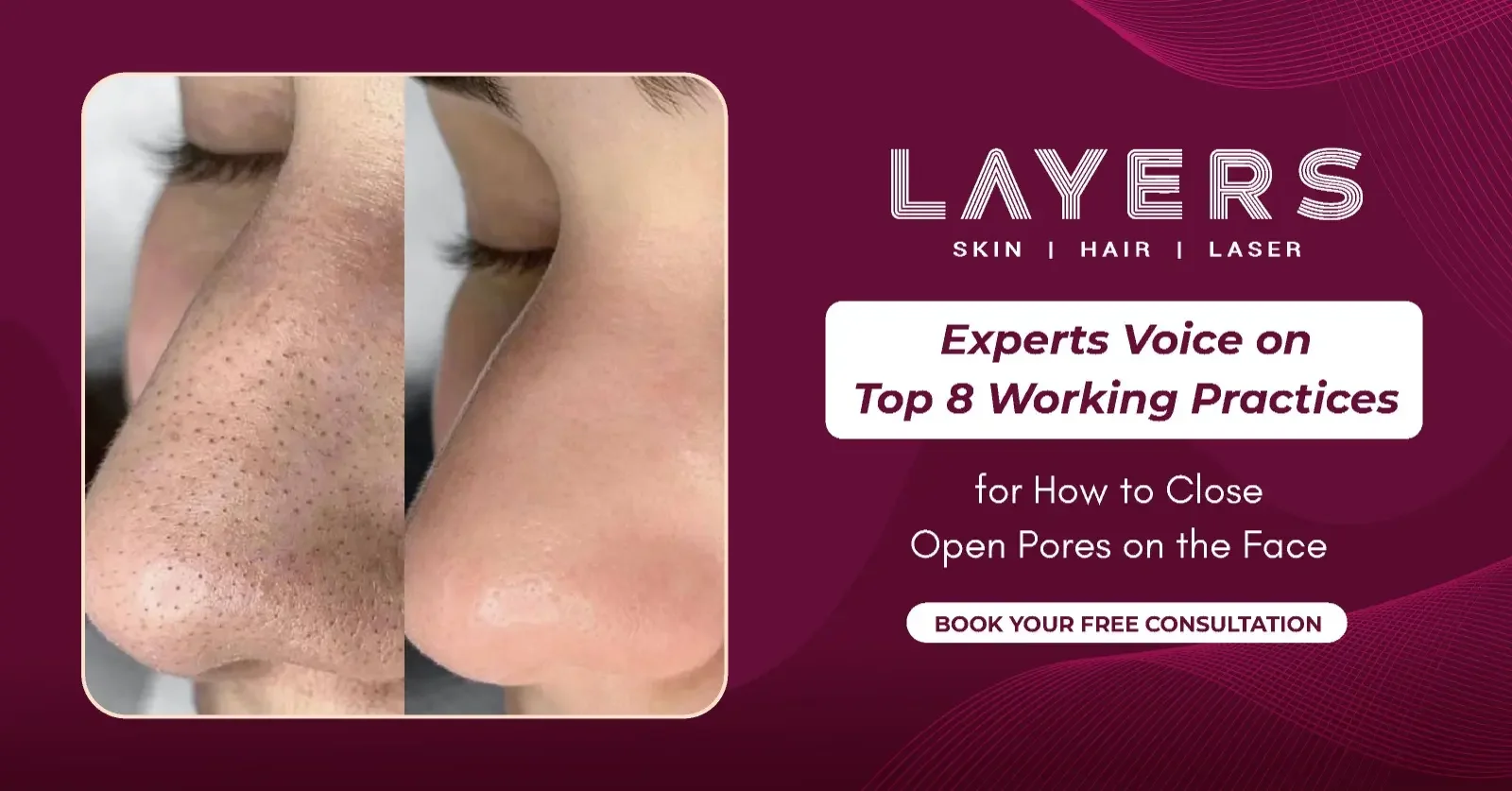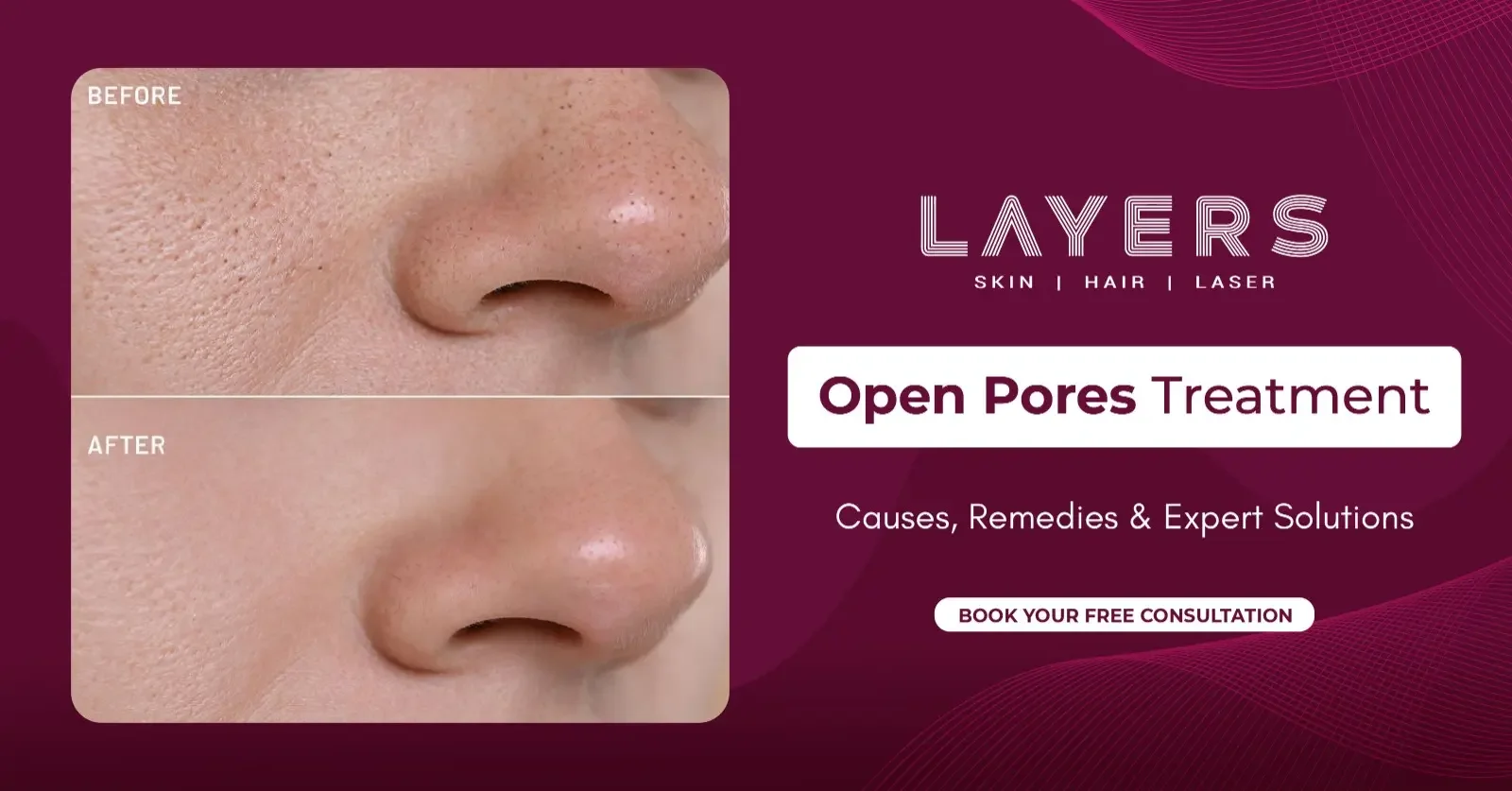
Every face has pores, even the ones that look flawless in photos. They are tiny openings that let the skin release its natural oil. The real difference between one person and the next is how visible those openings are.
For some, it is the nose that gives it away. For others, it is the cheeks, forehead or chin. It gets especially annoying when makeup sinks into the texture by lunchtime, or when a close-up photo shows every bump.
This is what people usually call open pores or enlarged pores. There is rarely one cause behind them. Your skin type, family history, oil production, past acne, sun exposure and age all have a say, and that is why open pores treatment works best when it is matched to the person rather than handed out as a one-size-fits-all procedure.
Key Takeaways
• Visible pores are a normal part of human skin.
• Genes, oil, acne, sun exposure and age all affect how noticeable they are.
• Pores cannot be permanently removed or sealed.
• Good skincare helps with oil and congestion.
• Professional procedures can improve pore visibility and texture in suitable patients.
• The best open pores treatment depends on why your pores stand out.
• Treating related acne, scarring or loss of firmness can improve the overall result.
Are Open Pores Really “Open”?
Not in the way the name suggests. A pore does not open and close like a door. It is a permanent part of your skin.
What changes is how easy it is to see. Picture two people whose pores are about the same size. One has oily, clogged skin. The other has balanced, springy skin. The first person’s pores will look far more obvious.
So the honest goal of treatment is smoother-looking skin and less noticeable pores, not pores that vanish.
Why Do Pores Look Bigger?
A few common factors can make a pore stand out more than it used to.
Extra oil
Sebum is not the enemy. It helps protect the skin barrier. Trouble starts when the skin makes so much that it looks shiny all day, or when oil mixes with dead skin cells and collects around the pore opening. That is why oily and combination skin types tend to notice enlarged pores first.
Your genes
Some people are simply born with more visible pores. Heredity affects how much oil the skin makes and how thick it is. Good skincare can soften the look, but it cannot rewrite your skin’s blueprint.
Age
Skin does not stay the same through adulthood. As collagen and elasticity fall, the skin around each pore loses some of its support, and the opening becomes easier to spot. It is why someone who never gave pores a thought at 22 may start noticing them at 35.
Old acne
Repeated breakouts, blackheads and inflammation can leave the skin’s surface uneven. Even after the pimples settle, enlarged-looking pores often stay behind, sometimes with marks or scars. Treating only the pore itself rarely solves this.
Sun damage
Years of unprotected sun weaken collagen and elasticity. As the skin’s framework changes, existing pores show up more. Sunscreen is therefore a basic part of managing large pores on the face, with or without professional treatment.
Where Do Enlarged Pores Usually Appear?
Pores are not equally noticeable everywhere.
- Nose: Packed with oil glands, so pores and blackheads are most visible here.
- Cheeks: Pores here can stand out after acne, sun exposure or a loss of firmness.
- Forehead: Oil and congestion often show up here, especially in combination or oily skin.
- Chin: Blackheads and clogging commonly sit alongside visible pores.
Where your pores are most visible gives a dermatologist useful clues about what is causing them.
How to Make Enlarged Pores Less Noticeable
How to Make Enlarged Pores Less Noticeable
No quick fix permanently changes a pore. A better plan is to work on whatever makes the pores stand out. A dermatologist usually looks at three things:
- Oil: Is the skin making too much sebum?
- Texture: Is there clogging, dead skin build-up or acne-related unevenness?
- Support: Has the skin lost some of its firmness?
The answers shape the treatment plan.
Daily care that helps
Before thinking about procedures, get the basics right.
- Cleanse gently. Washing removes oil, sunscreen and dirt, but harsh, stripping cleansers cause irritation. Your skin should feel comfortable afterwards, not squeaky and tight.
- Moisturise anyway. Oily skin still needs water and barrier support. A light, gel-type moisturiser is enough.
- Choose ingredients that tackle clogging. Salicylic acid suits many oily, congested skin types. Niacinamide and retinoids can also fit into a routine guided by a dermatologist. The right product depends on your skin, not just on the pore.
- Wear sunscreen every day. It limits further damage to skin quality.
- Leave the squeezing alone. Pressing pores may clear them for an hour, but it can inflame the skin and leave marks. If blackheads keep returning, professional extraction is safer than doing it yourself.
Professional Treatments for Enlarged Pores
The right enlarged pores treatment depends on why your pores are prominent. A dermatologist may suggest a single procedure, a combination, or simply start with a better skincare routine.
Chemical peels
A peel uses a carefully chosen solution to remove a controlled layer of surface skin. It can help when enlarged pores come with excess oil, congestion, dullness, uneven texture or mild acne. The type of peel matters a great deal, as one that suits your friend may not suit you.
Microneedling
Microneedling makes tiny, controlled channels in the skin. It does not squeeze pores shut. Instead, it prompts the skin to heal itself, which can improve texture and encourage new collagen. It is often considered when visible pores appear together with uneven texture or acne scars.
RF microneedling
This adds radiofrequency energy to the needling, so heat reaches targeted layers of skin while the channels are being created. It may be considered when pores come with reduced firmness or rough texture. Because depth and energy settings have to be tailored, it should not be chosen simply because it promises “pore tightening.”
Laser treatments
Certain lasers improve skin texture and stimulate remodelling. For selected patients, they may help when pores appear alongside acne scars, uneven texture or sun-related changes. The right technology depends on your skin type and what you want to achieve.
Deep-cleansing facials
Treatments such as HydraFacial cleanse, exfoliate and hydrate in one sitting, which suits oily, clogged or dull skin. Think of them as skin maintenance. They freshen the surface but do not permanently change pore structure.
Which Treatment Should You Choose?
Here is where many people go wrong. They search for the “best open pores treatment,” pick whichever sounds most advanced and expect miracles. But two people with visible pores can need entirely different care.
| Main concern | Possible direction |
| Oily, congested skin | Skincare and oil control |
| Blackheads and build-up | Suitable exfoliation |
| Uneven texture | Resurfacing or collagen-focused options |
| Acne scars with visible pores | Texture-focused treatment |
| Reduced firmness | Collagen-stimulating procedures |
| Mild surface congestion | Professional cleansing |
| A mix of concerns | A customized combination plan |
That is why a consultation with a dermatologist beats choosing a procedure from a menu.
Open Pores on the Nose
If your main worry is large pores on the nose, oil and congestion are probably involved. The nose also contains sebaceous filaments, which are normal structures linked to hair follicles. They are easy to mistake for blackheads or permanently stretched pores, and picking at them repeatedly only irritates the skin.
A dermatologist can tell what you are dealing with and suggest skincare, exfoliation, professional cleansing or another option.
Open Pores on the Cheeks
When open pores on cheeks come with acne scars or uneven texture, controlling oil is only part of the answer. Improving the quality and firmness of the surrounding skin can make the whole area look more refined, which is why options such as microneedling or other resurfacing treatments may be considered for some patients.
Can You Reduce Open Pores Naturally?
Good habits can improve how your skin looks, but no home remedy changes pore structure. Helpful habits include:
- Washing your face properly, but not excessively
- Not squeezing or picking
- Keeping oil in check
- Choosing non-comedogenic products where suitable
- Applying sunscreen every day
- Sticking with a routine instead of switching products constantly
Be wary of DIY recipes online. Lemon juice, baking soda, toothpaste and gritty homemade scrubs can irritate facial skin and sometimes leave dark marks.
Do Ice and Steam Change Pore Size?
You may have heard that ice closes pores and steam opens them. That is a big oversimplification. Temperature can change how skin feels and looks for a short while, but it does not alter pore structure. If pores stay visible, treating the underlying cause will do far more than repeated icing or steaming.
Can Open Pores Be Removed Permanently?
No. A pore is a normal part of the skin, so removing it is neither realistic nor necessary. What you can improve is how noticeable it looks, through better oil control, less clogging, smoother texture, collagen remodelling or a mix of these. Be cautious of any plan that promises “poreless skin.”
Open Pores Treatment at Layers Clinics
If you are looking for open pores treatment, begin with a consultation with a qualified dermatologist. At Layers Clinics, the assessment looks at your skin as a whole instead of treating the pore in isolation. Your recommendation may take into account:
- Skin type and oil production
- Where the pores are visible
- Acne history and scarring
- Pigmentation
- Firmness and sensitivity
- Previous procedures and your current skincare
Based on this, your dermatologist may suggest skincare changes, chemical peels, professional cleansing, microneedling, RF microneedling, laser-based procedures or a combination. The goal is gradual improvement in texture and less noticeable pores.
How Much Does Open Pores Treatment Cost?
There is no fixed open pores treatment cost, because plans differ from person to person. The final amount depends on:
- The procedure chosen and the number of sessions
- The area being treated
- The technology used
- Any associated acne or scarring
- Follow-up needs
A consultation will give you a far more reliable estimate than a generic price found online. Your dermatologist can explain which treatment fits, how many sessions to expect and what it is likely to cost.
How Long Do Results Last?
It depends on what is being treated. If oil and clogging are the main reasons your pores show, keeping up a suitable routine is what maintains the result. If loss of firmness is a factor, collagen-focused procedures give gradual changes that need ongoing care. No treatment can stop pores from becoming visible again, because genes, oil production and ageing continue throughout life.
Why Choose Layers Clinics?
Layers Clinics starts by understanding your skin before choosing a procedure. Rather than offering every patient the same pore tightening treatment, your dermatologist works out which factors matter most in your case. The approach includes:
- A personal skin evaluation
- Assessment of oil and congestion
- A review of acne and scarring
- Selection of suitable technology
- Personalised skincare advice
- An honest talk about expected improvement
- Follow-up and maintenance guidance
The aim is not pore-free skin. It is skin that looks smoother, healthier and more refined.
Frequently Asked Questions
Why are my pores suddenly more visible?
A change in oil production, clogging, acne, sun exposure, skincare habits or skin firmness can make existing pores look more prominent.
What is the fastest way to improve the look of pores?
It depends on the cause. Professional cleansing can improve the surface appearance quickly, while treatments that work on texture or collagen take longer.
Is there a permanent cure for open pores?
No, because pores are a normal part of skin. Their visibility can, however, be reduced with the right skincare and professional treatment.
Is open pores treatment suitable for oily skin?
Yes. Oily skin is where pores are often most noticeable, and treatment can focus on controlling sebum and clogging while protecting the skin barrier.
Can acne cause enlarged pores?
Acne and repeated clogging can leave the skin uneven and make pores look larger. Treating the acne and any texture changes can improve the overall look.
Is microneedling useful for enlarged pores?
It may help when enlarged-looking pores come with uneven texture or acne scars. It creates controlled micro-injuries that trigger the skin’s repair process.
Are chemical peels good for open pores?
For selected patients, yes, especially when pores come with oiliness, clogging or rough texture. The peel should be chosen to suit your skin.
Does HydraFacial permanently reduce pores?
No. It clears surface build-up and adds hydration so skin looks fresher, but it does not permanently change pore structure.
How much does open pores treatment cost?
It depends on the procedure, treatment area, number of sessions and your skin concerns. A consultation is needed for a personalised estimate.
Should I see a dermatologist for large pores?
Yes, if pores stay prominent despite good skincare, or if they come with acne, scarring, pigmentation or marked texture changes. A dermatologist can find the contributing factors and recommend suitable treatment.