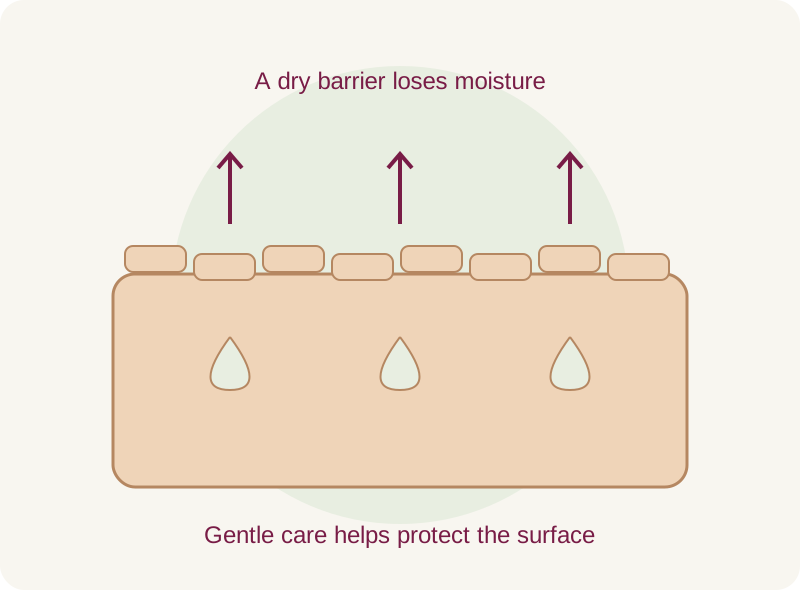
Dry or uncomfortable skin
Dryness may improve with appropriate moisturising and a gentler routine. Persistent itching, redness or cracking deserves an assessment.
Explore dry-skin careUnderstand what is in a proposed drip, what evidence supports its use and which care could help your skin concern.

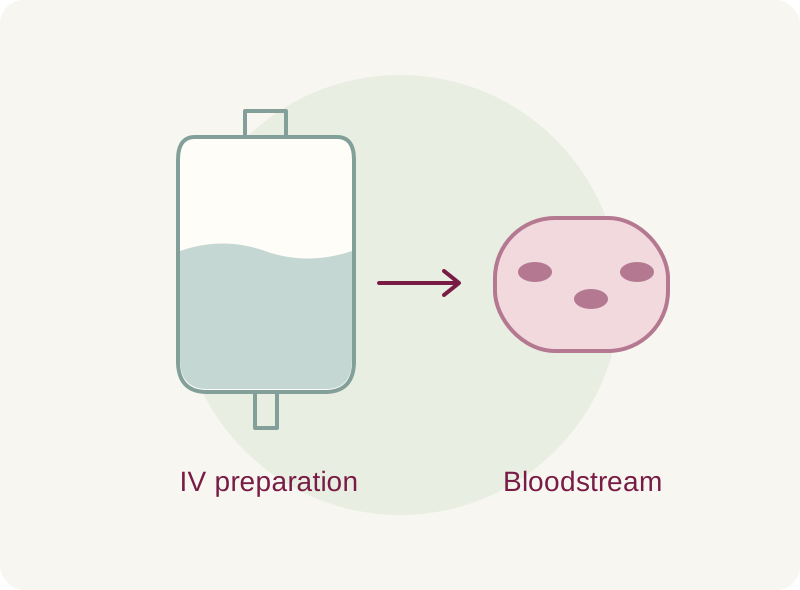
An IV glow drip is a marketing name for an intravenous preparation offered for skin appearance. It may contain vitamins or other substances, but there is no single formula defined by the name.
IV means delivery into a vein. Bypassing digestion does not prove a lasting skin benefit. A skin concern still needs an assessment, and a proposed product needs its own evidence and safety checks.
Evidence for lasting cosmetic benefit in otherwise healthy people is limited. The current Association of Cutaneous Surgeons of India task-force consensus does not recommend routine cosmetic IV vitamin or glutathione drips.
Treating a genuine medical deficiency or dehydration is a different decision from seeking brighter skin. A short-lived feeling of hydration or wellbeing does not establish a change in pigmentation, wrinkles or skin health.
Dryness may improve with appropriate moisturising and a gentler routine. Persistent itching, redness or cracking deserves an assessment.
Explore dry-skin care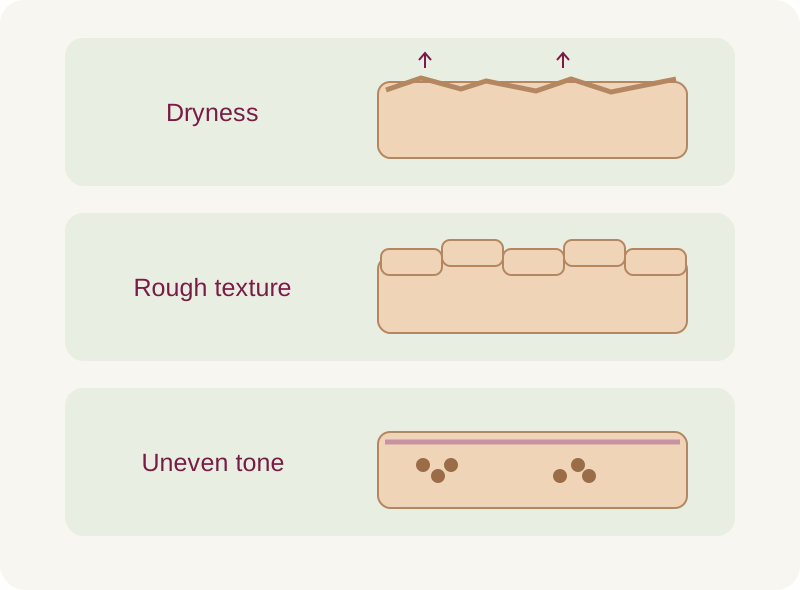
Review skin care, irritation and surface texture before choosing a treatment. A plan should address the cause of the change.
Explore dull-skin care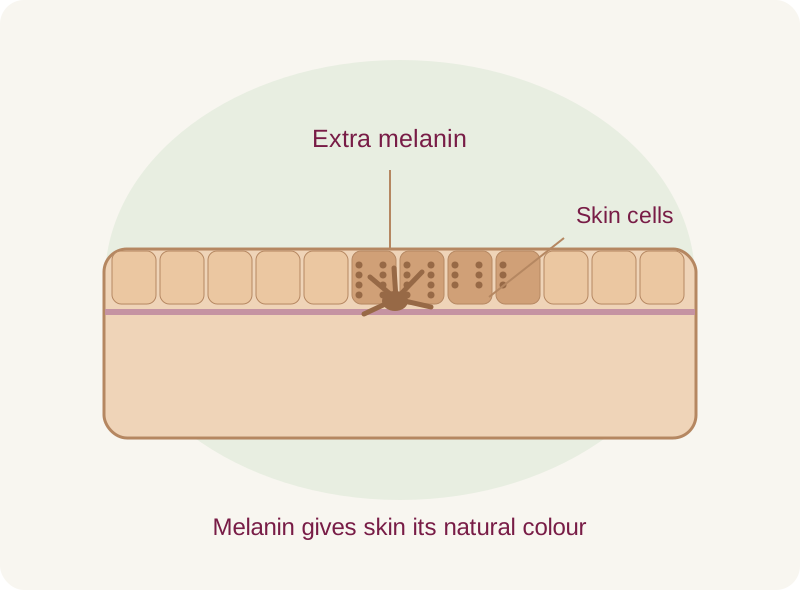
Melasma, acne marks and sun-related spots need different care. Aim to manage the concern while respecting your natural skin tone.
Explore pigmentation care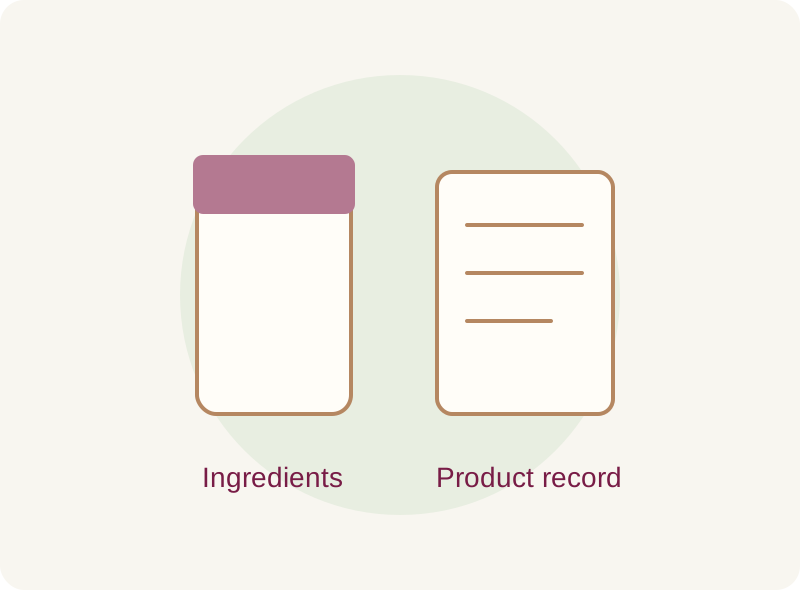
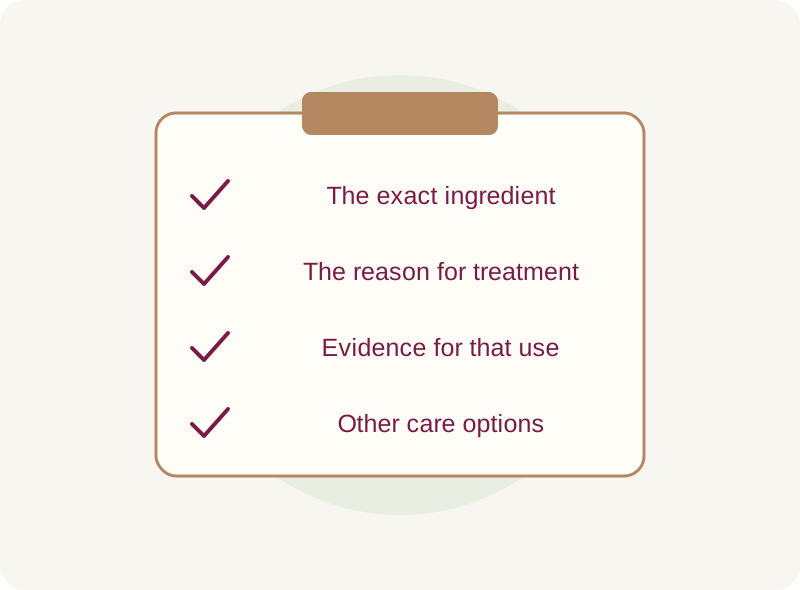
Names such as vitamin C, glutathione or a vitamin blend describe ingredients, not proof that a particular injectable mixture is suitable. Ask for the product, full contents, intended use and regulatory status in India.
An oral supplement or cosmetic ampoule is not automatically safe for injection. Sterility, preparation and compatibility matter. Do not assume that all glow drips contain the same substances or that adding more ingredients makes them better.
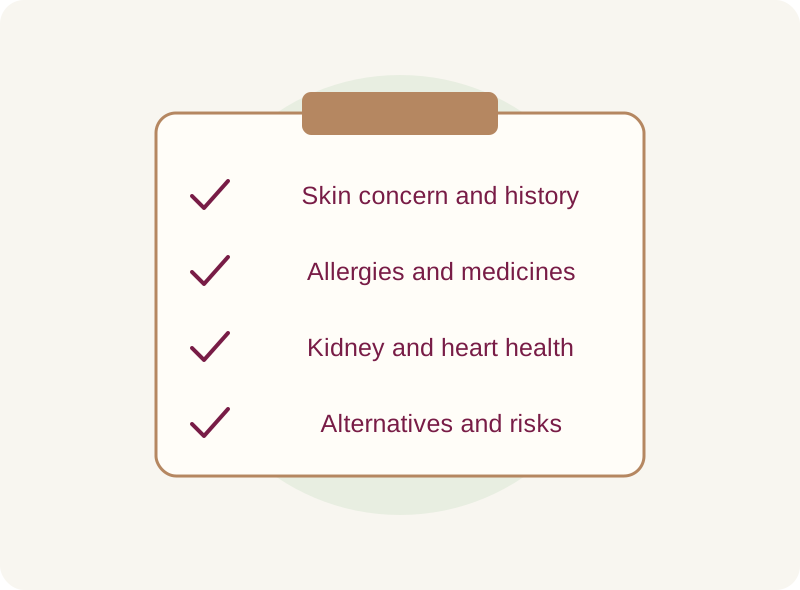
Explain the concern and what you have tried. Compare routine skin care and established treatments before considering an infusion.
Mention pregnancy or breastfeeding, kidney or heart disease, allergies, previous infusion reactions and all medicines and supplements.
If high-dose vitamin C is proposed, the clinician must assess relevant risks, including kidney problems and G6PD deficiency. A generic wellness checklist is not enough.
Review dryness, irritation, pigmentation or other changes. The cause guides which options are worth discussing.
Share medical conditions, medicines, supplements and previous reactions. Arrange further assessment if the findings call for it.
Understand the uncertainty, alternatives and potential harms. Choosing not to have a drip is a valid outcome of a consultation.
It needs a qualified prescriber, an appropriate preparation, informed consent and a clinical setting equipped to monitor and manage reactions. This is not a home infusion guide.
Review the original skin concern rather than assuming a temporary glow proves benefit. Avoid committing to a fixed course without a clear reason.
If any procedure is undertaken, obtain aftercare and contact details. Unexpected symptoms need prompt assessment.

General consultation experiences, rather than evidence of IV-drip results.
“The doctors listened carefully to my concerns and explained the treatment in a clear and professional manner.”
Consultation experience; condition not specified.
“She explained the treatment clearly and made me feel comfortable throughout the consultation.”
Consultation experience; condition not specified.
“The doctor took the time to understand my skin concerns and explained the treatment plan clearly, without rushing.”
Consultation experience; condition not specified.
“Very patient ,humble and polite to answer every single query and build confidence.”
Consultation experience; condition not specified.
“The doctors explained everything clearly and made me feel comfortable and confident.”
Consultation experience; condition not specified.
“The doctor took the time to listen to my concerns patiently and explained the treatment options clearly.”
Consultation experience; condition not specified.
















A permanent lightening effect is not established. Pigmentation needs a diagnosis and appropriate care; your natural skin tone is not a condition that needs correction.
No. The name does not define the contents. Ask for the exact formulation rather than assuming an ingredient from the package name.
No. Route of delivery depends on the medical reason. Higher blood levels do not automatically produce a better cosmetic outcome.
A predictable glow is not established, and a reaction could disrupt your plans. Discuss a familiar skin-care routine or suitable alternatives instead of relying on a last-minute infusion.
There is no evidence-based universal cosmetic course. A treatment plan should have a clear indication and review criteria, not an arbitrary package.
Natural does not mean harmless, especially when a substance is injected. The product, dose, preparation, your health and the clinical setting all matter.
It is not an established replacement for melasma care. Sun protection and diagnosis-specific treatment should be discussed with a dermatologist.
Start with an assessment of the skin change you want to address. Ask for evidence, risks and alternatives before deciding about an IV preparation.
Explore an appropriate plan for dryness, dullness or pigmentation with a skin consultation.
Prefer a call? +91 9000 572727