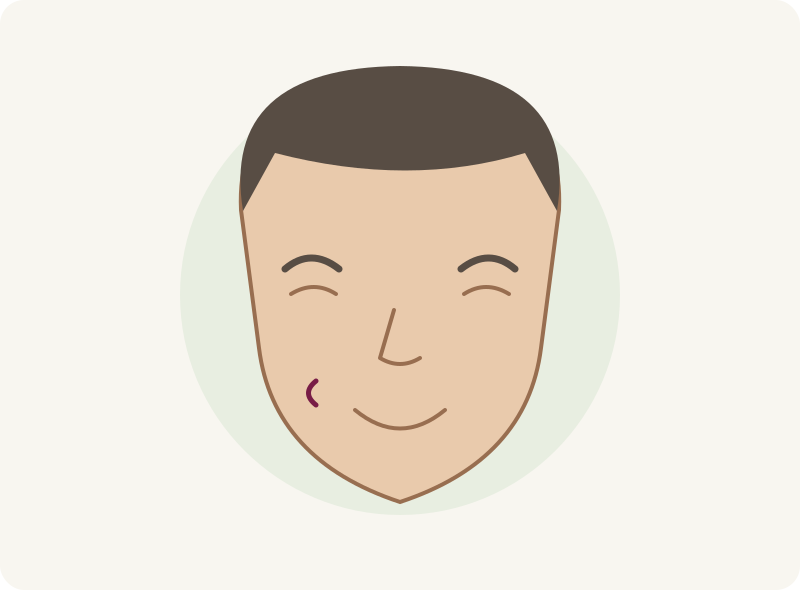
One cheek
A single dimple may be considered if that is your preference. Its position needs to suit the way your cheek moves.
Dimpleplasty creates a small indentation in the cheek. Explore how placement is planned, how the appearance can change and what to consider before surgery.

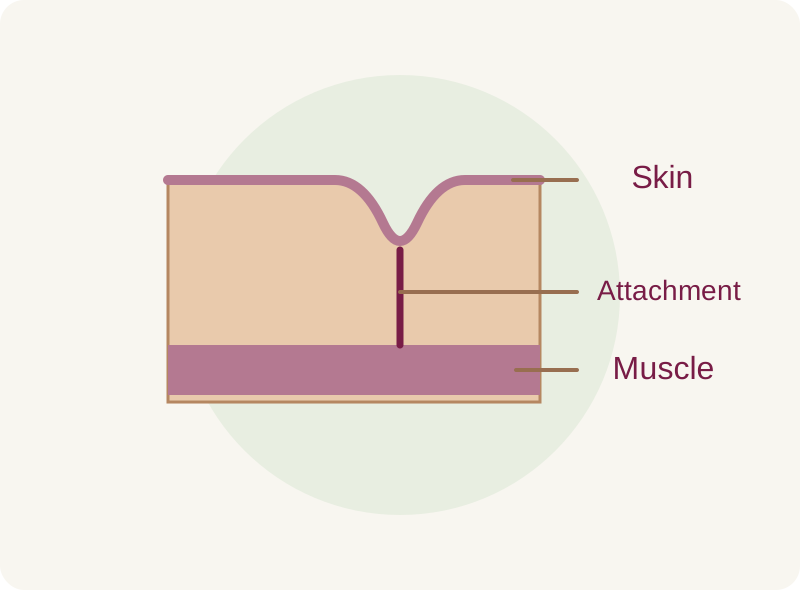
Dimple creation forms an attachment between the inner surface of the cheek skin and deeper tissue. This draws the skin inward to create an indentation. The exact technique can involve stitches, a small internal incision or selected tissue adjustment.
It is a cosmetic change to cheek contour. Your natural face and smile do not need dimples to be healthy, and the decision should reflect your own preference rather than someone else’s idea of an ideal smile.
A single dimple may be considered if that is your preference. Its position needs to suit the way your cheek moves.
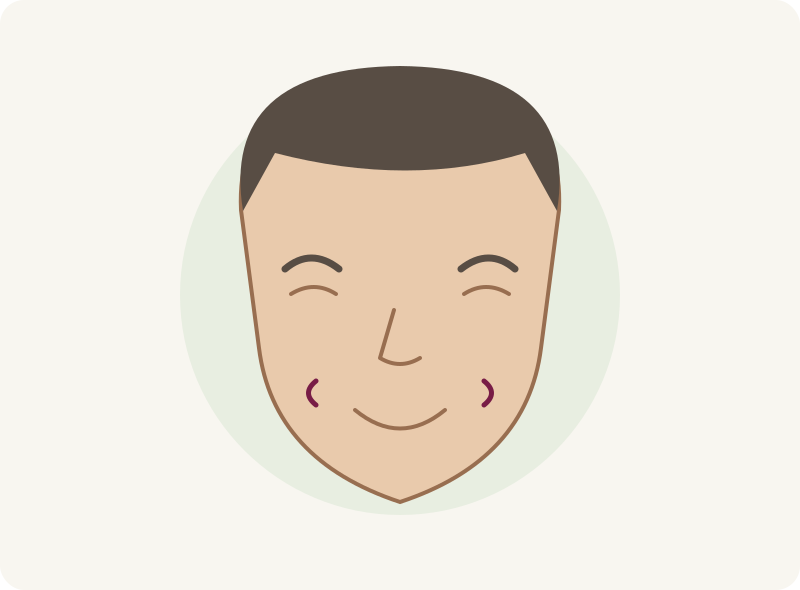
Two sides can be planned together, but facial movement and healing may differ. Matching depth is not guaranteed.
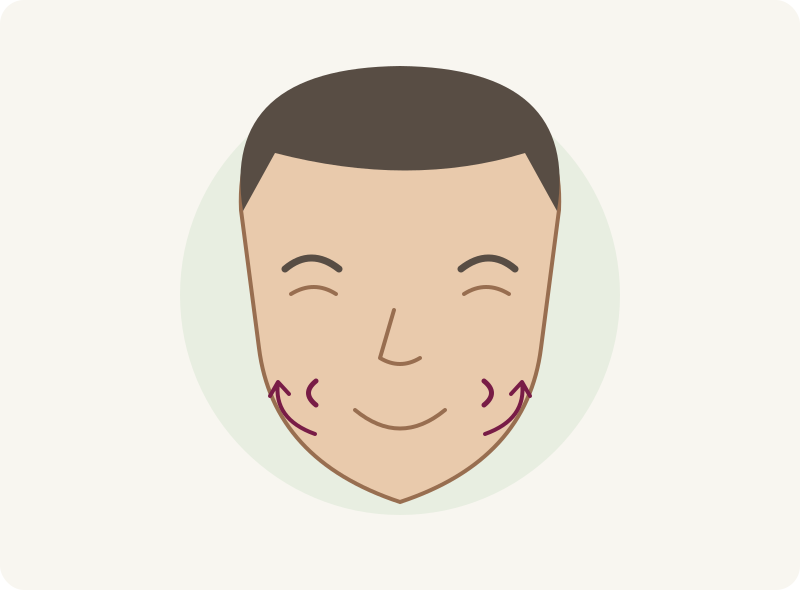
The surgeon should assess your resting face and smile. Position, depth and shape matter more than copying a point from a photograph.
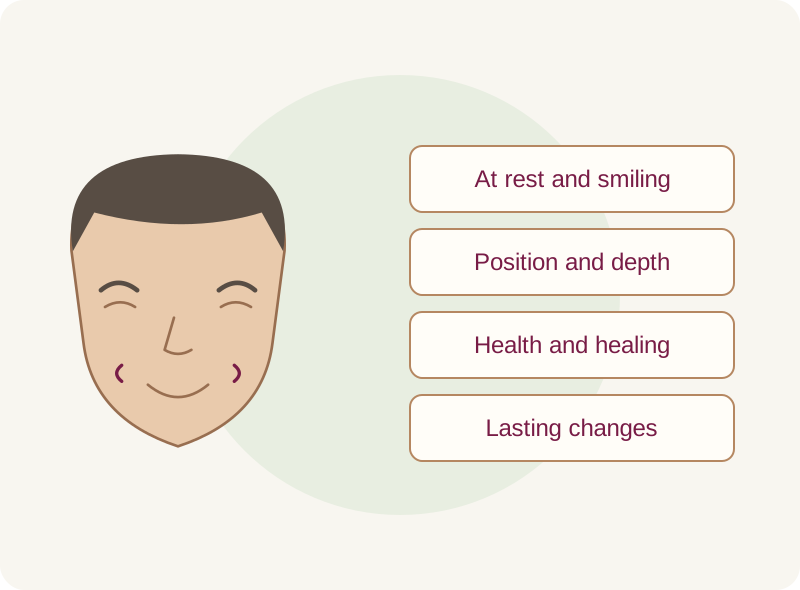
A healthy adult with realistic expectations may discuss surgery. Be comfortable with the possibility that the dimple looks different from the one you imagined.
Tell the surgeon about medicines, mouth or dental problems, nicotine use, facial procedures and a tendency to develop raised or keloid scars.
Some dimples fade or disappear; others remain more visible than wanted. Reversal or adjustment cannot promise a return to the original appearance.
The surgeon reviews cheek movement, skin, symmetry and health. Discuss whether one or both cheeks are involved and how the early appearance may differ from the settled result.
Ask about the technique, anaesthetic, scar location and follow-up. Follow the individual preparation plan, including clinician-led decisions about prescribed medicines.
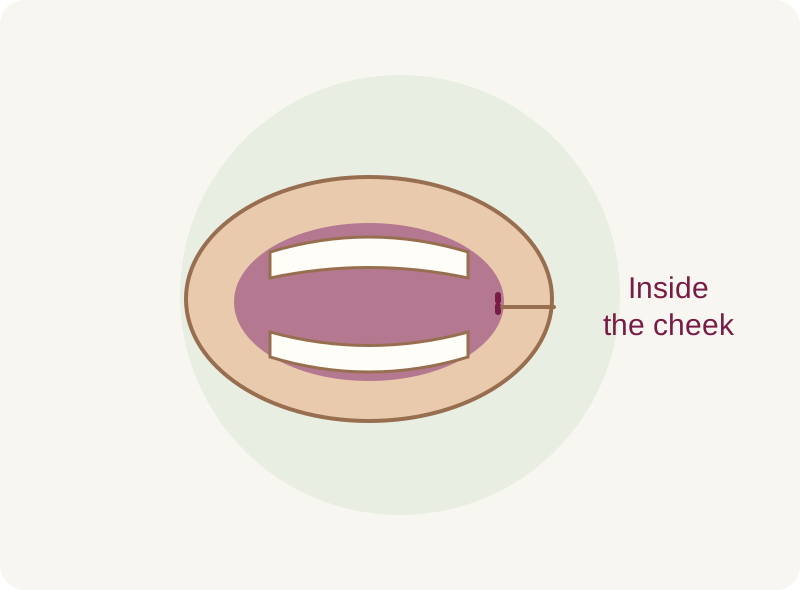
Local anaesthesia is commonly used. Depending on the method, the surgeon works through a small inner-cheek incision or a suture approach.
Selected tissue is attached to draw the skin inward. The surgeon checks the planned position and closes any incision as needed. The exact method affects healing and how long the dimple may remain.
Use the cleaning and food advice given by your team. Avoid pulling, pressing or repeatedly checking the new indentation, and take prescribed treatment as directed.
Report increasing pain or swelling, and attend follow-up to assess healing. Ask before massage, facial treatments or attempts to alter the dimple yourself.

Swelling and bruising can occur, and the indentation may initially be visible even without smiling. As the tissues settle, its depth and appearance can change. This process varies with the method and the individual.
Do not rely on a fixed date for a natural-looking or smile-only result. A dimple may soften, remain noticeable at rest, fade or disappear. Review the change with your surgeon before considering any adjustment.
A dimple may be too deep, too shallow, uneven or in an unwanted position. Fading, disappearance and revision are possible.
Bleeding, bruising, infection, inflammation around a stitch or an unwanted scar can occur. A small procedure still needs appropriate aftercare.
Facial nerve branches and a salivary duct lie near the area. Injury can affect movement or saliva flow and may need further care.
These Google reviews describe general consultations and care at Layers. They are not dimple-creation outcome reports.
“The doctors listened carefully to my concerns and explained the treatment in a clear and professional manner.”
Consultation experience; condition not specified.
“She explained the treatment clearly and made me feel comfortable throughout the consultation.”
Consultation experience; condition not specified.
“The doctor took the time to understand my skin concerns and explained the treatment plan clearly, without rushing.”
Consultation experience; condition not specified.
“Very patient ,humble and polite to answer every single query and build confidence.”
Consultation experience; condition not specified.
“The doctors explained everything clearly and made me feel comfortable and confident.”
Consultation experience; condition not specified.
“The doctor took the time to listen to my concerns patiently and explained the treatment options clearly.”
Consultation experience; condition not specified.
















Not necessarily. It may be visible at rest, especially early on. The settled appearance varies and cannot be guaranteed.
It can be lasting, but some dimples fade or disappear. Ask how the proposed technique affects durability and the chance of adjustment.
Some concerns can be treated, but scarring and tissue changes can remain. Do not choose the procedure on the assumption that it is fully reversible.
Many methods use inner-cheek access, while others involve small skin punctures. Ask about the exact approach and possible marks before surgery.
A photograph may help explain your preference. The final plan needs assessment of your own facial anatomy and smile, rather than copying someone else’s placement.
Ask about the surgeon’s relevant experience, the exact method, possible fading or excessive depth, oral aftercare and the plan for complications or revision.
Discuss placement, healing and the possible longer-term appearance before deciding.
Prefer a call? +91 9000 572727