Melanin is the natural pigment that determines the colour of our skin, hair, and eyes. Produced by specialised cells called melanocytes, it also helps protect the skin from some of the harmful effects of ultraviolet (UV) radiation. Genetics largely determines our natural melanin levels, but nutrition provides building blocks that support the body’s normal pigment-producing processes.
At Layers Clinics, we believe that understanding the link between nutrition, skin health, and hair pigmentation helps people make informed choices. No single food can guarantee more melanin or change a genetically determined skin tone. A balanced diet rich in vitamins, minerals, amino acids, and antioxidants can, however, support healthy skin and hair.
| Key Takeaway: Melanin-rich foods are best understood as nutrient-rich foods that support healthy hair and skin. Eggs, lentils, nuts, seeds, leafy greens, fish, and whole grains provide protein, copper, vitamins, and other essential nutrients that support normal body functions. However, no specific food has been proven to reliably increase melanin production, darken natural skin tone, or reverse age-related grey hair. For concerns about pigmentation, premature greying, or persistent hair loss, consult a qualified dermatologist for personalised, evidence-based guidance. |
What Is Melanin and Why Does It Matter?
Melanocytes, found mainly in the skin and hair follicles, produce melanin through a process called melanogenesis. The amount, type, and distribution of melanin shape our skin, hair, and eye colour. There are three main types:
- Eumelanin: brown and black pigmentation in skin and hair.
- Pheomelanin: red and yellow pigmentation.
- Neuromelanin: found in parts of the brain, and distinct from the pigment responsible for skin and hair colour.
Melanin production depends on genetics, age, hormones, UV exposure, and enzymes such as tyrosinase. Nutrients such as copper support these processes. The goal of nutrition is to support normal melanocyte function, not to push melanin beyond the body’s natural capacity. A nutritious diet also helps maintain the skin barrier, healthy hair follicles, and overall cellular function.
Can Foods Increase Melanin Production?
Many people search for foods that increase melanin because they want to keep their natural hair colour, support healthy-looking skin, or understand pigmentation changes. It helps to distinguish between foods that contain melanin and foods that provide nutrients involved in melanin production.
Most common foods are not meaningful direct sources of human melanin. They supply nutrients the body uses for pigment synthesis, antioxidant protection, and tissue maintenance. Tyrosine is an amino acid used in melanin synthesis, and copper is a cofactor for tyrosinase. A varied diet helps prevent deficiencies that could affect these processes.
No food has been proven to reliably raise melanin levels, darken naturally light skin, or reverse age-related grey hair. Nutrition is most useful when it corrects a genuine deficiency or supports overall health.
Top Melanin-Rich Foods for Hair and Skin Health
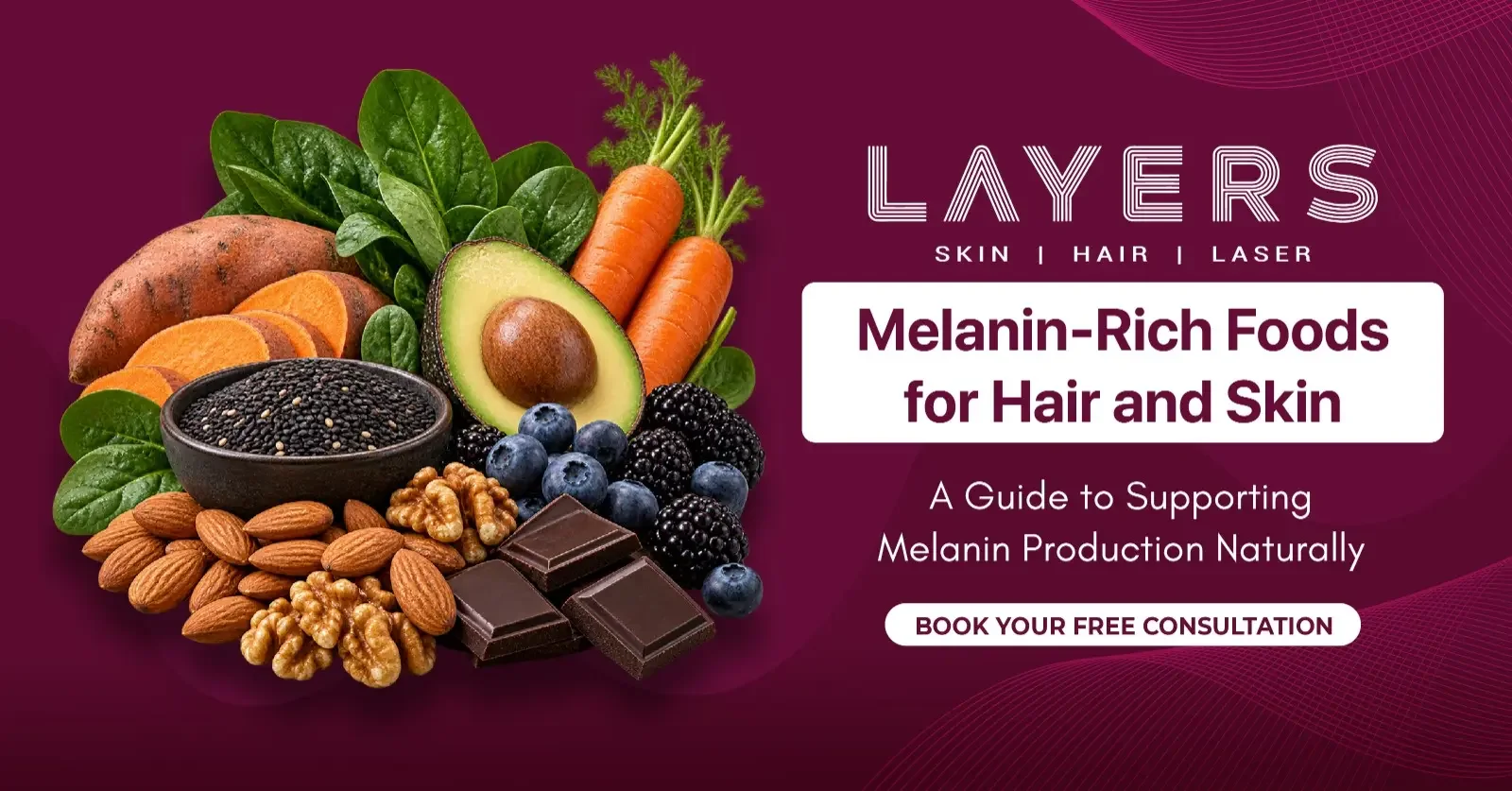
“Melanin-rich foods” is a popular search term, but these foods are better understood as nutrient-rich choices that support normal pigmentation pathways and healthy skin and hair.
1. Eggs. Eggs provide high-quality protein and tyrosine, which the body uses to make melanin and other compounds. Hair is made mainly of keratin, a structural protein, so adequate protein matters for hair and skin repair. Eggs also supply vitamin B12 and selenium. Enjoy them boiled, scrambled, or in vegetable omelettes. Vegetarians and vegans can get protein and tyrosine from soy, beans, lentils, nuts, and seeds.
2. Almonds and other nuts. Nuts provide healthy fats, protein, and minerals. Almonds are rich in vitamin E, an antioxidant that protects cells from oxidative damage. Nuts also contain copper, which supports tyrosinase activity, although eating more copper does not automatically raise melanin when intake is already adequate. Add a small handful of unsalted nuts to breakfast, yoghurt, or salads, and vary the types you eat.
3. Pumpkin seeds. These offer protein, healthy fats, zinc, iron, and copper. Zinc supports protein synthesis, wound healing, and skin health, while iron is vital for oxygen transport, and low iron can contribute to hair shedding. Excess zinc or copper supplements can be harmful, so avoid them without evidence of a deficiency. Sprinkle seeds over salads, porridge, or soups.
4. Lentils and beans. Dal, chickpeas, kidney beans, and other legumes are excellent plant protein sources that also supply iron and folate. They do not directly darken hair or skin, but they support the nutritional needs of healthy tissue. Pair them with vitamin C-rich foods such as tomatoes, lemon, or capsicum to improve absorption of non-haem iron.
5. Dark leafy greens. Spinach, amaranth, and fenugreek leaves provide folate, carotenoids, vitamin K, and some iron. Their antioxidants help defend against oxidative stress. Although often listed among foods that support melanin production, there is no strong clinical evidence that greens increase melanin or change natural skin colour. Add them to dals, omelettes, curries, and soups.
6. Carrots and sweet potatoes. Both contain beta-carotene, which the body converts to vitamin A as needed. Vitamin A supports normal skin cell development. Beta-carotene is not melanin, and it does not stimulate melanin production. The skin colour changes seen with excessive beta-carotene intake differ from melanin pigmentation.
7. Citrus fruits, guava, and amla. Rich in vitamin C, these support collagen formation and skin maintenance, act as antioxidants, and improve non-haem iron absorption. Vitamin C is not a proven dietary way to increase melanin, though topical vitamin C is sometimes used in skincare to improve the look of uneven pigmentation. Choose whole fruit over sugary juices.
8. Fish. Salmon, sardines, and other oily fish provide protein, omega-3 fatty acids, and vitamin B12. Protein supports hair and skin structure, B12 supports red blood cell formation and nervous system function, and omega-3s contribute to cell membrane structure. Fish does not directly increase melanin, but it supports overall health. Grilled, baked, or steamed preparations work well. Non-fish eaters can rely on legumes, dairy, eggs, and soy.
9. Whole grains. Oats, brown rice, whole wheat, and millets provide carbohydrates, fibre, B vitamins, and minerals. They are not melanin-producing foods, but they help build balanced meals that keep tissues healthy.
10. Mushrooms. Mushrooms supply B vitamins and minerals, and those exposed to UV light can provide vitamin D. The relationship between vitamin D and pigmentation is complex, and mushrooms should not be viewed as a treatment for pigmentation disorders.
Important Nutrients Involved in Melanin Production
Focusing on nutrients rather than individual foods gives a more accurate basis for dietary choices.
Tyrosine. This amino acid is part of the biochemical pathway that produces melanin, which tyrosinase helps initiate. It comes from dairy, eggs, soy, legumes, nuts, seeds, and fish, and the body can also make it from phenylalanine. Most healthy people who eat enough protein do not need tyrosine supplements, and there is insufficient evidence that very high intakes increase pigmentation.
Copper. Essential for tyrosinase and other enzymes, copper is found in nuts, seeds, legumes, whole grains, and some shellfish. A balanced diet usually provides enough. Copper supplements should never be taken just to darken hair or skin, since excess copper can be toxic.
Iron. Iron does not directly affect melanin, but low iron stores can contribute to hair shedding. Menstruation, poor dietary intake, and some gastrointestinal conditions raise the risk of deficiency. Good sources include lentils, beans, tofu, leafy greens, meat, and seafood. Persistent shedding warrants a professional assessment.
Vitamin B12 and folate. Both are important for DNA synthesis and red blood cell formation, and deficiencies may sometimes be associated with hair or skin changes. B12 comes mainly from animal foods, so vegans generally need fortified foods or supplements. Folate is found in leafy greens and legumes. Neither is a guaranteed treatment for premature greying, but testing and treatment are appropriate when deficiency is suspected.
Antioxidants. Vitamins C and E and carotenoids help protect cells from oxidative damage. Fruits, vegetables, nuts, seeds, and whole grains supply them. Oxidative stress is one of several factors studied in hair ageing, but current evidence does not show that antioxidant-rich foods can reliably prevent or reverse grey hair. They also do not replace sun protection.
How to Increase Melanin Naturally: Practical and Evidence-Based Guidance
Melanin production is primarily controlled by genetics and biological signalling, and diet cannot reliably override these. These steps can help support healthy skin and hair:
- Eat enough protein from eggs, dairy, legumes, soy, or fish.
- Include mineral-rich foods such as nuts, seeds, beans, and whole grains.
- Eat a variety of fruits and vegetables in different colours.
- Address deficiencies. For unexplained shedding, premature greying, or pigment changes, ask a healthcare professional about testing.
- Protect your skin from UV. Use broad-spectrum sunscreen, protective clothing, and shade rather than deliberately seeking sun to boost melanin.
- Keep a sustainable routine with adequate sleep, balanced meals, and gentle skincare.
How to Increase Melanin in the Face and Body
People cannot safely or predictably increase facial or body melanin through diet. If you are concerned about uneven tone or dark spots, the first step is identifying the cause, which may be sun exposure, post-inflammatory hyperpigmentation, hormonal changes, melasma, or another skin condition. A dermatologist can recommend a personalised routine that includes sun protection and, where suitable, ingredients targeting uneven pigmentation. Lighter patches may have a different cause, such as vitiligo, which involves loss of pigment-producing cells or their function. Dietary changes alone are not an established treatment.
How to Increase Melanin for Hair and Maintain Natural Hair Colour
Hair colour depends on melanin made by melanocytes in the follicles, and pigment production naturally declines with age, producing grey or white strands. Genetics and ageing are the major influences, though certain medical conditions and nutritional deficiencies may contribute to premature greying. A nutrient-rich diet supports healthy growth, but there is no convincing evidence that any food restores pigment to hair that has already greyed. If greying is unusually early or comes with other symptoms, a professional may check for vitamin B12 deficiency or thyroid problems.
Foods Containing Melanin: What Does the Science Say?
Claims that dark-coloured foods raise melanin in human skin or hair need careful interpretation. A food’s colour does not mean it contains human melanin or can stimulate melanocytes. Black sesame seeds, black beans, blueberries, and dark leafy vegetables contain plant pigments and useful nutrients, but these are not equivalent to the melanin made by human cells. Carotenoids can tint tissues yellow-orange, but they are chemically distinct from melanin. It is more accurate to choose foods for their nutritional value than to classify them as melanin sources.
A Simple Daily Diet Plan for Healthy Hair and Skin
- Breakfast: oats with milk or fortified plant milk, almonds, and fruit; or eggs with whole-grain toast and vegetables.
- Mid-morning: guava, orange, or another fresh fruit.
- Lunch: whole-wheat chapati or brown rice with dal, leafy vegetables, and yoghurt or another protein.
- Evening snack: pumpkin seeds, nuts, roasted chickpeas, or unsweetened yoghurt.
- Dinner: fish, tofu, beans, or paneer with vegetables and a whole grain.
- Hydration: drink water according to thirst, activity, and climate.
This is a general example, not an individual prescription. Needs vary with age, activity, preferences, and medical conditions.
Common Myths About Melanin-Rich Foods
- “Dark-coloured foods darken the skin.” Black beans, berries, and black sesame contain plant compounds, not human melanin. Food colour does not determine skin pigmentation.
- “Copper supplements restore black hair.” Copper is needed for tyrosinase, but extra copper when status is adequate has not been shown to reverse greying, and unnecessary supplementation can cause harm.
- “Carrots and sweet potatoes increase melanin.” They provide beta-carotene for vitamin A nutrition, not melanin.
- “Sun exposure is the best way to increase melanin.” UV can cause tanning, but it also damages skin and raises the risk of premature ageing and skin cancer.
- “A special diet cures vitiligo or all pigmentation problems.” Pigmentation disorders have varied causes and may need specific medical treatment. Diet supports general health but does not replace diagnosis and dermatological care.
When Should You Consult a Dermatologist?
Consider seeing a dermatologist if you notice:
- Sudden or rapidly spreading light or dark patches
- New pigmentation that changes or keeps worsening
- Premature greying with other unexplained symptoms
- Persistent hair shedding, thinning, or texture changes
- Pigmentation that follows inflammation, medication use, or another skin problem
- A suspected nutritional deficiency, or a wish to start high-dose supplements
A dermatologist can examine the skin or scalp, identify likely causes, and recommend investigations or treatment. At Layers Clinics, a professional assessment can help distinguish normal pigmentation variation from conditions that may benefit from medical care, with recommendations based on your skin concerns, medical history, and clinical findings.
Frequently Asked Questions About Melanin-Rich Foods
1. Which foods are best for melanin production?
Foods containing protein, copper, and other essential nutrients can support normal biological processes involved in pigmentation. Examples include eggs, legumes, nuts, seeds, whole grains, and fish. However, no specific food has been proven to reliably increase melanin levels beyond the body’s natural regulation.
2. Which fruits increase melanin in the skin?
No fruit has been established as a reliable way to increase skin melanin. Guava, oranges, amla, berries, and other fruits provide vitamins and antioxidants that support general skin health.
3. Can foods increase melanin in the hair?
A balanced diet can help prevent nutritional deficiencies that may affect hair health. However, there is no convincing evidence that particular foods can reliably increase hair pigmentation or reverse age-related greying.
4. Does drinking milk increase melanin?
Milk provides protein, vitamin B12, and other nutrients, depending on the product. It can contribute to a balanced diet, but there is no established evidence that drinking milk directly increases melanin production.
5. Can melanin levels be increased naturally in the face?
Diet cannot reliably increase facial melanin or selectively darken the face. If you are concerned about pigmentation, a dermatologist can assess the cause and recommend appropriate care.
6. Do black sesame seeds increase melanin?
Black sesame seeds contain healthy fats, protein, and minerals, including copper. They can contribute to a nutritious diet, but they have not been proven to increase human melanin production or reverse grey hair.
7. Can vitamin deficiencies cause changes in hair pigmentation?
Some nutritional deficiencies may be associated with hair changes, including premature greying in certain circumstances. However, most age-related greying is influenced by genetics and ageing. Medical assessment can help determine whether a deficiency or another condition is involved.
8. Is it possible to increase melanin without sunlight?
Melanin is produced naturally by melanocytes, and its regulation is influenced by genetics and biological signalling. You do not need deliberate UV exposure to maintain normal pigmentation. Protecting the skin from excessive UV radiation remains important for long-term skin health.
Conclusion
Melanin is essential to natural skin and hair colour, but the link between diet and pigmentation is more nuanced than many online claims suggest. Foods rich in protein, copper, vitamins, minerals, and antioxidants support normal cellular function, healthy hair growth, and skin maintenance. They should not be presented as direct sources of human melanin or guaranteed ways to increase pigmentation.
At Layers Clinics, we encourage a balanced approach: sound nutrition, sensible sun protection, and professional dermatological guidance when pigmentation or hair changes become a concern. Support your overall health, identify any underlying deficiencies or skin conditions, and choose evidence-based care over unproven dietary remedies.
The best approach to melanin-related concerns is to support your overall health, identify any underlying deficiencies or skin conditions, and choose evidence-based care rather than relying on unproven dietary remedies.