Cleansing and exfoliation
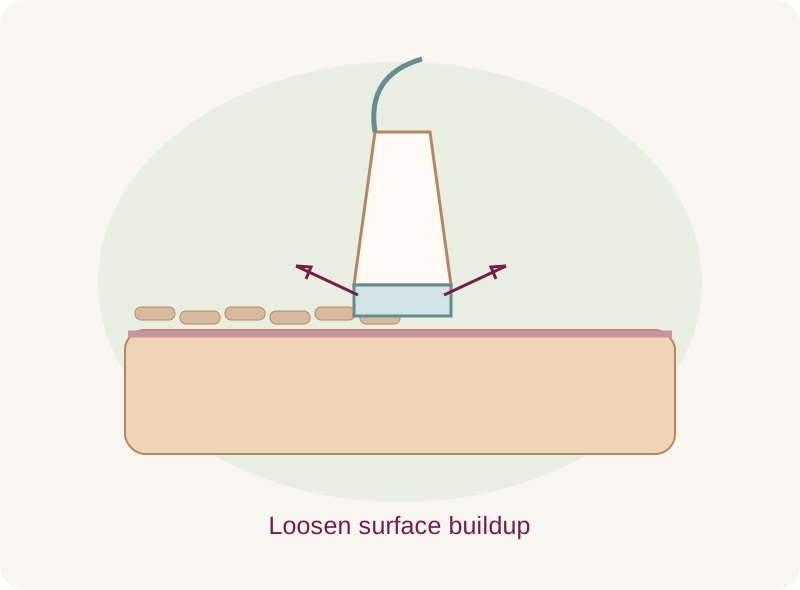
Surface cleansing and exfoliation prepare the skin. A selected peel may be included, depending on the treatment and your sensitivity.
A facial treatment that brings cleansing, exfoliation and hydration together. Explore what each step does and how the care is chosen for your skin.
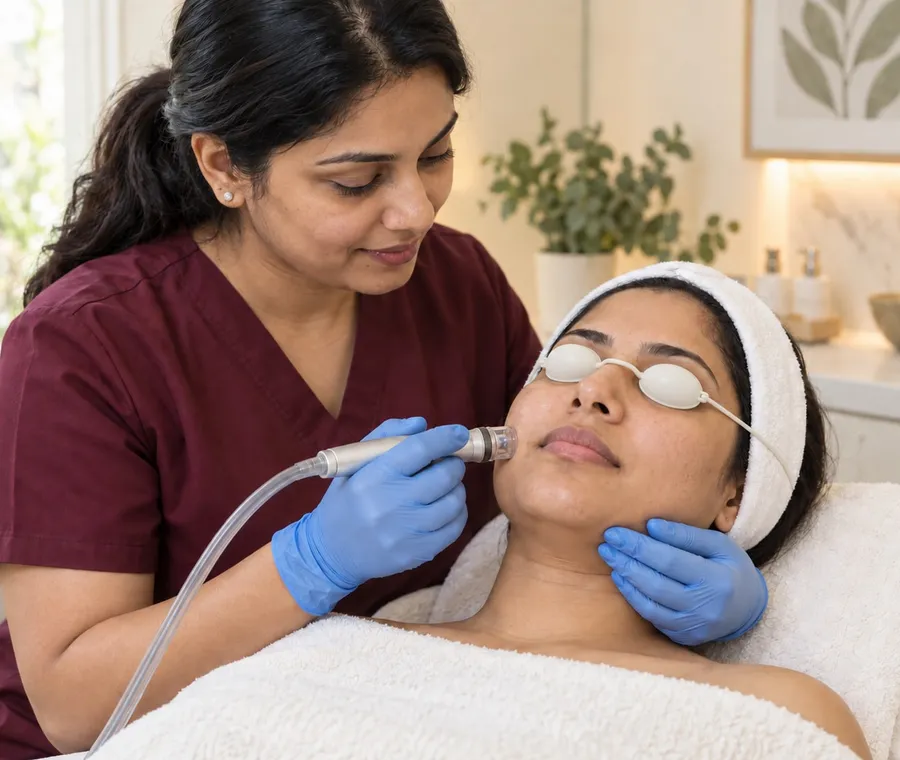
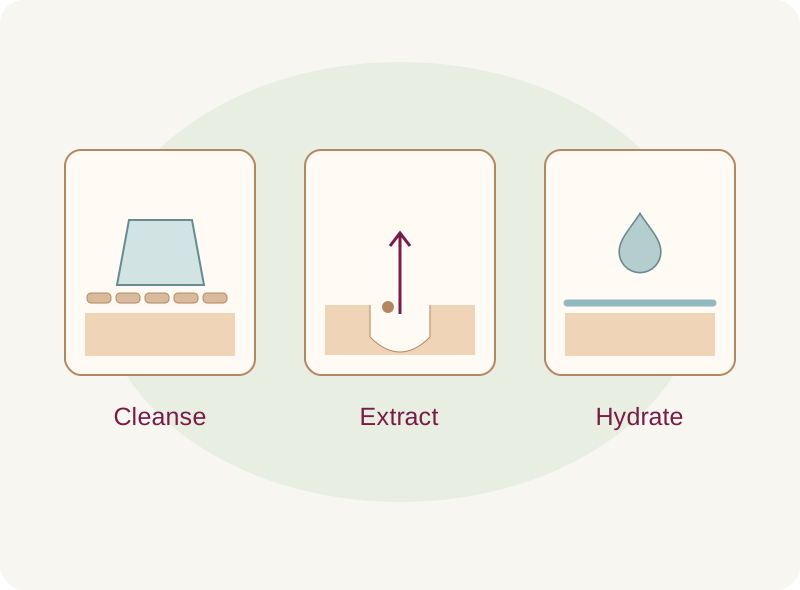
Hydrafacial uses a treatment tip, fluid and suction to work across the skin’s surface. It loosens dead surface cells, helps clear pore congestion and applies selected hydrating solutions.
The aim is smoother-feeling, refreshed-looking skin. Your skin assessment guides the products, settings and any additional steps. A facial does not replace care for an ongoing skin condition.
Surface cleansing and exfoliation prepare the skin. A selected peel may be included, depending on the treatment and your sensitivity.
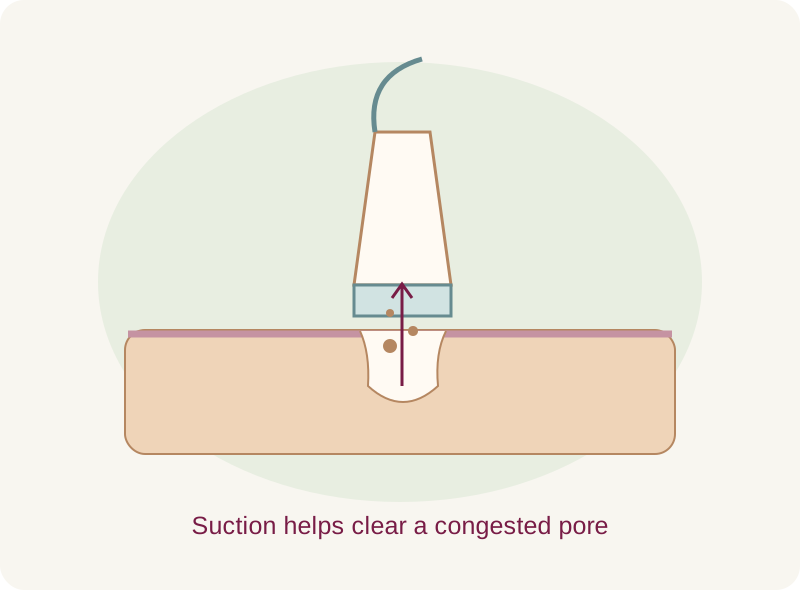
The handpiece helps draw out pore debris without manual squeezing. Fragile or inflamed areas need a different approach.
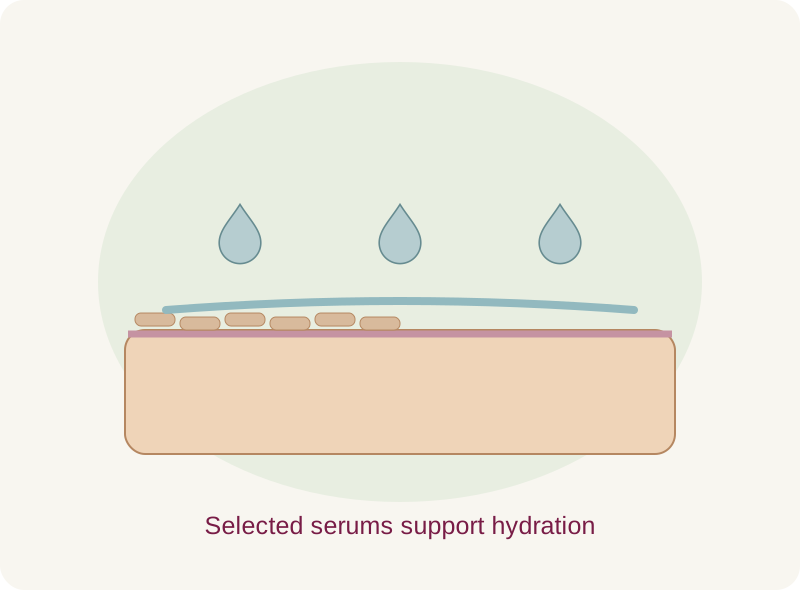
Selected serums and finishing products support hydration. Boosters, light therapy or other additions depend on the plan you agree.
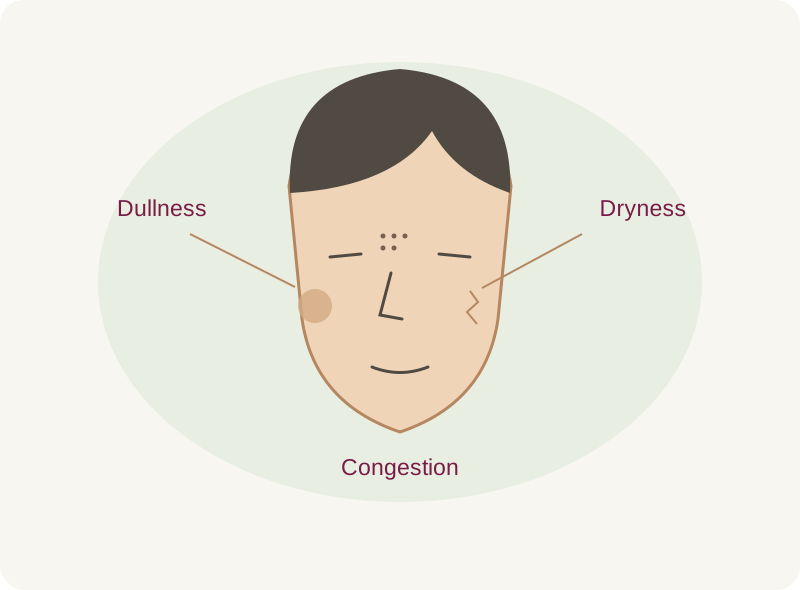
Surface buildup can affect how smooth and fresh the skin feels. Exfoliation may help when the skin barrier can tolerate it.
Blackheads and blocked pores may benefit from suitable extraction. Painful, inflamed breakouts need medical assessment first.
Hydrating care may improve skin comfort. Persistent redness, flaking or irritation may need a different treatment.
Tell us about active skin problems, cold sores, allergies, pregnancy, breastfeeding, medicines and recent procedures. Treatment may need to be adapted or postponed.
Bring the names of your skincare products and medicines. Mention recent peels, injections, laser treatment or unusual sensitivity.
Discuss the device, solutions, optional additions and expected appointment length. The team explains preparation and which areas to avoid.
The practitioner cleanses the skin and moves the treatment tip across appropriate areas, adjusting the plan for your skin.
You may notice suction or mild tingling. Tell the practitioner if anything burns, stings strongly or feels painful.
The agreed hydrating products and sun protection complete the session. Ask when you can resume your usual routine.
Temporary redness, tightness or irritation can occur. Follow advice about makeup, exfoliating products and other treatments.
Use the recommended moisturiser and sunscreen. Contact the clinic if irritation is worsening or lasts longer than expected.
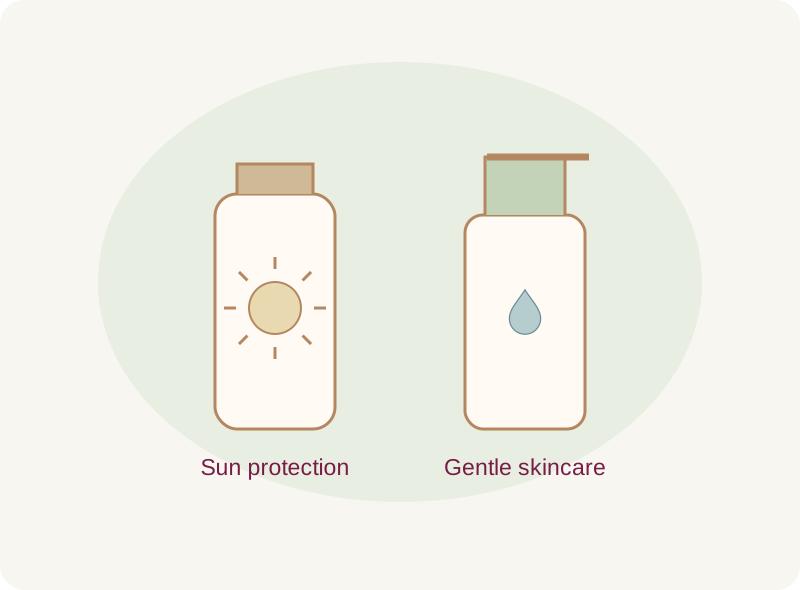
You may notice smoother texture or a more hydrated feel after treatment. The response and how long it lasts depend on your skin and the care you continue at home.
Facials do not permanently shrink pores or erase deep scars. Repeat visits should have a clear purpose, with your skin response guiding the timing.
Regular gentle cleansing, moisturising and sun protection support day-to-day skin care.
Ongoing acne, dark patches or scarring may need a separate diagnosis and treatment plan.
Google review excerpts that mention Hydrafacial at Layers. Some describe other treatments during the same course of care.
“The HydraFacial was absolutely worth the money—it left my skin feeling fresh, hydrated, and glowing from the very first session.”
“layers HSR was fantastic with my hydra facial. They informed me about the treatment at every step and made the process very smooth.”
“I had a great experience with this hydra facial treatment. Special thanks to Devi for her excellent service.”
“Overall experience was very nice at reasonable cost.”
“I had hydra facial at layers. The service was good and people are helpful. Hoping to visit again”
“I recently underwent a hair therapy and took hydra facial, and I’m really happy with the results.”
“I took Q-switch laser and HydraFacial sessions, and I can already see improvement.”
Combined Q-switch and Hydrafacial care.
















It uses a device-based combination of fluid, exfoliation, suction and hydrating solutions. Other facials may use different products and manual steps. Ask what is included in your appointment.
No. These can be optional additions. The treatment selected and your skin assessment determine whether they are appropriate.
Pore congestion and active inflamed acne need different care. Do not treat over open lesions or an active infection; have painful or persistent acne assessed first.
It may improve the look of surface texture, but persistent pigment and deep scars need a separate assessment. A facial is not a substitute for those treatments.
Many people resume normal activities soon, but temporary redness, sensitivity or tightness can occur. Your team will explain what to expect for your skin.
There is no single schedule for everyone. Discuss your goals and review the response before deciding whether another session would be useful.
Allow time for your skin to settle, especially if this is your first session. Tell the team your event date and any history of reactions.
Sensitivity needs assessment before treatment. Share your triggers and product allergies; a gentler plan, different care or postponement may be more suitable.
Bring your questions and skincare routine. We’ll help you understand your options.
Prefer a call? +91 9000 572727