Brown pigmentation
Pigment may run in families or increase after sun exposure, rubbing or a skin rash. It often looks brown rather than simply shaded.
Darkness under the eyes can come from skin colour, visible vessels or shadows. Find out what may help your concern before choosing a treatment.

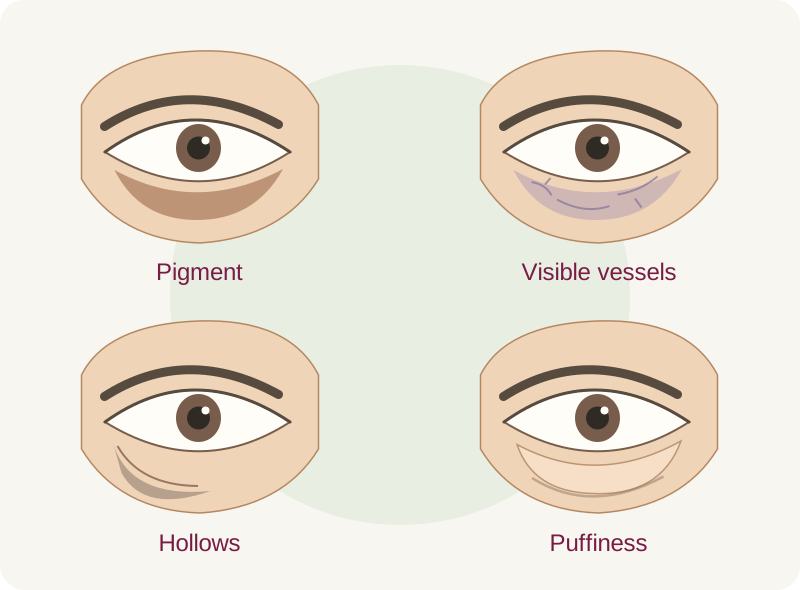
Dark circles describe a darker appearance beneath the eyes. They are common, and several features can contribute at the same time.
A cream that helps pigment will not fill a hollow. A treatment for a hollow will not necessarily change skin colour. An examination helps separate these causes.
Pigment may run in families or increase after sun exposure, rubbing or a skin rash. It often looks brown rather than simply shaded.
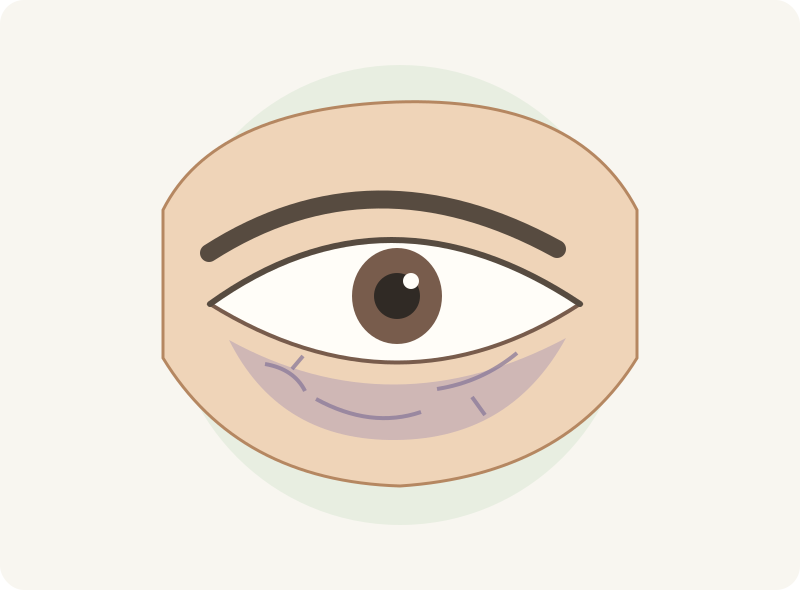
Thin skin can allow vessels underneath to show through. This may give the area a blue or purple tone.

A dip between the lower eyelid and cheek can create a shadow. Its appearance may change noticeably with lighting.

Swelling or a fuller lower eyelid can create shadows beneath it. Persistent bags and temporary puffiness are not always managed in the same way.
Scratching, harsh cleansers and fragranced eye products can irritate delicate eyelid skin. Bring the products you use to your appointment, especially if the area itches or flakes.
Use sunglasses and suitable sun protection. Choose products your skin tolerates and keep them out of your eyes.
Regular sleep and hydration may help a tired or puffy appearance, but cannot remove inherited pigment or a structural hollow. Concealer is also an option if you want temporary coverage.
Treating an itchy rash and avoiding its triggers may come first. A clinician can then consider a suitable pigment cream; stronger is not always better near the eyes.
Explore eczema careSelected superficial peels may help some pigment concerns. The delicate eye area needs professional product selection and protection; irritation can worsen dark marks.
Understand peelsA laser may be considered for a selected colour or skin concern. Device choice, skin tone and eye protection matter. Not every facial laser is suitable around the eyes.
Understand pigment lasersSome hollows may be suitable for carefully planned filler. It can add volume, but does not treat all dark circles and may worsen puffiness. This area needs particular caution.
Understand fillers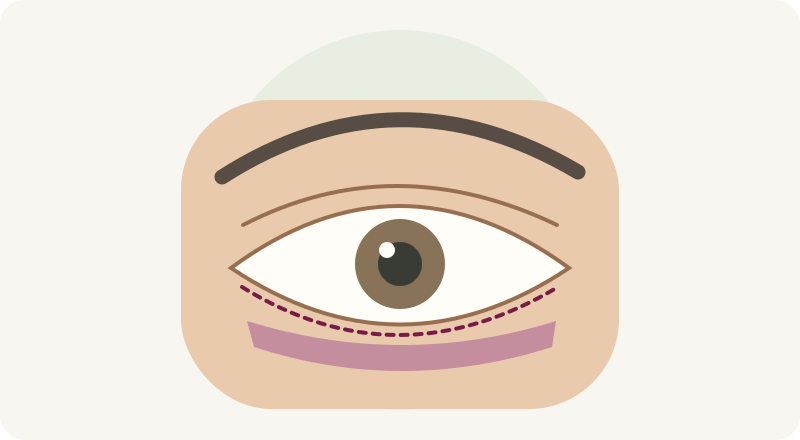
Persistent bags or loose eyelid skin may need a surgical assessment. Blepharoplasty addresses selected tissue and support; it does not remove every cause of dark circles.
Explore eyelid surgery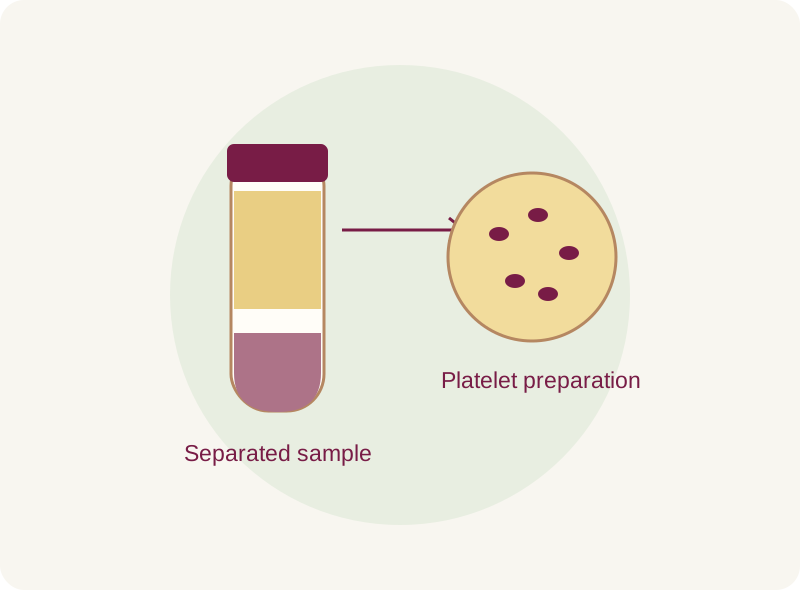
PRP uses a platelet preparation from your own blood. Small clinical studies have explored it for under-eye pigmentation and skin quality. Improvement is variable; it is not a replacement for filler in every hollow.
Mesotherapy describes small injections into skin. The ingredients differ between products, so the name alone does not tell you what you will receive. Ask what is being proposed, why it suits your concern and what evidence supports it.
These treatments can cause pain, bruising and swelling. Confirm the exact method, possible reactions and follow-up before deciding.
Several causes may need a staged plan. More procedures do not automatically mean a better result; review the response before adding another treatment.
Discuss when it began, whether it changes during the day, and any itching, swelling or allergy symptoms.
Mention skin products, medicines, previous eye procedures and filler. The examination checks pigment, skin condition, eyelid shape and hollows.
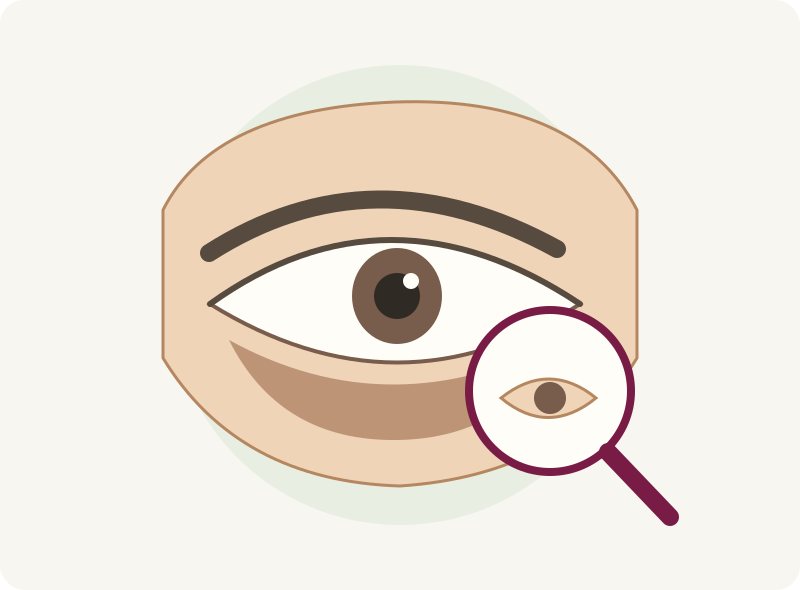
Discuss the likely improvement and alternatives, including skin care alone. Persistent eyelid bags may need an eye or eyelid specialist rather than a pigment treatment.
If a procedure is appropriate, confirm the product or device, preparation, costs, recovery and risks. There is no single session count for every cause.
Advice differs for creams, peels, lasers and injections. Know what reactions to expect and how to contact the clinic.
Review changes in similar lighting after the agreed interval. Early swelling or a brighter photograph can give a misleading impression.

Pigment care is usually gradual. Volume treatments may look different early on because of swelling. Your review timing should match the treatment.
Redness, peeling, bruising or swelling may occur. Pigment changes, infection and other complications are possible; ask about risks for your skin and the chosen procedure.
Lasers need appropriate eye protection. Filler can rarely block a blood vessel and cause tissue damage or blindness. Any vision change or unusual severe pain after treatment needs immediate medical attention.
Original pigmentation and skin clarity before-and-after photographs from Layers Clinics. These photographs show overall facial pigment care. Individual results vary.
Showing all 6 photographs
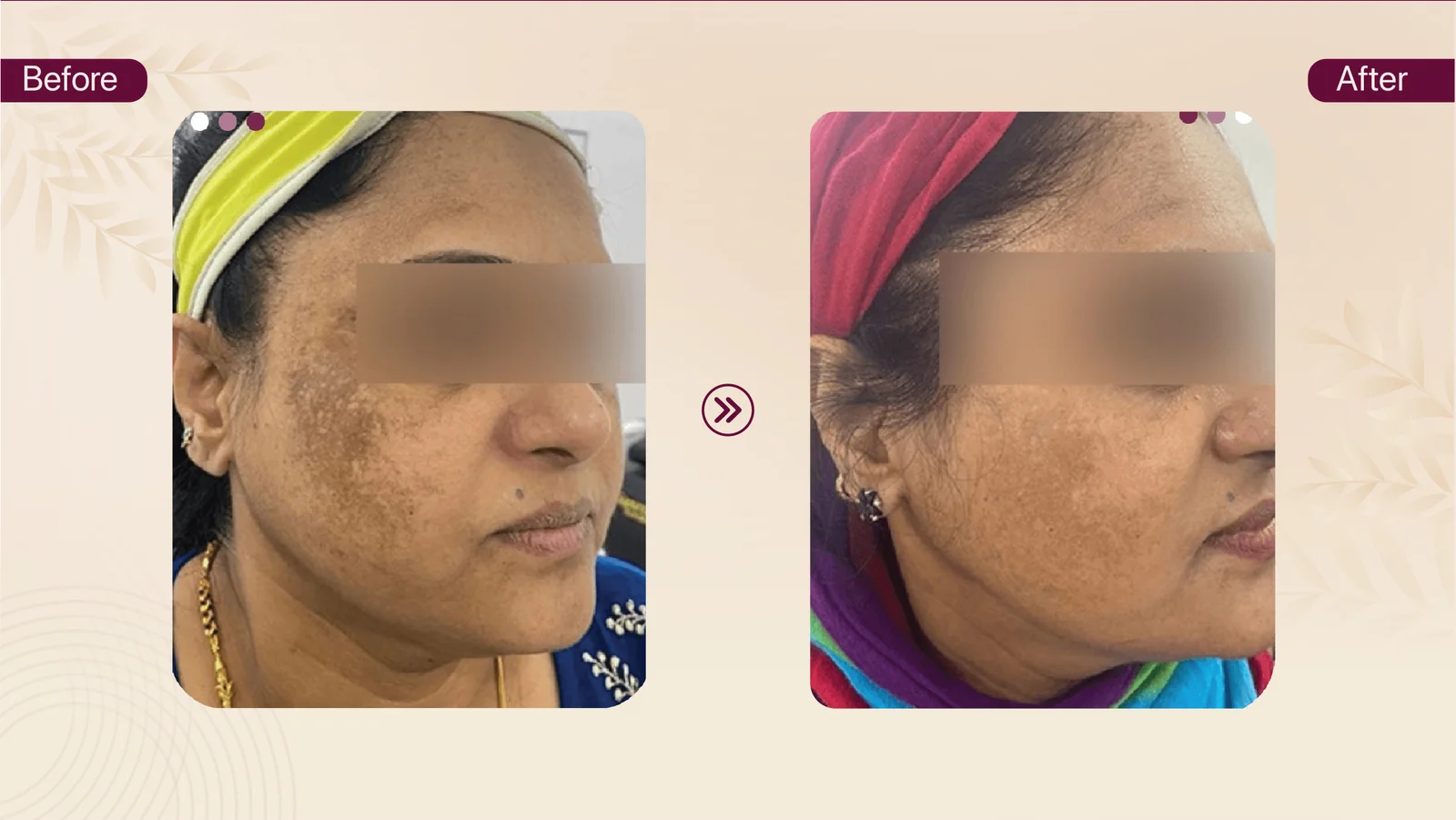
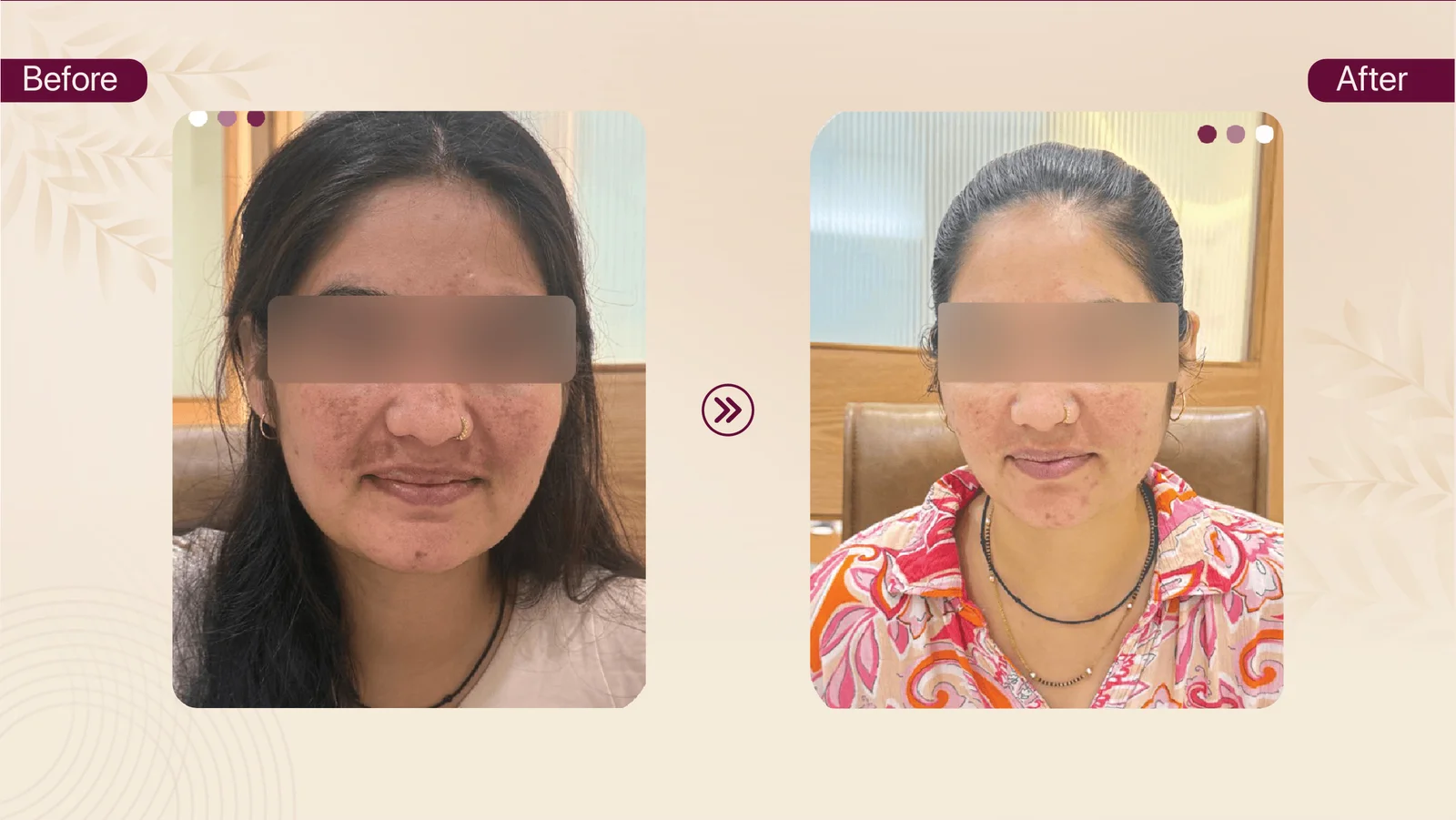
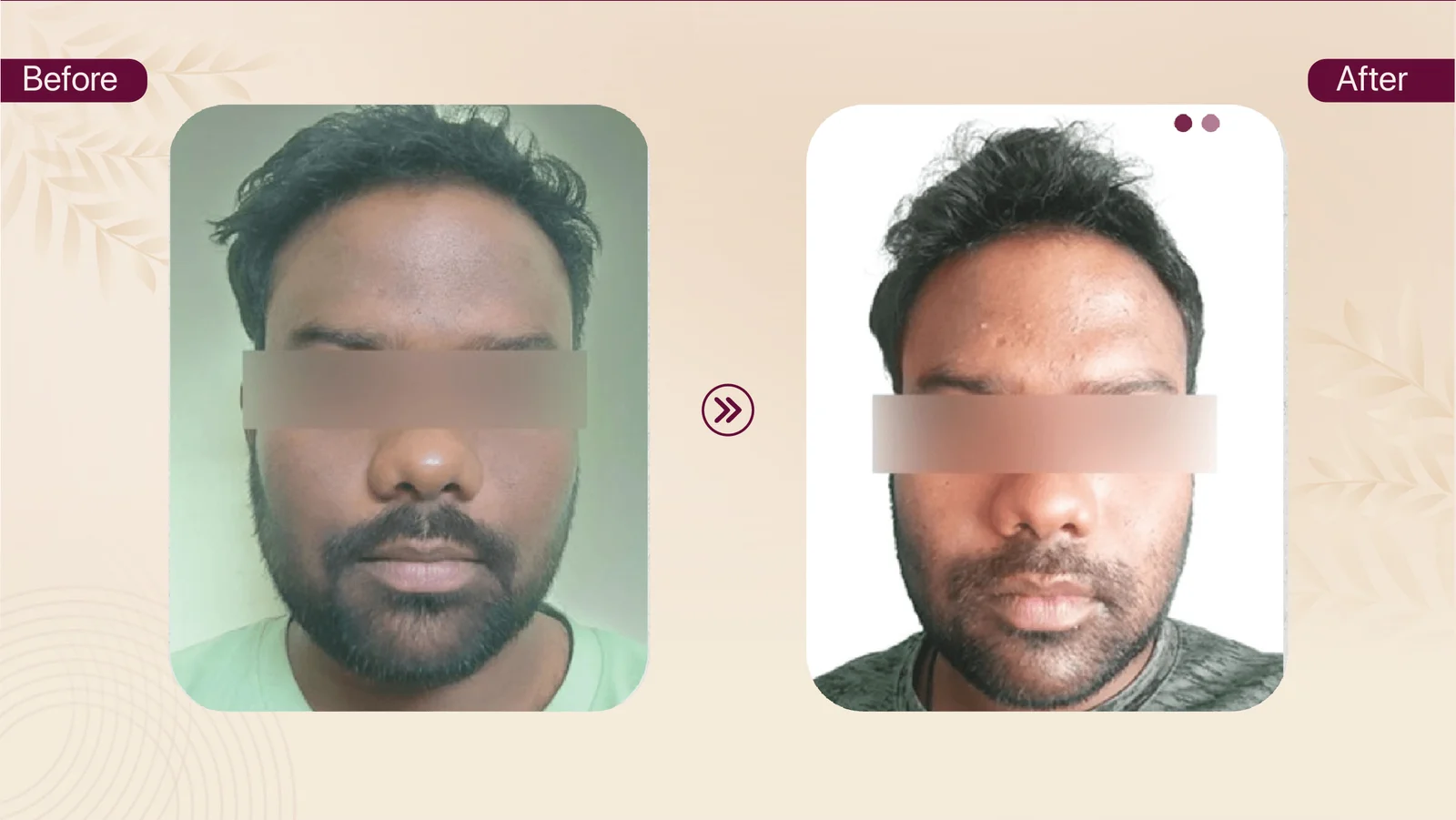
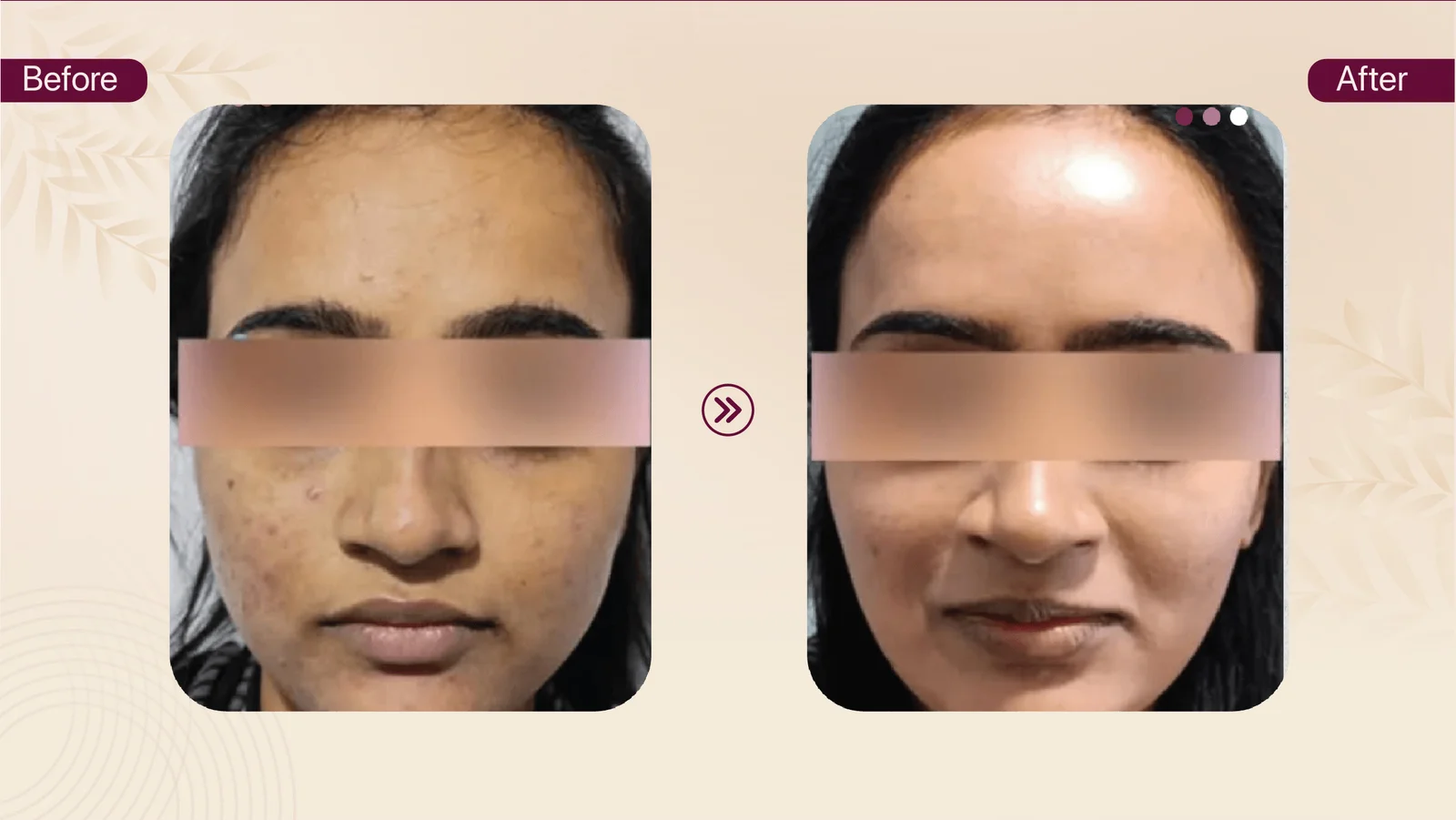
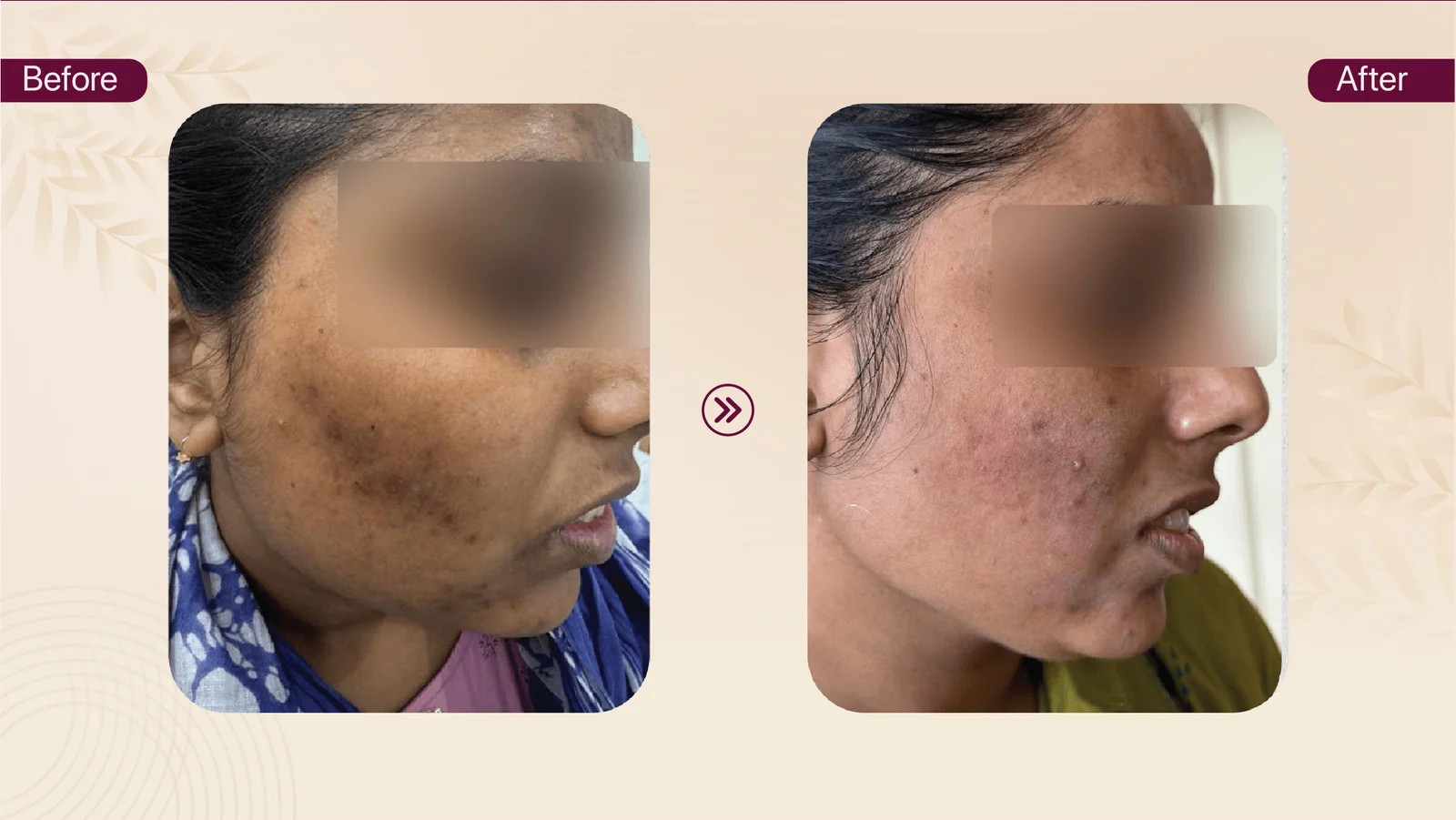
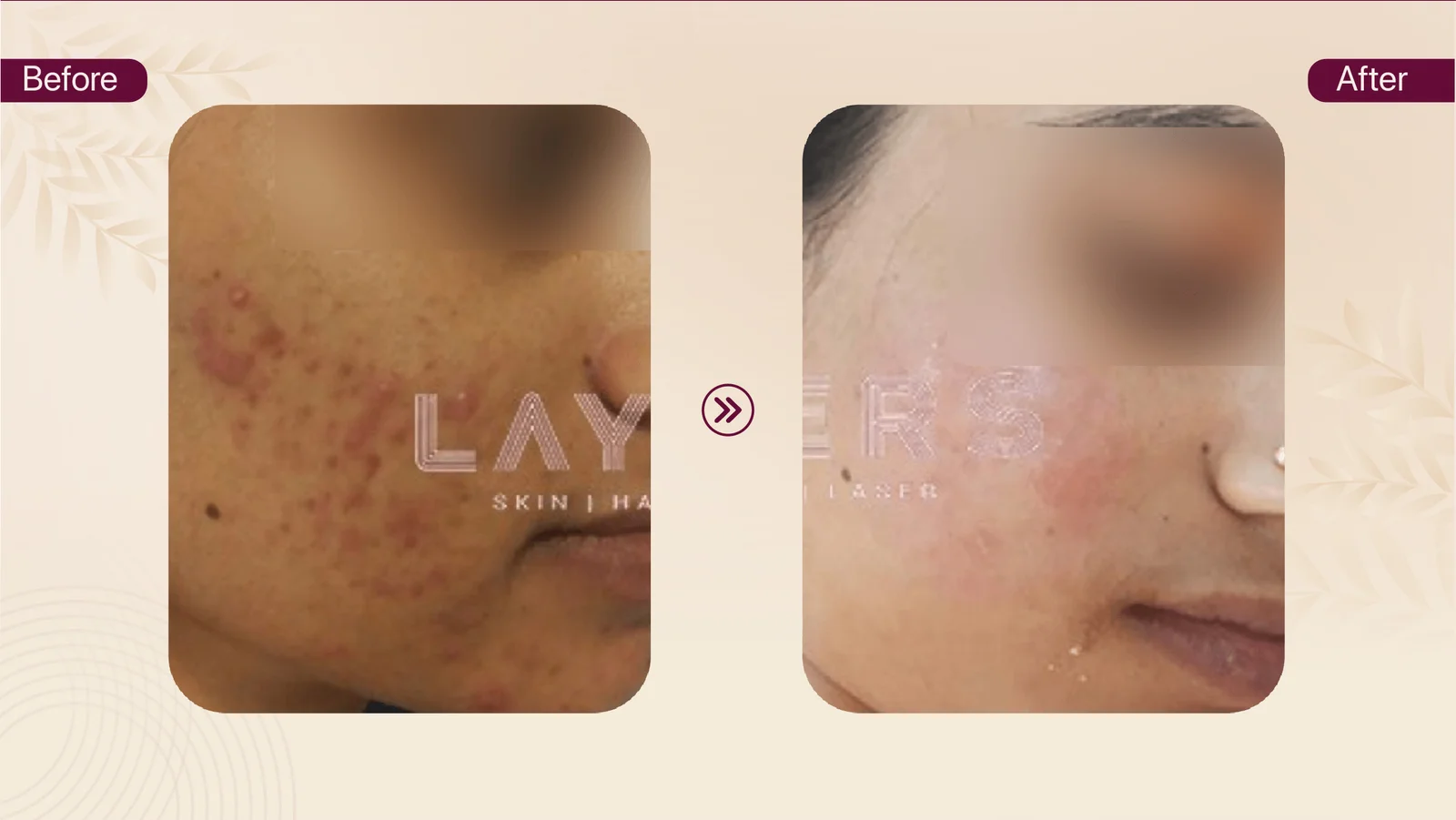
Individual results vary. These photographs show specific cases, not guaranteed outcomes. Original image quality, lighting and angles may differ. Your doctor can explain what may be possible for you.
An under-eye pigmentation review and related pigmentation-care excerpts from Google. They describe individual experiences, not results for every type of dark circle.
“doctor have been suggested peels I can see good results in 2sessions I completed my 4 session”
Peels for under-eye pigmentation.
“I have been taking Q-switch laser treatment for my pigmentation cure. And it is working good. I have started getting results.”
Related pigmentation care; under-eye area not specified.
“I took Q-switch laser and HydraFacial sessions, and I can already see improvement.”
Related pigmentation care; under-eye area not specified.
“Had a peel in layers for my pigmentation. Results are really satisfactory”
Related pigmentation care; under-eye area not specified.
“I recently visited kakinada layers. so I consult about pigmentation it's very good I got very good results thank you layars”
Related pigmentation care; under-eye area not specified.
“Visited here for my pigmentation problem, I found quit good results in 3 sessions hope for more better results”
Related pigmentation care; under-eye area not specified.
















No. Family traits, skin pigment, thin skin, hollows, puffiness and irritation can all contribute. Sleep can affect appearance without being the main cause.
A cream cannot replace lost volume or change the shape of the eyelid. It may help dryness or selected pigment concerns, depending on its ingredients and your skin.
Only some hollows are suitable. Pigmentation, visible vessels, puffiness and loose skin need separate consideration. An eyelid assessment is important before adding volume.
Complete or permanent removal cannot be promised. Inherited features and ageing remain, and pigment can return. The aim is a realistic improvement with suitable ongoing care.
That depends on the cause and selected treatment. Ask for a plan with review points rather than a fixed package before the area has been assessed.
Do not assume a facial product is suitable for eyelids. Acids, retinoids and other active ingredients may irritate this thin skin. Check the label and ask your clinician about safe placement and use.
A skin rash or contact allergy may need treatment before cosmetic care. Bring your creams, makeup and eye-product details so possible triggers can be reviewed.
PRP is prepared from your blood. Mesotherapy is an injection technique that may use different substances. Their names do not make the products, results or risks interchangeable.
Bring your questions and skin-care routine. We can help arrange an assessment at your preferred Layers clinic.
Prefer a call? +91 9000 572727