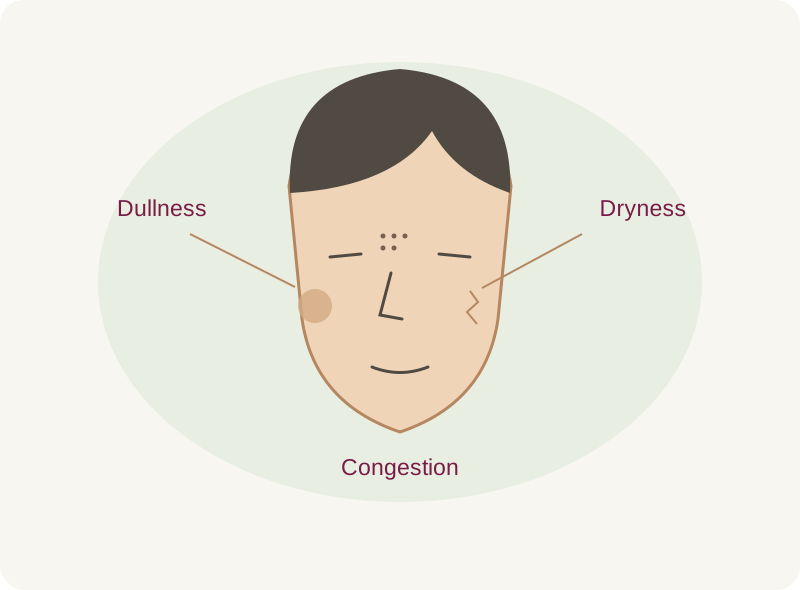
Oiliness and congestion
Carbon-assisted laser treatment has been studied for oily, acne-prone skin. It may be an additional option, but should not replace a plan for persistent acne.
Explore acne careA carbon preparation and laser work together in this skin treatment. Explore whether it has a useful role in your plan for oily skin, congestion or texture.
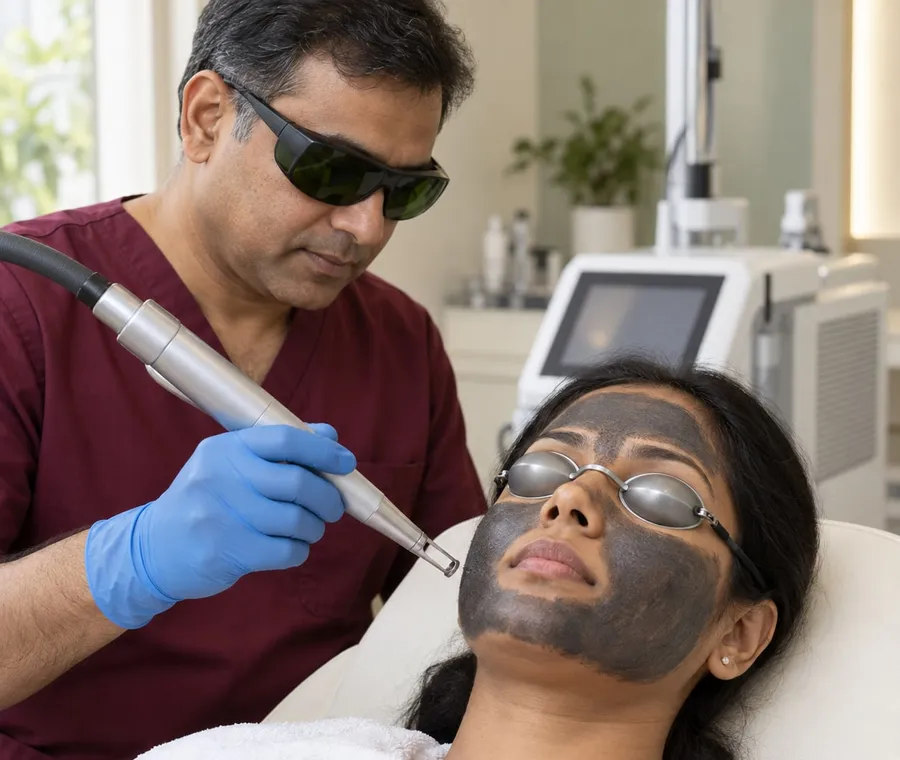
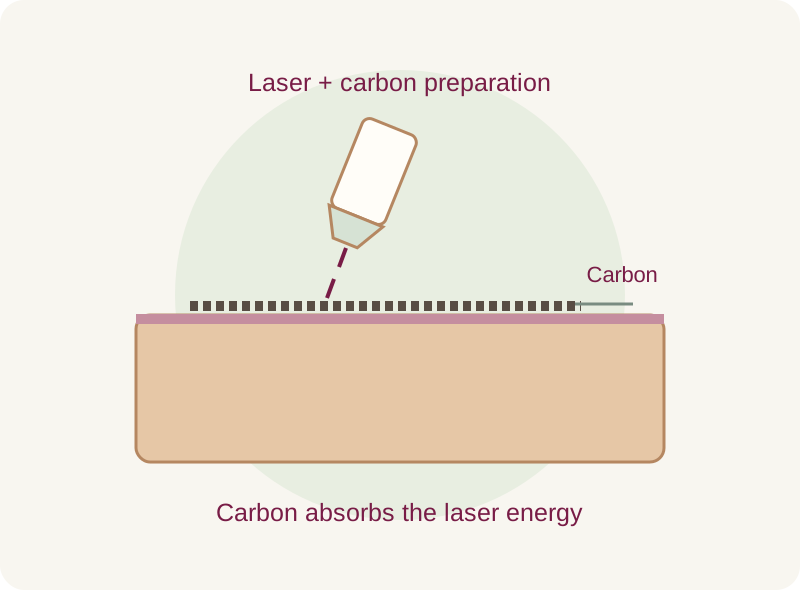
A carbon peel applies a topical carbon preparation before treatment with a suitable laser, commonly a Q-switched Nd:YAG system. The carbon absorbs laser energy and is removed during the treatment.
Although it is called a peel, it is not the same as an acid peel or a charcoal mask. The device, preparation and skin assessment determine how it is performed.
Carbon-assisted laser treatment has been studied for oily, acne-prone skin. It may be an additional option, but should not replace a plan for persistent acne.
Explore acne care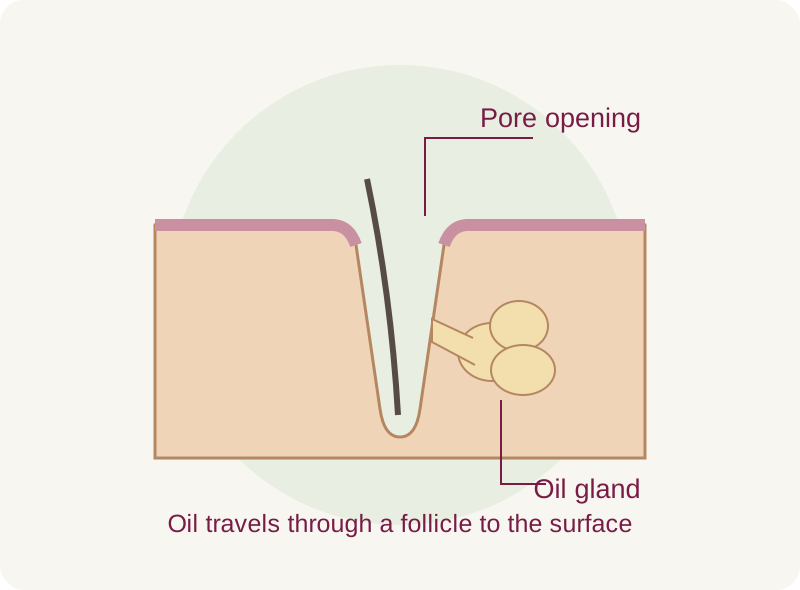
Some small studies report changes in pore appearance. Pores are normal skin structures and cannot be permanently closed or erased.
Understand visible pores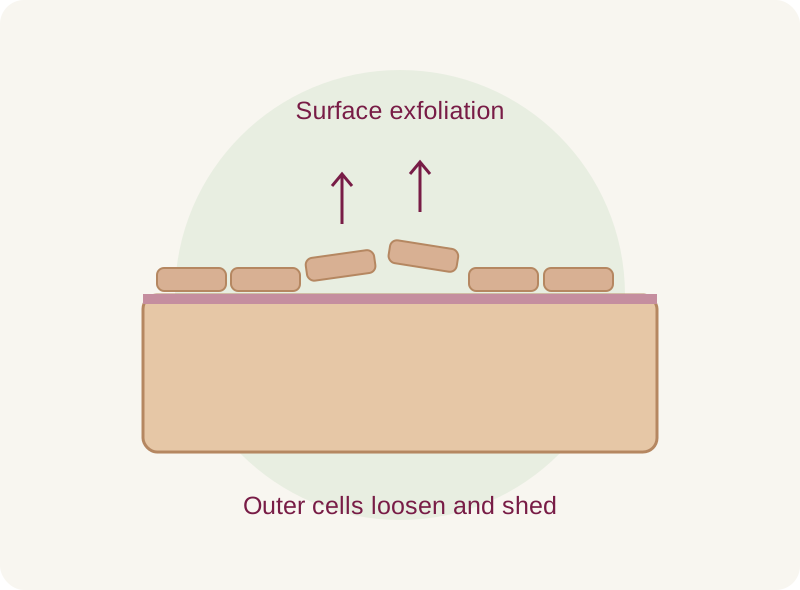
Some people notice smoother-feeling skin. Deep acne scars, loose skin or recurring pigment patches need a separate assessment.
Understand acne scars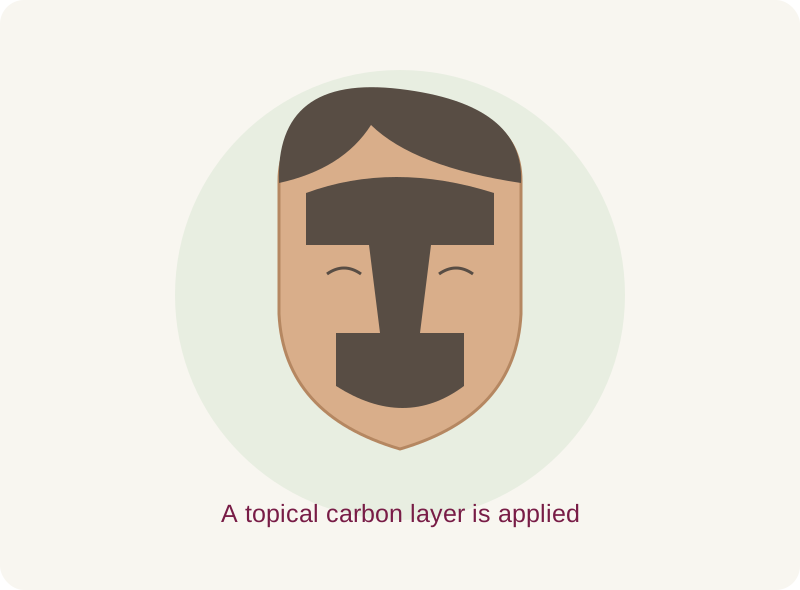
Adds a carbon preparation as a target for laser energy. A device-based procedure, not just a cleansing mask.
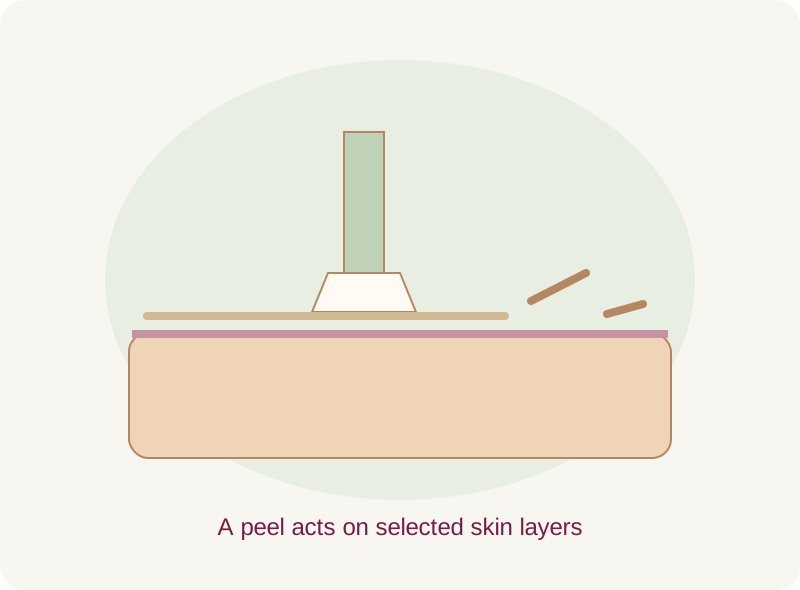
Uses a selected chemical preparation to exfoliate skin. Recovery depends on its formulation and depth.
Compare chemical peels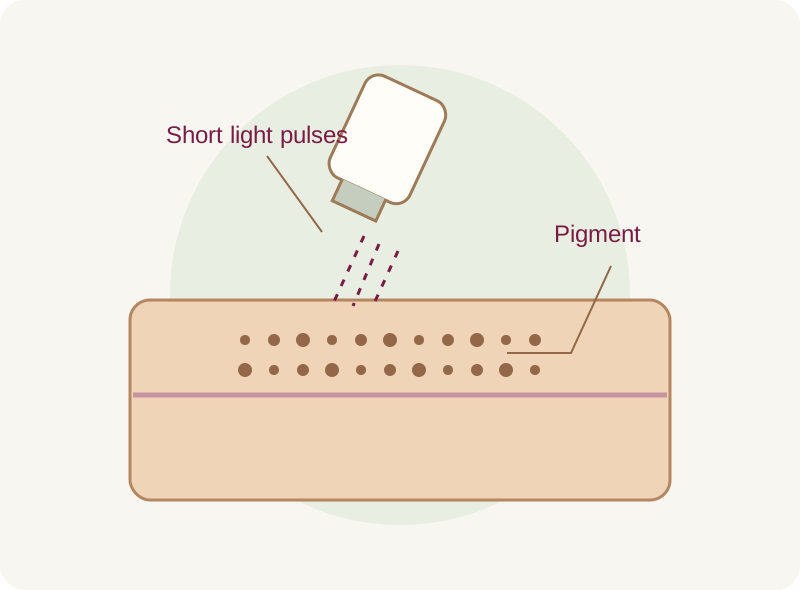
Uses selected laser settings for pigment concerns. It does not automatically include a carbon layer.
Explore laser toning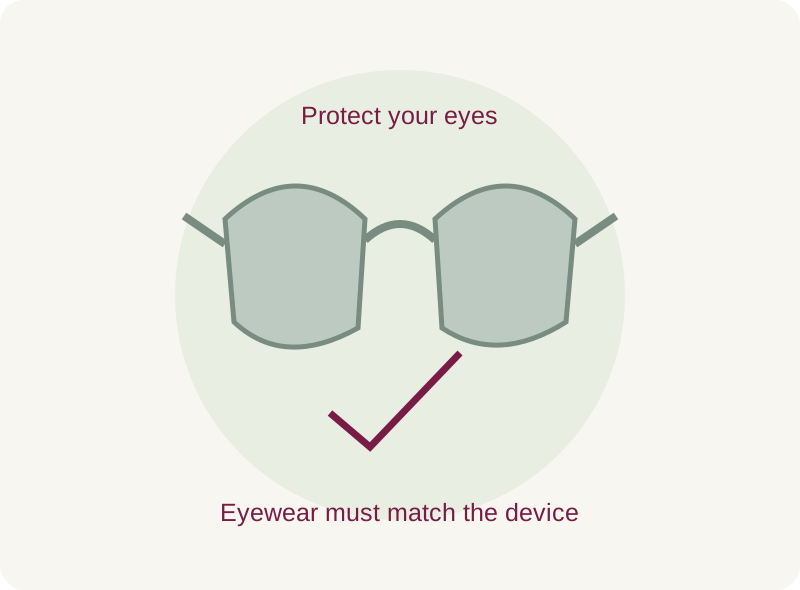
Painful acne, a rash, infection or a new or changing lesion needs appropriate assessment. Not every skin concern calls for a laser.
Mention recent tanning and any history of dark or pale patches after treatment. Settings and timing need to suit your skin.
Share retinoids, recent isotretinoin, products that irritate your skin, light sensitivity, cold sores and previous reactions. Discuss pregnancy or breastfeeding.
Ask what improvement is realistic, what alternatives exist and when to review. A short appointment is not a guarantee of no reaction.
The clinician reviews the concern, products and history, then explains the procedure and aftercare. A different treatment may be more suitable.
The skin is cleansed and the selected carbon preparation is applied as instructed for that system. Eye protection is fitted before laser use.
The practitioner uses the selected laser protocol and checks the skin response. You may hear clicks and feel warmth or a snapping sensation.
Tell the practitioner about strong pain or unexpected heat. The carbon is removed during the process and any residue is managed before finishing care.
Confirm cleansing, moisturising, sun protection and when to restart active products, makeup and exercise.
Assess the original concern after the skin has settled. More sessions should have a purpose rather than follow an automatic package.
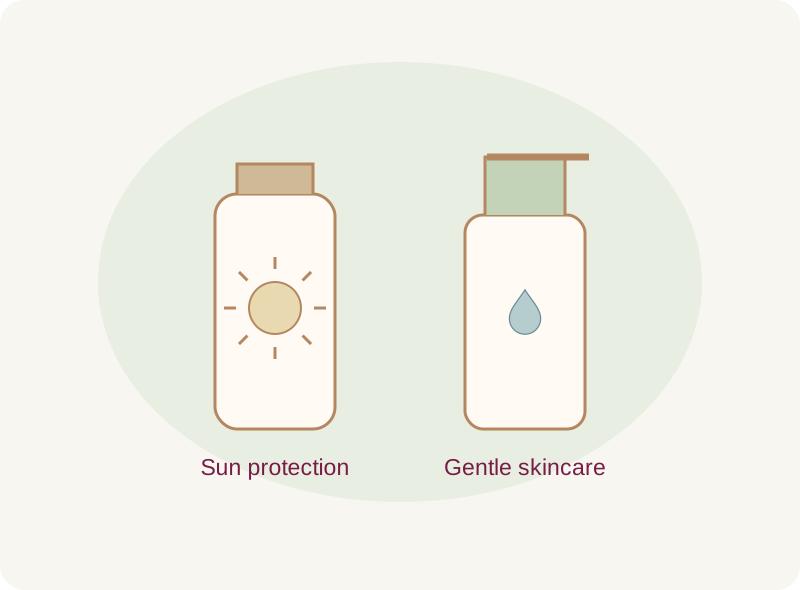
Avoid scrubbing, picking and adding extra exfoliating products while skin is sensitive. Use the products advised for you.
Follow shade, clothing and sunscreen advice. Recent or ongoing tanning can affect treatment risk and future scheduling.
Temporary redness or sensitivity can occur. Blisters, worsening pain, persistent dark or pale patches, discharge or unexpected swelling need clinic review. Eye pain or vision changes need urgent medical care.
Carbon-peel research includes small studies of acne and visible pores. These do not establish a predictable result or a fixed course for every person. Short-term improvement does not mean acne or oiliness is permanently cured.
Lasers can cause burns, pigment changes or scarring. Discuss the balance of benefit and risk, especially if your skin marks easily. A treatment should support a broader skin-care plan rather than promise pore-free or permanently clear skin.
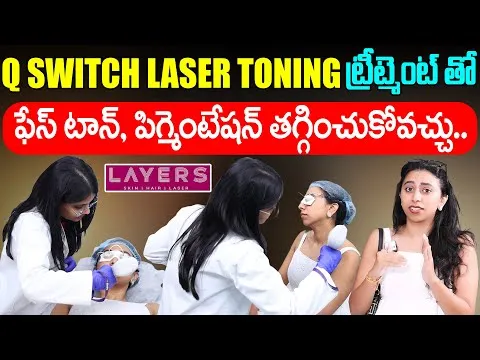
A Telugu-language segment featuring Layers explains Q-switch laser toning. It provides related laser context; it does not demonstrate the carbon-peel protocol or a carbon-peel patient result.
SumanTV Women Words · Related Q-switch explainer
Watch on YouTubeOriginal clarity and pore refinement before-and-after cases from Layers Clinics. Individual results vary.
Showing all 6 photographs
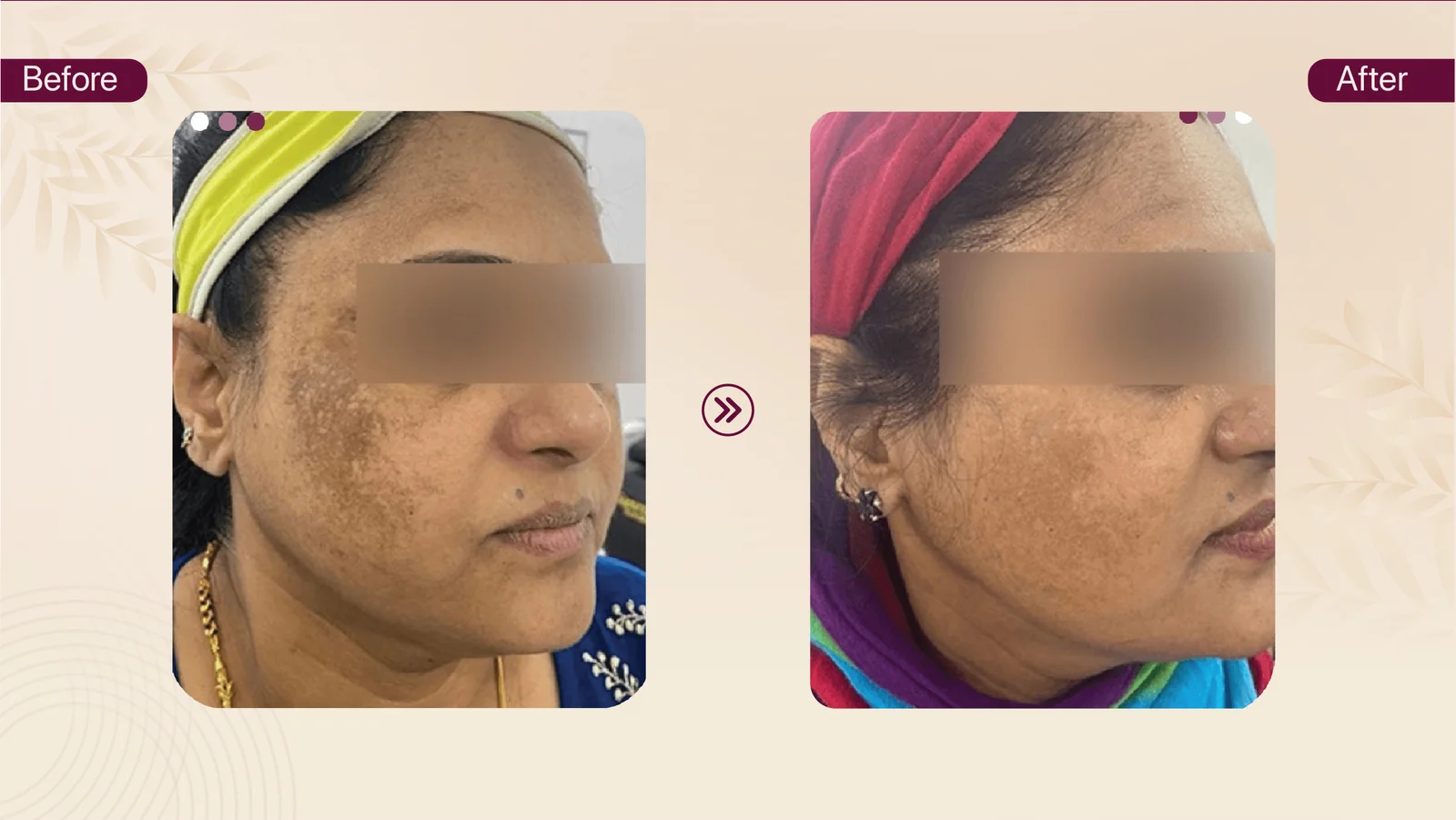
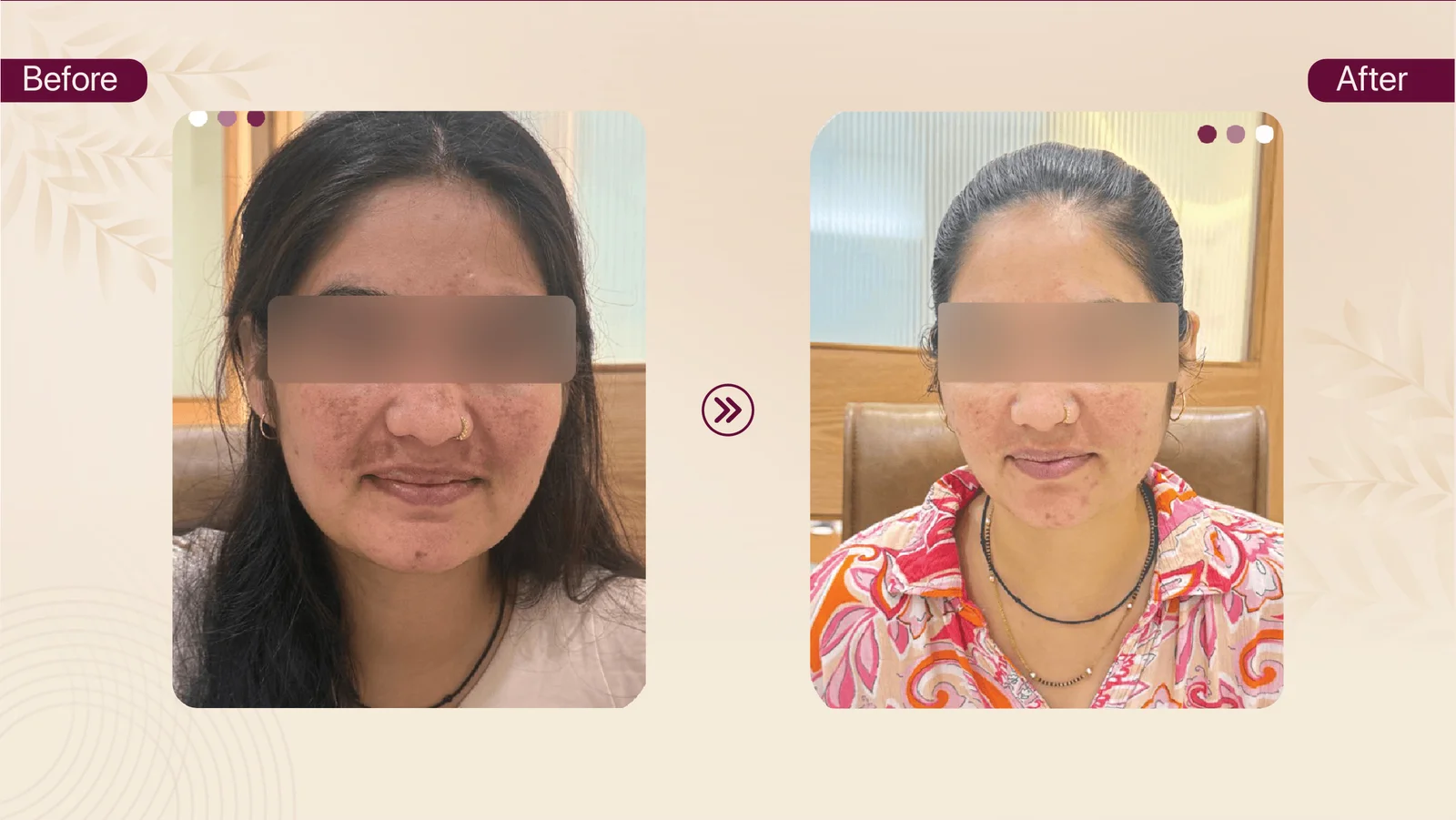
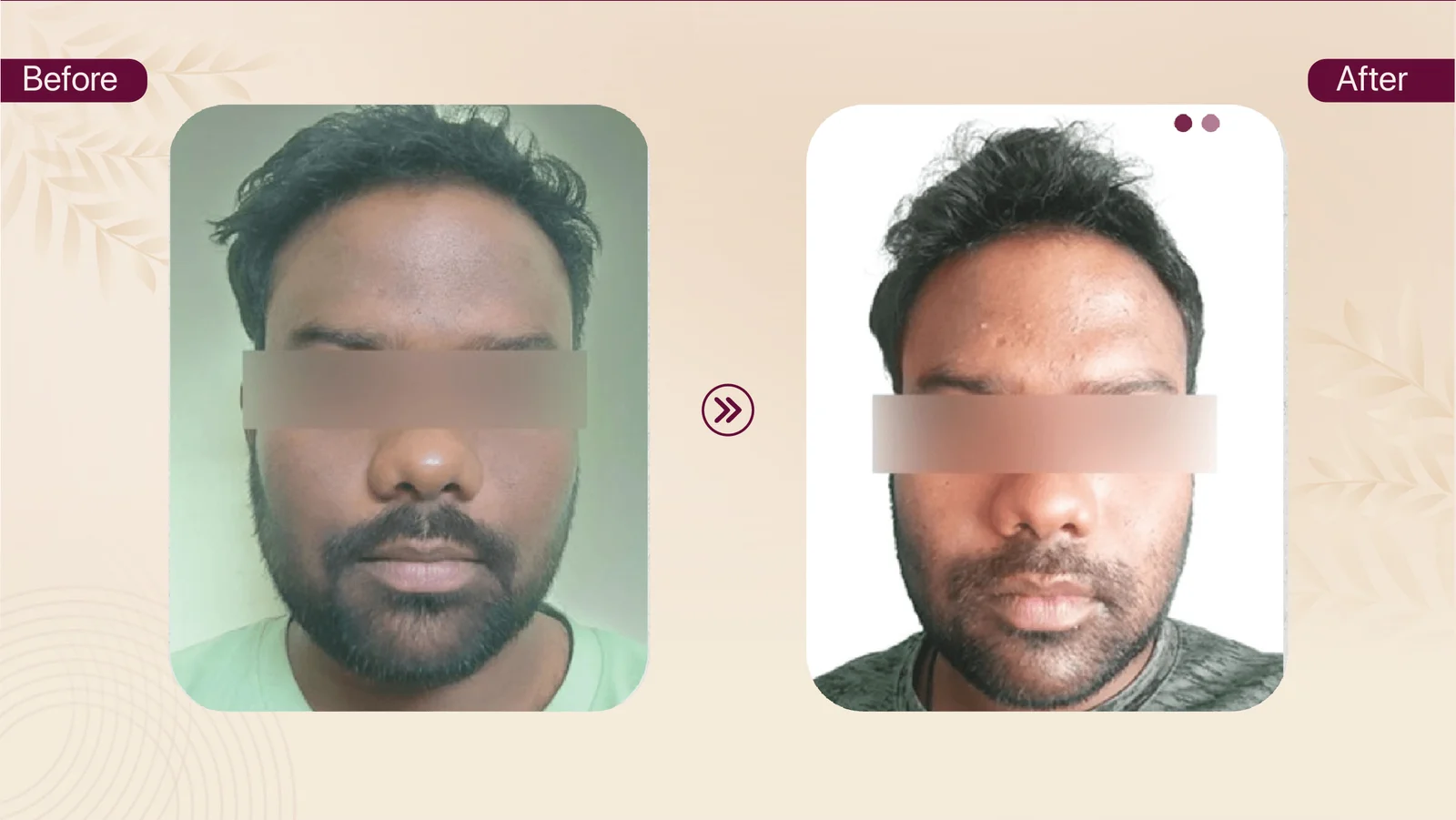
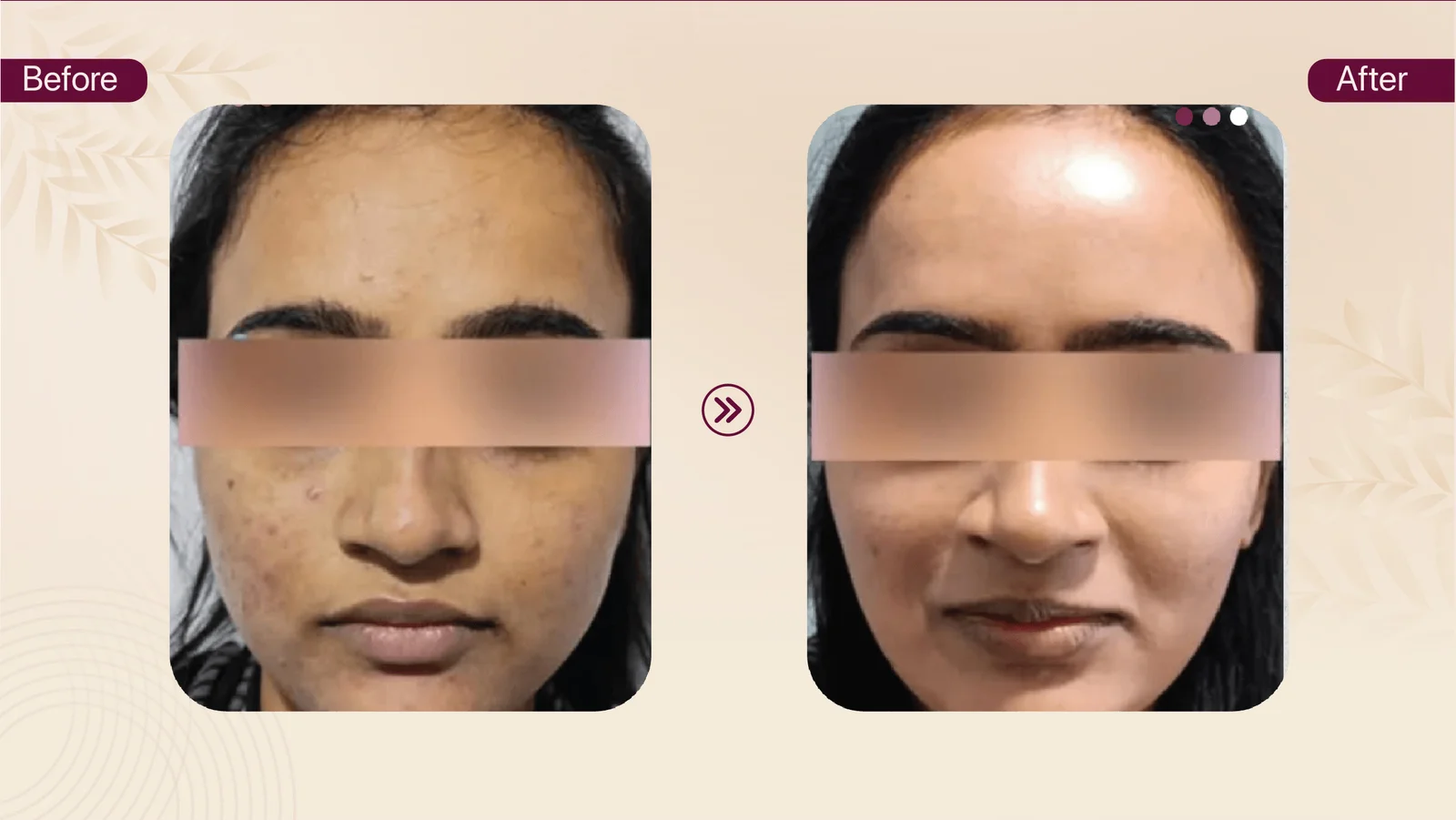
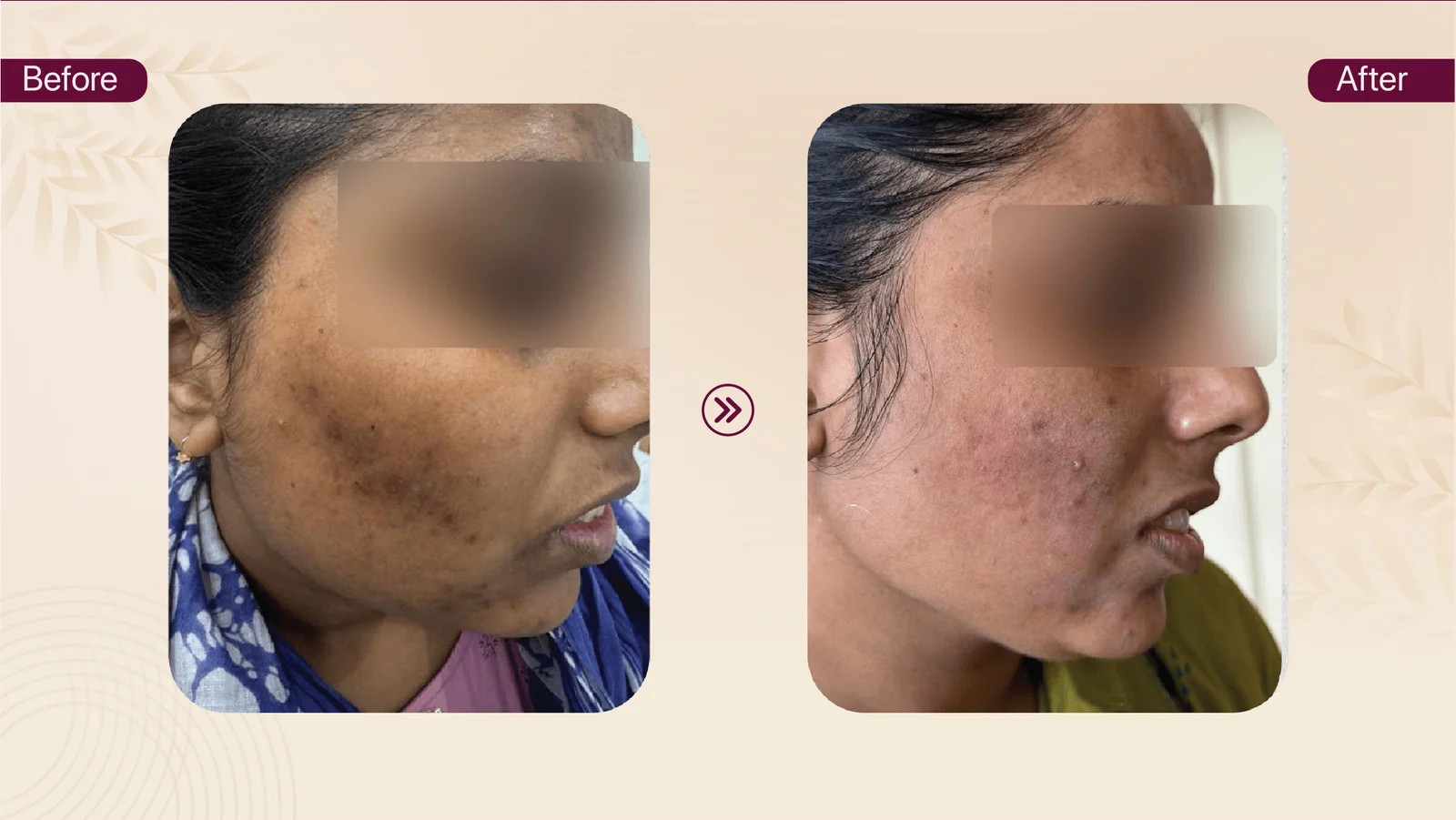
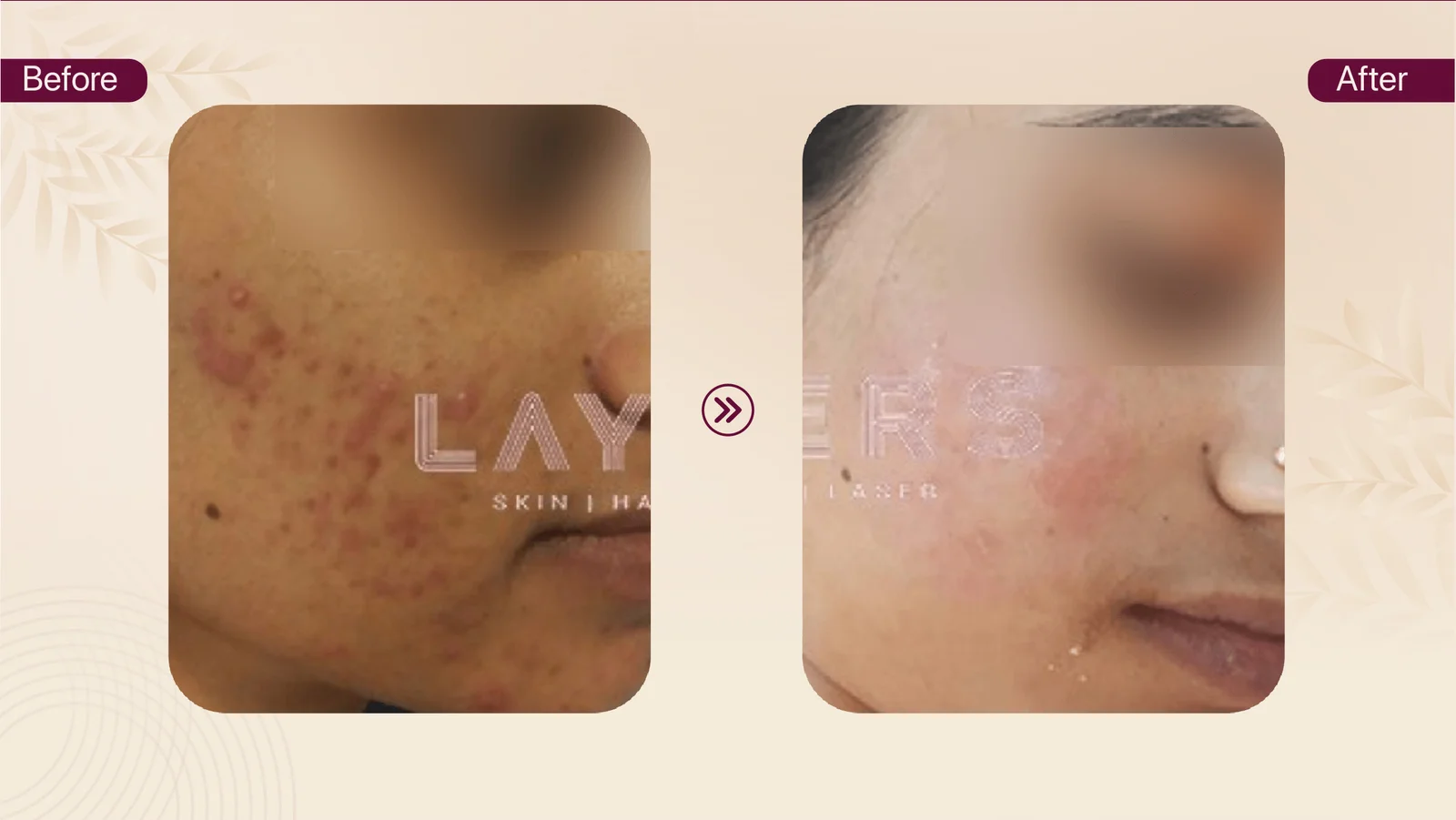
Individual results vary. These photographs show specific cases, not guaranteed outcomes. Original image quality, lighting and angles may differ. Your doctor can explain what may be possible for you.
Original Google excerpts about Q-switch care at Layers, sometimes combined with other treatments. They do not identify a carbon peel.
“I have been taking Q-switch laser treatment for my pigmentation cure. And it is working good. I have started getting results.”
“I took Q-switch laser and HydraFacial sessions, and I can already see improvement.”
Combined Q-switch and Hydrafacial care.
“I have opted for skin Q switch treatment with combination of skin peels sessions this is my 5th session results are great”
Combined Q-switch and chemical-peel care.
“I had chemical peel and Q-switch treatment at Layer Clinic and I’m very happy with the results.”
Combined Q-switch and chemical-peel care.
“I took qswitch and chemical peel for my face and body the treatment result is excellent. I'm satisfied with the treatment”
Combined Q-switch and chemical-peel care.
“I recently got a Q-Switch treatment and a chemical peel here, and the whole experience was fantastic”
Combined Q-switch and chemical-peel care.
“Got chemical and Q switch done ! Loved the effect with in 2 sessions only !”
Combined Q-switch and chemical-peel care.
















No. A carbon laser peel combines a selected topical preparation with a laser procedure. A cleansing mask does not do the same thing.
No. The word carbon does not mean carbon dioxide resurfacing. CO₂ laser is a different technology with different tissue effects and recovery.
No. Pores are normal openings. Their appearance can vary with oil, skin structure and ongoing care.
Do not stop prescribed treatment on your own. Ask whether a procedure adds anything to your acne plan and how it fits with current care.
Suitability depends on skin tone, tanning, the concern and the device settings. An experienced clinician should discuss pigment-change risk rather than promise that one protocol suits everyone.
Recovery varies. Temporary sensitivity or redness can occur, and unexpected reactions are possible. Discuss timing before booking close to an event.
Agree on a review point and assess the response before committing to more sessions. There is no universal number or guaranteed improvement.
A combination requires its own assessment. Adding procedures can add irritation and recovery; ask what benefit each step is expected to provide.
Discuss carbon peel, alternatives and a plan for the concern that matters to you.
Prefer a call? +91 9000 572727