Scalp treatment
Medicated shampoos can target yeast, scale or inflammation. The right ingredient, washing frequency and contact time depend on your scalp and hair.
Itchy patches around your hairline, brows or nose may need more than a change of shampoo. Learn what helps when seborrhoeic dermatitis keeps coming back.
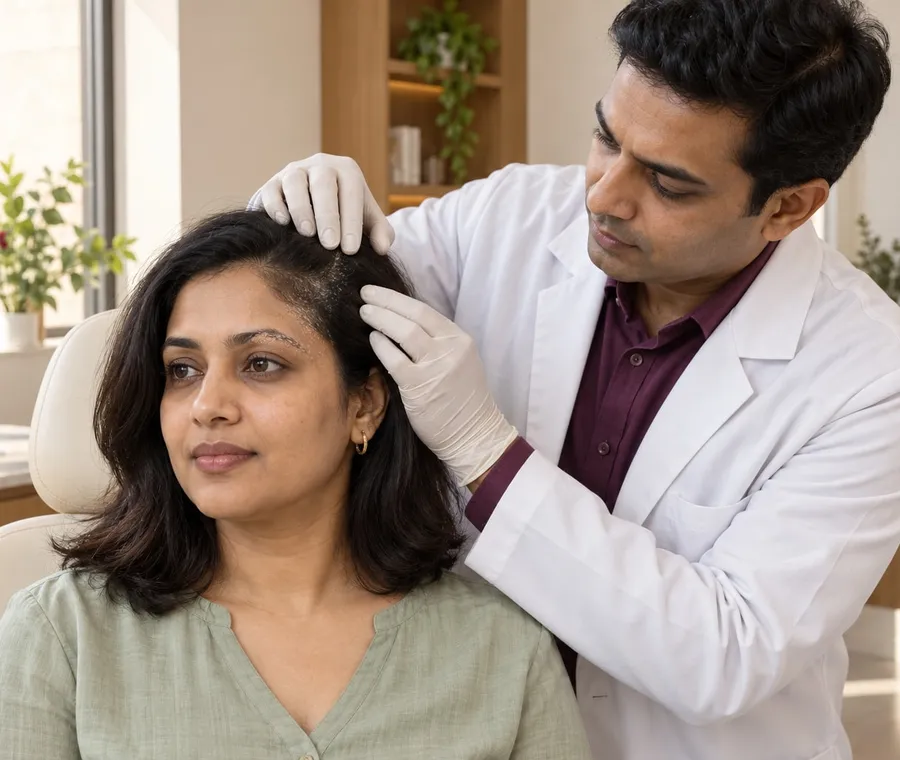
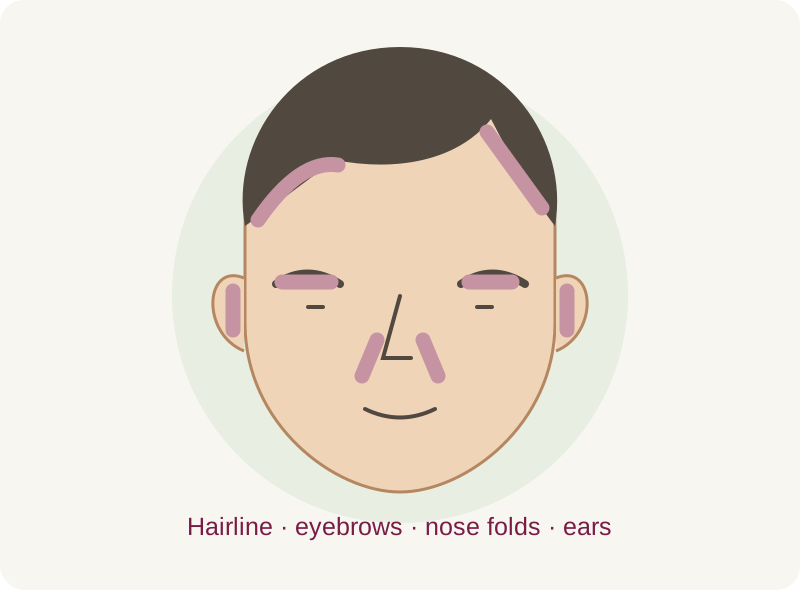
Seborrhoeic dermatitis is a recurring inflammatory rash in areas with many oil glands. It can affect the scalp, face, ears and sometimes the chest.
The skin’s response to a naturally present yeast called Malassezia contributes. It is not caused by poor hygiene and is not contagious.
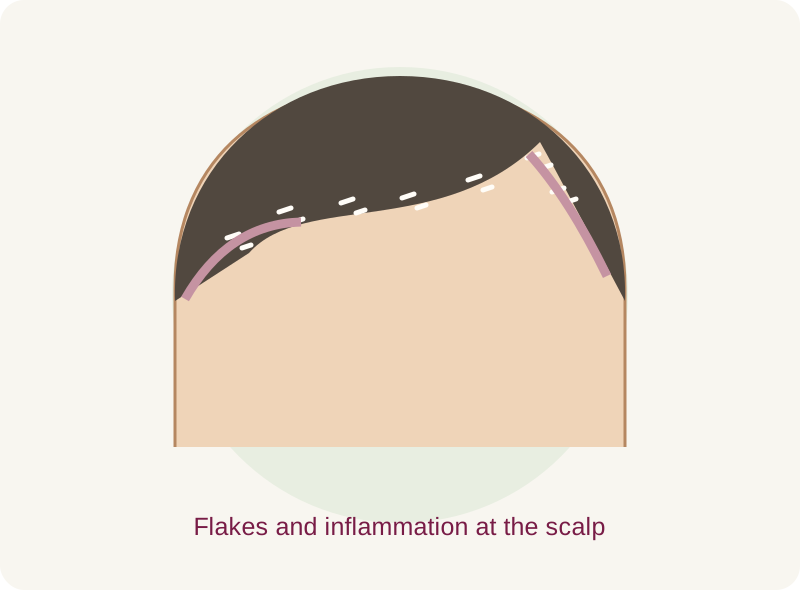
White or yellowish scales may be loose or stick to the skin. The scalp can feel itchy or irritated.
The eyebrows, folds beside the nose, beard area and ears are common sites. Inflamed areas may look pink, darker or lighter than surrounding skin.
A calmer period may be followed by another flare. Persistent symptoms or an unusual pattern deserve an assessment rather than repeated product changes.
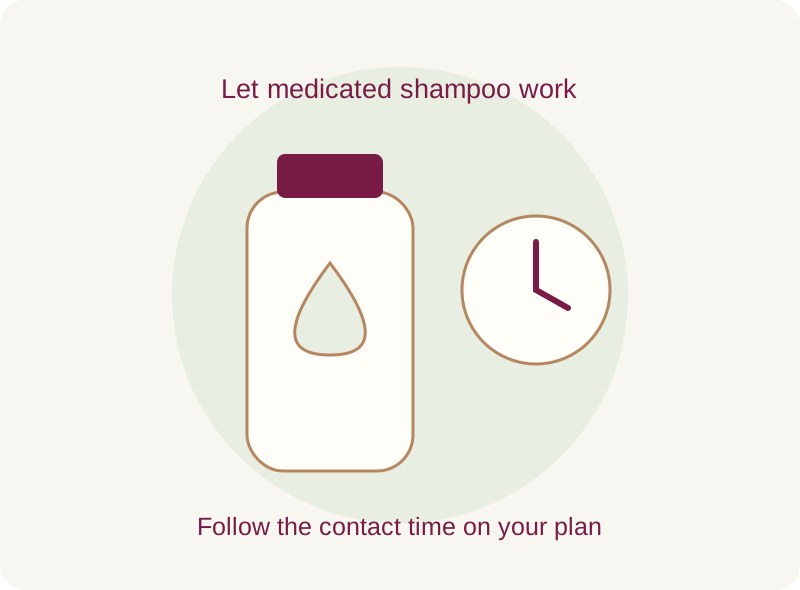
Medicated shampoos can target yeast, scale or inflammation. The right ingredient, washing frequency and contact time depend on your scalp and hair.
A topical antifungal may help. The clinician can choose a preparation suited to facial skin and explain where to apply it, keeping it away from the eyes.
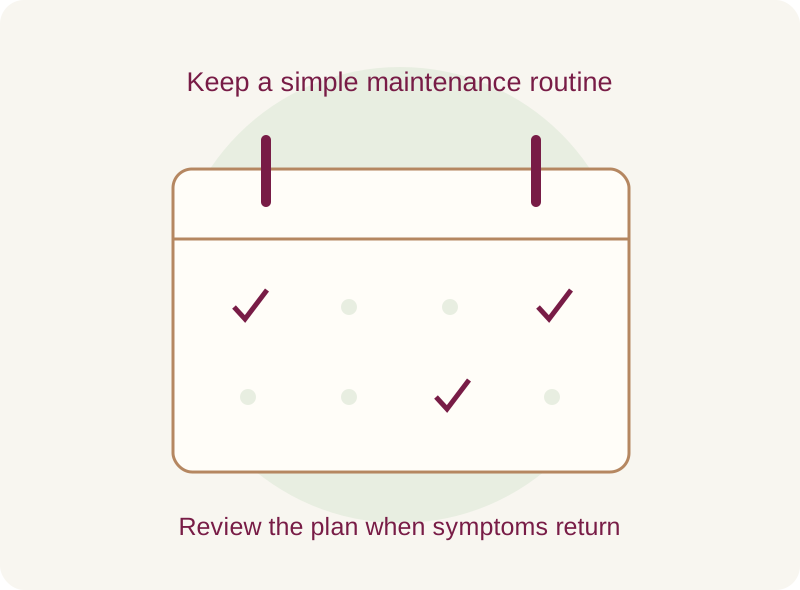
A short anti-inflammatory course may be needed for a flare. Once symptoms settle, a simpler maintenance routine can help reduce recurrence.
Share where symptoms appear, how long they last and which products you have tried.
Psoriasis, contact reactions and other rashes can look similar. Testing is only used when the findings call for it.
Know which product goes where, how long to leave it on and when to stop or reduce it.
Tell the clinician about sensitive skin, hair texture, styling habits and treatments that have irritated you.
Let the clinician know if symptoms persist or a product stings or worsens the rash.
The follow-up plan can explain what to continue between flares and when another review is needed.
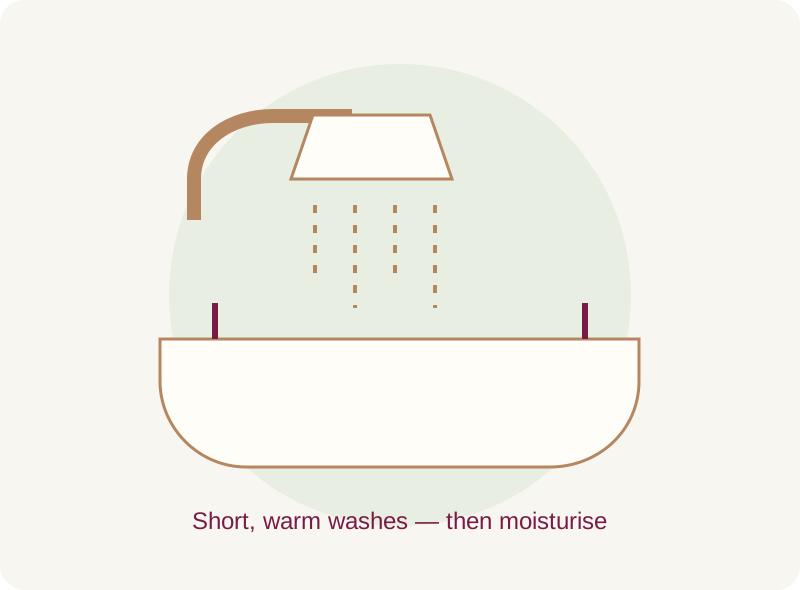
Removing flakes forcefully can leave the skin sore. Use gentle cleansing and follow the treatment instructions.
Fragrance, alcohol-heavy products or a new hair product may aggravate sensitive skin. Introduce changes carefully.
Painful swelling, weeping, eye symptoms or patchy hair loss need medical advice. Do not assume every new scalp symptom is the same condition.
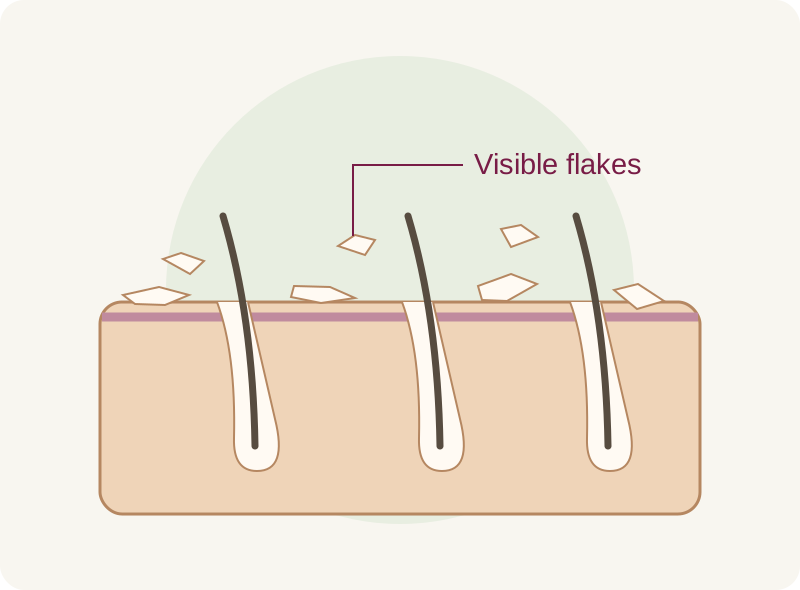
Explore common causes of flakes and a practical scalp-care routine.
Explore scalp care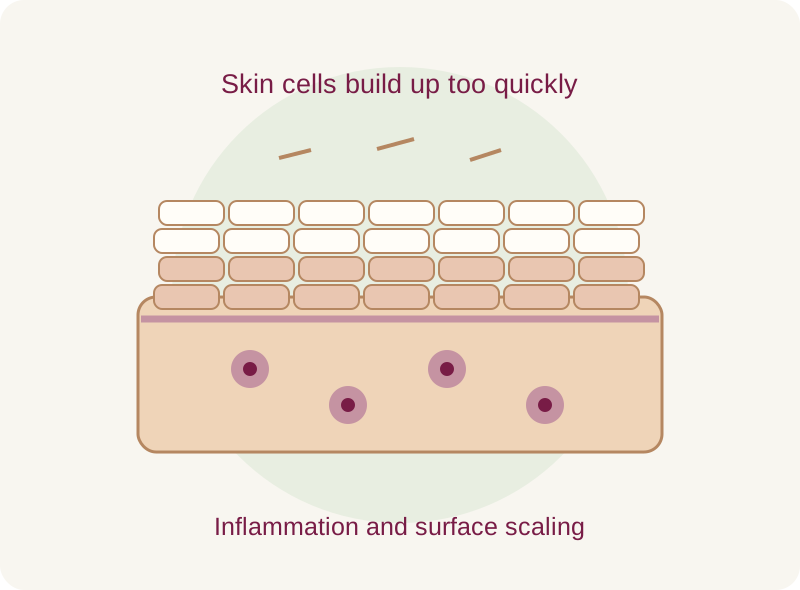
Thicker plaques, symptoms elsewhere or nail changes may point to a different or overlapping condition.
Explore psoriasis care
Flushing, burning or recurring facial bumps can need a different assessment. Rosacea and seborrhoeic dermatitis can also overlap.
Explore rosacea careVerified Google review excerpts about consultations and explanations at Layers. The condition is not specified; these are not seborrhoeic dermatitis treatment results.
“The doctors listened carefully to my concerns and explained the treatment in a clear and professional manner.”
Consultation experience; condition not specified.
“She explained the treatment clearly and made me feel comfortable throughout the consultation.”
Consultation experience; condition not specified.
“The doctor took the time to understand my skin concerns and explained the treatment plan clearly, without rushing.”
Consultation experience; condition not specified.
“Very patient ,humble and polite to answer every single query and build confidence.”
Consultation experience; condition not specified.
“The doctors explained everything clearly and made me feel comfortable and confident.”
Consultation experience; condition not specified.
“The doctor took the time to listen to my concerns patiently and explained the treatment options clearly.”
Consultation experience; condition not specified.
















Dandruff is often considered the mild scalp end of the same spectrum. Seborrhoeic dermatitis can also cause inflamed patches and affect the face or other areas.
No. It involves the skin’s response in oil-rich areas. Excessive washing or scrubbing may irritate the skin without solving the problem.
Adult seborrhoeic dermatitis often recurs. Treatment can control it, and a maintenance plan may reduce how often it flares.
Only if your clinician or the product instructions advise it for that use. Facial skin and the eye area need care; another preparation may suit you better.
Yeast that normally lives on skin contributes to the condition. An antifungal can help control that part of the process; it does not mean you caught an infection from someone.
Follow the prescribed course. Repeated or prolonged use without review can cause side effects, especially on facial skin. Ask about a maintenance alternative if flares keep returning.
The two can overlap, sometimes called sebopsoriasis. The examination helps the clinician decide whether the plan needs to address both.
No. Infant care differs from adult treatment. Ask for age-appropriate advice instead of using an adult medicated shampoo or prescription cream.
Get help with recurring flakes, itch and irritation. Start with a dermatologist consultation.
Prefer a call? +91 9000 572727