Temporary skin camouflage
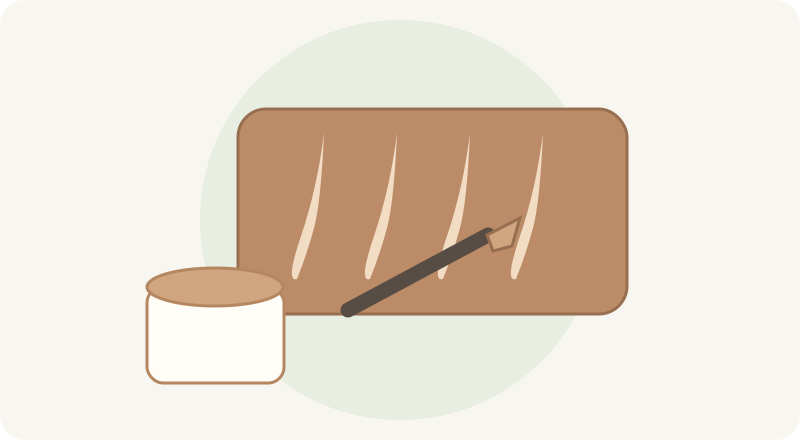
Highly pigmented creams or similar products sit on the surface. You can try the look, remove the product and adjust the shade as needed.
If pale marks stand out against your skin, camouflage may help reduce the contrast. Compare temporary coverage and pigment options, with a plan that respects your skin.
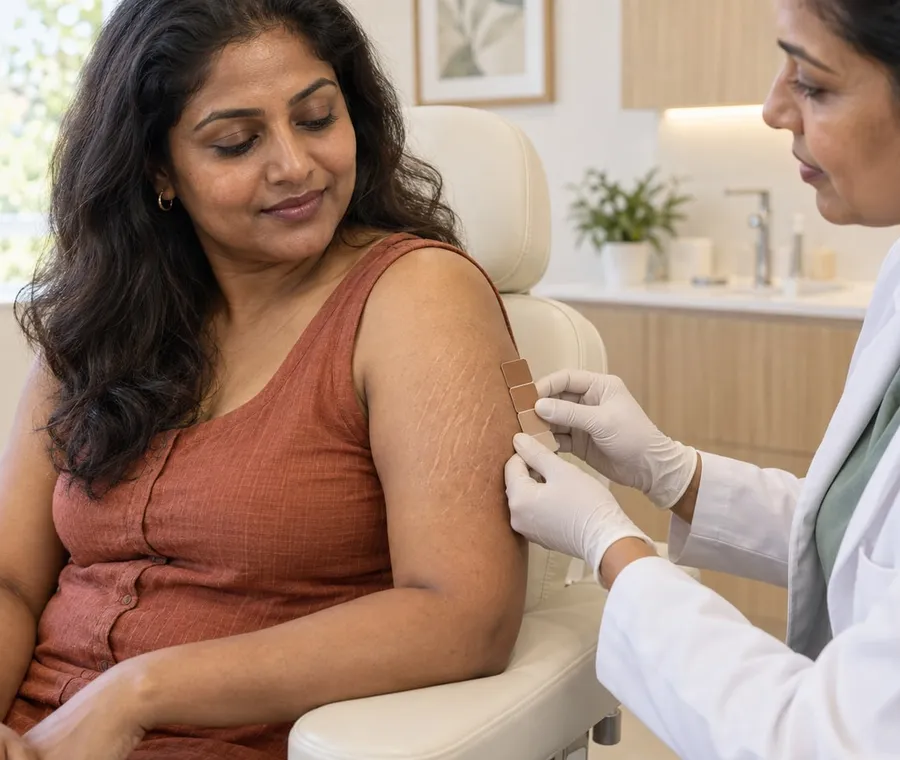
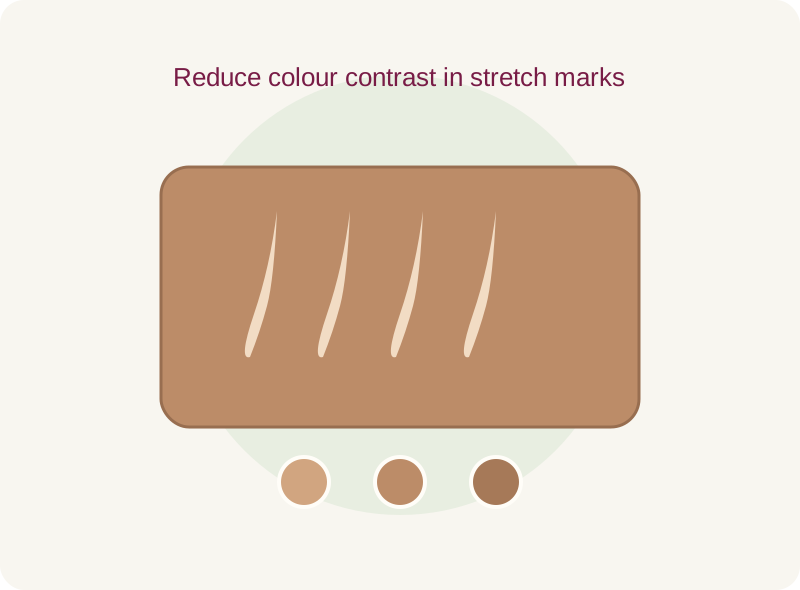
Camouflage aims to make the colour of a mark blend more closely with surrounding skin. Options include products applied on the surface and, for selected cases, cosmetic tattoo pigment placed within the skin.
Neither approach removes the stretch mark. Texture, shallow grooves and the way light falls on the skin can remain visible even when the colour contrast is reduced.
Highly pigmented creams or similar products sit on the surface. You can try the look, remove the product and adjust the shade as needed.
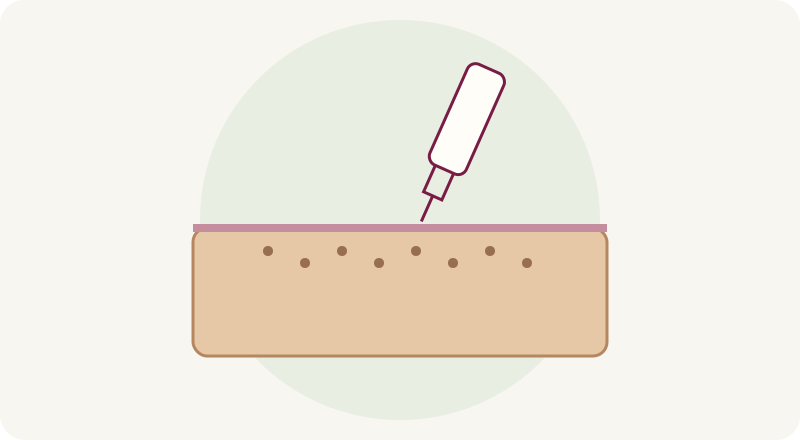
Selected skin-toned pigment is placed into suitable marks. It is a lasting colour decision, with healing, possible mismatch and the risks of a tattoo.
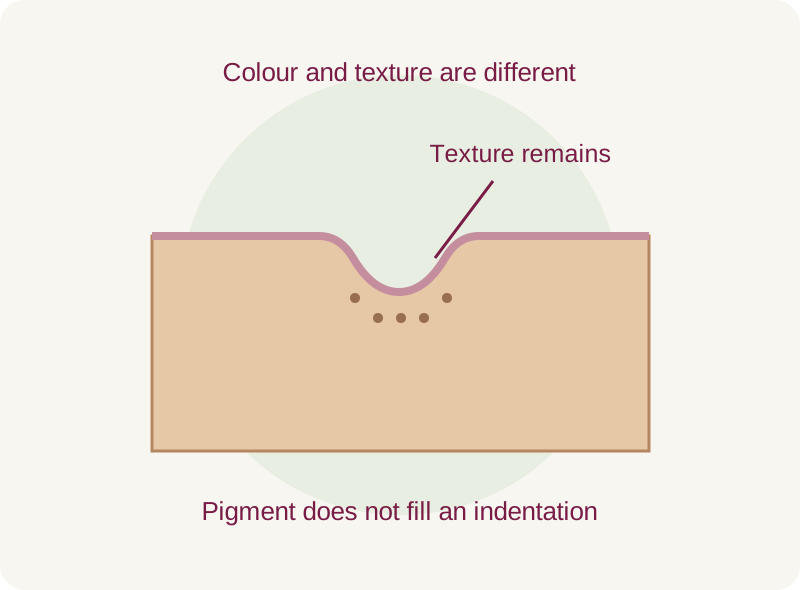
Mature stretch marks often have both a lighter colour and a different texture. Tattoo pigment addresses the colour difference; it does not fill the groove or rebuild normal skin.
If texture is your main concern, discuss the existing stretch-mark treatment options before choosing camouflage. Microneedling without pigment and camouflage tattooing are different procedures, even when similar-looking devices are used.
Ask whether the plan aims to change colour, texture or both. Combining procedures should have a clear purpose and allow time for healing between stages.
A close colour match under one light may look different under another. There is no guarantee of invisible marks, a perfect match or unchanged colour over time.
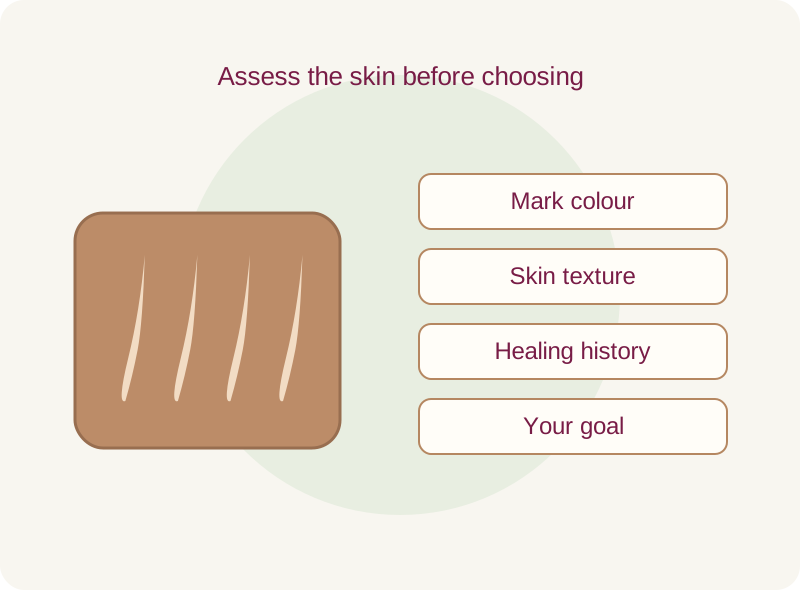
Pink, red, brown or changing marks need their own assessment. They should not be treated as the same colour-matching problem as settled, pale marks.
The clinician checks whether the marks are flat, indented, raised or irritated. Broken, infected or inflamed skin is not ready for camouflage application.
Share unusual scarring, allergies, pigment reactions, medical conditions and medicines. Pregnancy, breastfeeding or recent procedures may affect timing.
Temporary products need reapplication. Tattoo pigment can fade or shift and may be difficult to remove. Consider both choices before deciding.
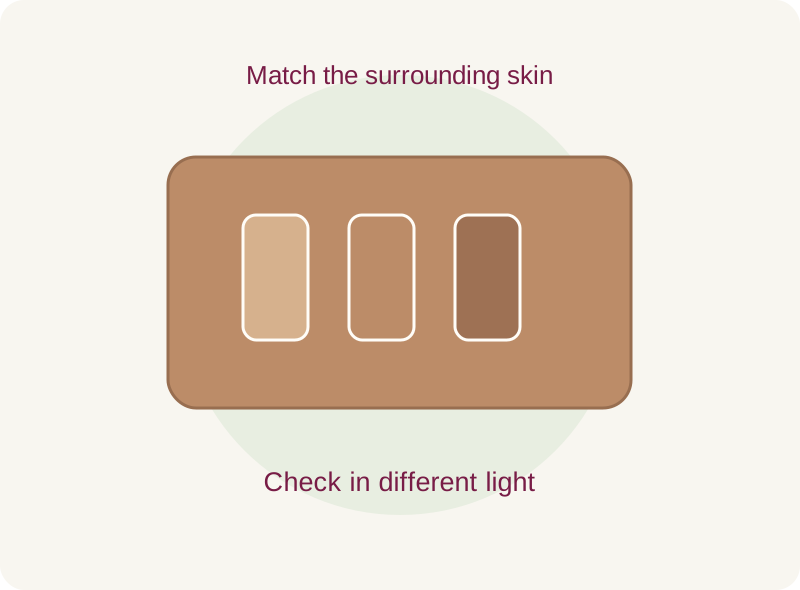
The aim is to match the surrounding skin rather than simply fill every pale line with one colour. The area, lighting, skin tone and any recent tan all affect the discussion.
A temporary product can be adjusted or removed. Tattoo pigment is less flexible: the skin around it can change colour with sun exposure while the implanted colour may respond differently. A small test area and healed review may be discussed before a wider tattoo plan.
Discuss the age of your marks, changes in the skin and previous treatment. Decide whether temporary coverage or a tattoo assessment fits your goal.
Check colour in suitable lighting and discuss a trial or test area if appropriate. Confirm the actual product or pigment, likely stages and maintenance.
A practitioner can demonstrate applying a small amount to clean, dry skin, blending the edges and setting it according to product instructions. Clean tools help avoid irritation.
The skin is prepared and pigment is placed with suitable sterile, single-use skin-contact equipment. Comfort measures and the treated area are agreed beforehand.
Remove it gently each day and inspect the skin. Ask how moisturiser, sun protection and any prescribed products fit into the routine.
Follow the written healing instructions and avoid picking. Review the settled colour before further pigment; more sessions do not guarantee a better match.
Temporary camouflage can transfer with friction, even if a product is water resistant. Test how it works with your clothes and activities, keep applicators clean and stop using a product that irritates your skin.
Tattooing can cause infection, allergy, scarring or unwanted pigment change. The early appearance is not the healed result. Keep treatment records and ask for advice about lasting discomfort or a colour you are unhappy with.
Follow the individual plan for washing, products, clothing friction, exercise and sun exposure. Do not scrub or try to remove fresh pigment yourself.
Increasing pain, spreading redness, swelling, discharge or fever needs prompt medical advice. A persistent new skin change should be examined.
Tell clinicians where pigment has been placed before laser or other treatment. Removing or changing a skin-tone tattoo may be difficult.
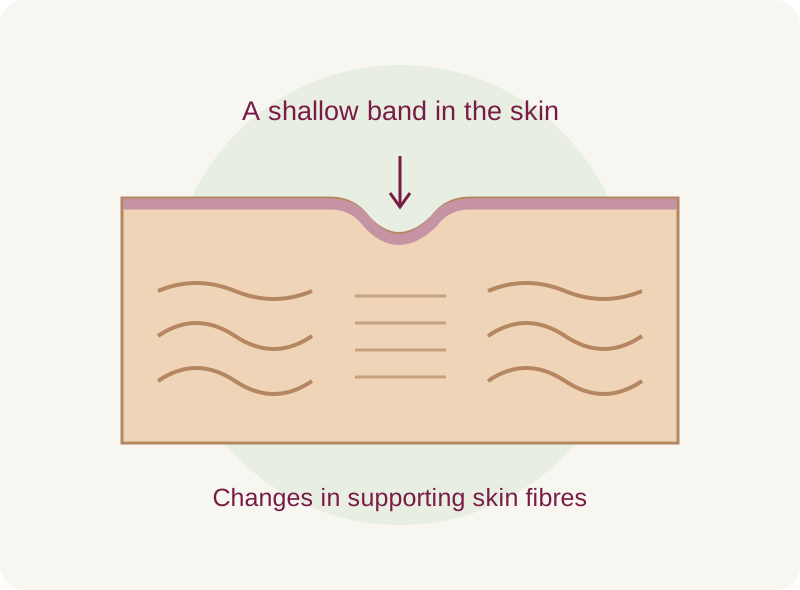
Learn about newer and older marks, skin care and procedures aimed at texture as well as appearance.
Explore stretch-mark care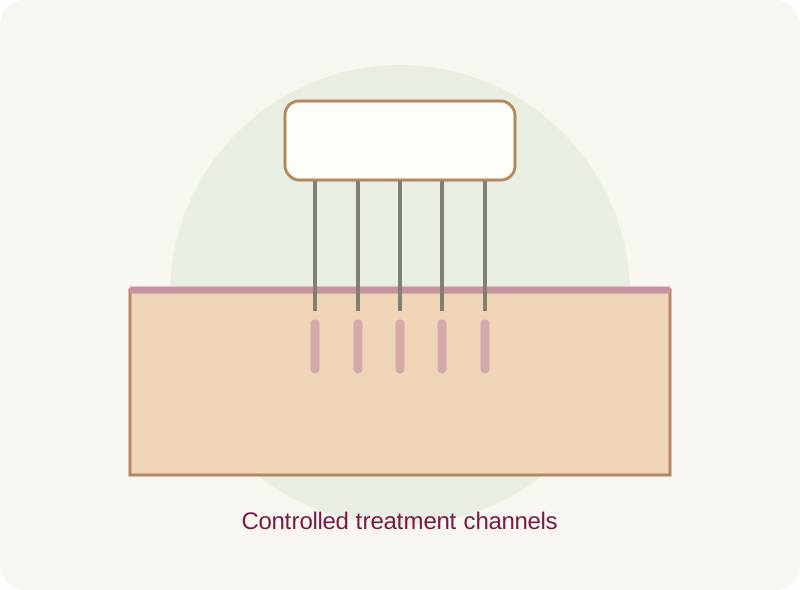
Understand a separate procedure that creates controlled punctures to support skin remodelling, without camouflage pigment.
Explore microneedlingOriginal Google reviews about consultations and care at Layers. These do not show stretch-mark camouflage results.
“The doctors listened carefully to my concerns and explained the treatment in a clear and professional manner.”
Consultation experience; condition not specified.
“She explained the treatment clearly and made me feel comfortable throughout the consultation.”
Consultation experience; condition not specified.
“The doctor took the time to understand my skin concerns and explained the treatment plan clearly, without rushing.”
Consultation experience; condition not specified.
“Very patient ,humble and polite to answer every single query and build confidence.”
Consultation experience; condition not specified.
“The doctors explained everything clearly and made me feel comfortable and confident.”
Consultation experience; condition not specified.
“The doctor took the time to listen to my concerns patiently and explained the treatment options clearly.”
Consultation experience; condition not specified.
















No. It aims to reduce colour contrast. Indentation and other texture changes can remain visible.
No. Temporary creams and other skin-colour products provide removable surface coverage. Tattoo camouflage places pigment inside the skin and involves different risks and aftercare.
New or changing marks should be assessed first. Their colour and texture can change naturally, so they should not automatically receive the same plan as mature pale marks.
The surrounding skin may darken differently from implanted pigment. Discuss sun exposure and colour mismatch before deciding, and do not deliberately tan to test the result.
A procedure described as inkless needling does not add camouflage pigment. Ask exactly what is used and whether the goal is texture or colour; marketing names can describe different methods.
The area, skin response and healed colour affect the plan. An assessment and sometimes a test area help guide the next step. There is no fixed course that guarantees a match.
Tell the clinician about all implanted pigment before any laser or skin procedure. The exact method and pigment can affect what is suitable and how the plan should be timed.
Yes. Stretch marks are common and usually do not need treatment. Coverage is an optional cosmetic choice; you can also try removable products before considering tattooing.
Compare colour coverage, texture care and the option to leave your skin as it is.
Prefer a call? +91 9000 572727