Fine, crepey texture
Small surface creases may be more visible when skin is dry or sun-damaged. Skin care and texture treatments may help more than a lifting procedure.
Loose skin, fine creases and a softer contour can have different causes. Start with the area that concerns you and a plan that fits your skin.
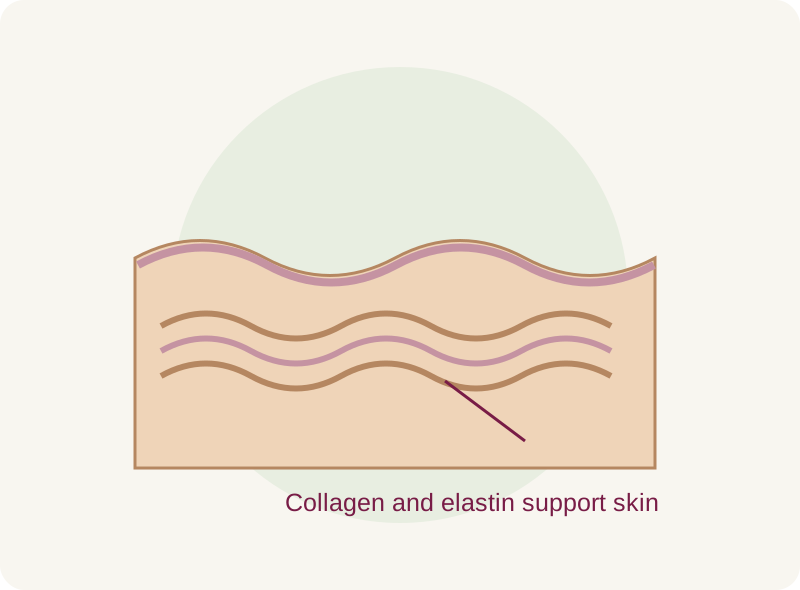
Skin laxity means reduced firmness or looseness. Collagen and elastin help support the skin; changes in these fibres and the tissue underneath can affect how it sits.
Ageing, sun exposure and weight changes can contribute. The face, neck, arms or abdomen may look or feel different, and several changes can occur together.
Small surface creases may be more visible when skin is dry or sun-damaged. Skin care and texture treatments may help more than a lifting procedure.
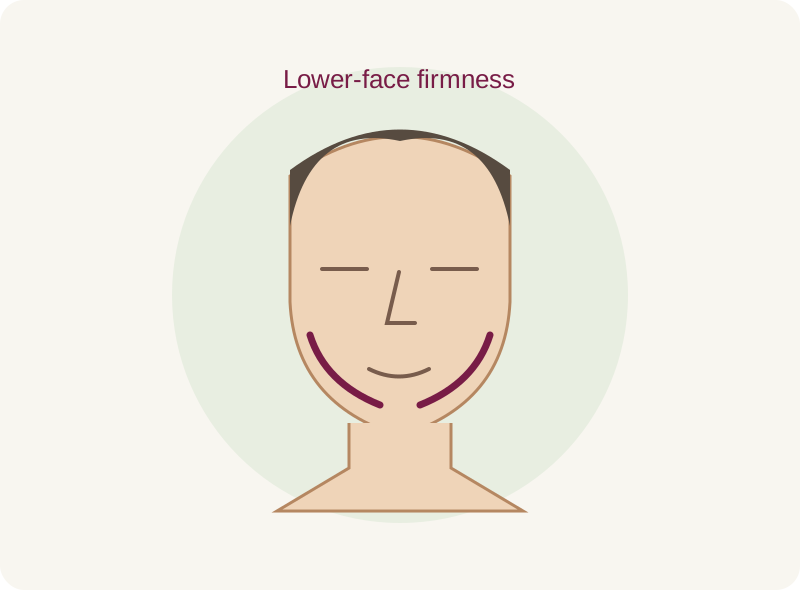
Loose skin may play a part, but volume changes, fat and tissue position can also affect the outline. An examination helps tell them apart.
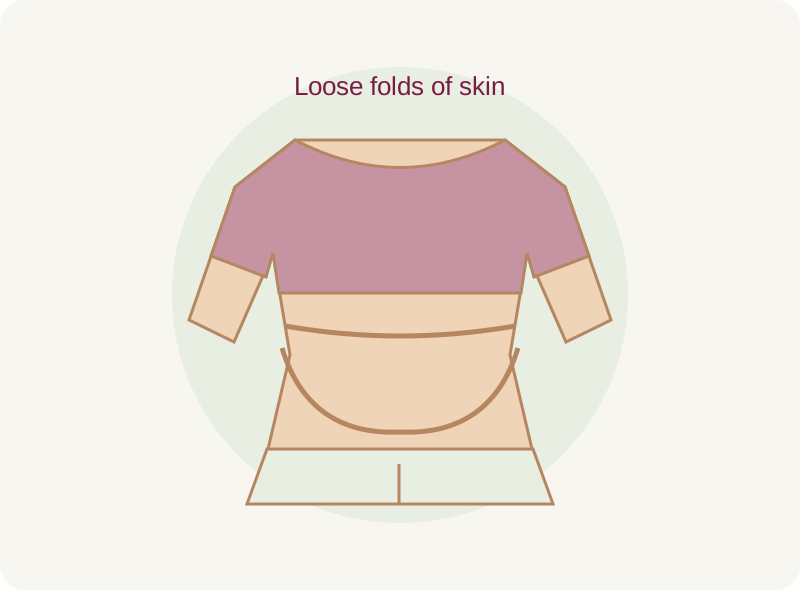
More skin may remain after major weight change or pregnancy. Devices have limits; substantial excess skin may need a surgical opinion.
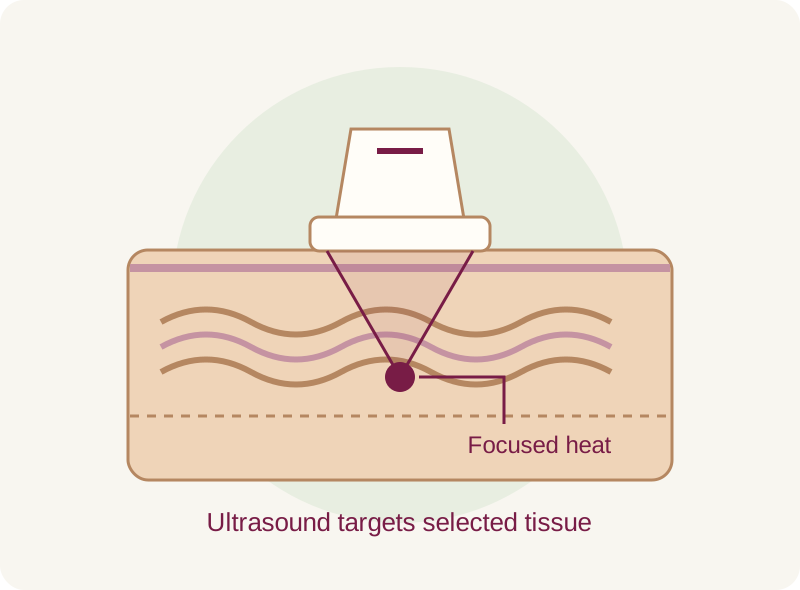
Focused ultrasound may offer modest tightening when the skin and tissue thickness are suitable. Changes develop gradually.
Explore HIFU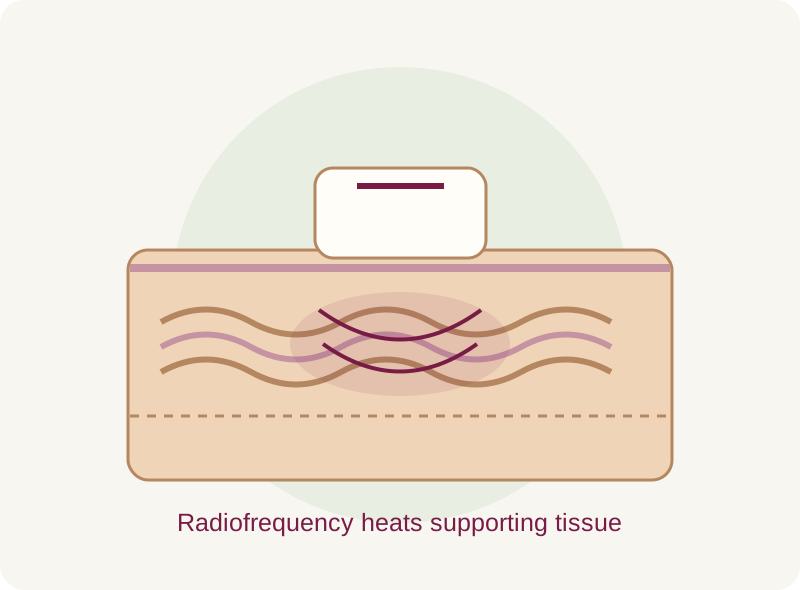
Surface RF warms tissue to encourage remodelling. Explore how an external applicator works and how it differs from needle-based RF.
Explore surface RF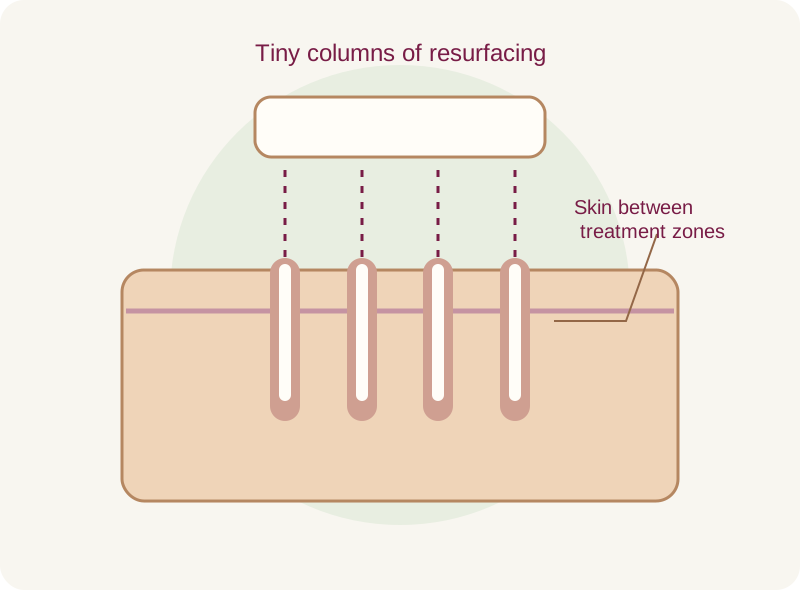
Selected laser treatments can address fine lines and surface texture. Recovery and pigment-change risks matter when choosing them.
Explore fractional CO₂The right option depends on your skin, the area and the amount of looseness. Significant excess skin may be better assessed by a plastic surgeon.
Discuss the area, how it has changed, any weight changes and what improvement would be useful to you.
Bring details of medicines, skin conditions, implants and past procedures. Include any ongoing treatment or recovery.
The clinician checks skin looseness, texture, volume and tissue position. These do not all respond to the same treatment.
Compare expected benefit, discomfort, recovery and risks. It is reasonable to choose skin care, a procedure, a surgical opinion or no treatment.
Baseline photographs and a planned review can help assess actual change rather than day-to-day lighting differences.
Do not keep adding procedures if the result is limited. Revisit the goal and options with your clinician.

Use suitable sunscreen and clothing, seek shade and avoid tanning. Sun protection supports the skin alongside any treatment.
A moisturiser can soften the appearance of fine creases. Firming creams may give small surface benefits but cannot remove excess skin.
Aim for sustainable weight management and avoid smoking. Discuss suitable active skin products rather than combining strong products on your own.
Non-surgical care usually aims for a smaller change than surgery. More marked laxity may respond poorly to devices, and results are not permanent because skin continues to change.
Recovery varies by method. Surface energy treatments, RF microneedling and resurfacing do not have the same risks or downtime. Get aftercare instructions for the procedure you actually choose.

A doctor discusses skin firmness and several treatment options. Use it to prepare questions for your consultation; the choice and timing of treatment depend on your assessment.
Layers Skin & Hair Clinics · Doctor explanation · Telugu and English
Watch on YouTubeVerified Google review excerpts about consultations at Layers. The condition is not specified; these are not skin-tightening results.
“The doctors listened carefully to my concerns and explained the treatment in a clear and professional manner.”
Consultation experience; condition not specified.
“She explained the treatment clearly and made me feel comfortable throughout the consultation.”
Consultation experience; condition not specified.
“The doctor took the time to understand my skin concerns and explained the treatment plan clearly, without rushing.”
Consultation experience; condition not specified.
“Very patient ,humble and polite to answer every single query and build confidence.”
Consultation experience; condition not specified.
“The doctors explained everything clearly and made me feel comfortable and confident.”
Consultation experience; condition not specified.
“The doctor took the time to listen to my concerns patiently and explained the treatment options clearly.”
Consultation experience; condition not specified.
















They can appear together, but they are different. Wrinkles are lines or creases; laxity describes reduced firmness. Facial movement, volume and skin texture may need separate assessment.
Moisturisers can temporarily plump dry skin and soften fine lines. Some active ingredients may give modest changes over time, but creams cannot remove hanging skin or produce a surgical lift.
There is no single best option for every area and person. The amount of looseness, skin thickness, facial volume, health and recovery preferences guide the choice.
They may help selected mild or moderate laxity. They do not remove excess skin, and a surgical opinion can be more useful for substantial sagging.
First consider whether your weight is stable and how much excess skin remains. Mild looseness and large folds need different plans; devices may not give a useful change for large folds.
Several options can be considered, but device selection and settings still matter. Previous pigment changes, scarring and active skin problems should be discussed before treatment.
It depends on the treatment and your skin. Changes develop and fade at different rates, and ageing continues. Review actual progress before committing to maintenance.
Only when there is a clear reason for each one. The order, spacing and recovery need a clinician-led plan; more treatments do not automatically mean a better result.
Understand the cause of the change and compare the care that may help.
Prefer a call? +91 9000 572727