Atopic eczema
Often begins in childhood but can continue or start in adulthood. Dryness and recurring itchy patches may occur alongside a personal or family history of allergies.
When itching and flare-ups keep returning, you need care that goes beyond a moisturiser. Understand the pattern and build a plan for daily life.

Eczema is a group of conditions that cause itchy, inflamed skin. Atopic eczema often comes and goes; contact eczema can be linked to substances touching the skin.
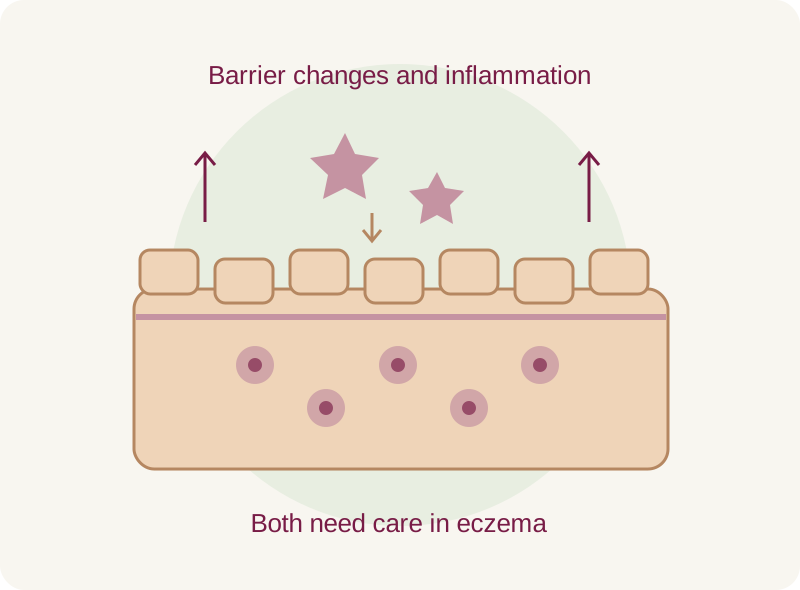
A weakened barrier and inflammation can both contribute. Care usually combines daily skin protection with treatment for active flare-ups. Eczema itself is not contagious.
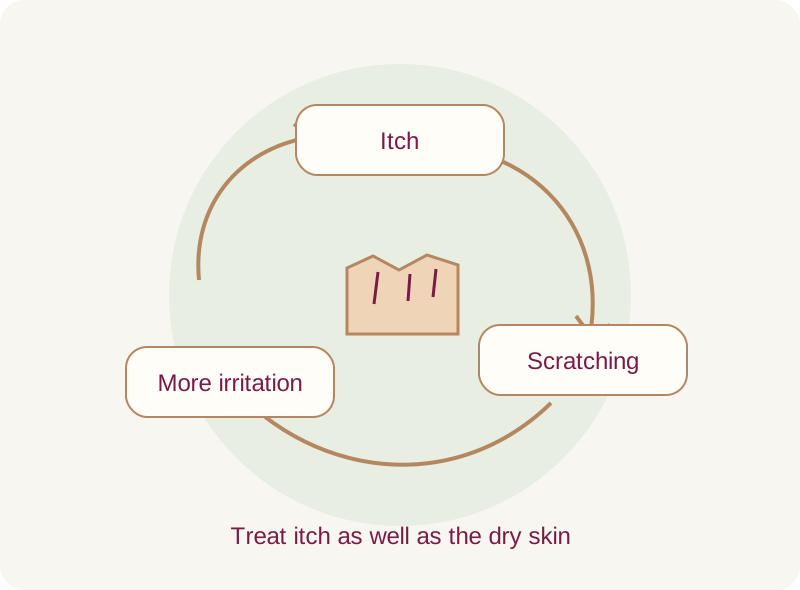
Itching can interrupt sleep and make it difficult to concentrate. Scratching may leave the skin sore or broken.
Areas may be flaky, cracked, swollen or weepy. On brown or black skin, inflammation may look darker, grey or purple rather than bright red.
Repeated rubbing can thicken the skin. Colour changes may remain after a flare has settled.
Often begins in childhood but can continue or start in adulthood. Dryness and recurring itchy patches may occur alongside a personal or family history of allergies.
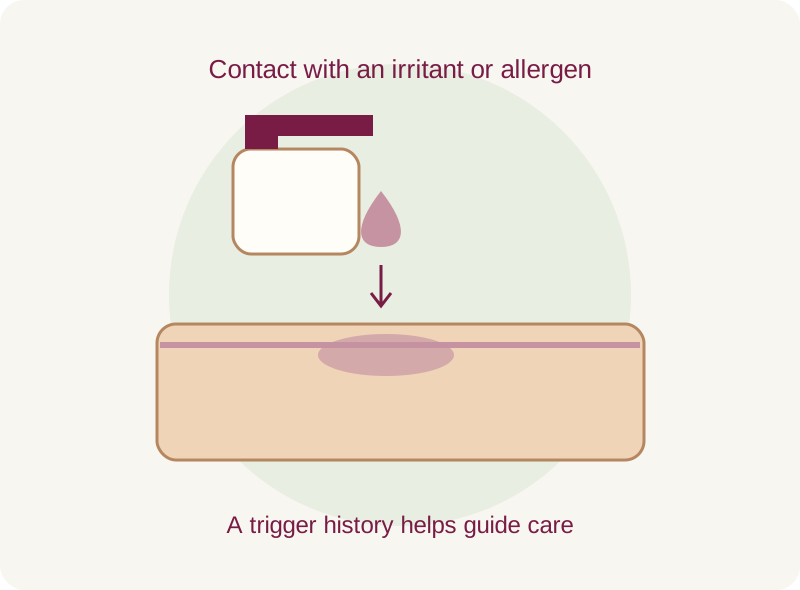
An irritant or allergen may trigger the rash. Work exposures, repeated washing, jewellery and products can provide clues; selected cases need patch testing.
Other eczema patterns also occur. Similar-looking rashes can have different causes, so photographs alone do not establish the diagnosis.
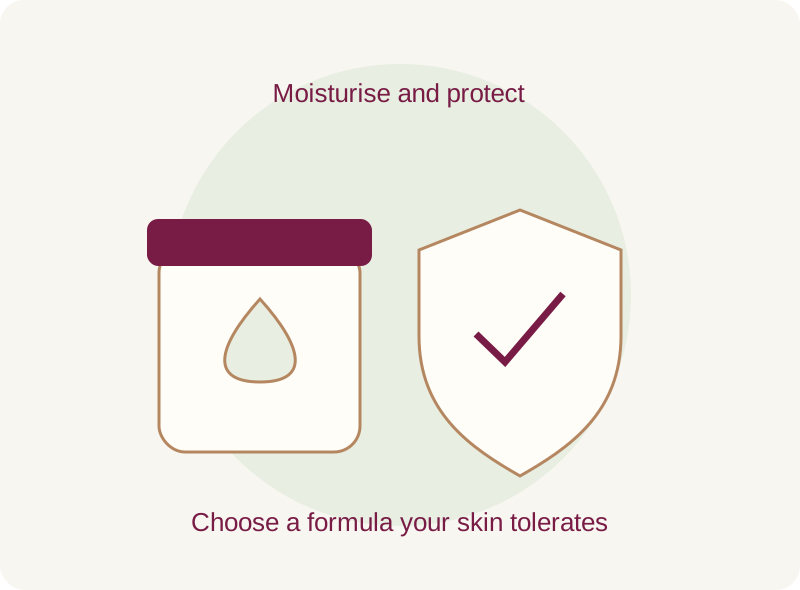
Use an emollient your skin tolerates, including when it feels better. Applying it after a short, warm wash helps keep the routine consistent.
Fragrance-free cleansers and skincare are often easier to tolerate. Avoid scrubs and products that repeatedly sting or trigger a rash.
Heat, sweat, dry air and friction may matter for some people. Look for a repeatable pattern rather than removing many foods or products at once.
Keep nails short and discuss night-time symptoms. If itching is disrupting sleep, the treatment plan may need adjustment.
Emollients reduce dryness and support the barrier. The product needs to suit the area, your sensitivity and how easily you can use it.
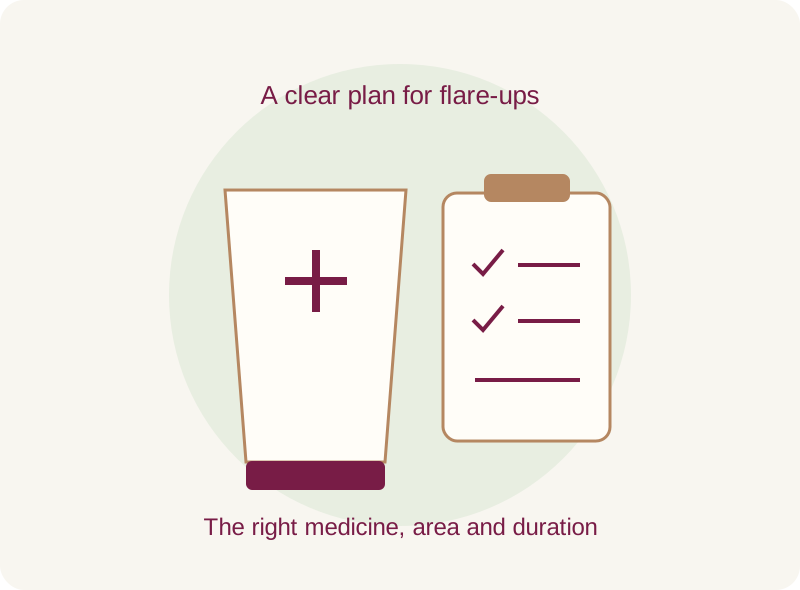
Topical corticosteroids or other prescribed anti-inflammatory medicines may be used. The clinician explains the strength, amount, body area and duration.
If eczema remains widespread or difficult to control, a dermatologist may discuss phototherapy, other medicines or specialist referral. These need individual assessment and monitoring.
A child’s plan and treatment for the face or skin folds may differ from care for other areas. Use medicines as prescribed for the person and area being treated.
Bring the names or photos of creams you use, how often you apply them and what has helped or caused problems.
Mention sleep, work, school, itch and recurring infections. Photos taken during a previous flare can be useful.
Your dermatologist checks affected areas and considers eczema type, infection and other possible causes of the rash.
Ask what to use daily, what changes during a flare, when to step treatment down and when to get help.
Contact the team if instructions are unclear or a treatment is difficult to use. Do not share prescription creams.
Repeated flares, poor sleep or ongoing symptoms may mean the plan needs review. Tell the clinician about side effects or concerns.
Seek prompt medical advice if skin becomes increasingly painful, hot, swollen or starts leaking pus, especially with fever or feeling unwell.
Clusters of painful blisters or rapidly spreading sores need urgent same-day assessment. Eye involvement also needs urgent care.
Arrange a review if flares are frequent, widespread or affecting sleep, even when there are no signs of infection.
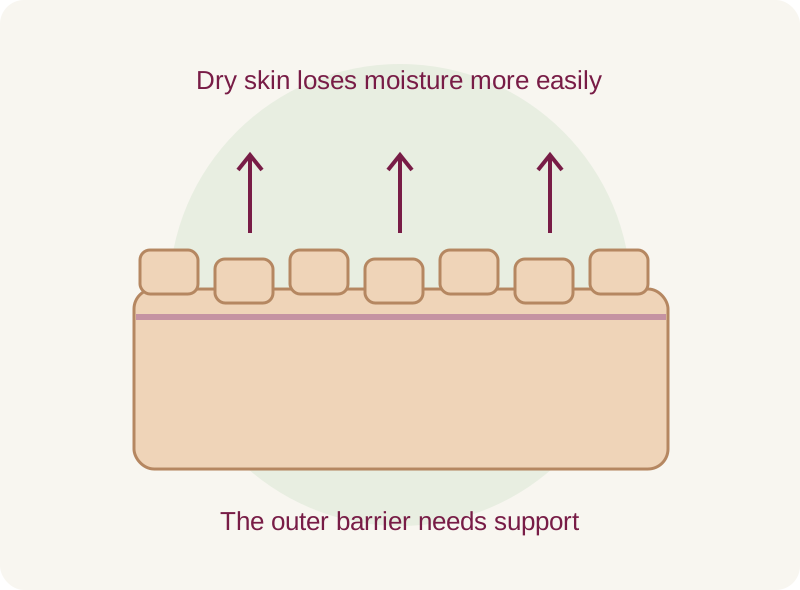
Dryness can occur by itself or alongside eczema. Learn about practical barrier care.
Explore dry skin care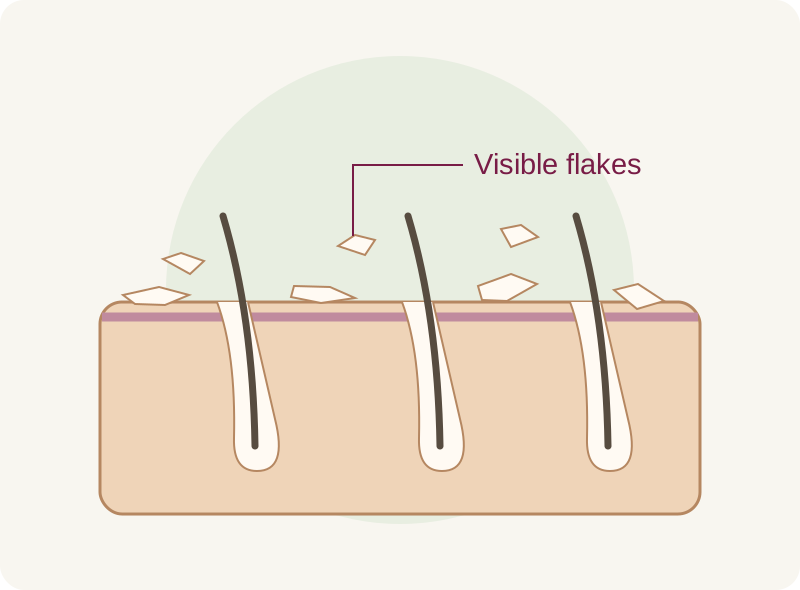
Scalp symptoms may have a different cause and need a different routine.
Explore dandruff and scalp care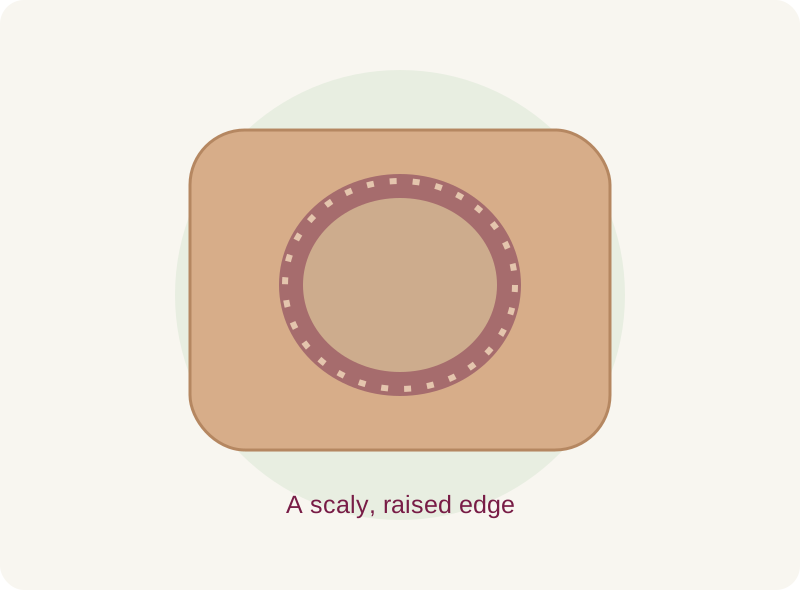
An itchy rash can have another cause. Ringworm and eczema need different treatment, so a recurring patch may need reassessment.
Understand fungal infectionsVerified Google review excerpts about consultations and explanations at Layers. The condition is not specified; these are not eczema treatment results.
“The doctors listened carefully to my concerns and explained the treatment in a clear and professional manner.”
Consultation experience; condition not specified.
“She explained the treatment clearly and made me feel comfortable throughout the consultation.”
Consultation experience; condition not specified.
“The doctor took the time to understand my skin concerns and explained the treatment plan clearly, without rushing.”
Consultation experience; condition not specified.
“Very patient ,humble and polite to answer every single query and build confidence.”
Consultation experience; condition not specified.
“The doctors explained everything clearly and made me feel comfortable and confident.”
Consultation experience; condition not specified.
“The doctor took the time to listen to my concerns patiently and explained the treatment options clearly.”
Consultation experience; condition not specified.
















Atopic eczema can be long-lasting with calmer periods and flare-ups. Treatment aims to control symptoms and reduce flares. Contact eczema may improve when the cause is identified and avoided.
Eczema itself is not contagious. If the skin develops an infection, your clinician can advise on treatment and any precautions.
Not every area or stage needs the same treatment. They can help control inflamed skin when prescribed appropriately. Ask for clear instructions and discuss any concerns rather than changing the plan yourself.
Daily barrier care often remains useful between flares. The amount and product can be adjusted to what your skin needs.
Not everyone does. Patch testing may help when contact allergy is suspected. Testing is based on the history and rash, rather than done routinely for every eczema case.
Do not start broad food restrictions simply because you have eczema. Discuss a consistent suspected reaction with a clinician, especially before changing a child’s diet.
A child needs an age-appropriate plan. Medicine strength, body area and duration should be prescribed for that child; do not borrow another person’s cream.
Inflammation and scratching can change pigment. Control the active eczema first; colour changes may take longer to settle.
Bring your questions and current creams. We’ll help you understand the next steps for your skin.
Prefer a call? +91 9000 572727