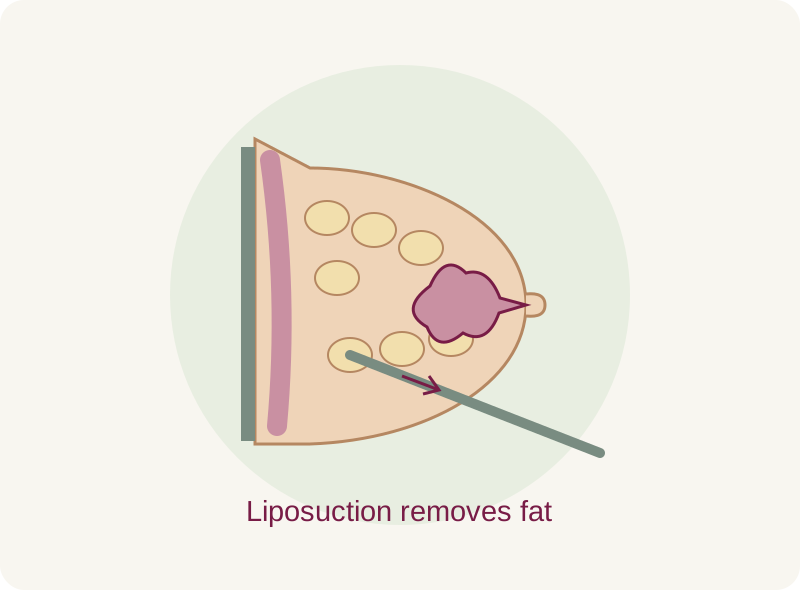
Liposuction for excess fat
A thin suction tube removes selected fat through small openings. It may help a fat-dominant concern, but does not reliably remove firm gland tissue.
Explore liposuctionChest fullness can have several causes. Learn what an assessment involves, when surgery may help and the recovery to consider.
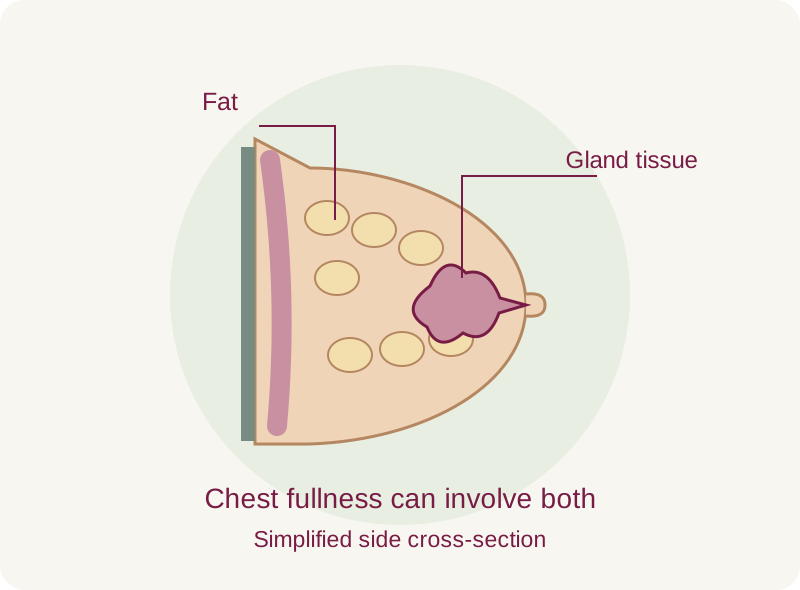
Gynecomastia means an increase in breast gland tissue in boys or men. It can affect one or both sides and may cause tenderness or a change in chest shape.
Extra chest fat can look similar but is different from gland enlargement. Some people have both. Male breast reduction surgery removes selected tissue to change the contour once the cause and suitable options have been assessed.
Tell the clinician when the change began and about medicines, supplements, anabolic steroids and other health conditions. Hormonal changes, some medicines and medical conditions can contribute.
The clinician checks the tissue, skin and any lump or tenderness. Blood tests or imaging may be requested when the history or examination suggests a need.
Puberty-related enlargement may improve with time. Treating an underlying cause or reviewing a medicine may help. Never stop prescribed medication without your prescriber’s advice.
A thin suction tube removes selected fat through small openings. It may help a fat-dominant concern, but does not reliably remove firm gland tissue.
Explore liposuction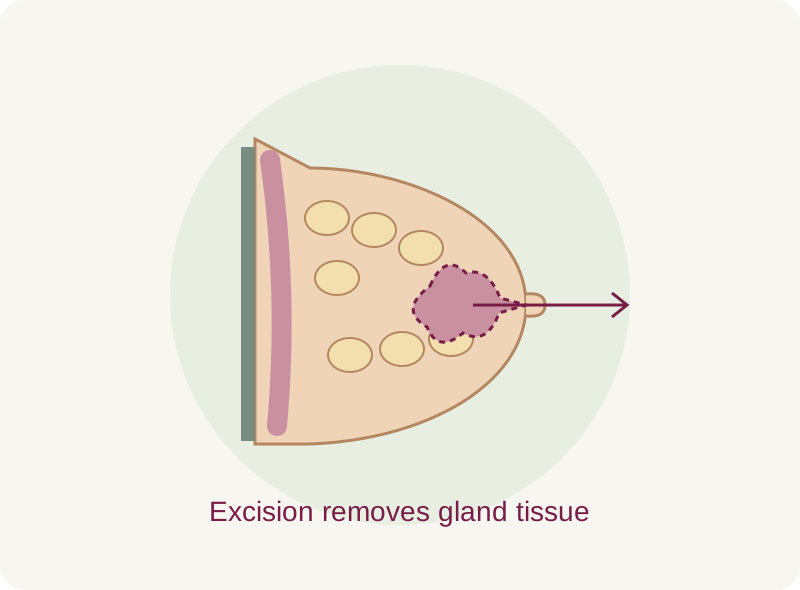
Gland tissue is removed through an incision, often near the areola edge. Liposuction and excision may be combined when both fat and gland contribute.
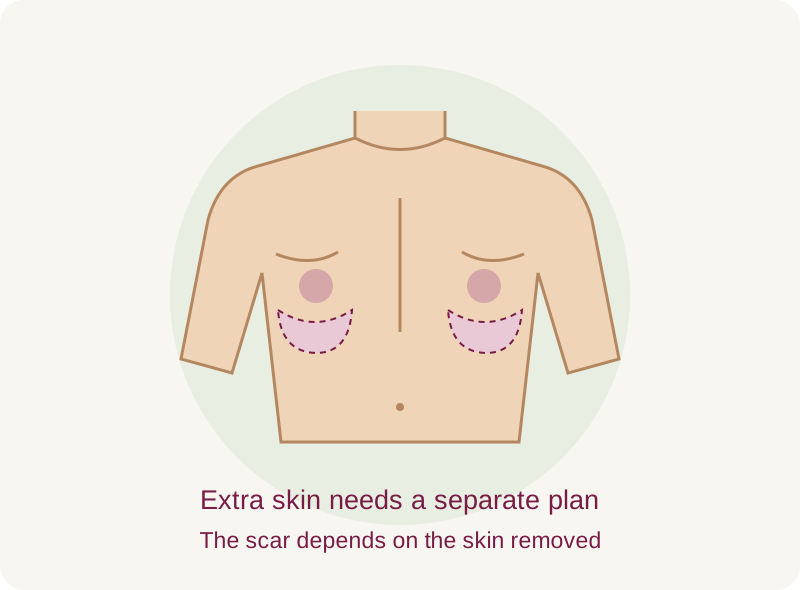
Larger or stretched skin folds may need removal and sometimes nipple repositioning. This requires a different scar pattern from a small gland-removal incision.
Persistent enlargement, discomfort or difficulty with clothing can be reasons to discuss surgery after the cause has been assessed. The decision should reflect your own priorities.
A stable weight, review of nicotine use and control of medical conditions help planning. Discuss any ongoing medicine or hormone-related cause that may affect the result.
Surgery changes tissue and contour. It does not create muscle or guarantee a perfectly flat or symmetrical chest. Scars and altered nipple sensation are possible.
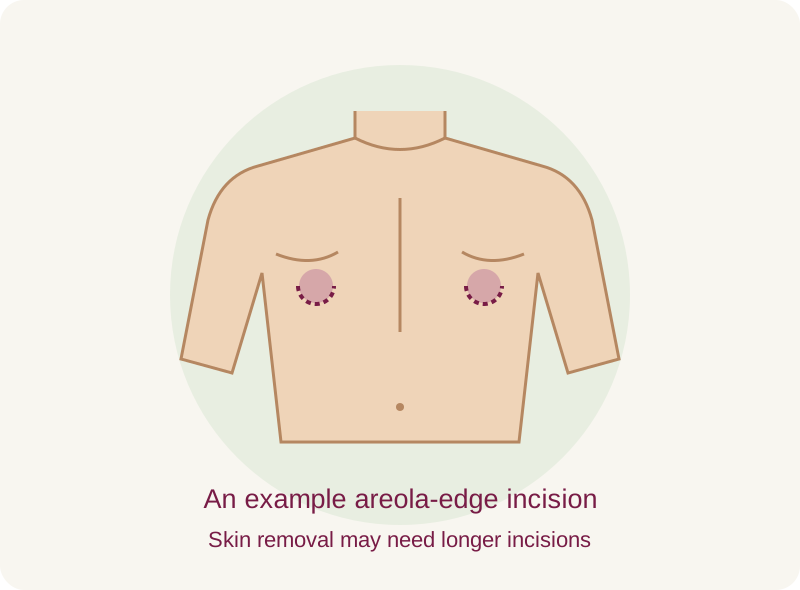
Liposuction uses small access points. Gland removal may use an incision along part of the areola edge. If skin needs removal, the incision can be longer or follow another pattern.
Scars are permanent, though they may fade over time. Ask the surgeon to show the expected placement and explain how much reshaping is possible with that approach.
Discuss the cause, the proposed tissue removal, scars, anaesthetic and expected change with the plastic surgeon. Confirm the facility and follow-up arrangements.
Follow individual instructions for medicines, nicotine, food and drink. Arrange transport and help at home, particularly if your routine involves lifting.
Under the agreed anaesthetic, the surgeon removes the tissue using the planned method. Skin removal or nipple adjustment is added only if part of your plan.
The incisions are closed and dressed. A temporary drain may be placed, and removed tissue may be sent for examination when indicated.
Follow instructions for dressings, any drains and the support garment. Ask when to wash and what changes should prompt a call.
Attend your follow-ups. The team will guide your return to work, lifting and exercise based on the operation and healing.
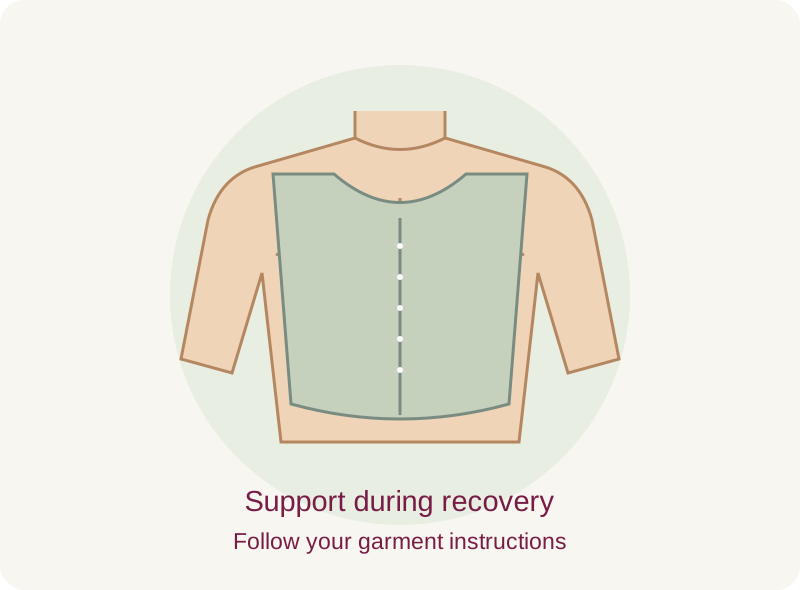
Bruising, swelling and soreness are expected at first. Take medicines as prescribed and keep to the wound-care instructions.
Time away depends on the operation and how physical your work is. Gentle movement and heavier tasks have different demands; follow the advice you are given.
Do not rush back to chest training or heavy lifting. Wait for clearance so strain does not disrupt the incisions or recovering tissue.
Bleeding, infection, fluid collections, slow healing, tissue damage and noticeable scars can occur. Some problems need further treatment or surgery.
Dents, unevenness, asymmetry, persistent pain or temporary or lasting nipple numbness are possible. A further procedure may be needed for a contour concern.
Blood clots, injury to deeper structures and heart, lung or anaesthetic complications are serious risks. Your health and the extent of surgery affect the assessment.
Swelling can hide the final contour for several months. Assess shape, comfort and healing at your follow-ups rather than judging the result immediately.
The change can be lasting, but weight gain and an ongoing hormonal or medicine-related cause can lead to further enlargement. Review these factors with your clinician and maintain a stable routine.
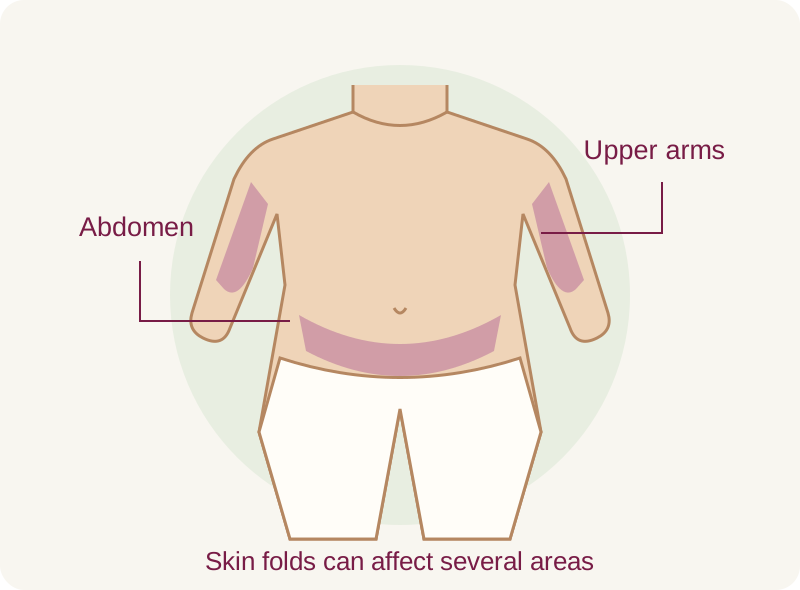
If chest changes are part of wider loose skin after weight loss, explore a plan based on the areas involved, nutrition and recovery.
Explore care after weight lossThese verified Google excerpts describe general consultations and care. They do not identify gynecomastia surgery or show its results.
“The doctors listened carefully to my concerns and explained the treatment in a clear and professional manner.”
Consultation experience; condition not specified.
“She explained the treatment clearly and made me feel comfortable throughout the consultation.”
Consultation experience; condition not specified.
“The doctor took the time to understand my skin concerns and explained the treatment plan clearly, without rushing.”
Consultation experience; condition not specified.
“Very patient ,humble and polite to answer every single query and build confidence.”
Consultation experience; condition not specified.
“The doctors explained everything clearly and made me feel comfortable and confident.”
Consultation experience; condition not specified.
“The doctor took the time to listen to my concerns patiently and explained the treatment options clearly.”
Consultation experience; condition not specified.




No. Gland enlargement, extra fat and loose skin can look similar or occur together. An examination helps distinguish them.
Exercise can support fitness and fat loss, but does not specifically remove enlarged gland tissue. First establish what is causing the fullness.
It may suit a fat-dominant concern. Firm gland tissue or substantial loose skin can need excision as well.
Yes, gynecomastia can be uneven or affect one side. A new lump or unexplained change still needs medical assessment before assuming the cause.
Puberty-related changes often settle over time. Assessment, breast development and persistence of the concern guide any decision; surgery is not the automatic first step.
It can, particularly if a contributing cause persists or body weight changes. Discuss medicines and hormone-related factors with your clinician; do not change prescriptions yourself.
Temporary or lasting changes are possible. The technique and amount of tissue removal affect the risk, so discuss this before consent.
Wait for advice based on wound healing and the activity. Heavy lifting and chest exercises may need a longer pause than gentle everyday movement.
Arrange an assessment of your chest concern and understand the options available.
Prefer a call? +91 9000 572727