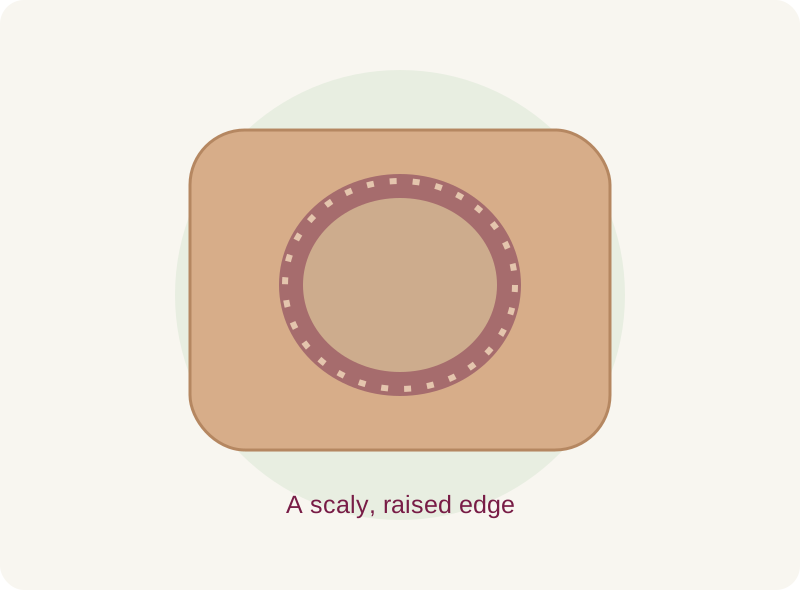
Body or groin
Ringworm may form an itchy patch with a more noticeable edge. It can look red, grey or brown depending on skin tone, and does not always make a clear ring.
Fungal infections can affect skin, hair and nails. The right treatment starts with checking the cause and the area involved.
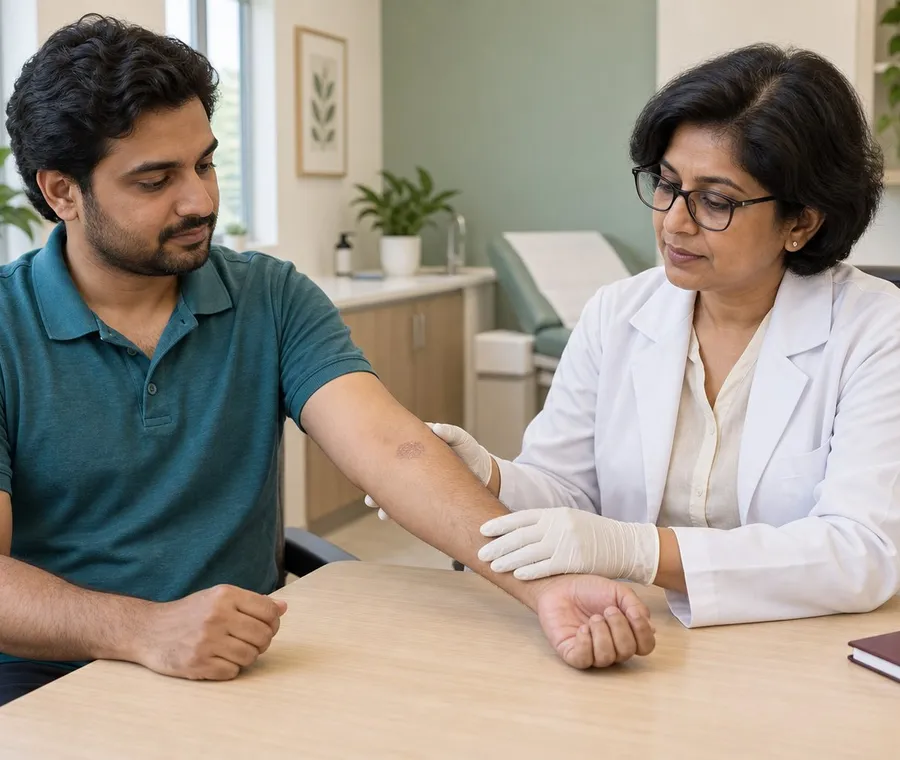
Some fungi can grow on the outer skin, hair or nails. Ringworm is one example: despite its name, it is caused by a fungus, not a worm. Yeasts can cause other kinds of skin rash.
These conditions do not all look the same or need the same medicine. An itchy, flaky patch can also be eczema, psoriasis or another skin problem, so appearance alone is not a reliable self-diagnosis.
Ringworm may form an itchy patch with a more noticeable edge. It can look red, grey or brown depending on skin tone, and does not always make a clear ring.
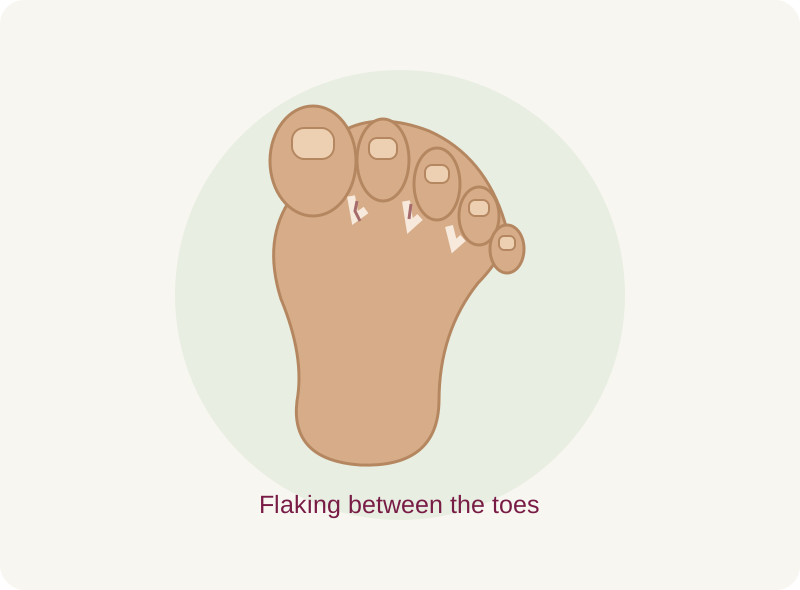
Athlete’s foot can cause peeling, itching and cracks between the toes or on the sole. It may also spread to the nails.
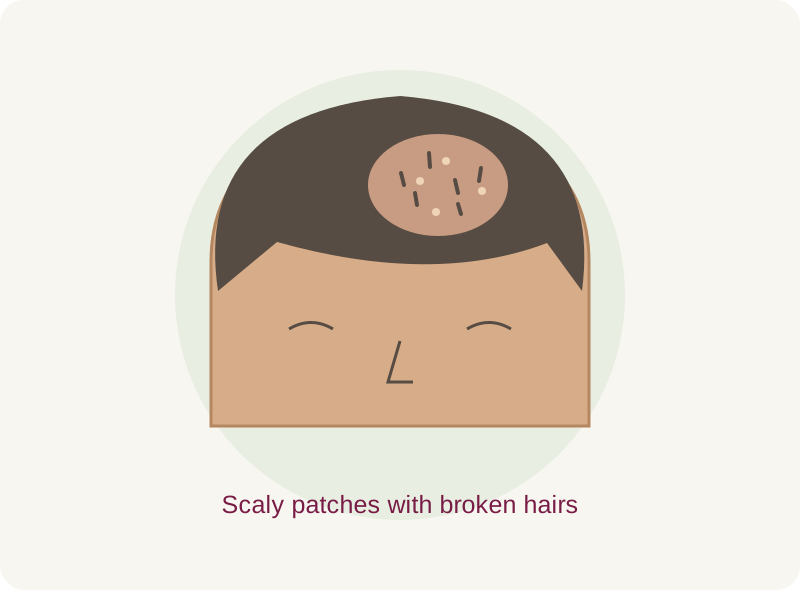
Flaking with patchy hair loss or broken hairs needs an examination. Scalp ringworm usually needs oral prescription treatment; shampoo or skin cream alone is not enough.
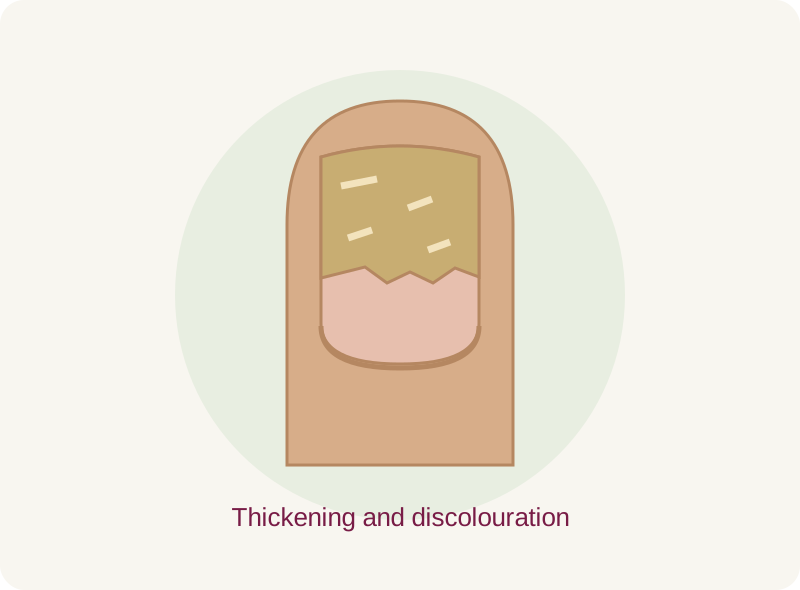
Fungus can make a nail thick, discoloured or crumbly. Injury and psoriasis can look similar, so a sample may be needed before choosing treatment.
Explore nail changes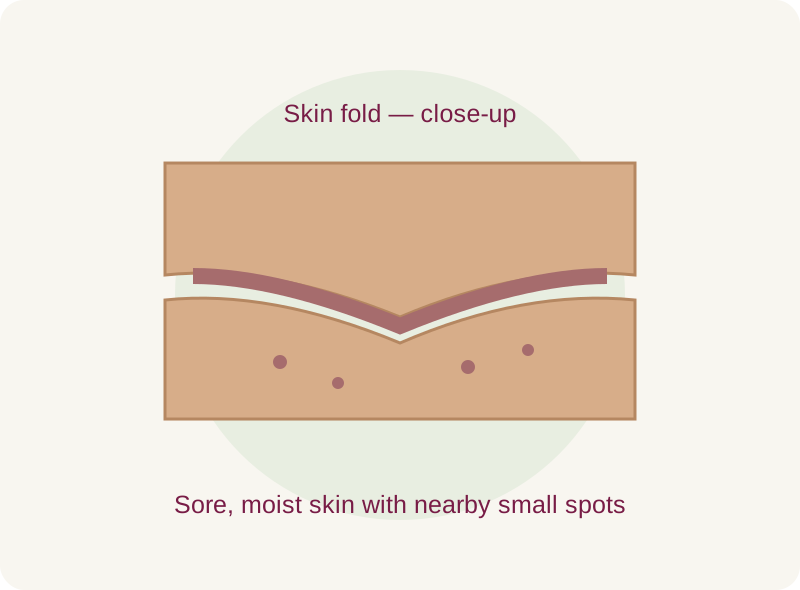
Candida yeast can cause a sore rash in warm, damp folds, sometimes with small spots around it. Friction, sweating and other health factors can contribute.
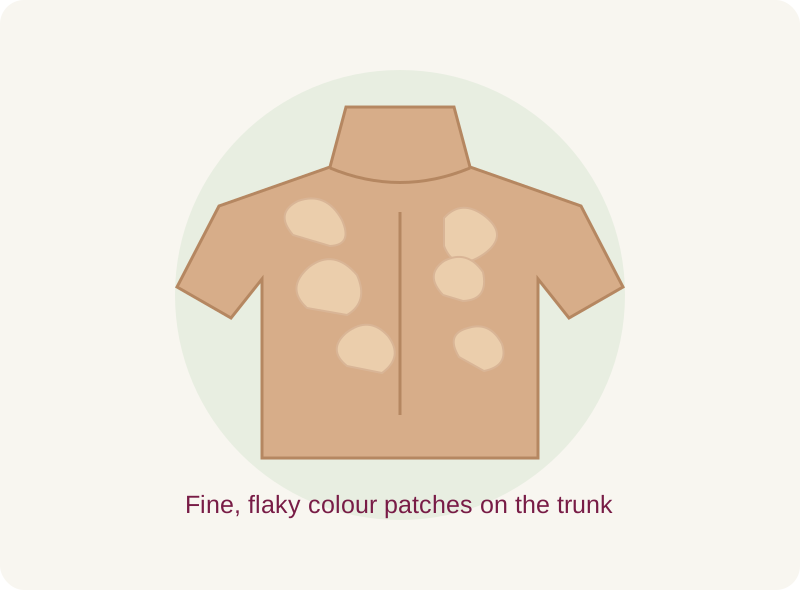
Pityriasis versicolor causes fine, flaky patches that may be lighter, darker or pink. It involves yeast normally found on skin and is not usually passed between people like ringworm.
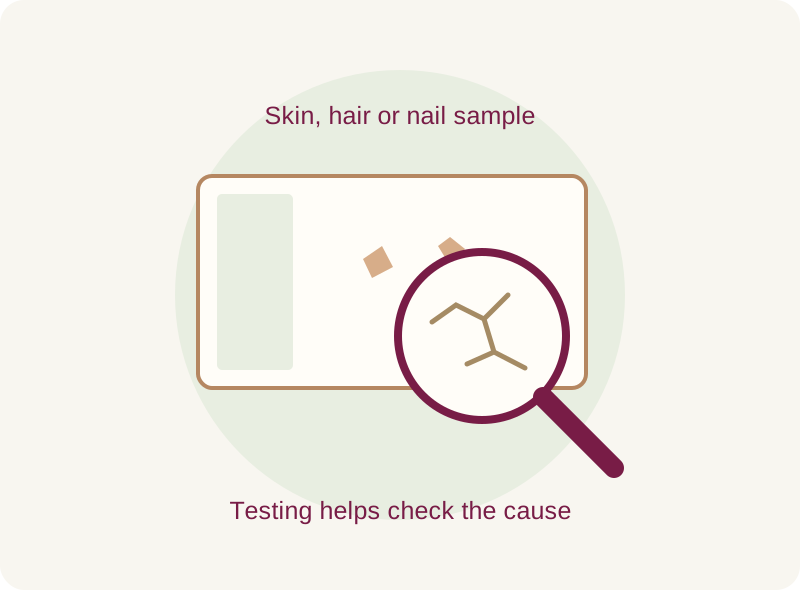
The dermatologist checks the rash and may look at the feet, nails or scalp too. Mention when it began, previous episodes and whether anyone close to you has similar symptoms.
Testing can help confirm fungus and distinguish it from other conditions. It is especially useful when the diagnosis is uncertain, treatment has failed or nail treatment is being considered.
Show the labels of creams, tablets and home remedies. Some combination rash creams contain steroids that can change how ringworm looks and make it worse.
A suitable cream, spray or other topical medicine may treat a localised skin infection. The product, area to cover and course length depend on the diagnosis.
Scalp infection, selected nail infections and some extensive or persistent rashes may need oral medicine. Health history, other medicines, pregnancy and possible monitoring matter.
Selected antifungal washes or creams may help pityriasis versicolor. Skin-fold candidiasis needs treatment suited to the area, along with reducing trapped moisture and friction.
Discuss symptoms, earlier treatment, contact with animals and recurring infections. Tell the clinician about diabetes, immune conditions and any medicines you take.
A scraping, hair sample or nail clipping may be recommended. Ask how you will receive the result and whether it could change the plan.
Confirm where, how often and how long to apply or take the medicine. Treat affected sites as directed rather than only the most itchy patch.
Discuss allergies, pregnancy or breastfeeding and other medicines before treatment. Report side effects rather than adding another cream yourself.
Improved itching does not necessarily mean the infection has cleared. Follow the agreed duration and contact the clinician if symptoms worsen or fail to improve.
A returning rash may involve reinfection, an unsuitable medicine, resistance or a different diagnosis. Further testing or a different plan may be needed.
Dry skin folds and between the toes gently. Change damp clothes and socks, and choose footwear and clothing that let moisture escape.
Do not share towels, combs, bedding or footwear. Wash personal items regularly, clean your hands after touching a rash and wear sandals in communal showers.
Tell the clinician if household members have symptoms. A pet with missing fur or a suspected ringworm patch needs veterinary advice. These precautions differ from care for pityriasis versicolor.
Not every recurring rash is fungal. A fresh assessment can check for other skin conditions or more than one problem at the same time.
Missed applications, stopping early or an untreated affected area can make control harder. Explain any difficulty following the plan without feeling embarrassed.
Drug-resistant ringworm is a recognised problem. A rash that persists despite treatment may need further testing and a different prescription, not repeated unsupervised courses.
Do not self-treat suspected ringworm with a steroid-containing combination cream. If a prescribed cream concerns you, ask the prescriber to review it.
There is no single treatment duration for every fungal infection. Scalp and nail treatment can take longer than treatment for a small skin patch, and a damaged nail needs time to grow out.
Itching and scale may improve before normal colour returns. With pityriasis versicolor, colour differences can remain after the yeast is controlled. Ask the clinician how to judge progress rather than extending medicine just to chase a colour change.
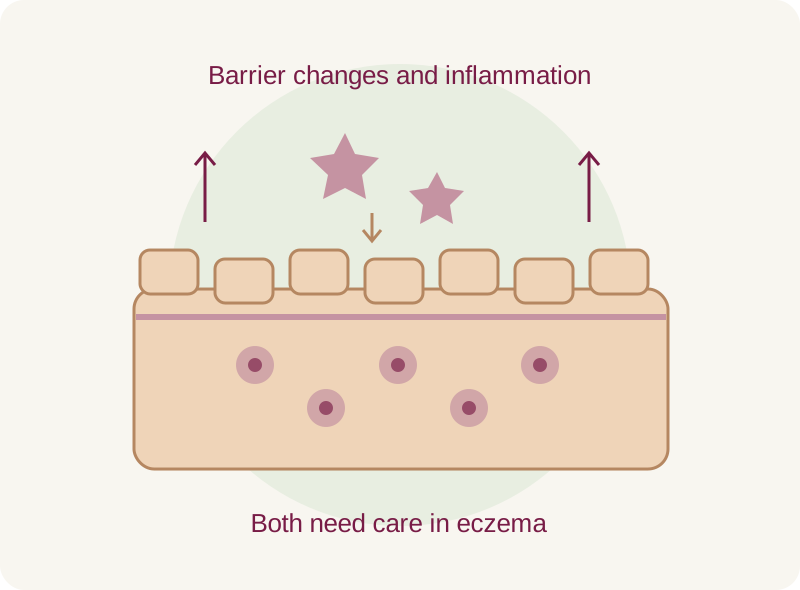
Eczema can cause dry, itchy patches but needs a different care plan. Avoid assuming every rash needs an antifungal.
Understand eczema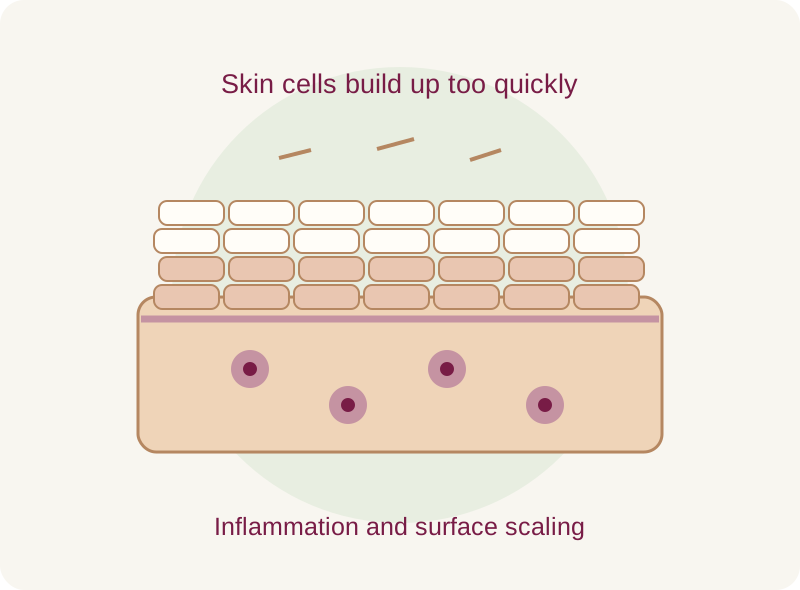
Psoriasis may affect skin, scalp and nails. An examination helps separate it from infection.
Understand psoriasisThese original Google excerpts describe general consultations and care. They do not identify fungal-infection treatment or its outcomes.
“The doctors listened carefully to my concerns and explained the treatment in a clear and professional manner.”
Consultation experience; condition not specified.
“She explained the treatment clearly and made me feel comfortable throughout the consultation.”
Consultation experience; condition not specified.
“The doctor took the time to understand my skin concerns and explained the treatment plan clearly, without rushing.”
Consultation experience; condition not specified.
“Very patient ,humble and polite to answer every single query and build confidence.”
Consultation experience; condition not specified.
“The doctors explained everything clearly and made me feel comfortable and confident.”
Consultation experience; condition not specified.
“The doctor took the time to listen to my concerns patiently and explained the treatment options clearly.”
Consultation experience; condition not specified.
















No. Several skin conditions can form circular patches. A clinician can examine the area and arrange a sample when useful.
Ringworm can spread through contact with an infected person, animal or shared items. Pityriasis versicolor is different: it relates to yeast normally on the skin and is not usually considered contagious.
Do not choose a steroid-containing rash cream for suspected ringworm yourself. It can mask or worsen the infection. Show your existing prescription to the clinician if you are unsure what it contains.
Usually not. Scalp ringworm generally needs a prescribed oral antifungal, with shampoo sometimes added to reduce spread. A flaky scalp does not automatically mean ringworm.
No. Injury, psoriasis and other nail problems can look similar. A nail sample can help confirm the cause before a longer treatment course.
Follow the prescribed course even if the area feels better. If you develop side effects or the rash gets worse, contact the clinician for advice instead of changing the course yourself.
In pityriasis versicolor, normal colour may return more slowly than the yeast clears. Persistent colour alone does not prove treatment failure; ask for reassessment if unsure.
Bring cream and tablet names, previous test results, a list of medicines and photos of earlier flares. Mention any similar rash in close contacts and relevant medical conditions.
Discuss your symptoms, previous treatments and a plan you can follow.
Prefer a call? +91 9000 572727