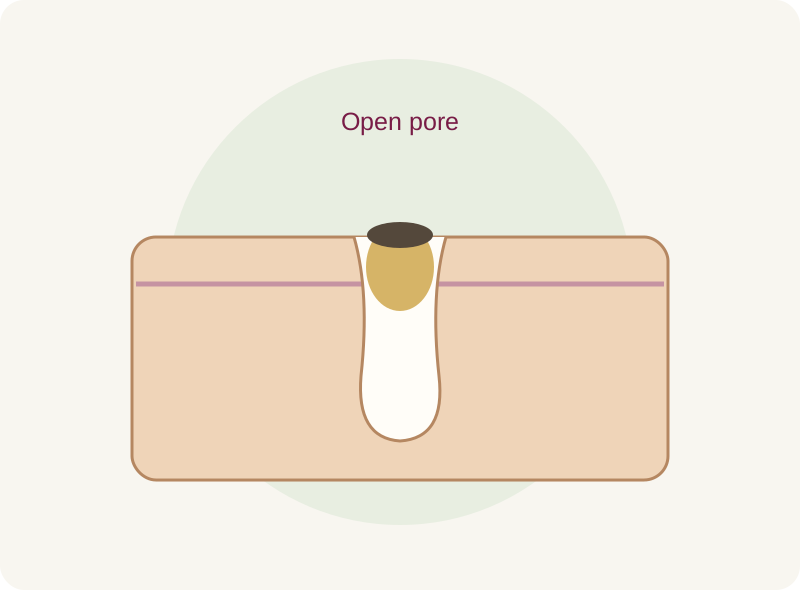
Blackheads
Small open pores with a dark plug. The colour is not dirt, and harsh scrubbing does not remove the cause.
Frequent breakouts, blocked pores or painful spots? A dermatologist can help you understand your acne and build a manageable care plan.

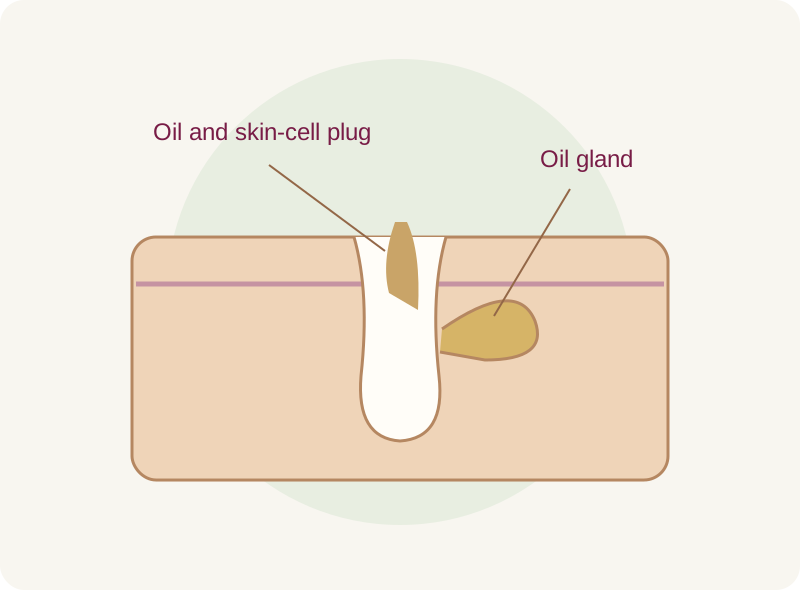
Acne develops around hair follicles and oil glands. Oil and shed skin cells can block the follicle; inflammation and bacteria within it contribute to some breakouts.
It can affect teenagers and adults, on the face, chest or back. Hormones, family tendency and some products or medicines can play a part. Acne is not a sign that your skin is dirty.
Small open pores with a dark plug. The colour is not dirt, and harsh scrubbing does not remove the cause.
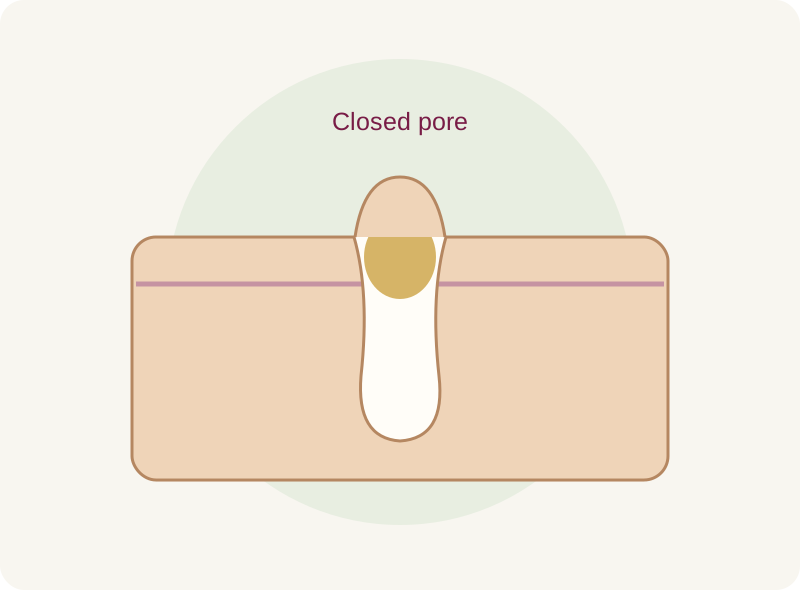
Small closed bumps where the pore opening is covered. Several may appear together on the forehead, cheeks or chin.
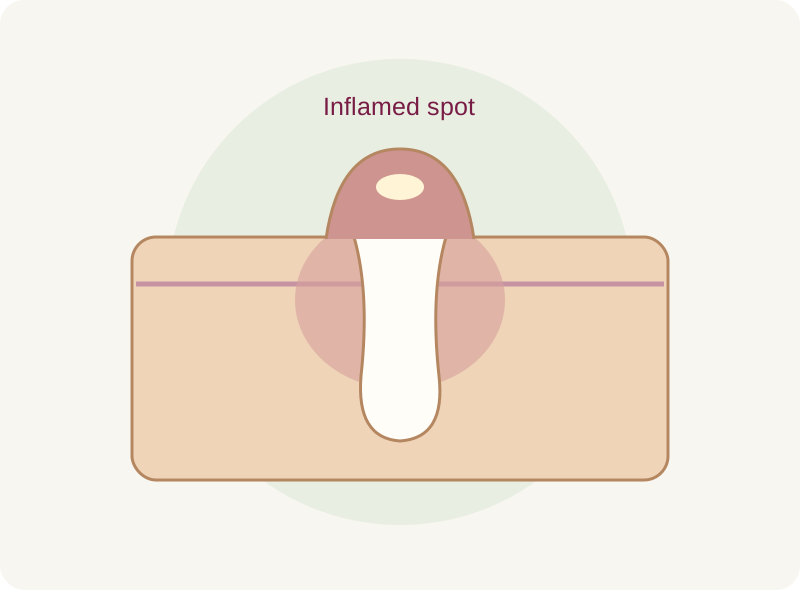
Tender bumps, sometimes with a white or yellow centre. Redness may be less obvious on darker skin.
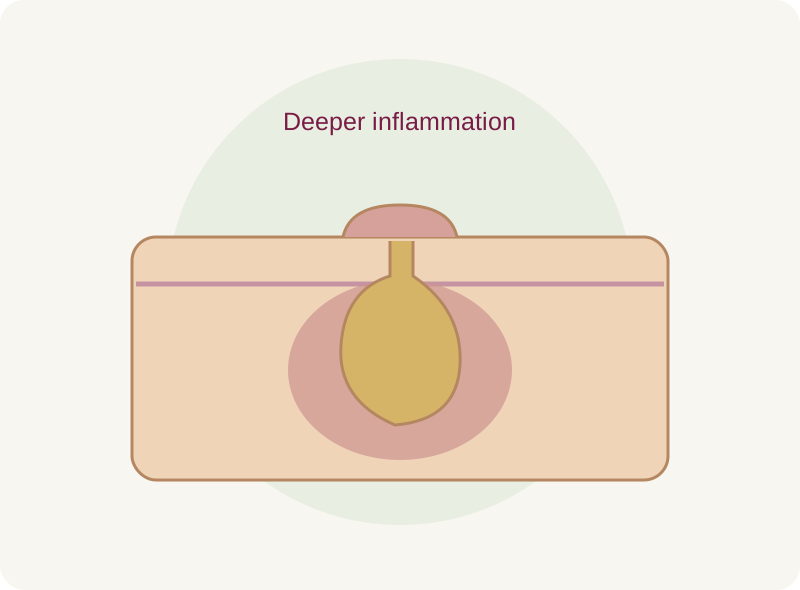
Nodules and cyst-like spots sit deeper and can leave scars. Early assessment is useful, especially when they keep returning.
Options such as benzoyl peroxide, retinoids or azelaic acid address different parts of acne. The choice and routine depend on your skin and medical history.
More persistent or severe acne may need oral treatment, hormonal options for suitable patients or specialist isotretinoin care. These require assessment, monitoring and pregnancy-related precautions where relevant.
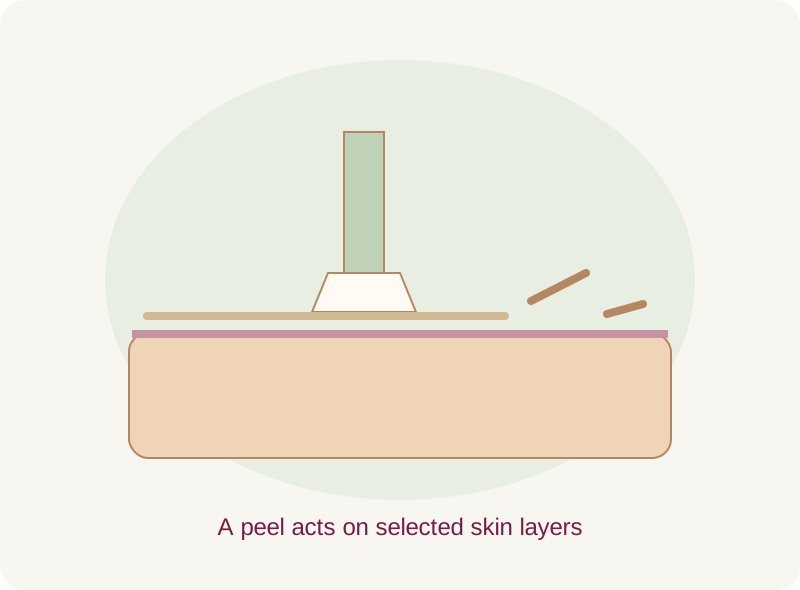
A suitable chemical peel may support care for selected acne concerns. It does not replace a plan to control ongoing breakouts.
Explore chemical peelsGet advice for deep lumps or breakouts affecting larger areas of the face, chest or back.
Treating active acne can help reduce new damage. Flat colour changes and structural scars need different follow-up care.
Bring a list of products and treatments already tried. Frequent changes or adding several strong products can make irritation worse.
Feeling low, anxious or avoiding activities because of acne is also a reason to ask for help.
Your dermatologist checks the types of spots, where they appear and any marks or scars.
Discuss your routine, medicines, earlier treatment and any hormonal symptoms. Mention pregnancy, plans for pregnancy or breastfeeding before medicines are chosen.
Confirm where and how to use prescribed products, what irritation to expect and when to contact the clinic.
Acne care takes time. Your plan should include a review rather than repeated changes after only a few days.
Review new breakouts, irritation and how consistently you can follow the routine. Medicines can be adjusted when needed.
Maintenance treatment may continue once acne improves. Marks and scars can be assessed alongside the control of active acne.
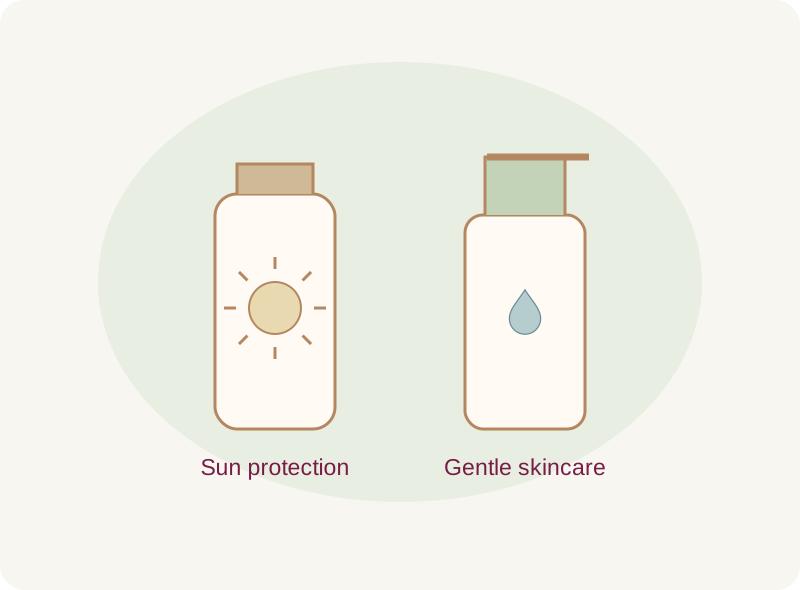
Cleanse gently and choose products labelled non-comedogenic, meaning they are less likely to clog pores. Moisturiser and sun protection can support skin that is dry or sensitive during treatment.
Avoid picking, squeezing and harsh scrubs. More product is not more effective: follow the prescribed amount and speak to your clinician if your skin becomes very irritated.
Fewer breakouts often take several weeks, and fuller improvement may take months. Keep the planned review so your response can guide changes.
Acne is not caused by poor hygiene. A balanced routine is more useful than repeatedly washing or trying to dry out every spot.
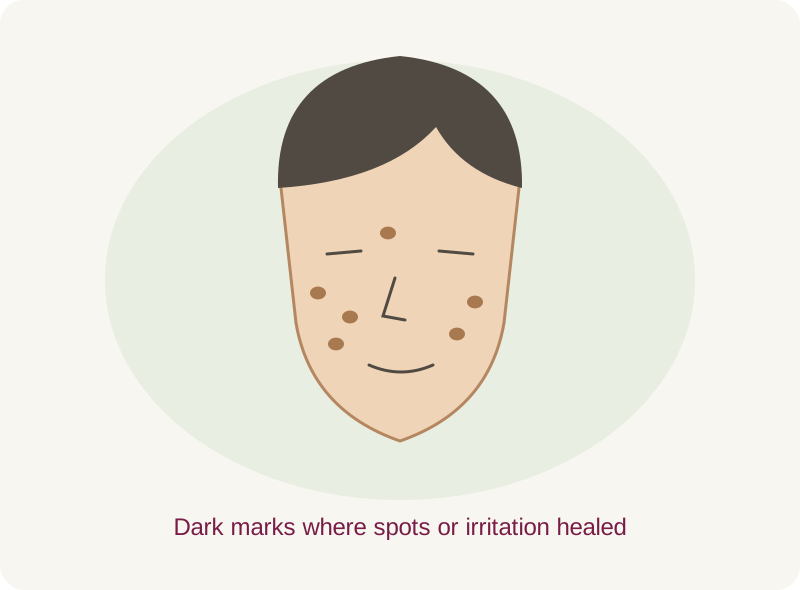
These are colour changes left after inflammation. They can fade gradually, with targeted care when needed.
Explore acne marks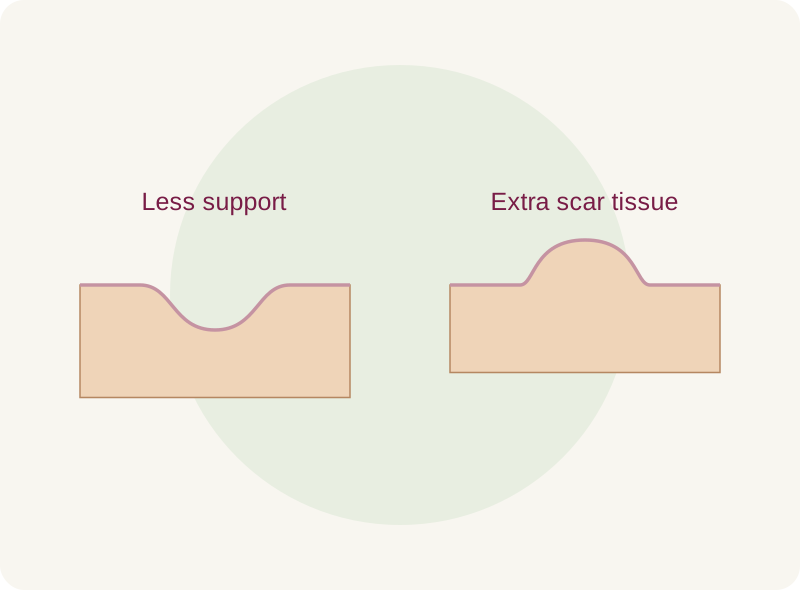
Indentations or raised scars are changes in skin structure. Scar treatment is planned around the scar type and control of active acne.
Explore acne scar careShowing all 7 photographs
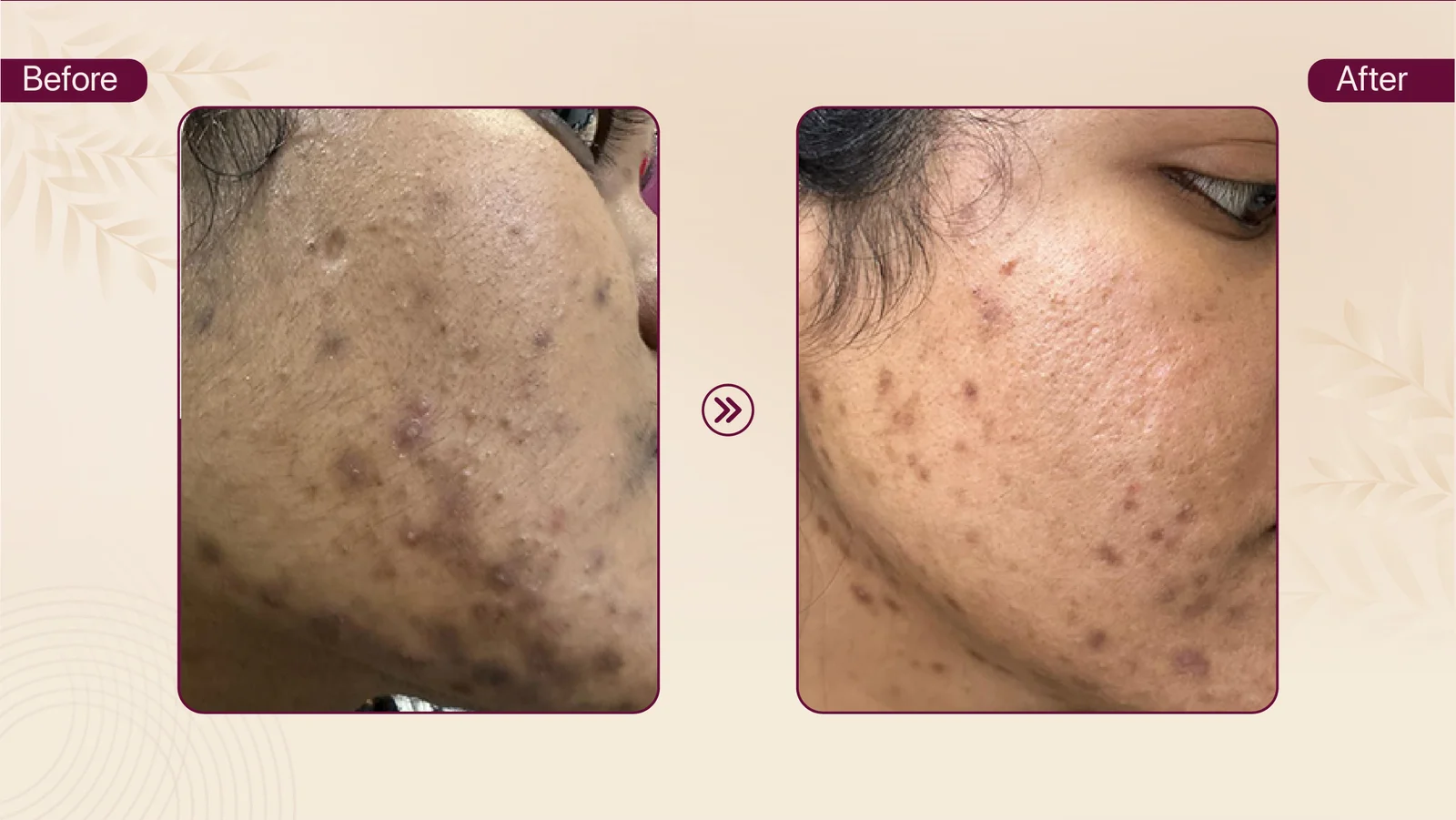
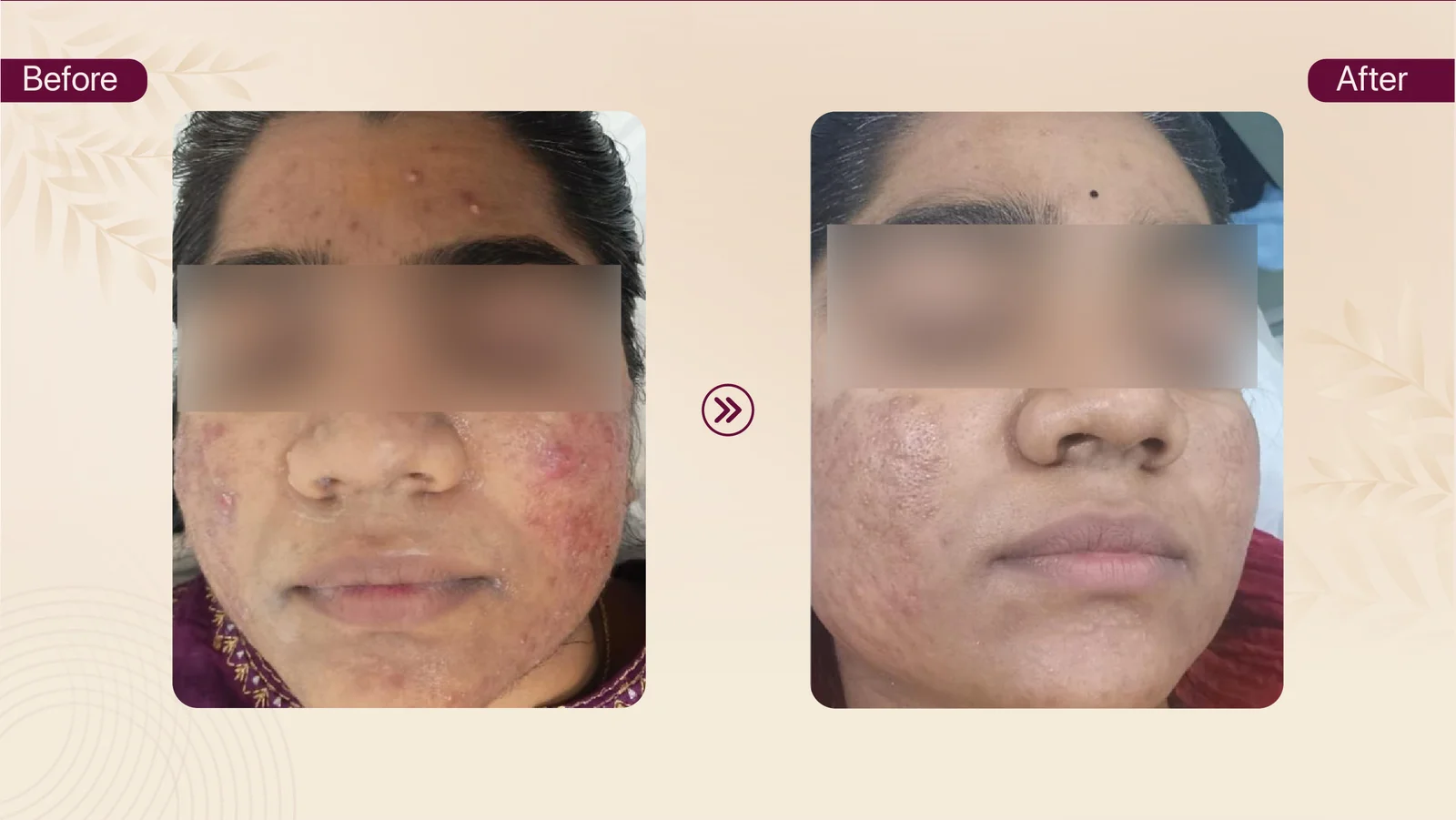
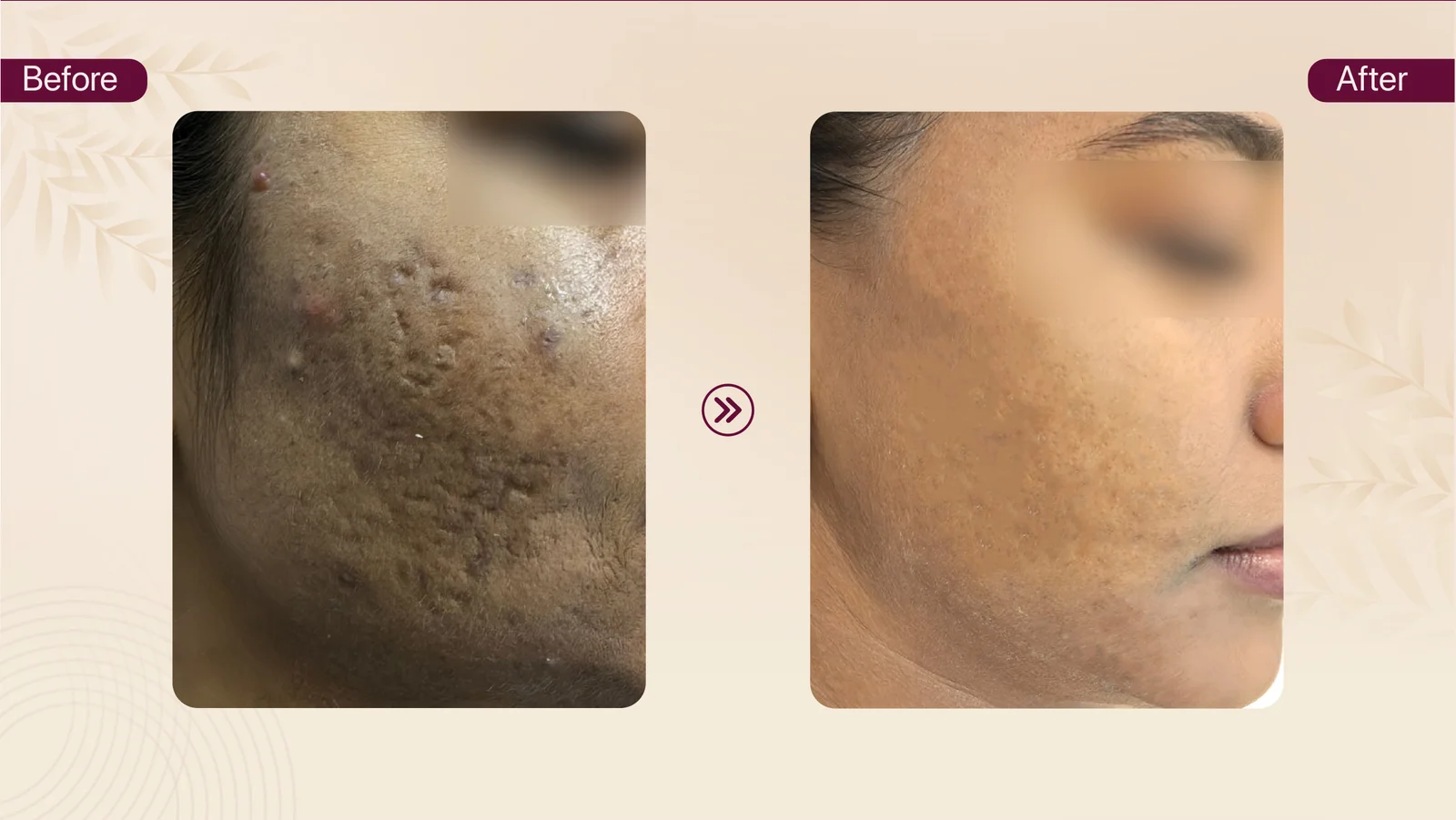
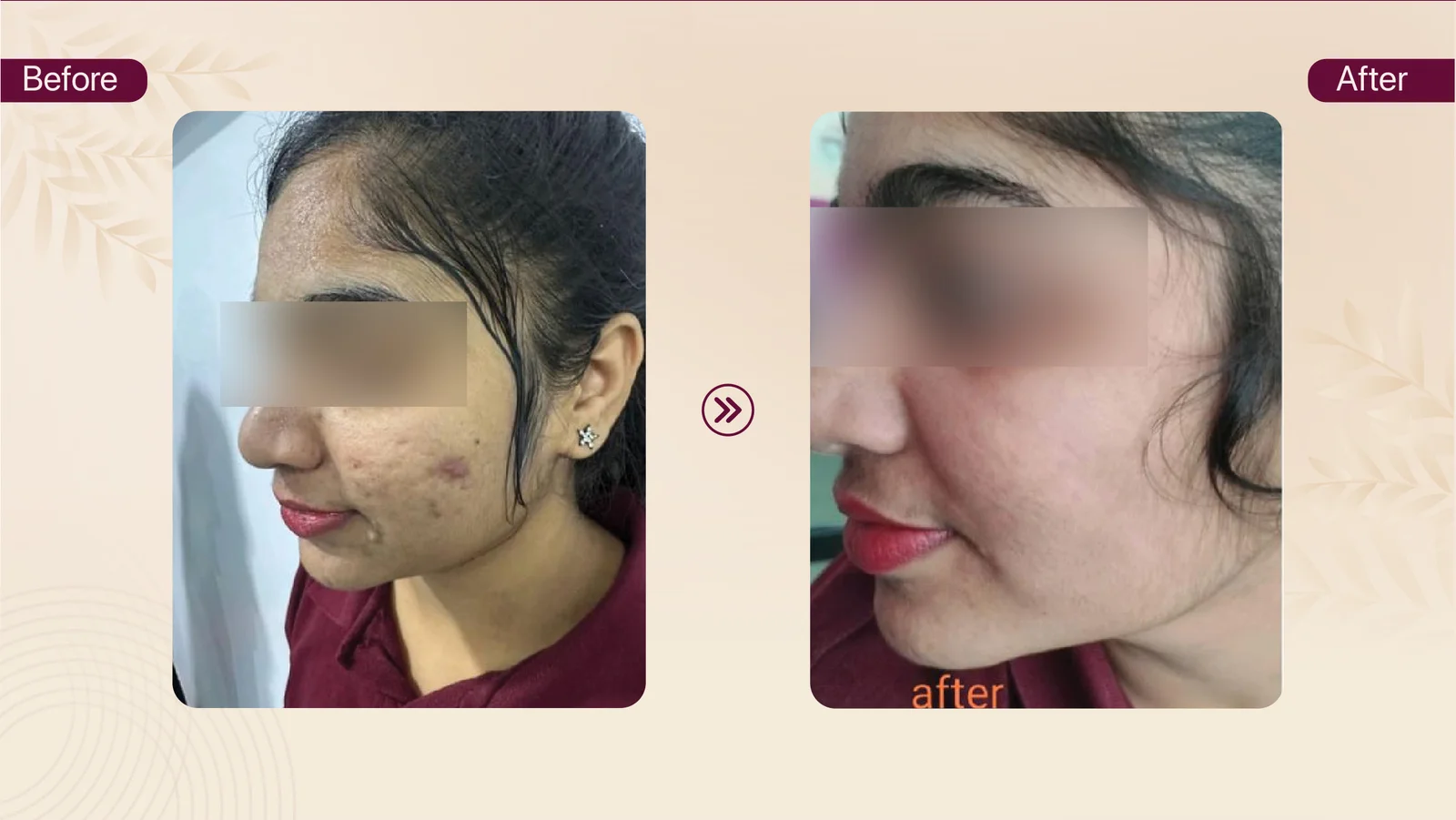
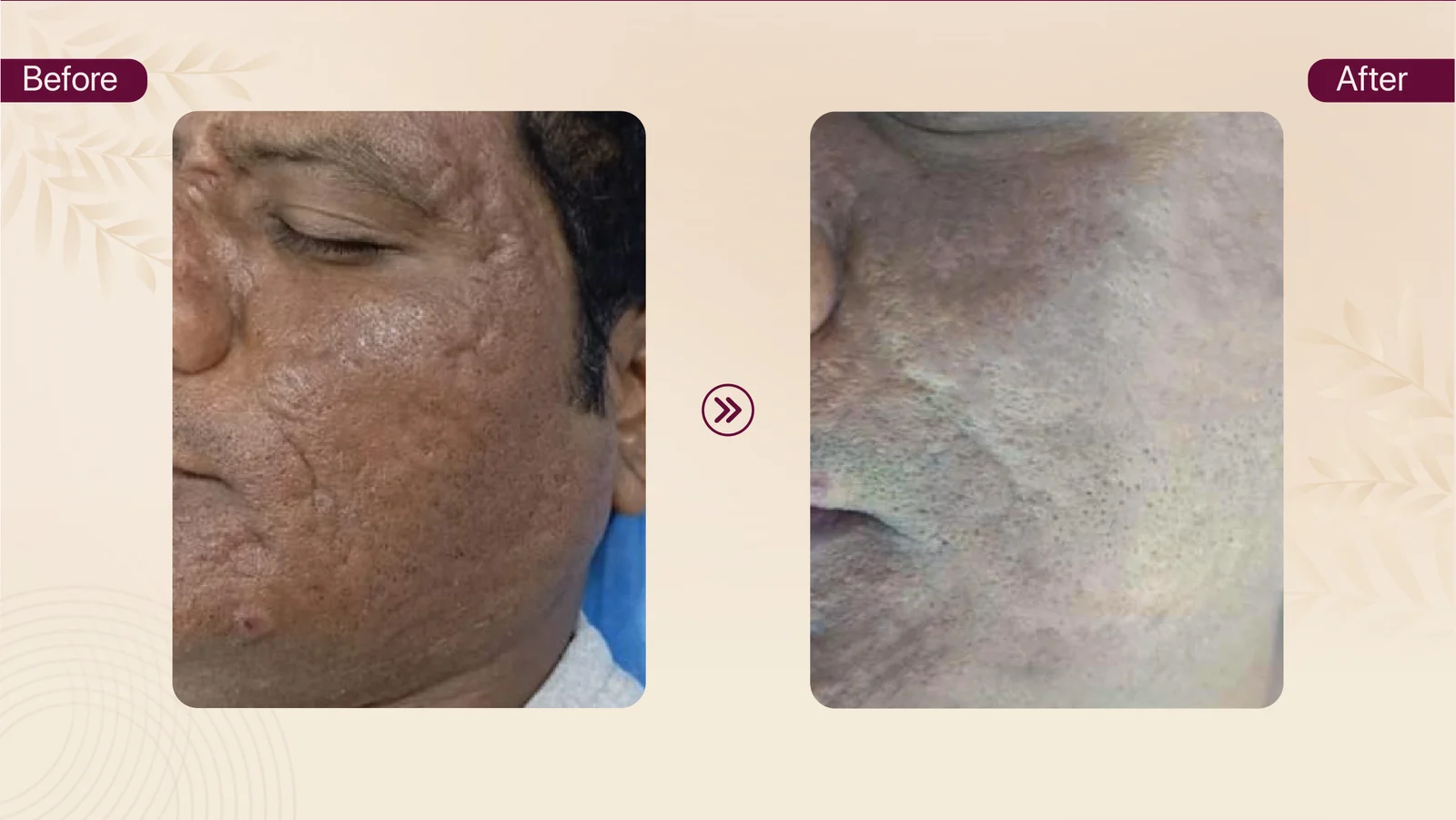
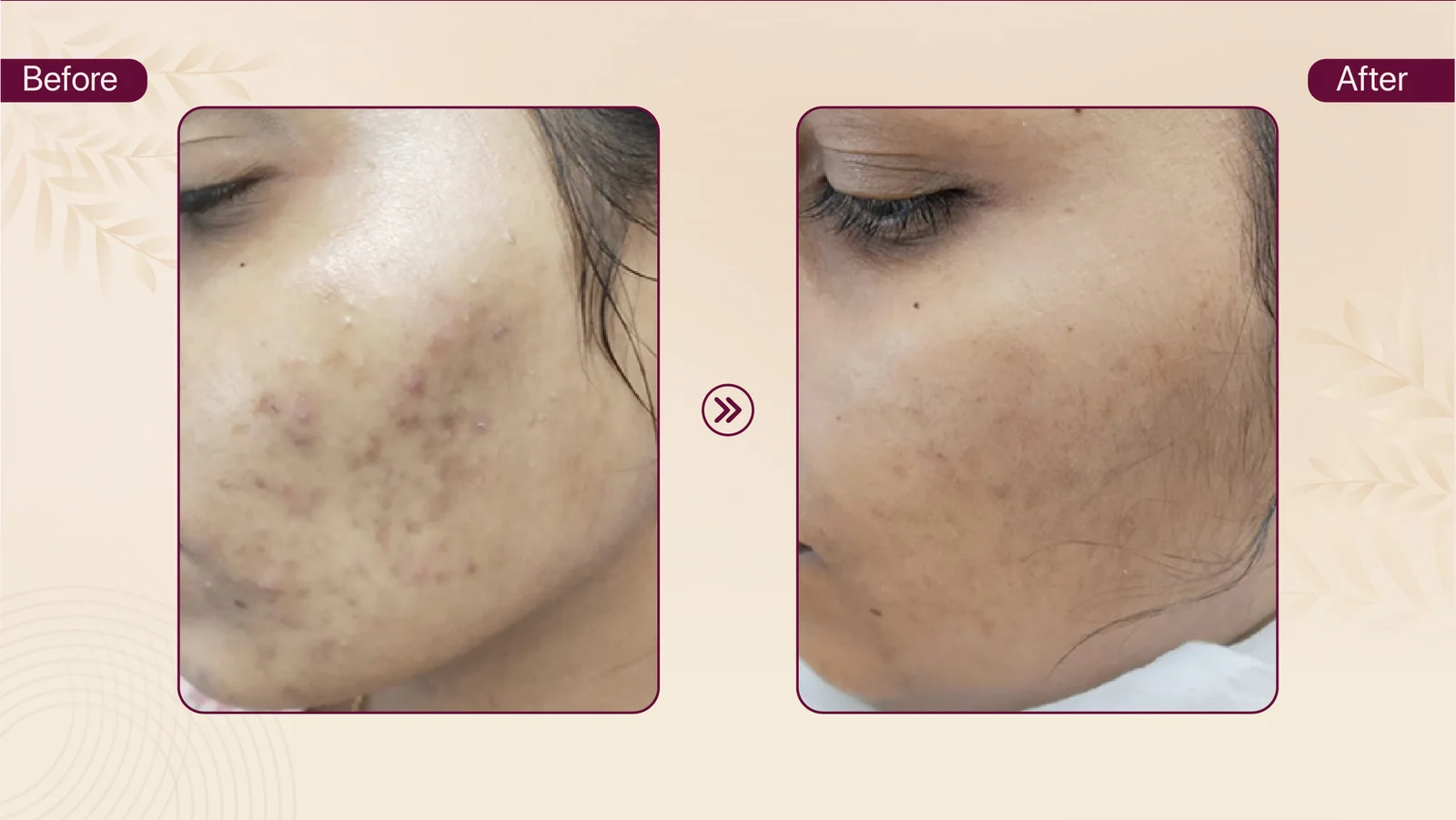
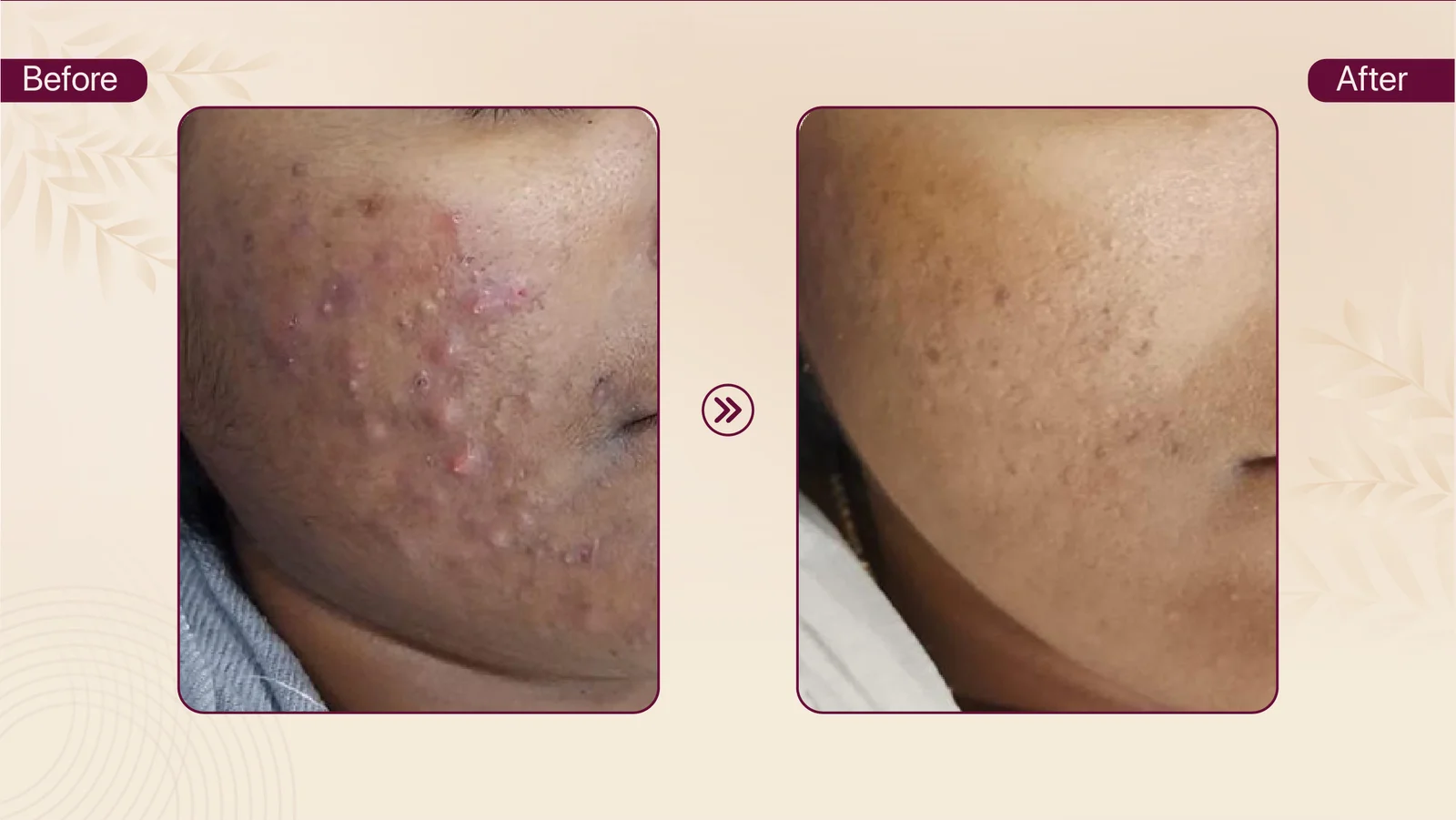
Individual results vary. These photographs show specific cases, not guaranteed outcomes. Original image quality, lighting and angles may differ. Your doctor can explain what may be possible for you.
Experiences shared by patients receiving acne or acne-and-scar care at Layers. Individual results vary.
“have also tried their acne treatment. So far, the experience has been great!”
“My skin has cleared up significantly in just a few months. Thank you for giving me my confidence back!”
Acne and acne-scar care; procedure not specified.
















Yes. Acne may continue from adolescence or start in adulthood. Your age alone does not determine the right treatment.
No. A blackhead is a plugged open follicle with a dark surface. Scrubbing harder can irritate skin without addressing the blockage.
It usually takes weeks to see fewer breakouts and longer for fuller improvement. Keep the agreed review instead of changing products every few days.
No. Deep inflammation and picking increase the risk. Flat brown or red marks are different from permanent changes in skin texture.
Some peels may suit selected acne concerns. The clinician should assess active inflammation, current medicines and skin sensitivity before recommending one.
Acne antibiotics are generally prescribed with other appropriate treatment to reduce resistance. Use them only as directed and attend the planned review.
Tell the clinician before treatment is chosen. Some acne medicines, especially isotretinoin and retinoids, are unsuitable in pregnancy and need specific precautions.
Some people need maintenance care to reduce returning breakouts. Discuss what to continue or change with your clinician.
Start with a skin assessment and clear advice on your options.
Prefer a call? +91 9000 572727