Observation
Some milia clear naturally, while others stay longer. If they are confirmed and do not bother you, observation is a reasonable choice.
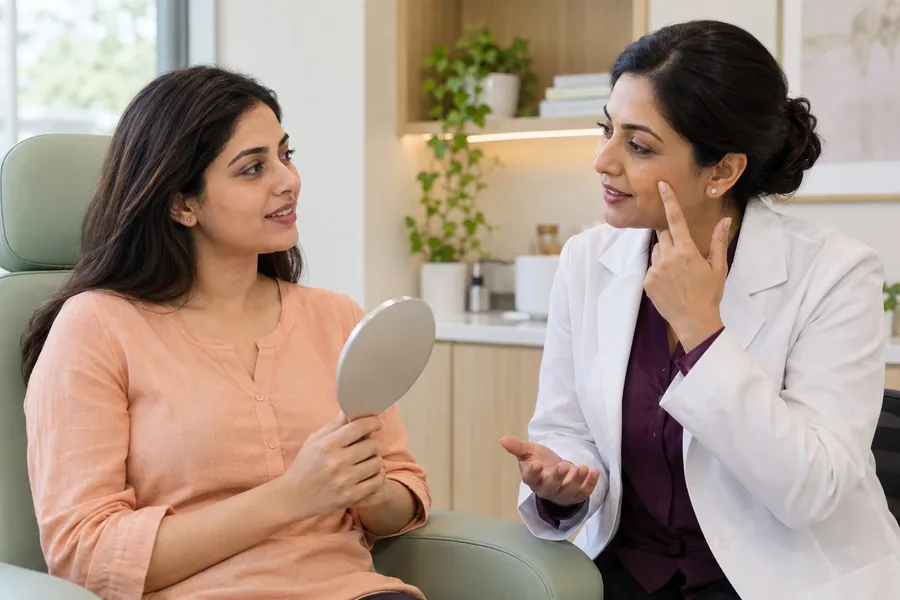
Small, firm bumps around the eyes or cheeks may be milia. A skin check can help you decide whether to leave them alone or consider careful removal.

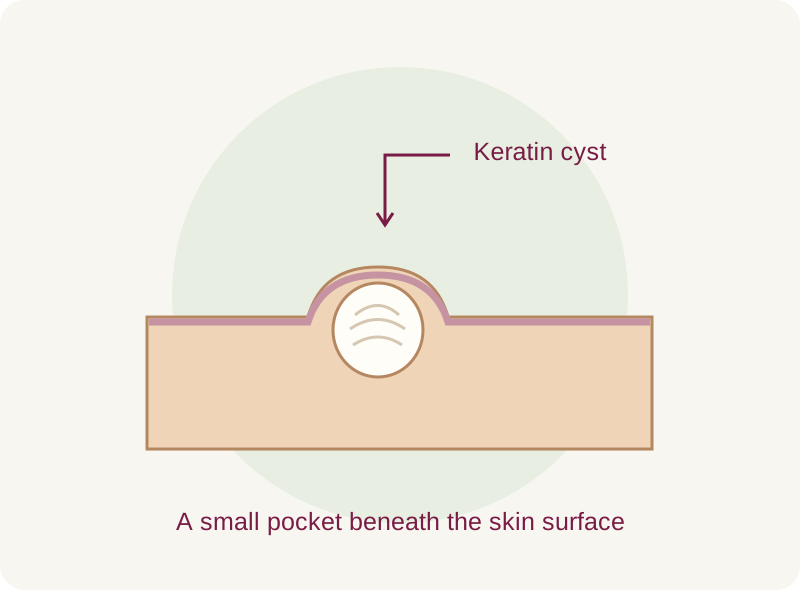
Milia are tiny cysts filled with keratin, a protein normally found in skin. They often look like firm white or cream-coloured bumps just below the surface.
They are usually harmless and do not have to be removed. Unlike an acne whitehead, a milium is a small enclosed cyst; squeezing it may injure the surrounding skin.
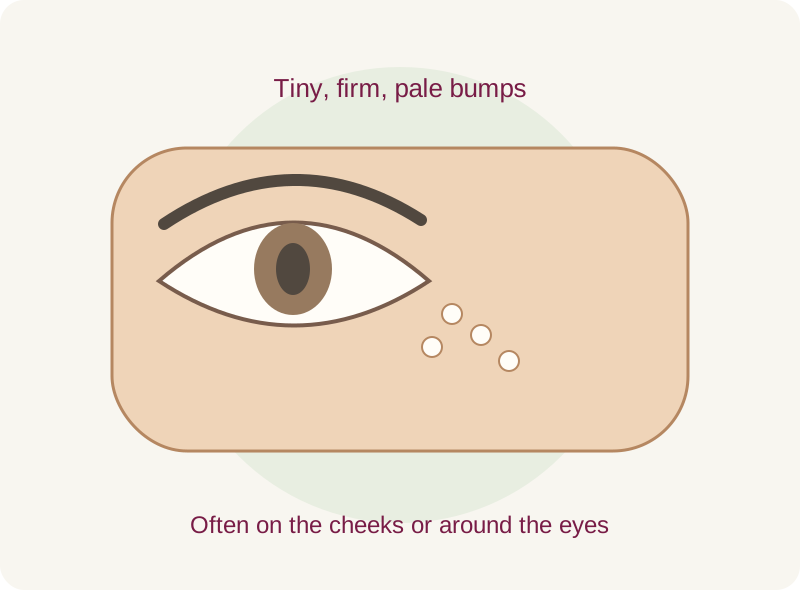
Milia often appear on the cheeks and eyelids, but can occur elsewhere. They may be isolated or grouped together.
Some develop without an obvious trigger; others appear after a blistering rash, injury or skin procedure. Mention recent changes and products during assessment.
Pain, redness, discharge, bleeding or rapid change is a reason to get examined. Other eyelid growths can resemble milia.
Some milia clear naturally, while others stay longer. If they are confirmed and do not bother you, observation is a reasonable choice.
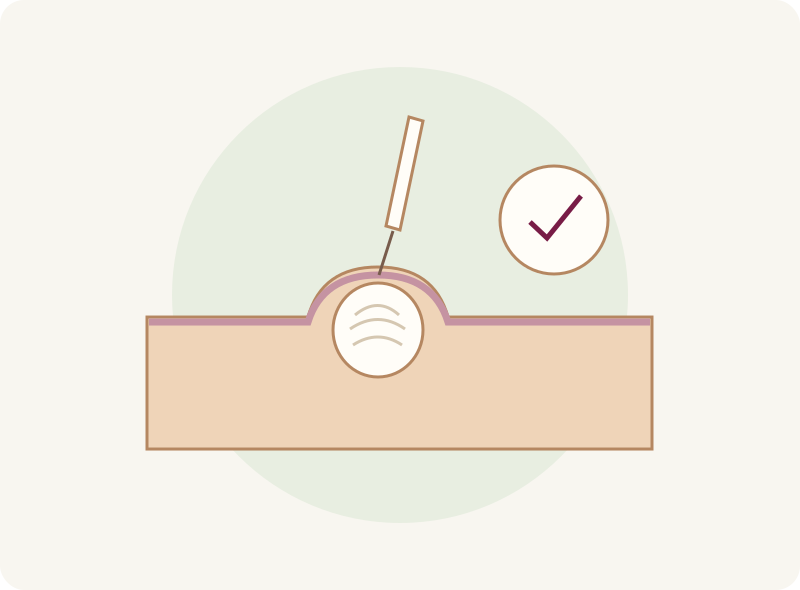
A trained clinician may make a small sterile opening and release the contents. The site and number of bumps determine whether this is suitable.
Selected cases may benefit from a prescribed topical treatment or another procedure. Strong exfoliation is not a routine answer for delicate eyelid skin.
Your clinician checks the size, location and appearance and asks when the bumps started.
You can choose observation if treatment is not needed. Tell the team about recent procedures, medicines and sensitive skin.
If removal is appropriate, the clinician explains the technique, comfort measures and possible marks.
Eyelid treatment needs specific precautions. Do not attempt extraction with a needle or blade at home.
Follow the cleaning and skincare advice. Ask when to restart makeup or active products on a treated area.
Contact the team if the area becomes increasingly sore or inflamed, or if you have concerns about new bumps.
Forceful squeezing or repeated exfoliation may leave irritation, infection or a mark, especially around the eyes.
Bring your skincare list if bumps keep appearing. A clinician can help simplify products without assuming one cream is always the cause.
After removal, a tiny crust, redness or temporary colour change may occur. Ask about expected healing and protect the area as advised.
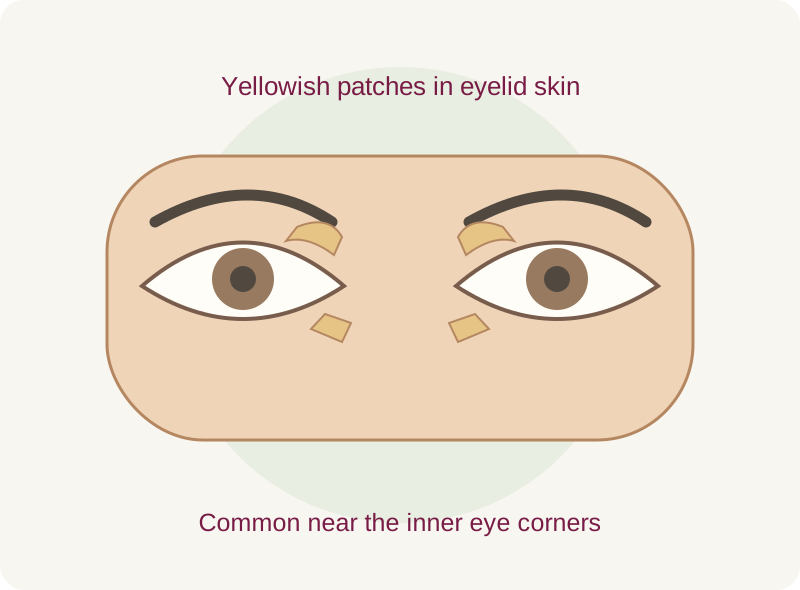
Yellowish eyelid plaques are different from small keratin cysts and may call for a health review.
Explore xanthelasma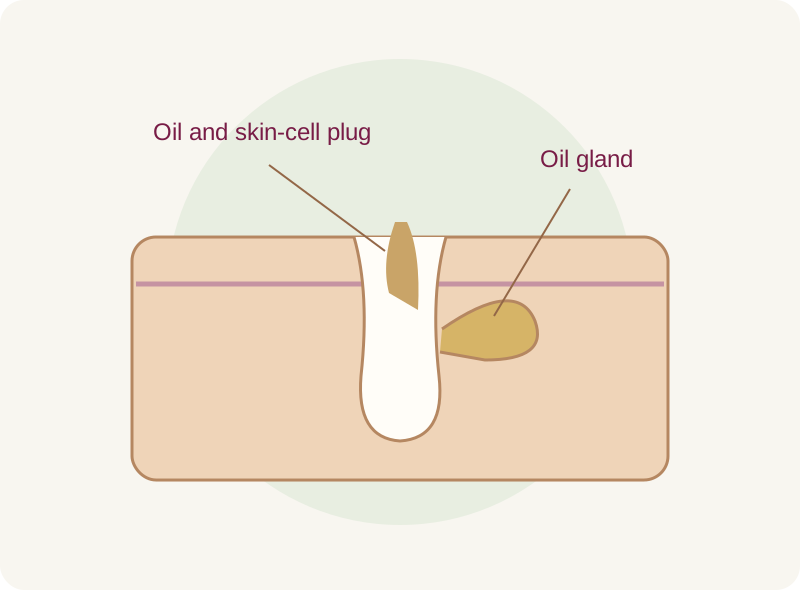
Whiteheads and inflamed pimples follow a different process. Diagnosis helps avoid using the wrong routine.
Explore acne careVerified Google review excerpts about consultations and explanations at Layers. The condition is not specified; these are not milia-removal results.
“The doctors listened carefully to my concerns and explained the treatment in a clear and professional manner.”
Consultation experience; condition not specified.
“She explained the treatment clearly and made me feel comfortable throughout the consultation.”
Consultation experience; condition not specified.
“The doctor took the time to understand my skin concerns and explained the treatment plan clearly, without rushing.”
Consultation experience; condition not specified.
“Very patient ,humble and polite to answer every single query and build confidence.”
Consultation experience; condition not specified.
“The doctors explained everything clearly and made me feel comfortable and confident.”
Consultation experience; condition not specified.
“The doctor took the time to listen to my concerns patiently and explained the treatment options clearly.”
Consultation experience; condition not specified.
















Typical milia are benign cysts and are not contagious. An unfamiliar or changing bump should still be checked rather than assumed to be milia.
Some resolve without treatment, especially in newborns. Adult milia may persist for months or longer, but removal is optional if they are not troublesome.
No. Milia have an enclosed surface. Trying to squeeze or pierce them can damage skin and is especially risky close to the eyes.
No. Observation or simple professional extraction may be enough. More extensive approaches are reserved for selected cases after assessment.
Temporary redness, a small crust or pigment change can occur. Infection or scarring is also possible. Follow the aftercare instructions and avoid picking.
Newborn milia commonly clear naturally. Do not squeeze them or use adult acids or retinoids. Ask a clinician if the diagnosis is uncertain or the skin is inflamed.
Understand what the bumps are and whether any treatment is needed.
Prefer a call? +91 9000 572727