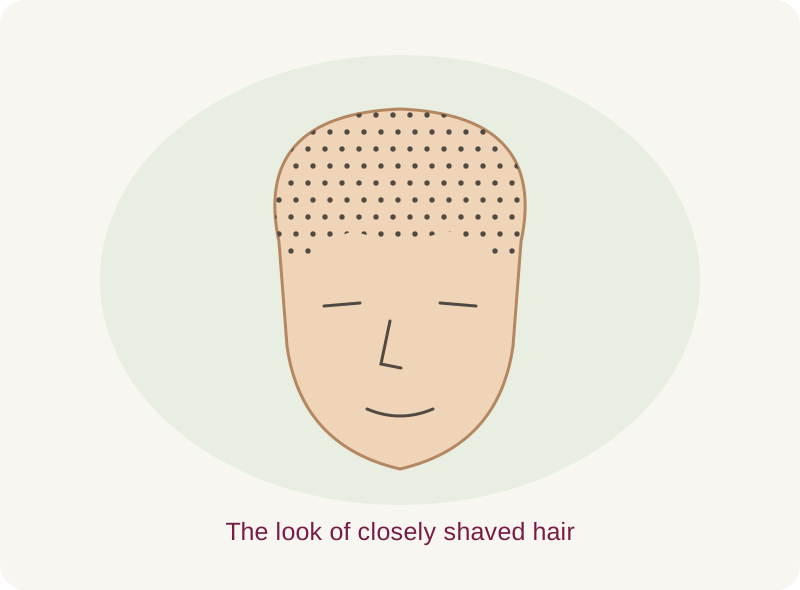
A closely shaved look
Dots can suggest a close-cut hairline across a bald or thinning area. A consistent short hairstyle helps the effect blend.
Small pigment dots can create the appearance of shaved hair or reduce scalp show-through. Learn what SMP can change and how to plan the look.
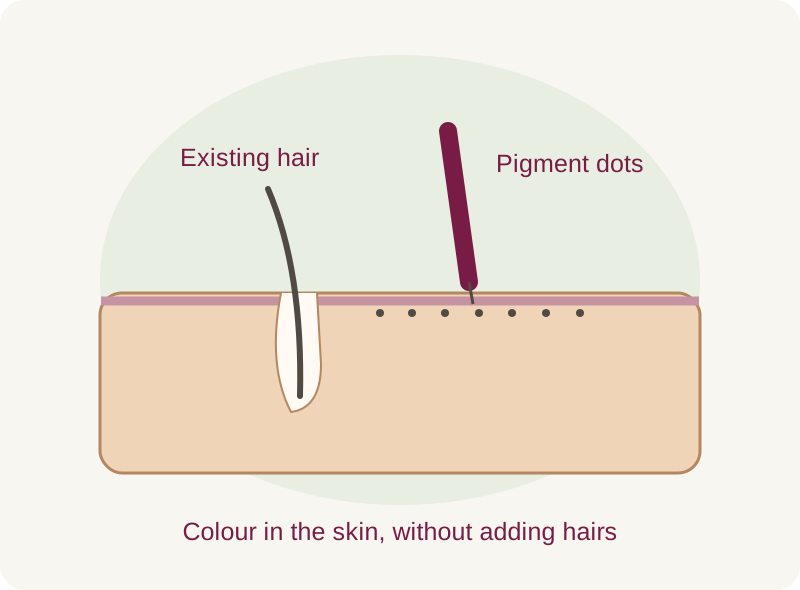
Scalp micropigmentation, or SMP, places tiny dots of pigment into the scalp skin. It is a form of cosmetic tattooing designed to resemble short hair or soften the contrast between hair and scalp.
It does not add hair strands, grow follicles or treat the cause of hair loss. The effect is visual, so the design needs to work with your existing hair and preferred hairstyle.
Dots can suggest a close-cut hairline across a bald or thinning area. A consistent short hairstyle helps the effect blend.
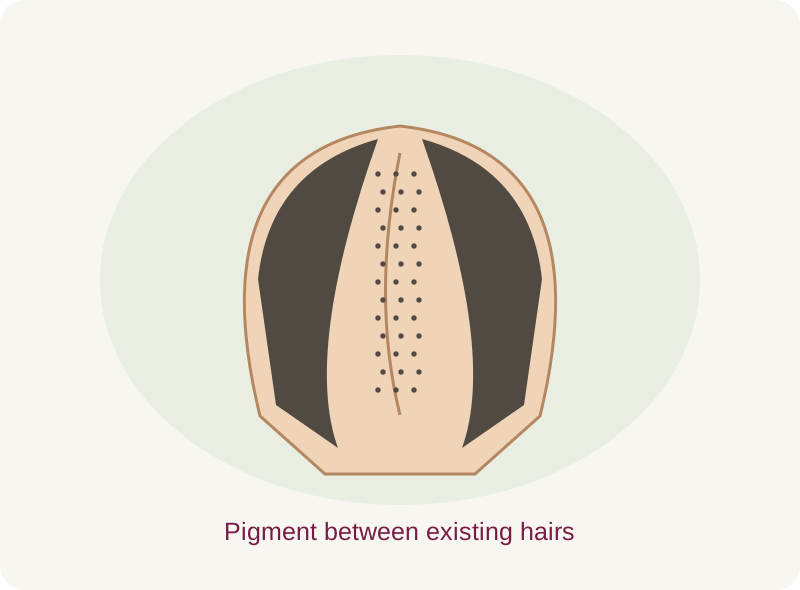
Shading between existing hairs can reduce contrast. It changes the appearance of density, rather than the number of hairs.
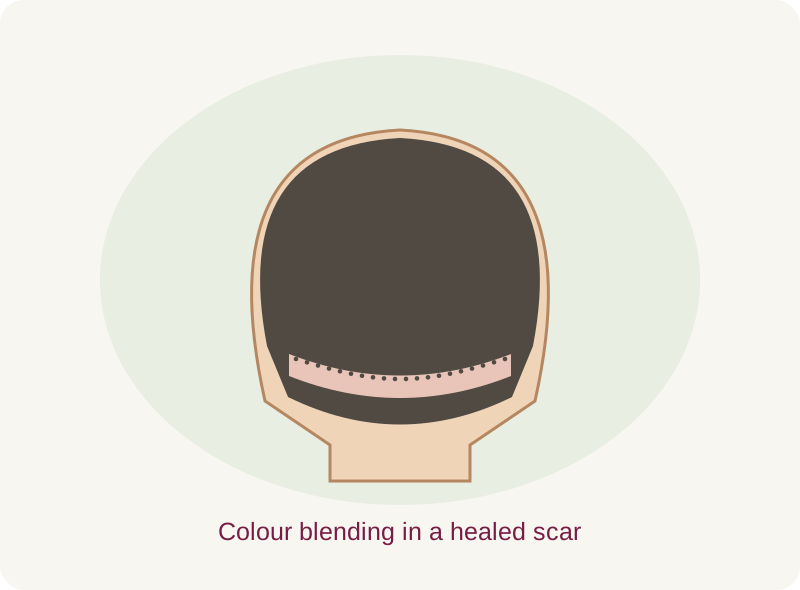
Pigment may soften the colour contrast of a suitable healed scar. Scar tissue can hold pigment unevenly, and its texture remains.
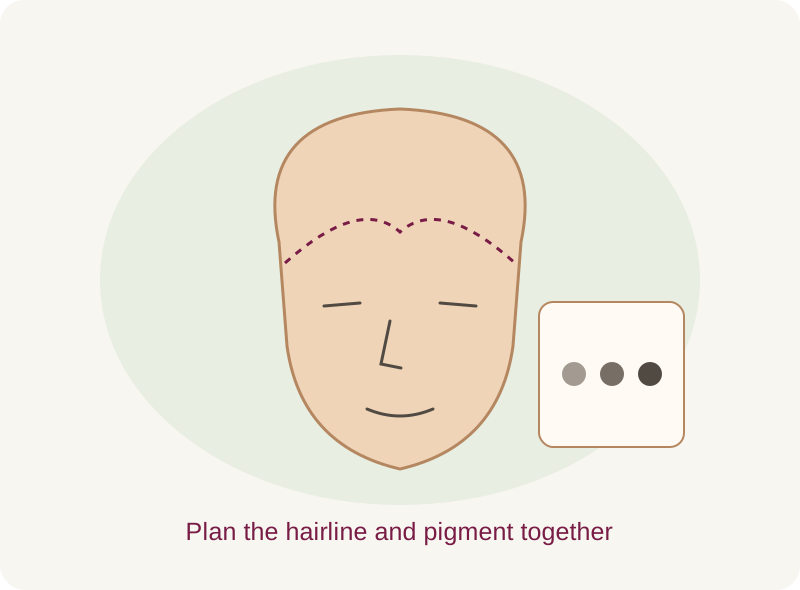
Discuss hair length, colour, future thinning and how the pigment may look as your hair changes.
Active scalp inflammation or infection needs assessment first. Mention allergies, medicines and any history of raised keloid scars.
Review the proposed hairline, shade and coverage before treatment. Ask to see healed examples of the practitioner’s work.
Review your hair-loss pattern, skin and health history. Scar camouflage needs an individual assessment of healing and tissue quality.
Discuss the hairline, pigment and expected sessions. The practitioner explains comfort measures, sensitivity testing and preparation.
A specialist device uses fine needles to place dots across the planned area. Single-use sterile needles and careful hygiene are essential.
Coverage is often developed across several appointments, allowing the skin to settle and the colour to be reviewed between sessions.
Confirm when to wash, shave, exercise and use products again. Avoid scratching or picking, and follow advice about sun exposure.
The early appearance can change as the skin settles. Review the healed shade before deciding on further work or touch-ups.

Pigment is long-lasting, but the shade and definition can change. Sun exposure, skin characteristics and the pigment used affect its appearance. Touch-ups may be needed; a fixed lifespan cannot be promised.
Redness or tenderness can occur at first. Infection, pigment reactions, unwanted colour and an uneven design are possible. Seek medical advice for increasing pain, spreading redness, pus or fever.
Correction or removal can take further procedures. Take time to agree the design before pigment is applied.
SMP does not stop thinning. A separate hair-care plan may be appropriate for the cause of your hair loss.
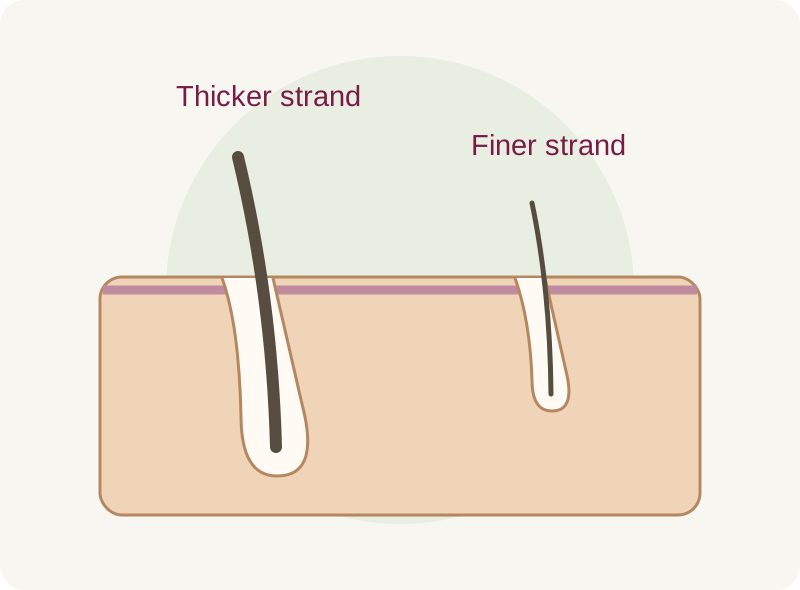
Assessment and treatment may help suitable existing follicles. Start with the reason for the thinning.
Explore hair regrowth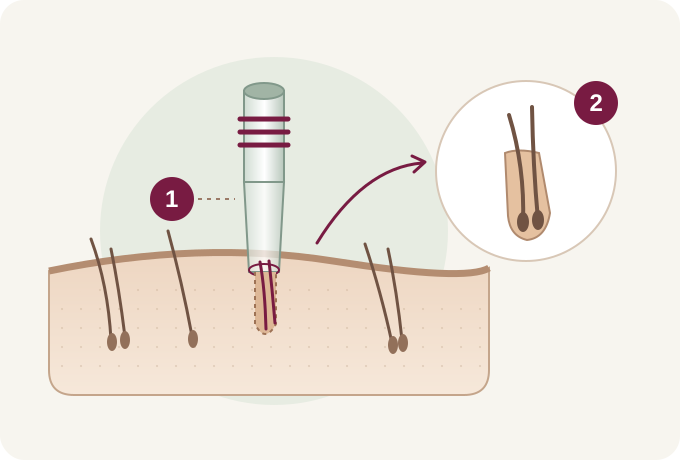
Surgery moves your own follicles to another area. It requires suitable donor hair and a long-term plan.
Explore transplantation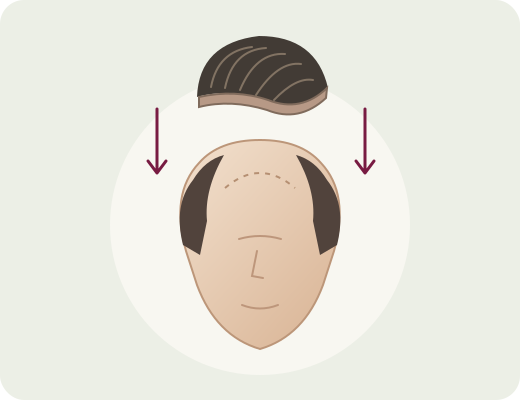
A fitted system adds cosmetic coverage with actual strands. Attachment and regular maintenance are part of the choice.
Explore hair patchesRelated hair-care experiences shared by Layers patients. These are not specific SMP results.
“I underwent GFC and PRP treatment for hair loss and had a very positive experience.”
Combined PRP and GFC hair care.
“This was my first GFC treatment, and I'm very happy with my decision.”
GFC hair care.
“Excellent experience from consultation to treatment. The GFC procedure was explained clearly, and the doctors were very knowledgeable.”
GFC hair care.
“I am currently undergoing GFC (Growth Factor Concentrate) treatment at Layers and my experience so far has been highly satisfactory!”
GFC hair care.
“They suggested me GFC treatment and I experienced good results.”
GFC hair care.
“Most importantly, I’m seeing amazing results for my hair thinning treatment.”
Hair-thinning care.
“I noticed visible improvements in my skin texture and a significant reduction in hair fall within just a few sessions.”
Hair-fall and skin care.


No. SMP puts pigment into the skin; transplantation moves living hair follicles. Pigment cannot grow or be styled like hair.
It may be considered for scalp show-through in women as well as men. The hair-loss pattern, scalp health and desired hairstyle guide suitability.
No. The dots change the way the scalp looks. They do not create the texture or movement of strands.
Coverage is usually built gradually. The area, scalp response and healed shade determine the plan; confirm the expected appointments during assessment.
You may feel discomfort from the fine needles. Ask how comfort is managed and what sensations to expect during your appointment.
A suitable healed scar may be less noticeable after pigment blending. Pigment does not remove the scar or change its texture, and scar tissue can respond unevenly.
Possibly. Tell both practitioners about your care so that products and procedures can be timed around scalp healing.
The appearance can fade or change over time. Review the colour and design before repeating treatment rather than booking a fixed routine without assessment.
Discuss the appearance you want and compare SMP with other hair-care options.
Prefer a call? +91 9000 572727