You have always been lean
Discuss your usual weight, energy, meals and activity. Body size alone does not tell the whole story; health and nutrition matter more than matching someone else’s shape.
Understand why gaining weight is difficult, find food choices that work for you and build a plan around nourishment and strength.

Healthy weight gain means improving nutrition and working towards a weight that suits your health. It may involve eating more regularly, adding nourishing foods and gradually building strength.
First understand the starting point. Being naturally lean, having a poor appetite and losing weight without trying are different situations. A medical review can help identify a cause and whether gaining weight is appropriate.
Discuss your usual weight, energy, meals and activity. Body size alone does not tell the whole story; health and nutrition matter more than matching someone else’s shape.
Feeling full quickly, nausea, mouth problems or difficulty shopping and cooking can affect intake. Identify the obstacle before simply making portions much larger.

Arrange a medical assessment if you keep losing weight without trying. Digestive, hormonal, medicine-related and emotional causes may need treatment.
Tell a doctor how much has changed and over what time. Mention tiredness, pain, bowel changes, thirst or difficulty swallowing rather than waiting for a nutrition programme.
Poor intake after illness or for a prolonged period may need dietitian and medical support. If you are severely undernourished, increasing food quickly can require supervised care.
Anxiety, restrictive eating or distress around weight deserve support. A weight target alone may not address what you are going through.
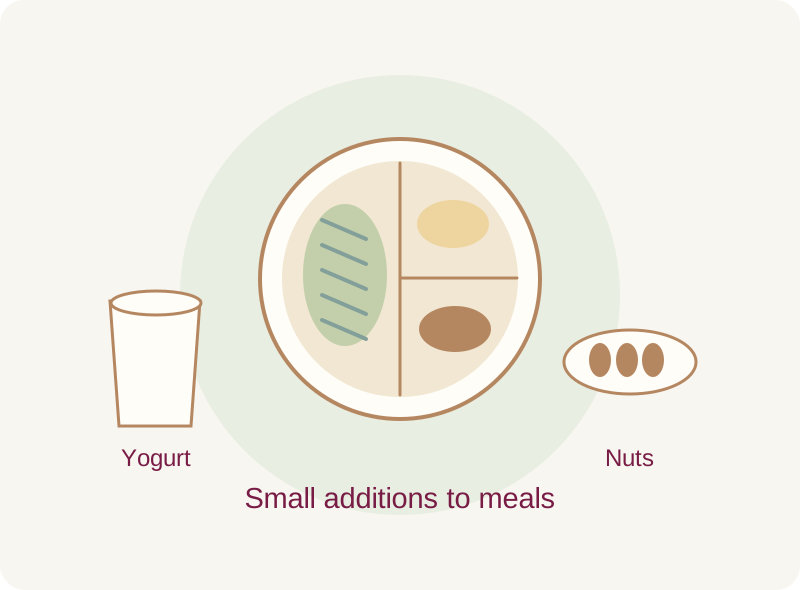
If you can eat normally, build on familiar foods. Adding yogurt, nuts, seeds or other suitable ingredients can provide more energy without a much larger plate. Include protein from foods such as dal, beans, eggs, dairy, fish or meat according to your preferences.
Keep variety rather than relying on sweets or sugary drinks. Allergies, kidney disease, diabetes, swallowing problems and digestive symptoms may change the advice, so ask for an individual plan where needed.
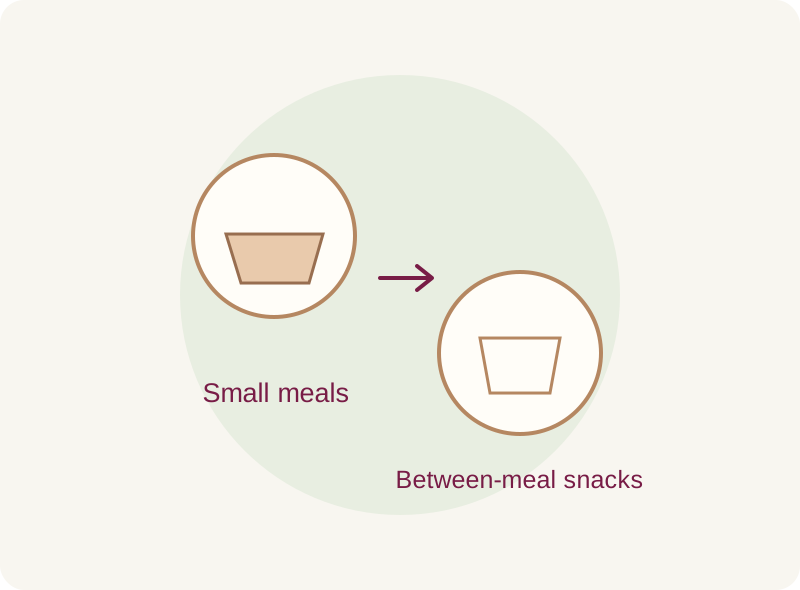
If large meals feel difficult, try smaller meals with easy snacks between them. Keep foods you enjoy within reach, and ask for help with shopping or preparation if needed.
Combine enough overall food with regular protein sources. Supplements are not automatically necessary; a dietitian can assess whether food alone meets your needs.
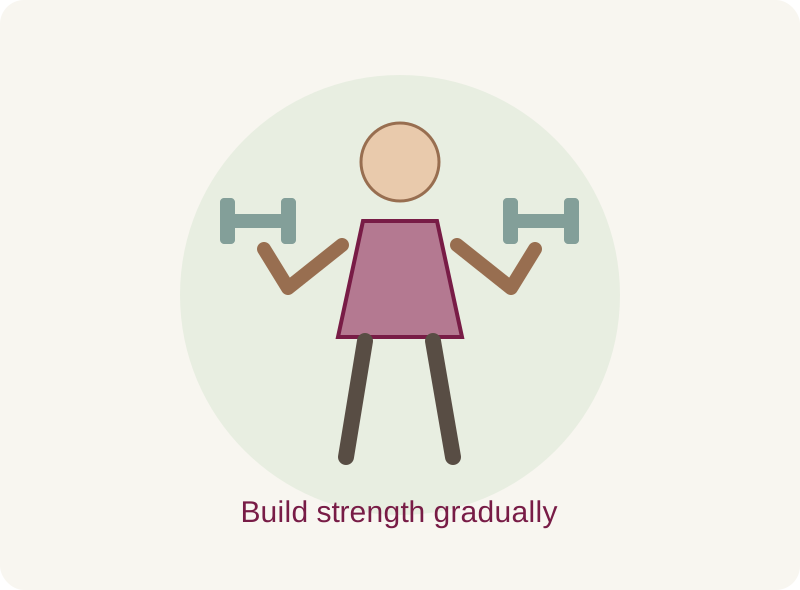
Suitable resistance exercise can support muscle and function. Start at a level that fits your health; significant weakness, illness or undernutrition needs advice first.
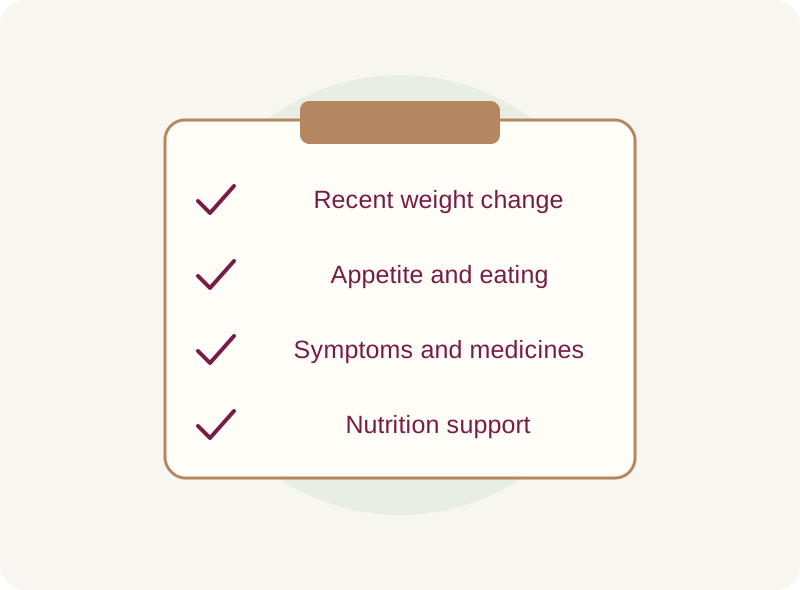
Discuss weight trends, appetite, usual food, symptoms, medicines and activity. Bring relevant reports and explain any practical or emotional difficulties around eating.
Testing should follow the clinical findings. Persistent unplanned weight loss or poor intake may need a physician or dietitian; confirm the appropriate professional before booking.
Choose realistic changes that fit your food preferences, budget and routine. Your clinician or dietitian can adapt amounts to your health and appetite.
Dental, swallowing, digestive or emotional problems need their own care. Nutrition drinks or other support should be selected for a reason, not simply added to every plan.
Agree when to assess weight, food intake, energy and function. Avoid judging progress from one day’s scale reading.
If eating remains difficult, symptoms develop or weight continues to fall, contact the treating professional. More assessment may be needed.
Better intake, improved energy and greater strength can be useful signs alongside weight change. The pace depends on the cause, your starting health and the plan; there is no guaranteed number of kilograms per month.
Once your nutrition and weight are more stable, agree how to maintain progress. If weighing yourself is upsetting, ask for a different way to monitor with professional support.
General consultation experiences shared by people who visited Layers.
“The doctors listened carefully to my concerns and explained the treatment in a clear and professional manner.”
Consultation experience; condition not specified.
“She explained the treatment clearly and made me feel comfortable throughout the consultation.”
Consultation experience; condition not specified.
“The doctor took the time to understand my skin concerns and explained the treatment plan clearly, without rushing.”
Consultation experience; condition not specified.
“Very patient ,humble and polite to answer every single query and build confidence.”
Consultation experience; condition not specified.
“The doctors explained everything clearly and made me feel comfortable and confident.”
Consultation experience; condition not specified.
“The doctor took the time to listen to my concerns patiently and explained the treatment options clearly.”
Consultation experience; condition not specified.
















No. Consider recent change, nutrition, energy, strength and health, not appearance alone. A professional can help decide whether weight gain is appropriate.
It can have many causes, including digestive or hormonal conditions, medicines, poor intake and mental health concerns. Finding the cause helps select the right care.
Yes. Meals can include pulses, beans, dairy or suitable alternatives, nuts, seeds and other foods that fit your preferences. The overall amount, variety and protein matter.
Not automatically. Start by reviewing your food intake and health. A qualified professional can advise whether a nutrition supplement is needed and appropriate for you.
Smaller meals and snacks may be easier, but persistent early fullness, pain, vomiting or weight loss should be assessed. Do not assume that low appetite is just a habit.
Suitable strength exercise can support muscle and function alongside enough food. If you are unwell, very weak or undernourished, get advice before increasing activity.
There is no fixed rate for everyone. Agree a realistic plan based on the cause and your health, then review intake, symptoms and progress rather than chasing a rapid target.
These are general adult principles. Children, pregnancy, severe undernutrition and significant medical conditions need advice from the appropriate healthcare team.
Ask about assessment and appropriate nutrition support for your appetite, weight and wellbeing.
Prefer a call? +91 9000 572727