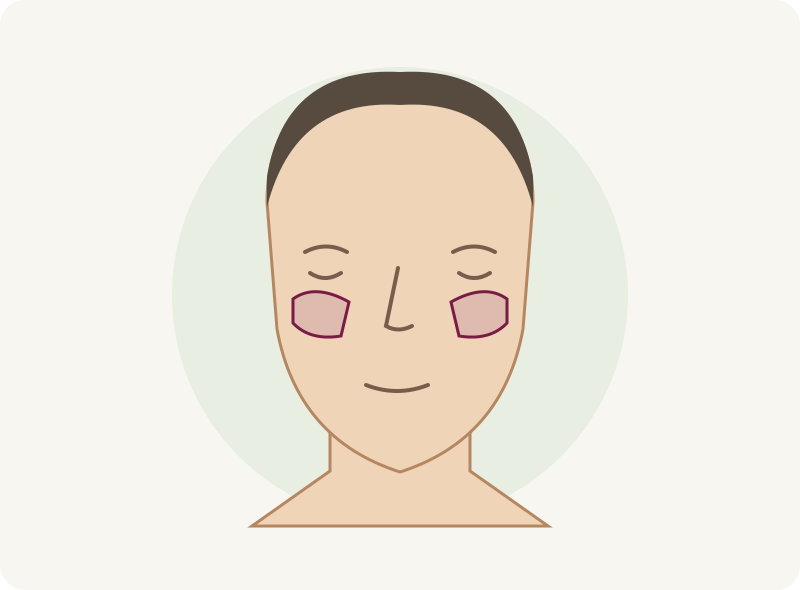
Mid-face
Early tissue descent around the cheeks may be considered. A hollow caused mainly by volume loss needs a different discussion.
A thread lift may offer a subtle, temporary change to selected areas of facial sagging. Learn how it works and what to consider before choosing it.

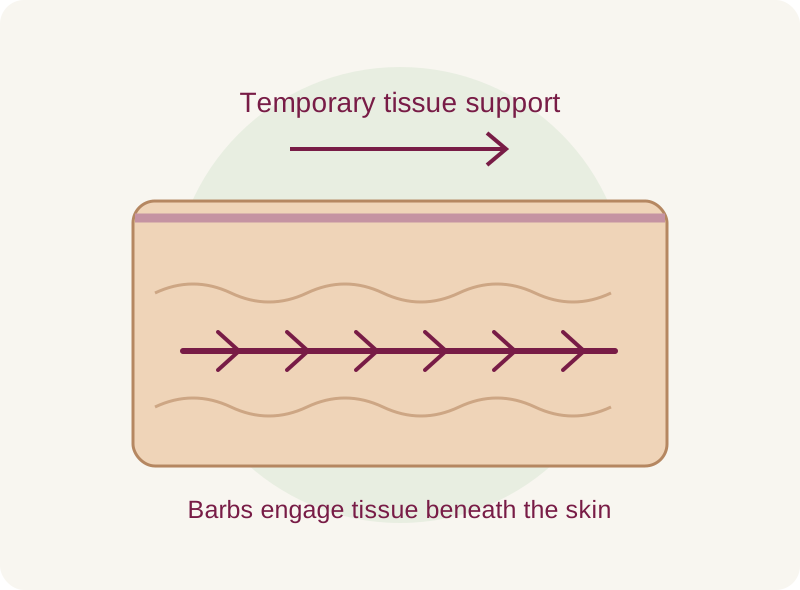
A thread lift uses medical threads placed beneath the skin to support and reposition selected tissue. Lifting threads commonly have small barbs or similar features that engage the tissue.
The procedure uses small entry points and usually local anaesthesia. It is less invasive than a facelift, but it still involves an implanted material and recovery. It does not remove excess skin.
Early tissue descent around the cheeks may be considered. A hollow caused mainly by volume loss needs a different discussion.
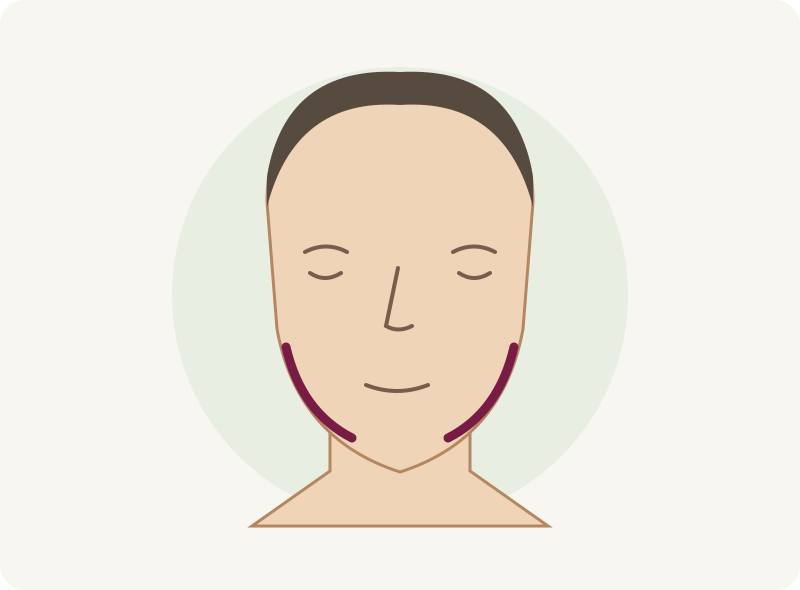
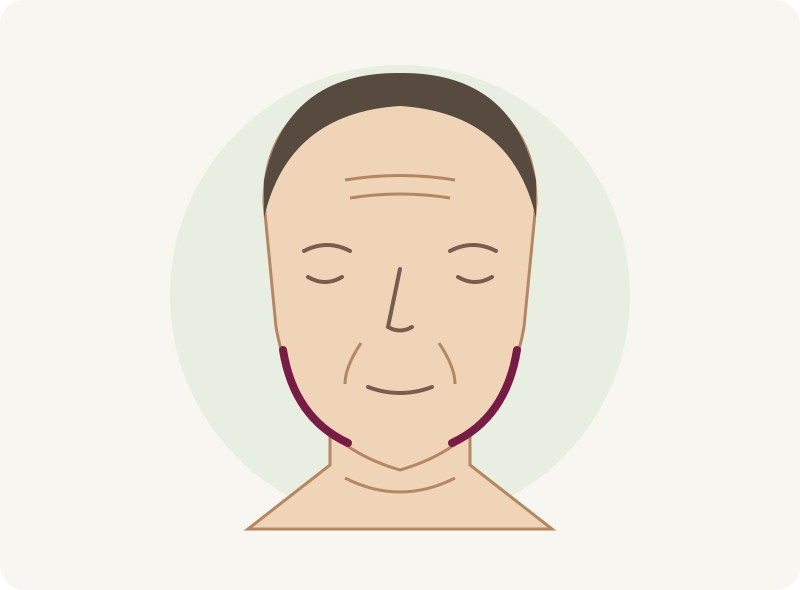
Selected early jowls may show a modest change. Heavy tissue or substantial loose skin can limit the result.
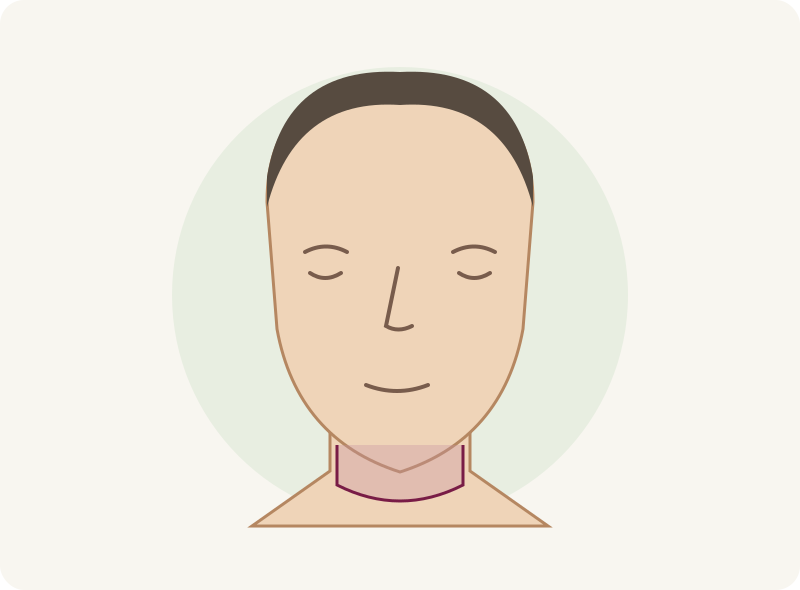
Skin thickness, looseness and deeper neck structures all matter. Threads cannot correct every cause of an unclear neck outline.
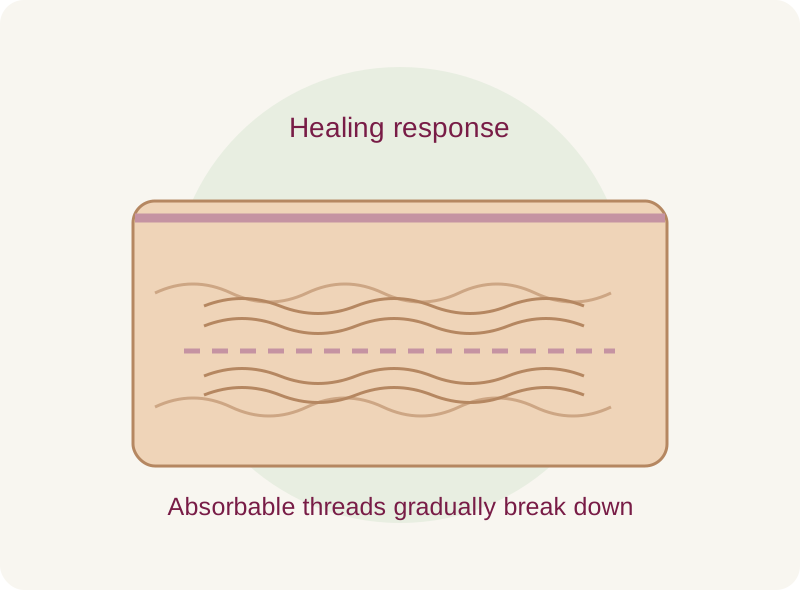
Threads can provide mechanical support when placed. The tissue also responds to the material as it heals. Absorbable threads gradually break down, and the visible effect is temporary.
Thread design and material affect their role. A smooth thread used for skin quality is not automatically a lifting thread. Ask what is proposed and what change it is intended to make.
The goal is usually a modest change. A surgical facelift can reposition deeper tissues and remove skin in ways threads cannot.
Number, design and placement depend on anatomy and the product. More threads do not automatically produce a better result.
Selected early sagging may be considered when expectations are realistic. Very loose, heavy or thin skin can make another option more appropriate.
Discuss skin infection, healing problems, allergies, bleeding problems and medicines. Tell the clinician about pregnancy, breastfeeding and previous threads, fillers or surgery.
Plan around swelling, bruising and activity restrictions. A procedure described as a “lunchtime lift” is not necessarily something to schedule just before an event.
The clinician assesses facial shape, skin and tissue movement. Discuss alternatives, the exact thread product, risks and who will provide follow-up.
Share all medicines and supplements. Do not stop prescribed medicines on your own. Confirm what to do before the visit and arrange recovery time.
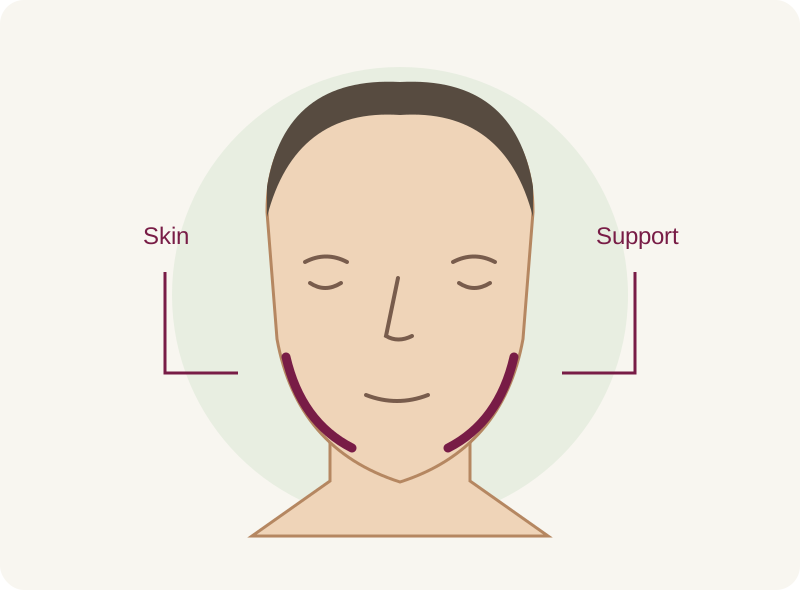
The skin is prepared and local anaesthetic is commonly used. You may feel pressure or pulling; tell the clinician if anything is painful.
Threads pass beneath the skin through small entry points. The clinician checks support and symmetry, then explains care for the treated area.
Ask about washing, makeup, sleeping position, pressure on the face, exercise and any prescribed medicines. Advice should match the procedure you actually had.
The clinician checks healing and whether the change matches the agreed goal. Contact the team earlier if pain, swelling or the skin appearance concerns you.
Tenderness, swelling and bruising may be noticeable for several days, and healing can take longer. Follow your clinician’s guidance on activities rather than assuming immediate recovery.
Protect the area from rubbing or excessive movement as advised. Check when you can resume facial massage, beauty treatments and exercise. Do not pull or trim a thread yourself.
Dimpling, asymmetry, infection, persistent pain, bleeding or a visible or protruding thread can occur. Unwanted effects may need treatment or thread removal; correction is not always simple.
Some support may be visible early, but swelling and pulling can affect the initial appearance. Assess the result after the area has settled and at the planned review.
The effect varies with anatomy, technique and thread material. Natural ageing continues. If the benefit fades or is limited, reassess the options instead of assuming another thread lift is the right answer.
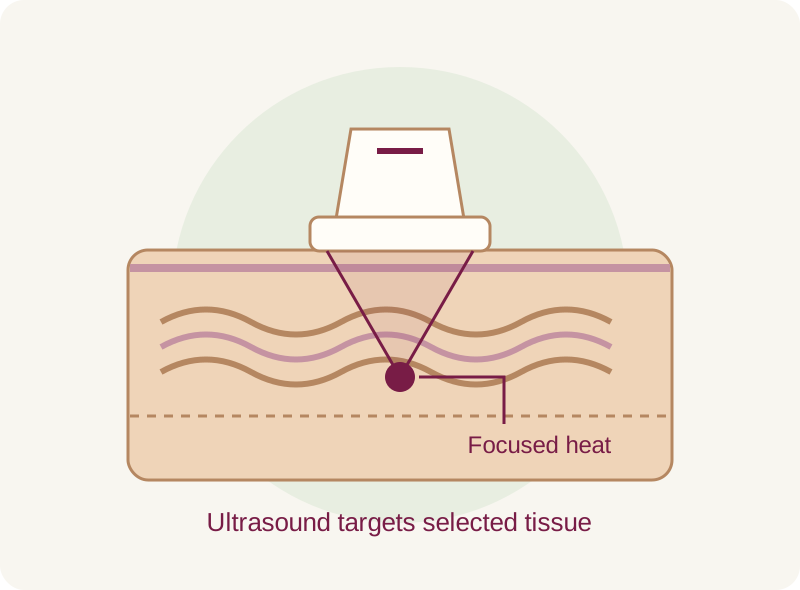
Energy-based care may give gradual, modest tightening in selected skin without implanted threads.
Explore HIFU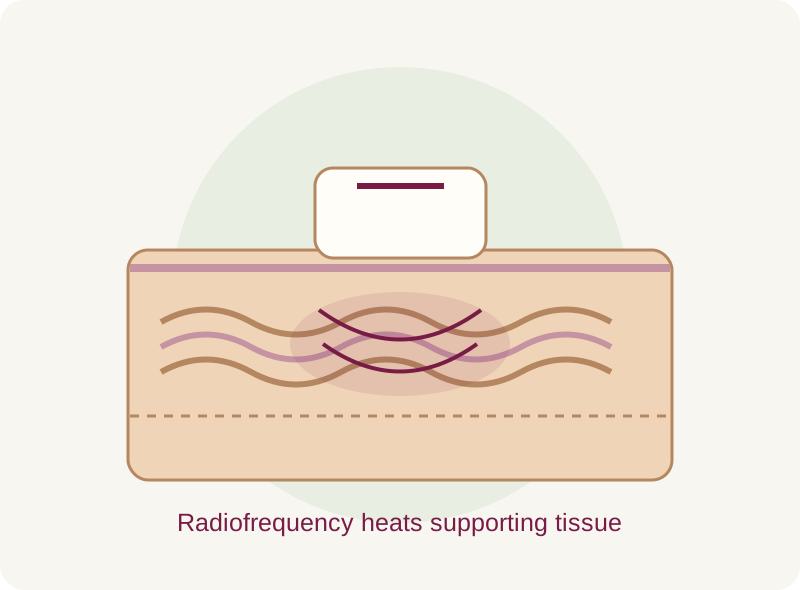
Surface RF treats firmness using heat. It has different limitations and risks from a thread lift.
Explore RF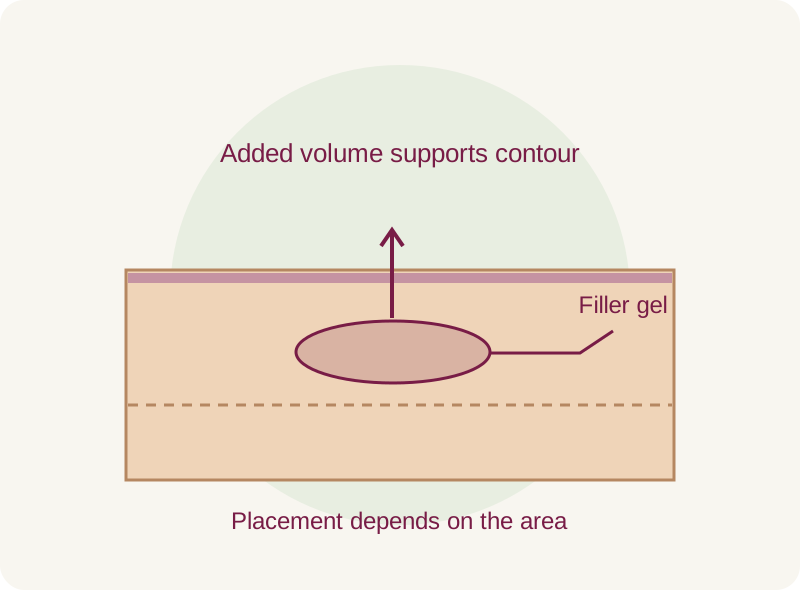
Volume loss may need a separate assessment. Fillers add support but are not a solution for all loose skin.
Explore fillersFor significant tissue descent or excess skin, ask whether a plastic-surgery assessment would be more useful. Choosing no procedure is also an option.
These verified Google excerpts describe consultations and general care. They do not identify facial thread lifting or establish its results.
“The doctors listened carefully to my concerns and explained the treatment in a clear and professional manner.”
Consultation experience; condition not specified.
“She explained the treatment clearly and made me feel comfortable throughout the consultation.”
Consultation experience; condition not specified.
“The doctor took the time to understand my skin concerns and explained the treatment plan clearly, without rushing.”
Consultation experience; condition not specified.
“Very patient ,humble and polite to answer every single query and build confidence.”
Consultation experience; condition not specified.
“The doctors explained everything clearly and made me feel comfortable and confident.”
Consultation experience; condition not specified.
“The doctor took the time to listen to my concerns patiently and explained the treatment options clearly.”
Consultation experience; condition not specified.
















No. Threads support selected tissue through small entry points. A facelift is surgery that can reposition deeper structures and remove excess skin. The extent of change and recovery are different.
Absorbable lifting threads gradually break down. Material and design vary, so ask which product is planned. Dissolving does not mean there is a fixed result duration or no possibility of complications.
The effect is temporary and varies. Ask for a realistic range for the proposed product and your anatomy. Do not treat a general marketing duration as a guarantee for your face.
Pulling, tightness or tenderness can occur while healing. Persistent pain, a visible thread, increasing lumpiness or skin changes should be checked rather than ignored or treated at home.
That cannot be decided from a general page or photograph. Your clinician should explain the design, number and purpose after assessing the tissue and desired change.
Some people return to routine tasks soon, but swelling, bruising or discomfort may affect work and social plans. Ask about your job, exercise and any upcoming events when discussing recovery.
A clinician may need to adjust or remove a thread to manage a problem, but this is not a simple guaranteed reversal. Do not try to manipulate it yourself.
No. Facial thread lifting aims to support selected facial tissue. A service described as hair thread therapy has a different purpose and should be discussed separately.
Understand what threads can offer, what they cannot do and whether another approach suits you better.
Prefer a call? +91 9000 572727