Hair fall care
Scalp thread treatment uses fine, absorbable threads placed beneath the skin. Learn what the procedure involves, the limits of current research and how it differs from a hair transplant.

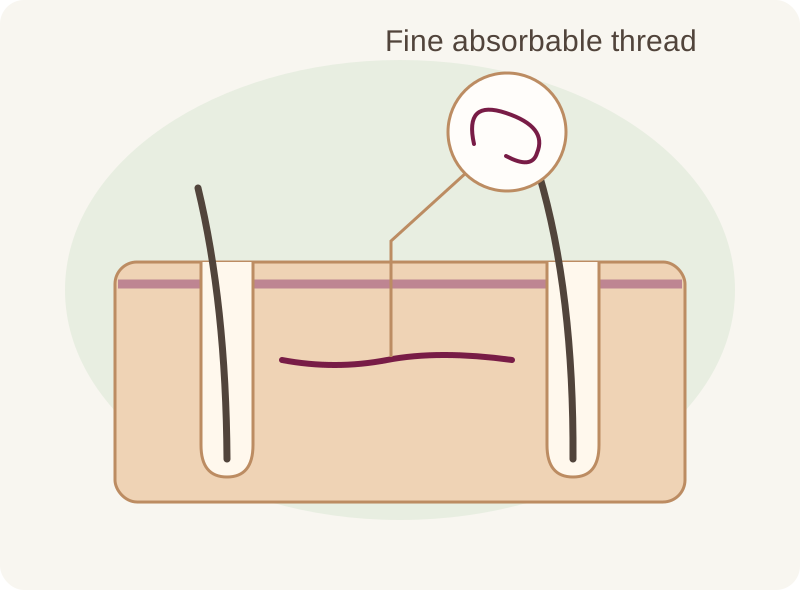
Hair thread treatment places fine, absorbable threads beneath the skin of the scalp. Published studies have used PDO, a material also used in medical sutures.
Researchers are studying whether the tissue response around these threads can help pattern hair loss. The threads gradually absorb; they do not tie down hairs or move new follicles into bald areas.
Before deciding: understand the limited evidence, the recovery involved and the other treatments available for your diagnosis.
Your doctor checks whether the crown changes are due to pattern hair loss and discusses the range of available treatments.
Some early studies have looked at female pattern hair loss. That does not establish suitability without an individual scalp assessment.
These symptoms need a diagnosis before considering a procedure. Threads do not secure hairs that are shedding because of another cause.
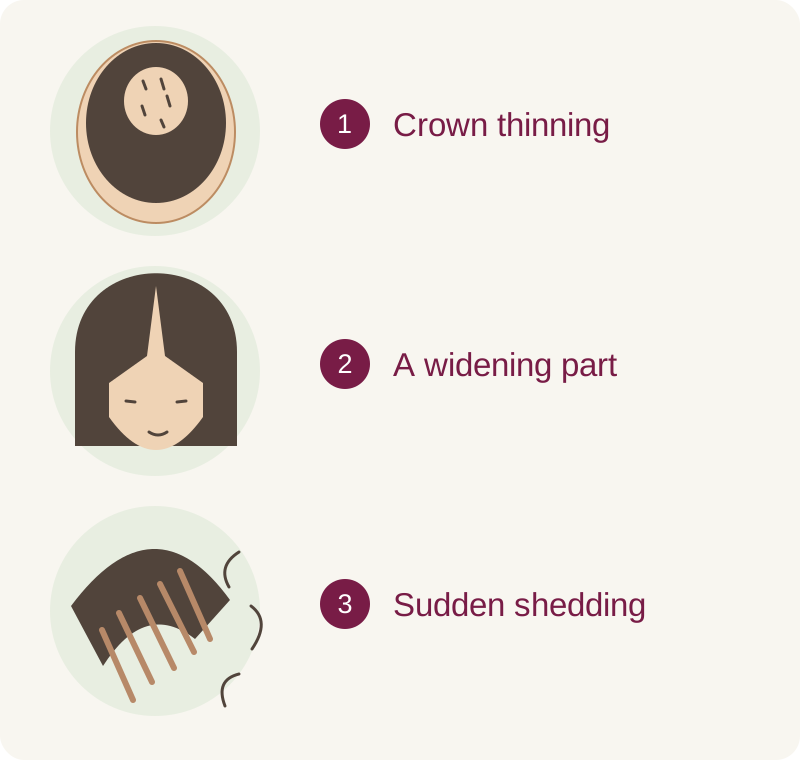
Scalp health, your diagnosis and the expected benefit should guide whether a procedure is worthwhile.
Discuss bleeding problems, allergies, active skin conditions and previous reactions to procedures. Do not stop a prescribed medicine unless the prescriber advises it.
Your doctor reviews the pattern of thinning, scalp health, medical history and previous treatment. Discuss whether a thread procedure has a useful role alongside other options.
The clinician explains the thread material, proposed areas, numbing, expected recovery and alternatives. The number and placement should be specific to the plan.
After cleansing and local numbing, fine threads are inserted with an introducer. They remain beneath the skin and gradually absorb. They do not attach individual hairs to the scalp.
Numbing helps with comfort, but pressure or tenderness can occur. Ask what to expect and how to contact the clinic after the appointment.
Follow the clinic’s instructions about washing, rubbing and activity. Tenderness, bruising, infection or thread-related irritation can occur. Do not pull at an exposed thread; contact the clinic.
Absorption and recovery depend on the material and procedure. Hair changes take longer than initial skin healing, and there is no guaranteed improvement or universal repeat schedule.

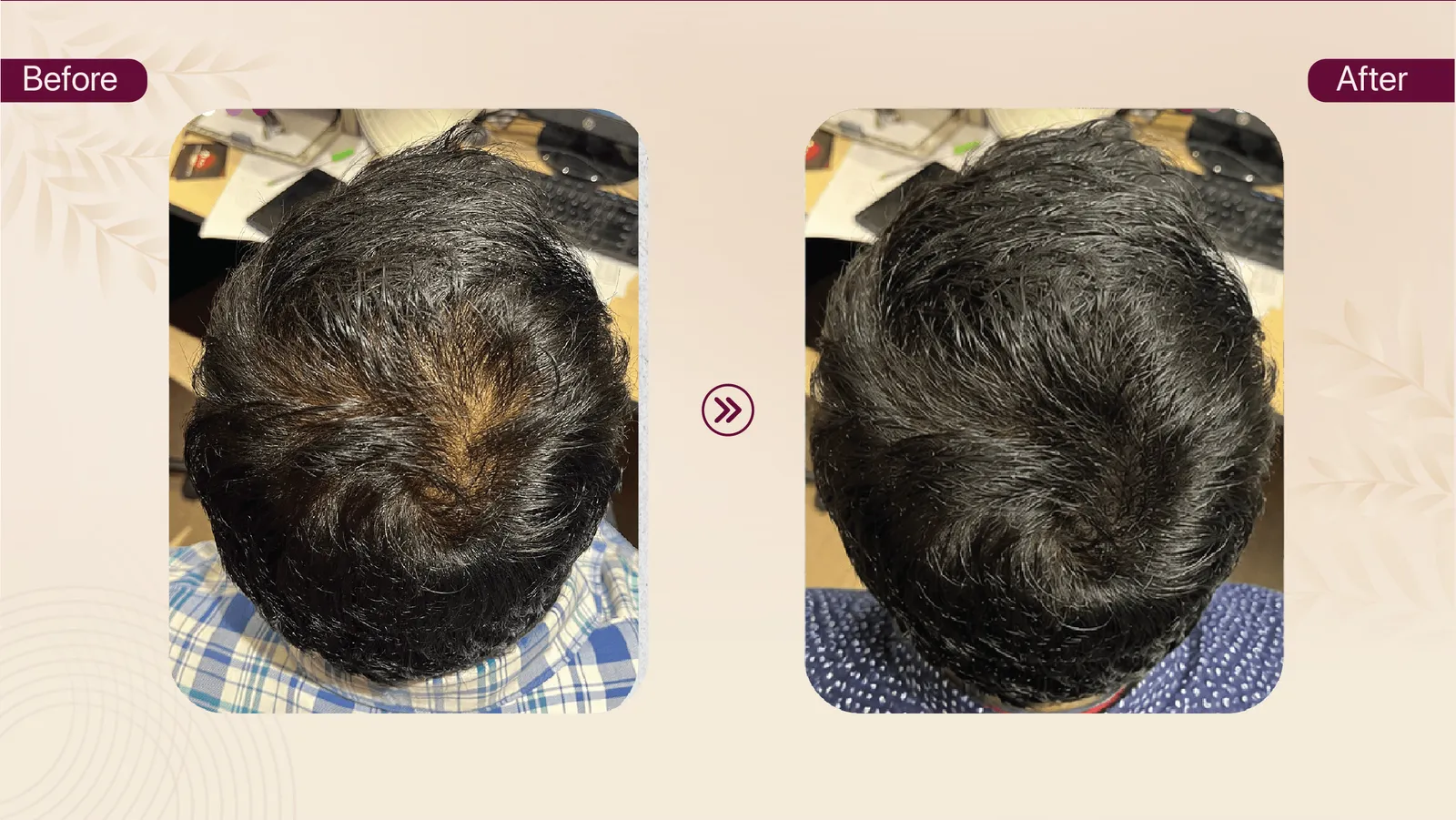
Patient before-and-after photographs showing hair restoration progress across the Layers network. Individual results vary.
Showing all 7 photographs
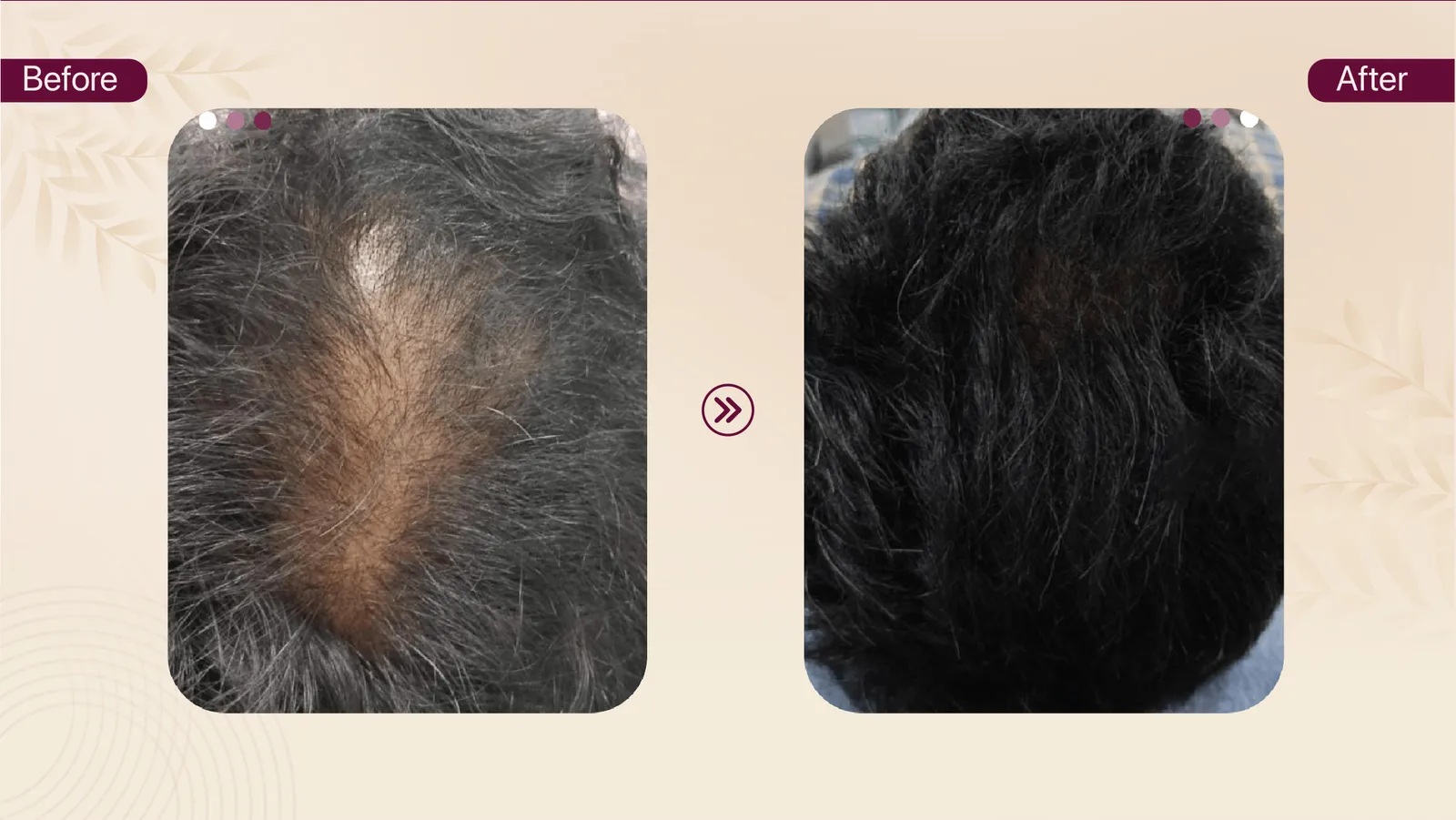
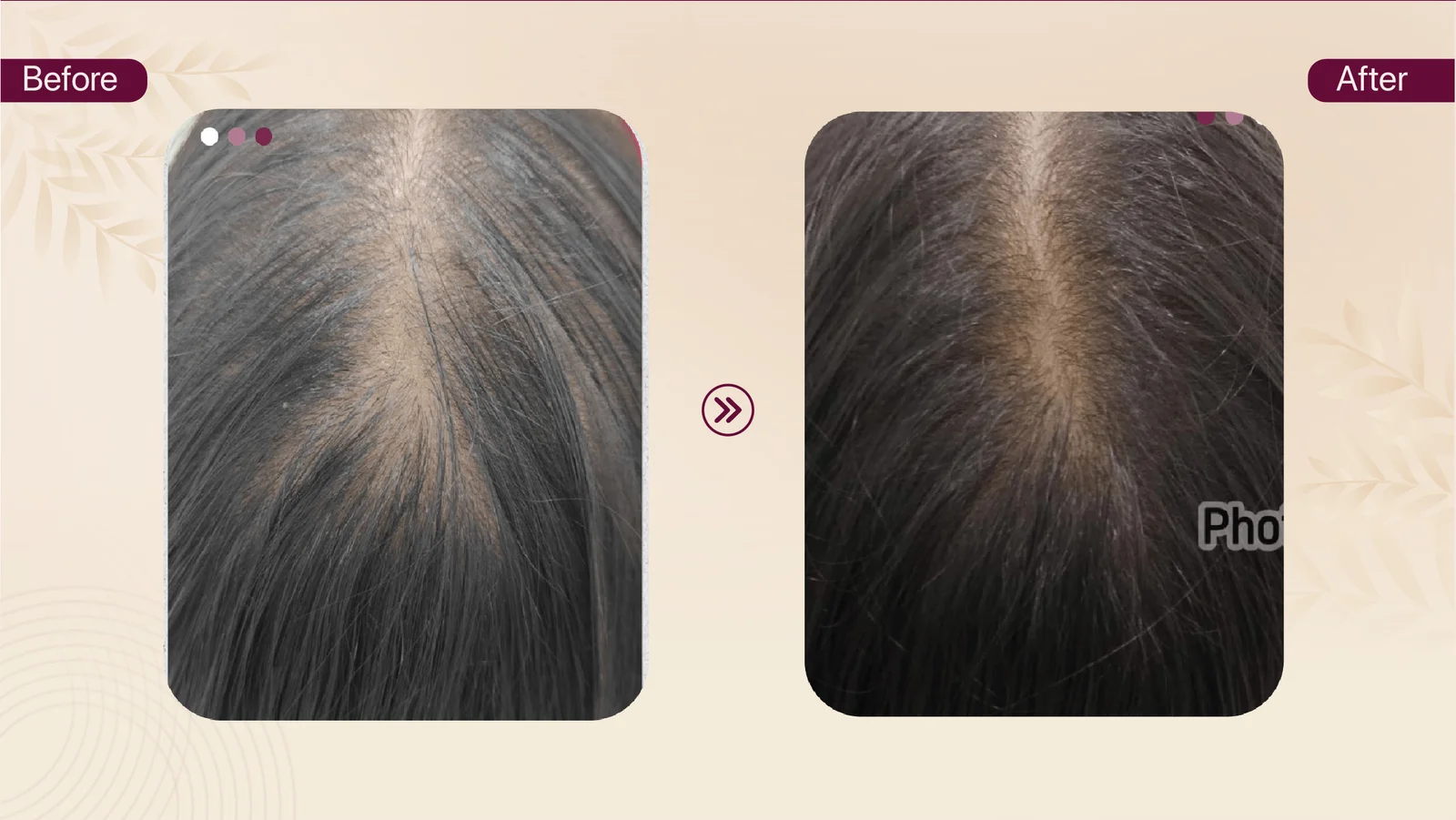
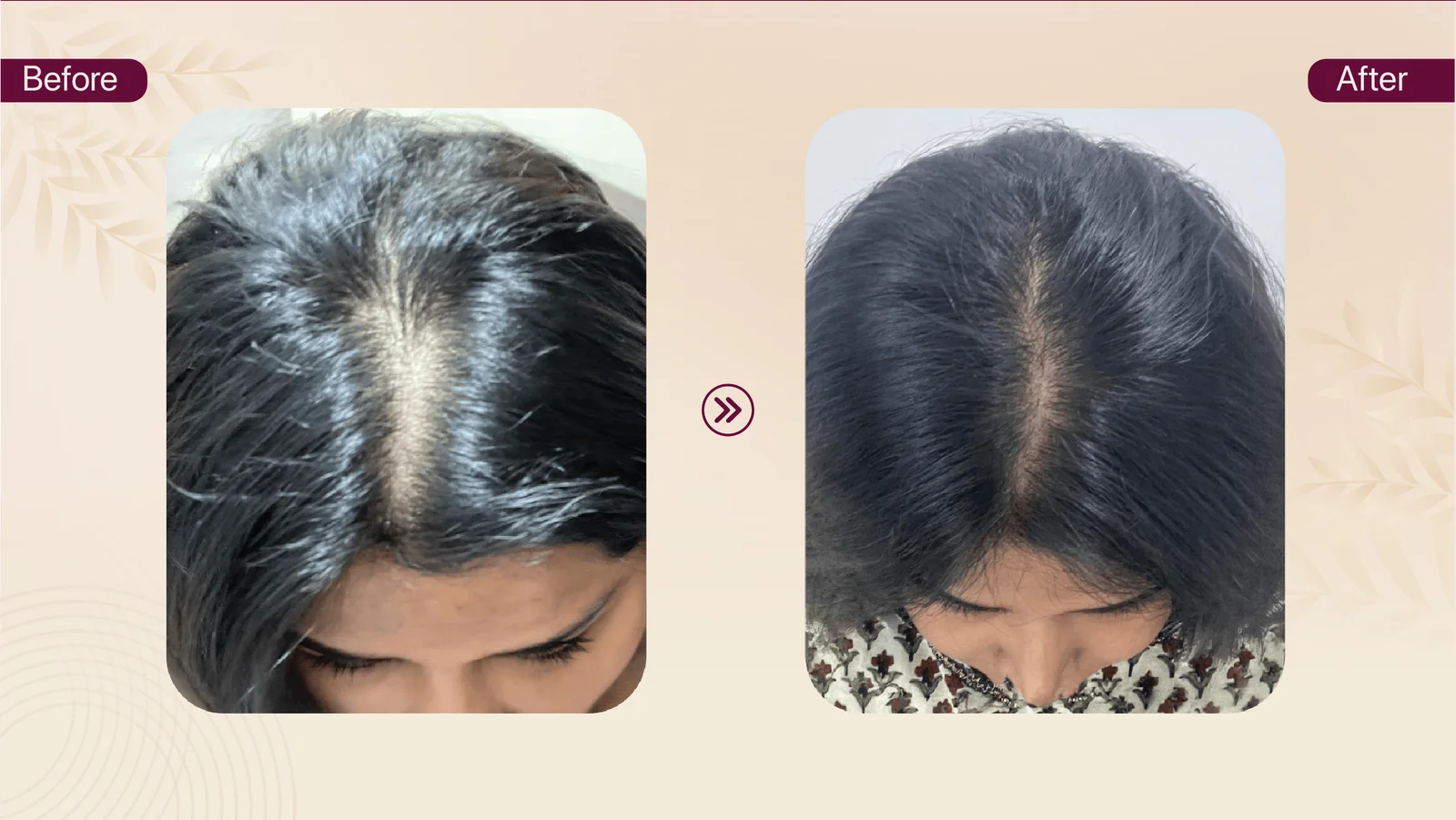
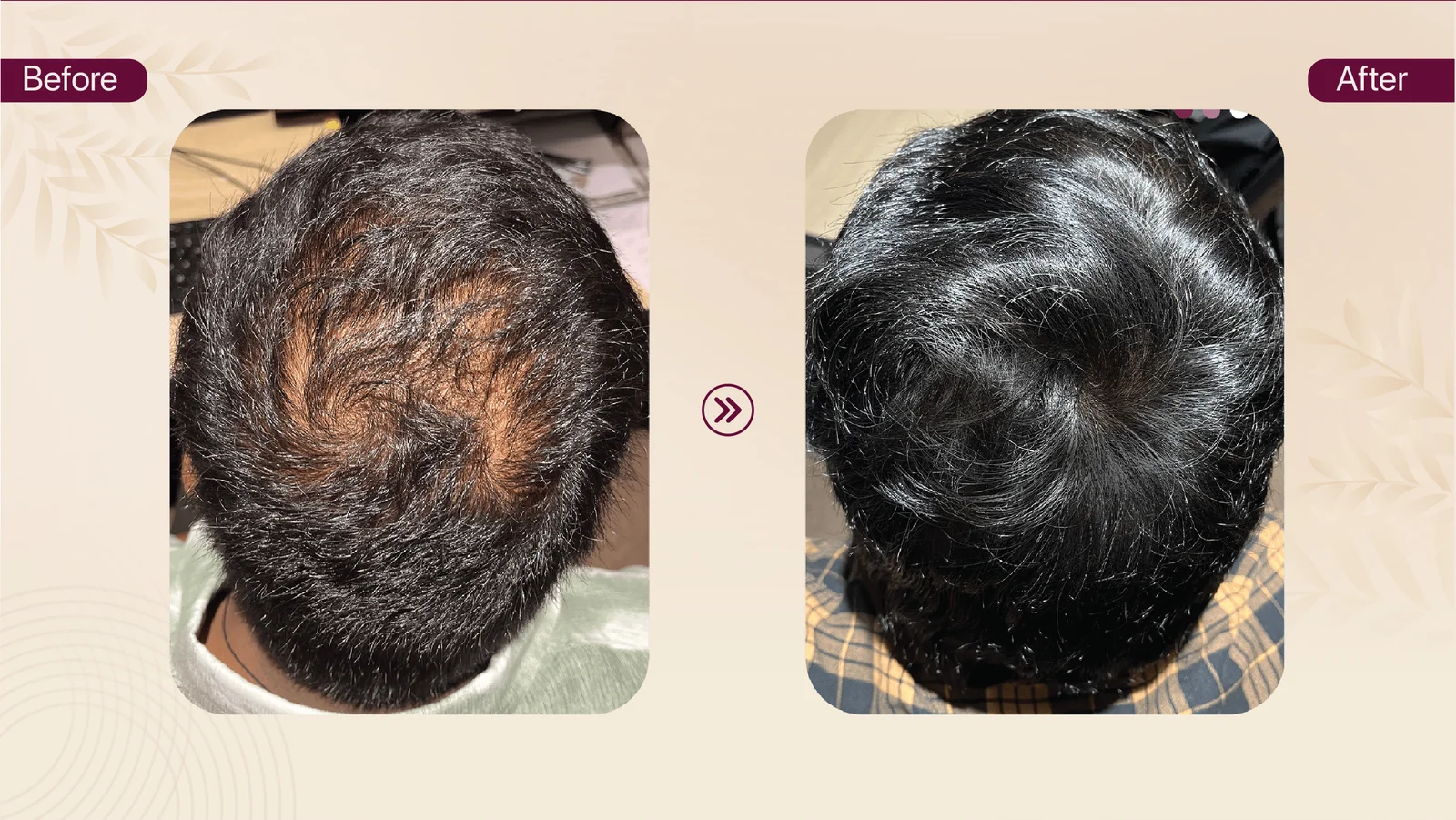
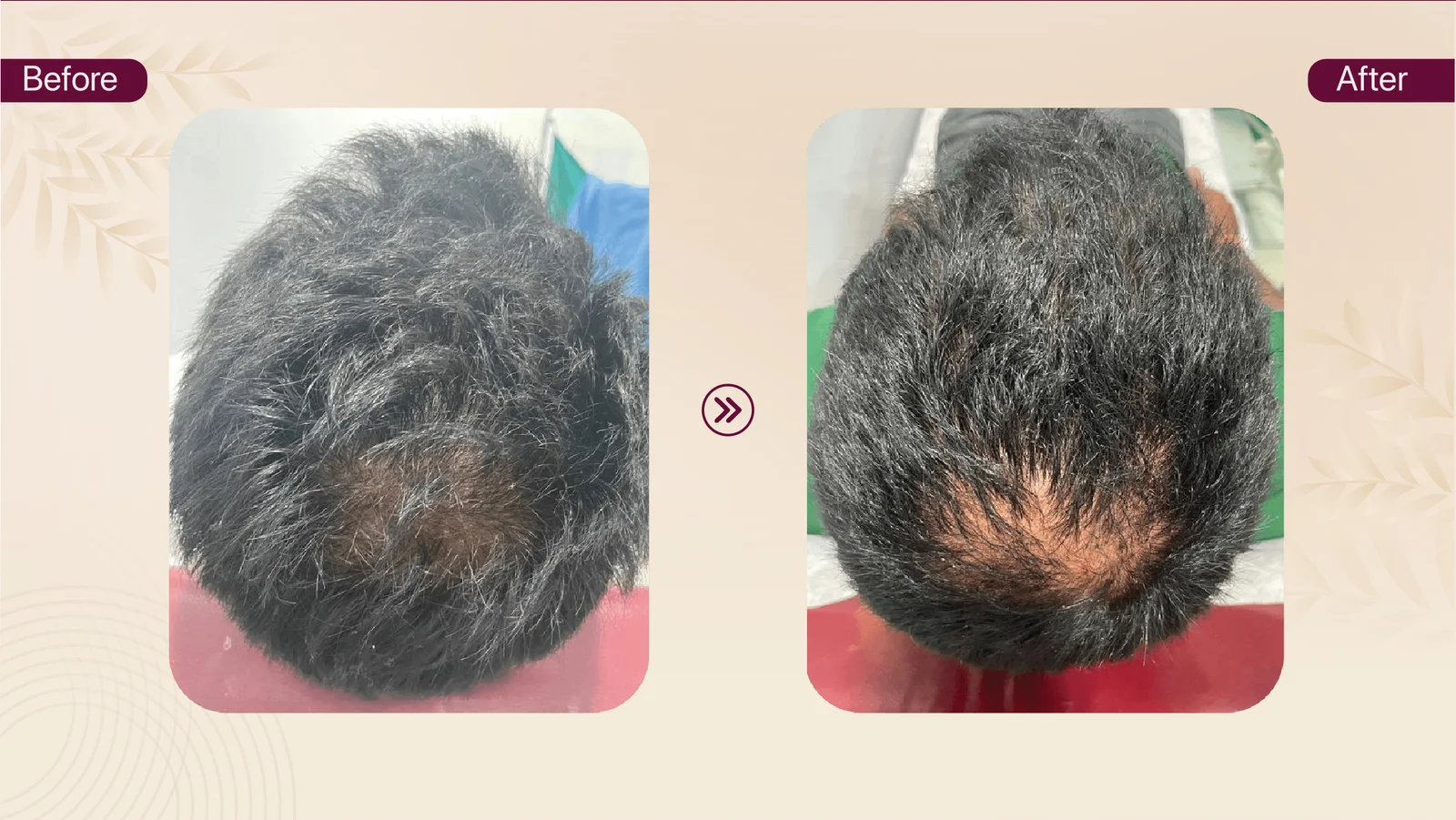
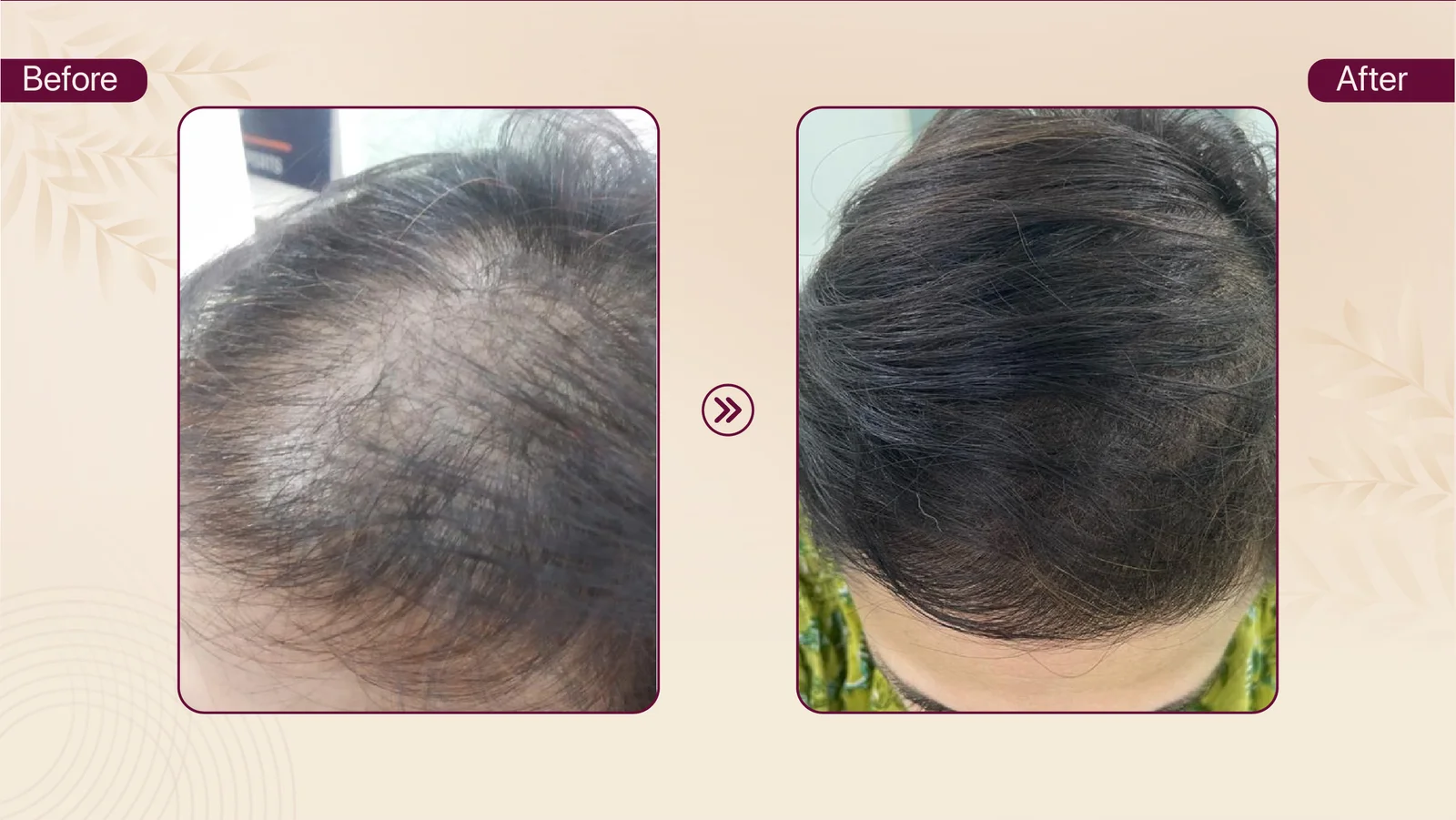
Individual results vary. These photographs show specific cases, not guaranteed outcomes. Original image quality, lighting and angles may differ. Your doctor can explain what may be possible for you.
Related hair-care experiences, including PRP, GFC and care for thinning hair.
“I underwent GFC and PRP treatment for hair loss and had a very positive experience.”
Combined PRP and GFC hair care.
“This was my first GFC treatment, and I'm very happy with my decision.”
GFC hair care.
“Excellent experience from consultation to treatment. The GFC procedure was explained clearly, and the doctors were very knowledgeable.”
GFC hair care.
“I am currently undergoing GFC (Growth Factor Concentrate) treatment at Layers and my experience so far has been highly satisfactory!”
GFC hair care.
“They suggested me GFC treatment and I experienced good results.”
GFC hair care.
“Most importantly, I’m seeing amazing results for my hair thinning treatment.”
Hair-thinning care.
“I noticed visible improvements in my skin texture and a significant reduction in hair fall within just a few sessions.”
Hair-fall and skin care.
















Published scalp-threading studies have used polydioxanone, often shortened to PDO, an absorbable material also used in medical sutures. Your clinician should explain the exact thread and technique proposed.
No. They are not tied to hair shafts or used to grip loose hair roots. The procedure is being studied for possible effects on the scalp tissue around follicles.
Small published studies have investigated scalp threads for pattern hair loss, including a pilot study in women. Larger, longer studies are needed to establish how well it works and which patients benefit. It should not be presented as a guaranteed hair-growth treatment.
No. No donor follicles are moved during scalp threading. A transplant is a separate operation with its own assessment, procedure and recovery.
They are intended to sit beneath the skin. Ask about possible unevenness, irritation or exposure. If a thread becomes visible or an area becomes increasingly sore, contact the clinic rather than trying to remove it.
Your doctor may discuss a combined plan, but more procedures do not automatically mean better results. Explain everything you already use so that timing, healing and the purpose of each treatment are clear.
Follow your aftercare instructions. Worsening pain, increasing redness, discharge, fever or a visible thread should be reviewed promptly. Your clinic should give you a contact for concerns during recovery.
Discuss scalp threads, the evidence and the alternatives for your hair-loss pattern.
Prefer a call? +91 9000 572727