
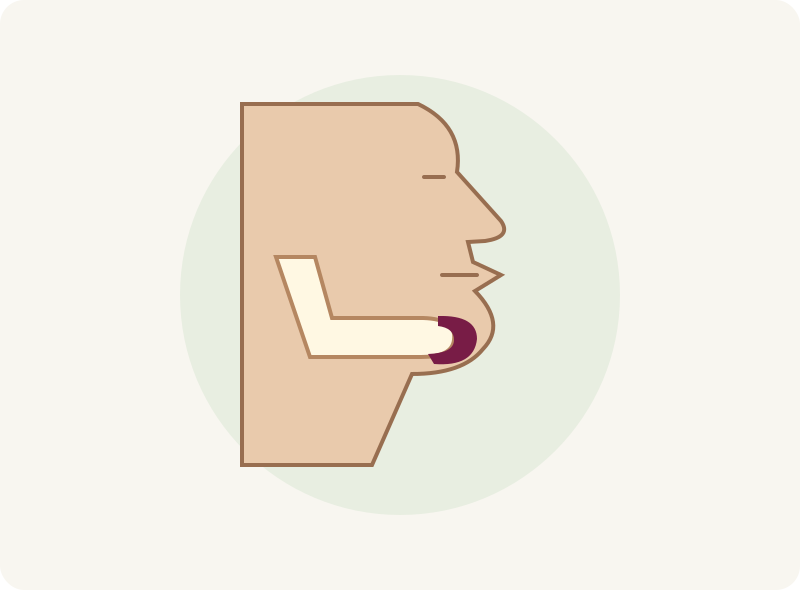
Chin implant
A shaped implant adds support and projection. It is intended as a lasting change, but complications or an unwanted result can lead to further surgery.
Thinking about more chin definition? Learn what an implant can change, how it differs from other options and what surgery involves.

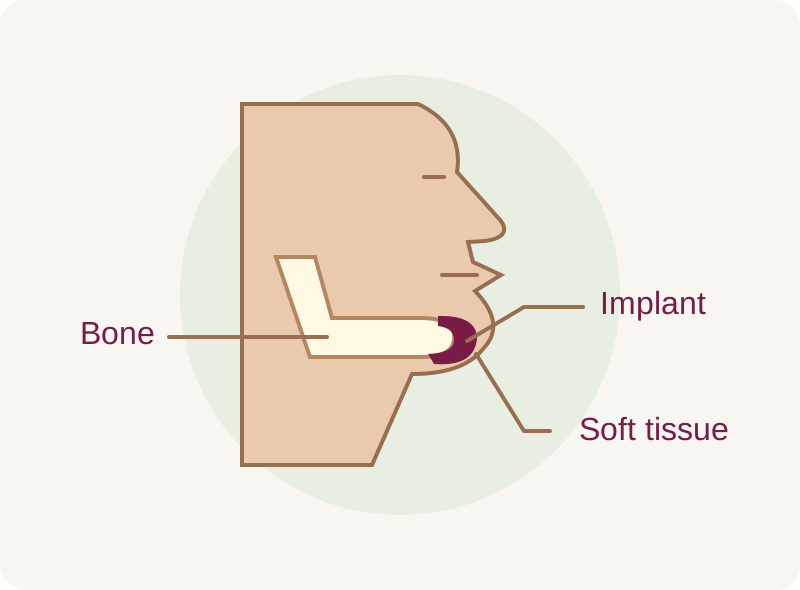
Chin augmentation adds projection or definition to a chin that sits further back. An implant is placed over the front of the chin bone, beneath the surrounding tissue. Its shape and size are chosen for the individual face.
The aim is a change that fits your features. The nose, lips, jaw and neck affect how the chin looks, so planning considers more than a side-profile photograph.
A shaped implant adds support and projection. It is intended as a lasting change, but complications or an unwanted result can lead to further surgery.
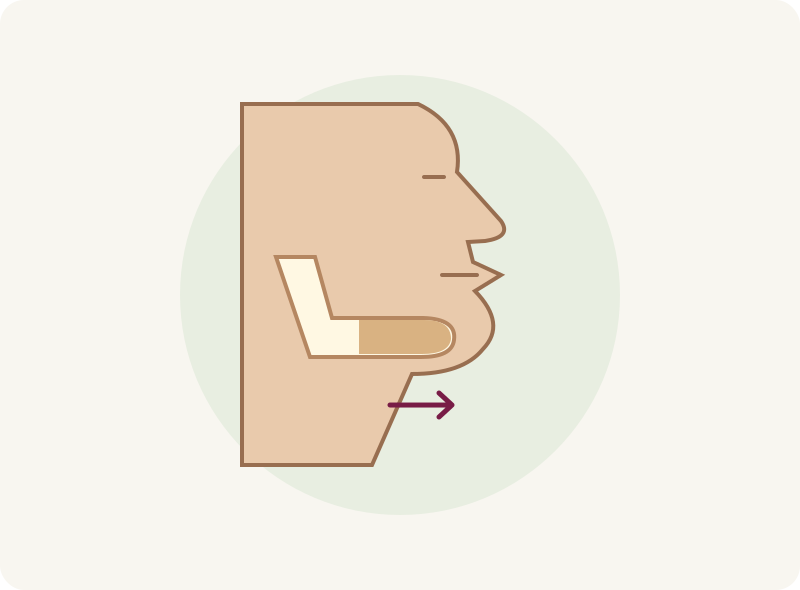
Sliding genioplasty changes the position of your own chin bone. It is a different operation from placing an implant, with different planning and recovery needs.
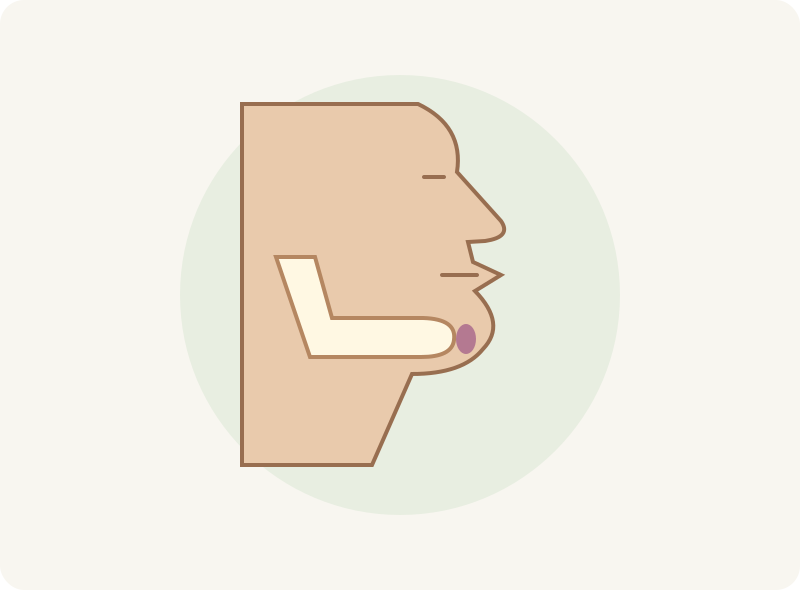
Filler can add temporary volume in selected cases. It has its own injection risks and does not move the jaw or chin bone.
Understand fillers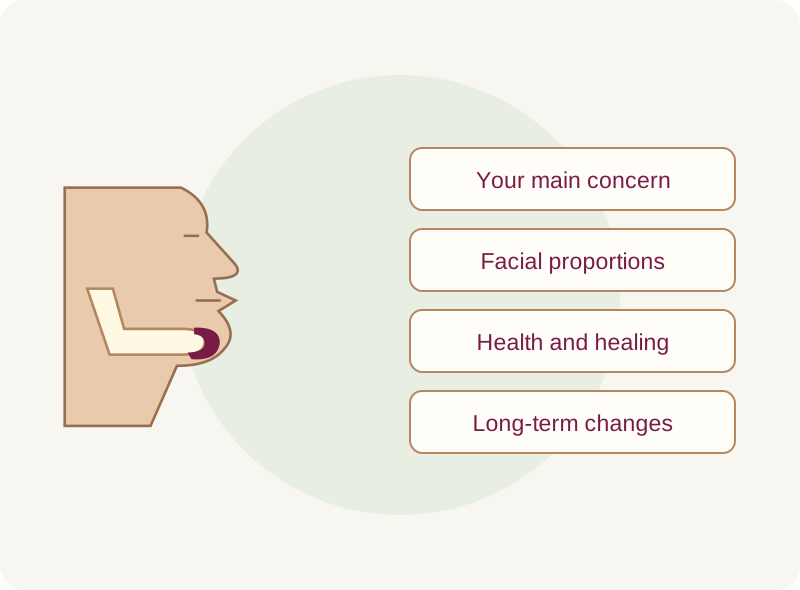
The surgeon checks projection, symmetry, facial maturity and how your teeth meet. A bite or jaw-alignment problem may need a different specialist assessment; a chin implant does not correct the bite.
Discuss medicines, nicotine use, dental issues, past facial surgery, fillers and healing problems. Bring records of previous implants or procedures if you have them.
Explain what bothers you in your own words. Ask what can be changed, what will remain and whether another option—or leaving the chin as it is—better fits your goals.
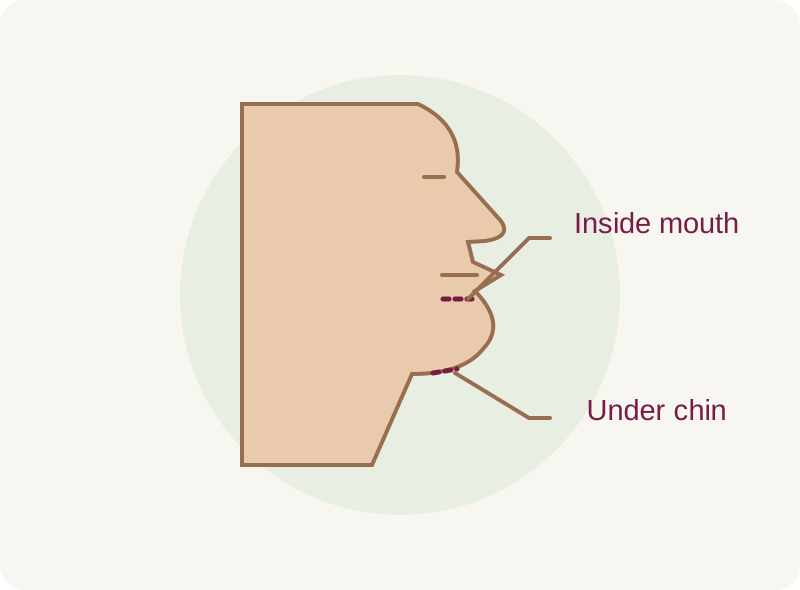
A chin implant can be placed through an incision inside the mouth or beneath the chin. The choice depends on the planned operation and the surgeon’s assessment. Ask where the scar will sit and how you will care for it.
Inside-mouth access avoids an external incision for that approach, but still creates a healing wound. Under-chin access leaves a skin scar that may fade yet remain visible.
The surgeon examines your face and may use photographs or imaging to help plan. Confirm the implant material, size, position and the reasons for recommending it.
Confirm the anaesthetic, surgical setting, transport and follow-up. Follow your individual preparation instructions; changes to prescribed medicines need agreement with the prescribing clinician.
Local anaesthesia, sedation or general anaesthesia may be used according to the plan. The surgeon makes the agreed incision and creates space for the implant.
The implant is positioned and secured as required, then the incision is closed. Dressings or support may be used. The team checks your recovery before discharge.
Inside-mouth access may need a prescribed rinse and changes to food texture. Care for an under-chin wound as instructed, and avoid pressure or knocks to the chin.
Follow advice about rest, activity and any support dressing. Ask when to restart exercise, contact sports, dental work or other facial treatments.

Swelling, bruising, tightness and temporary changes in lower-lip or chin sensation can affect the early appearance. Work and social plans should allow for visible healing; your operation and usual activities guide the timing.
The chin continues to settle after the wound begins to heal. Avoid judging the shape in the first days. Attend follow-up so the team can assess position, comfort, sensation and healing over time.
The implant can move, become infected or develop tight scar tissue around it. Removal or revision may be needed.
Bleeding, poor wound healing, noticeable scars, persistent pain or numbness can occur. Anaesthetic and general surgical risks also need discussion.
The result may be uneven, too prominent or less noticeable than expected. Further surgery cannot guarantee an exact outcome.
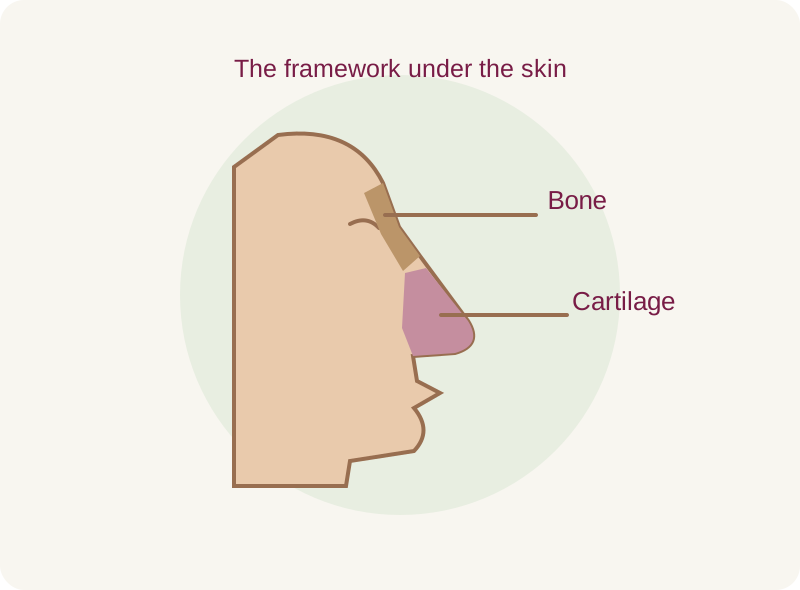
Nose and chin proportions influence the profile. Learn what nasal surgery involves without assuming you need both operations.
Understand rhinoplasty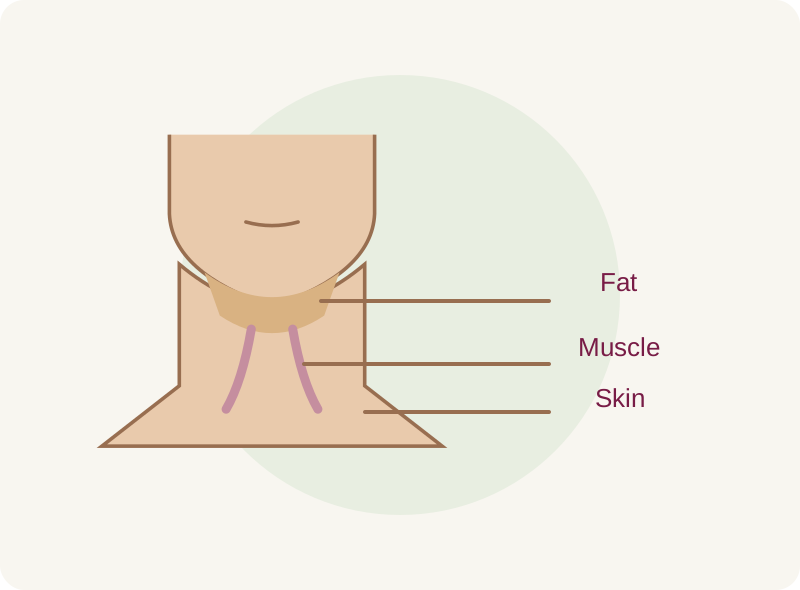
Loose neck skin or muscle bands are different concerns from a chin that sits back.
Understand neck liftThese Google reviews describe general consultations and care at Layers. They are not chin implant outcome reports.
“The doctors listened carefully to my concerns and explained the treatment in a clear and professional manner.”
Consultation experience; condition not specified.
“She explained the treatment clearly and made me feel comfortable throughout the consultation.”
Consultation experience; condition not specified.
“The doctor took the time to understand my skin concerns and explained the treatment plan clearly, without rushing.”
Consultation experience; condition not specified.
“Very patient ,humble and polite to answer every single query and build confidence.”
Consultation experience; condition not specified.
“The doctors explained everything clearly and made me feel comfortable and confident.”
Consultation experience; condition not specified.
“The doctor took the time to listen to my concerns patiently and explained the treatment options clearly.”
Consultation experience; condition not specified.
















No. An implant adds to the chin contour. Bite correction or repositioning the jaw involves a different assessment and operation.
It is intended to stay in place long term. That does not guarantee it will never need removal or replacement, and facial ageing continues.
It does not remove neck fat or loose skin. Your clinician should identify which structures contribute to the concern before discussing treatment.
You can explain the change you want. Selection needs the surgeon’s assessment of bone, soft tissue and facial proportions, rather than a size chosen from a photograph.
An under-chin incision leaves a skin scar. An inside-mouth approach has a different wound location and care plan. Ask which is proposed and why.
Removal is possible in some circumstances but requires another operation. Tissue and scar changes mean the original appearance cannot be guaranteed.
Food advice depends partly on the incision. You may be asked to use liquids or softer foods initially, especially with inside-mouth access. Follow your own surgical team’s instructions.
Ask about the surgeon’s relevant experience, implant details, alternatives, surgical setting, recovery support and how complications or revision would be handled.
Discuss your facial proportions, the change you want and the care an operation would involve.
Prefer a call? +91 9000 572727