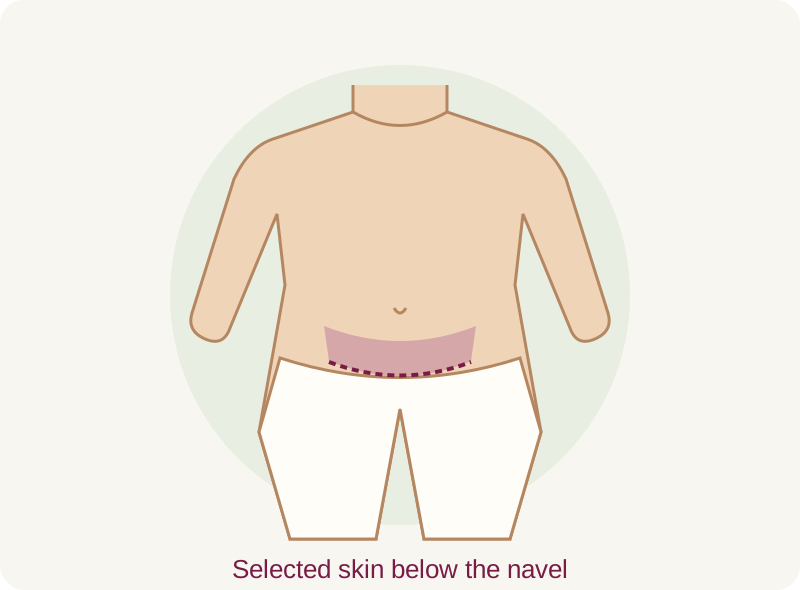
Mini tummy tuck
May suit a small amount of loose skin below the navel. The incision is usually shorter, and there is generally no incision around the belly button. It does not address all upper-abdominal looseness.
Loose abdominal skin can remain after pregnancy or weight loss. Explore how abdominoplasty works, what it can change and what to expect from surgery.

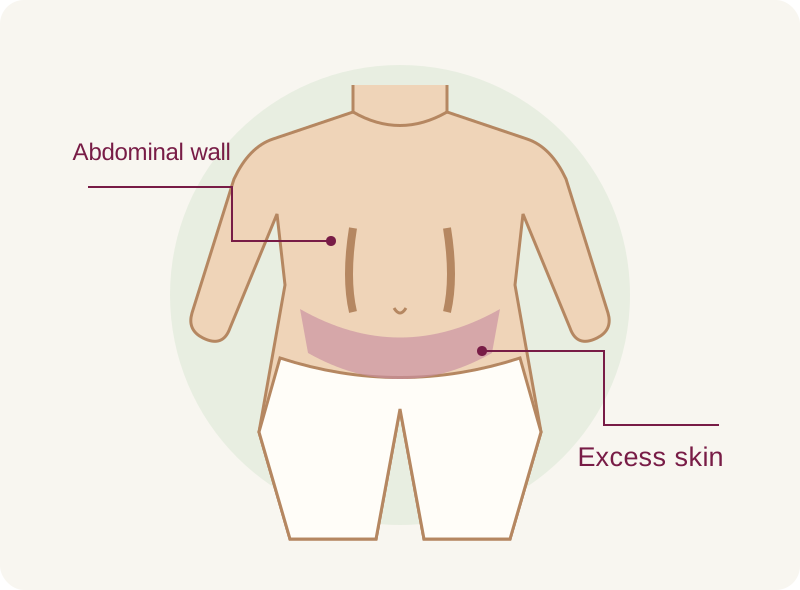
A tummy tuck, or abdominoplasty, removes excess abdominal skin and some fat. The surgeon may also tighten the supporting layer over separated abdominal muscles.
The aim is to change the abdominal contour. It is not a weight-loss operation, and it cannot remove every stretch mark or promise a completely flat abdomen.
May suit a small amount of loose skin below the navel. The incision is usually shorter, and there is generally no incision around the belly button. It does not address all upper-abdominal looseness.
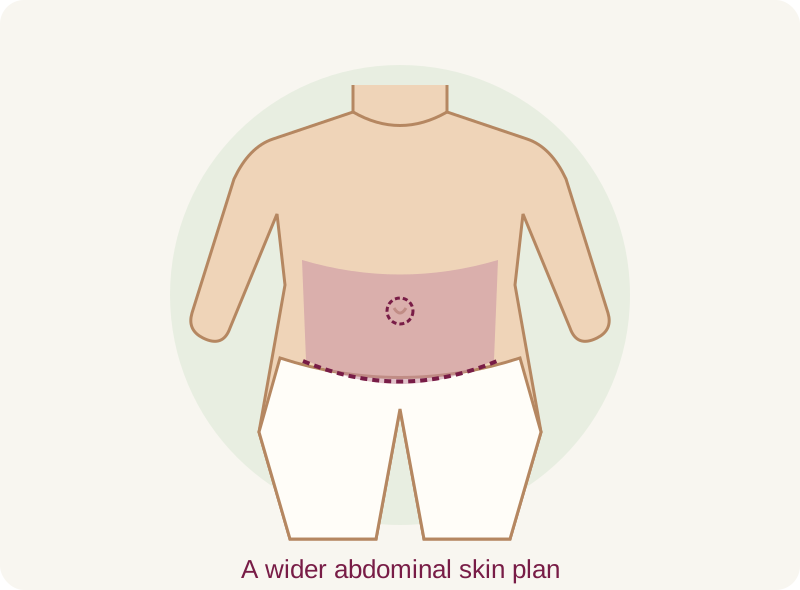
Addresses a wider area of excess skin. It usually involves a longer lower-abdominal incision and an opening around the navel. Abdominal-wall repair may be included when needed.
The skin pattern and examination guide the choice. A smaller operation is only helpful if it addresses your concern; these drawings are simplified examples.
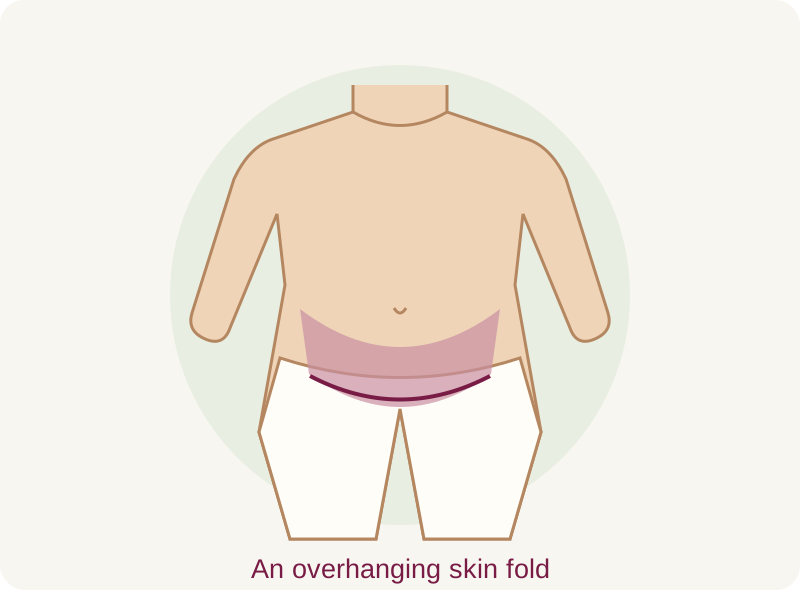
After substantial weight loss, loose skin may extend towards the sides or around the body. An extended operation or body lift may be discussed. Some plans need a vertical as well as a horizontal scar.
A panniculectomy focuses on removing an overhanging skin apron and does not include abdominal muscle tightening. If a fold causes recurring rashes or limits movement, discuss those symptoms as well as its appearance.
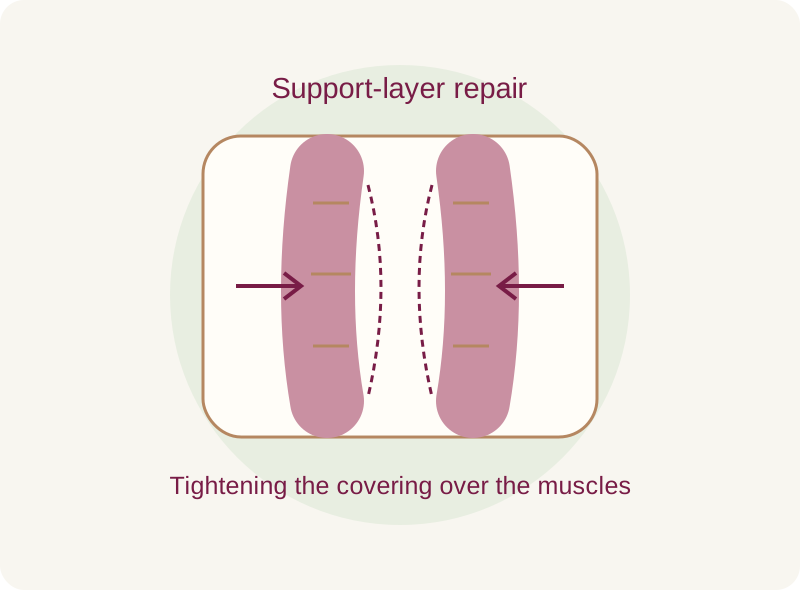
The left and right abdominal muscles can move apart as the tissue between them stretches. During a tummy tuck, the surgeon may tighten the covering over these muscles with stitches. The muscles are not removed.
A bulge may also involve a hernia or deeper abdominal fat. Examination helps distinguish these concerns and whether another assessment or treatment is needed.
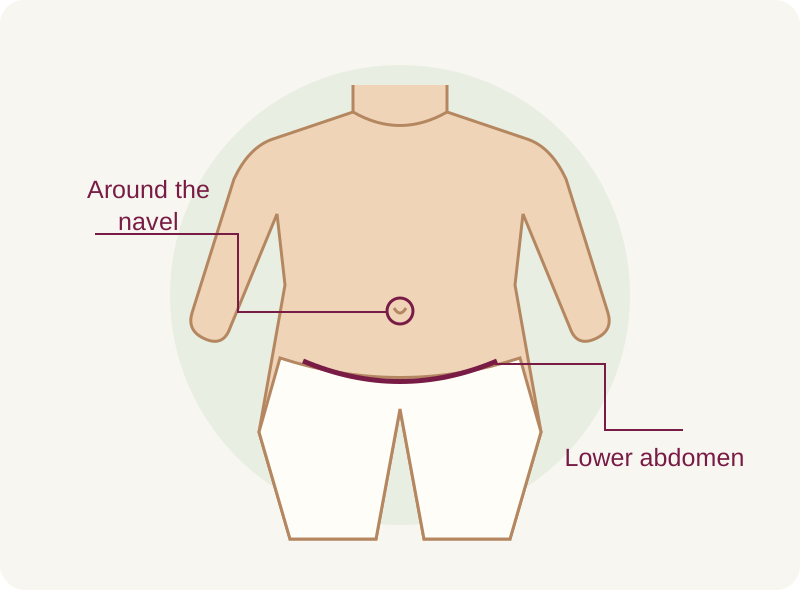
The length depends on the amount and position of loose skin. Ask the surgeon to explain the proposed scar with your usual clothing in mind.
There may be a scar around the belly button as well as the lower incision. A more extensive skin-removal plan may leave additional scars.
They may start raised, firm or darker and soften over time. Scars remain, and some become thick or need further care. Discuss any history of raised scars.
A stable weight helps planning. If you expect substantial weight loss or another pregnancy, postponing surgery may make sense.
Discuss smoking, diabetes, nutrition, past operations, clotting problems and medicines. The surgeon may recommend preparation or further medical assessment first.
You will need time to recover, transport and help at home. Plan for childcare, lifting restrictions and time away from work rather than choosing a date alone.
Review your goals, examination, alternatives and risks with the plastic surgeon. Confirm who operates, the surgical facility, anaesthesia and follow-up arrangements.
Follow the team’s instructions for tests, smoking, food and drink, medicines and home support. Do not change prescribed medicines on your own.
Anaesthesia is arranged for the operation. The surgeon lifts and adjusts the skin, removes the excess and repairs the abdominal wall if this is part of the plan.
A full procedure usually includes an opening for the navel. The team closes the incisions and applies dressings. Drains or a support garment may be used.
Get written instructions for washing, dressings, medicines and support garments, plus a number to call with concerns.
Attend follow-up so the team can check healing and guide activity. Discharge timing depends on your health, operation and recovery.
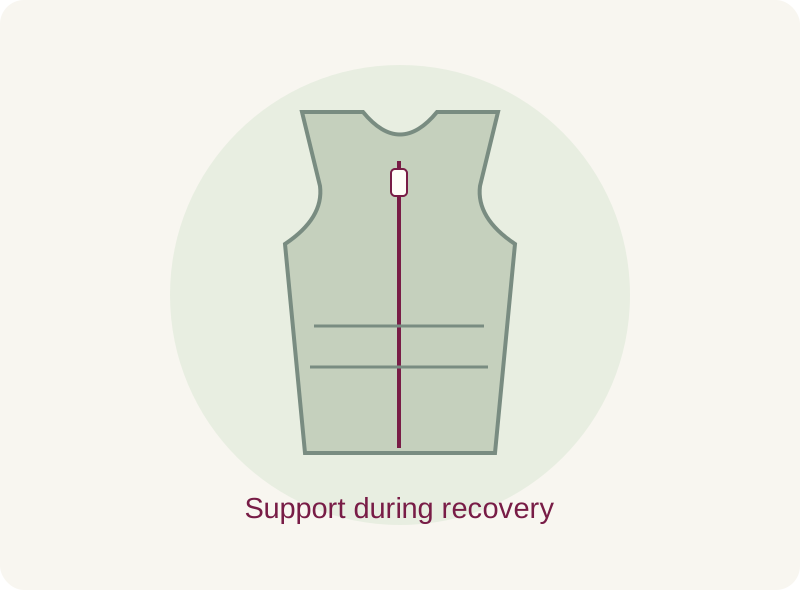
Expect soreness, tightness, swelling and bruising. Get help with daily tasks and follow the team’s guidance on walking, resting and positioning.
Heavy lifting and strenuous exercise need to wait. Recovery often takes several weeks; your job, muscle repair and any combined surgery affect the schedule.
Swelling settles gradually and scars continue to change. Judge the contour after healing, with your surgeon, rather than from the first postoperative photographs.
Bleeding, infection, fluid collections and delayed wound healing can occur. Skin or fatty tissue may be damaged or lost.
Thick scars, persistent numbness or pain, asymmetry and an unsatisfactory contour are possible. Some problems need further treatment or revision.
Blood clots and heart, lung or anaesthesia complications can occur. Your health and the total operation matter when assessing risk.
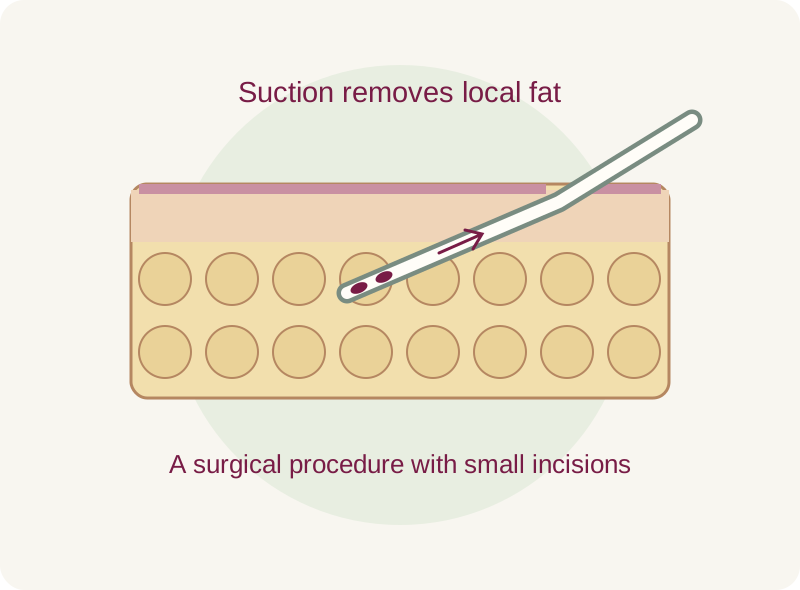
Removes local fat through small incisions. It does not remove a substantial loose skin fold. Sometimes it is combined with a tummy tuck after assessing the total risk.
Explore liposuction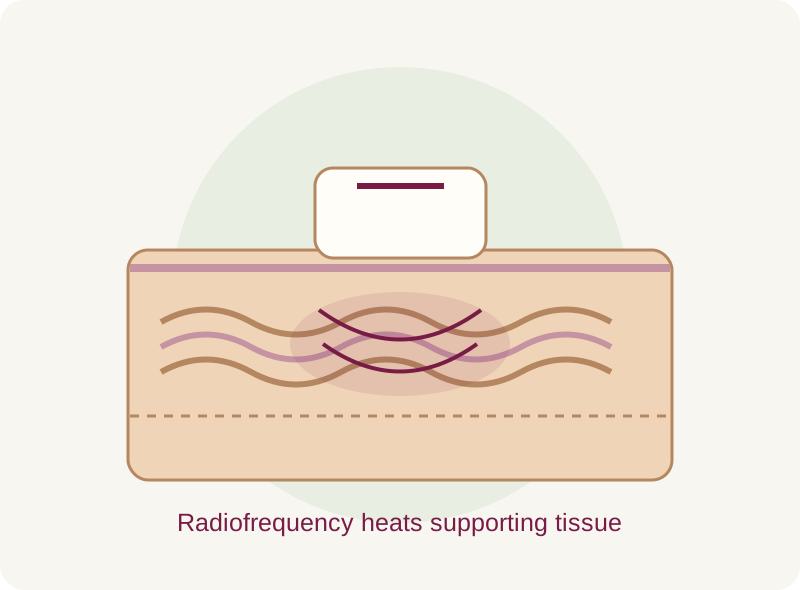
Selected devices may help mild skin looseness. They cannot remove the amount of excess skin addressed by surgery.
Understand skin laxity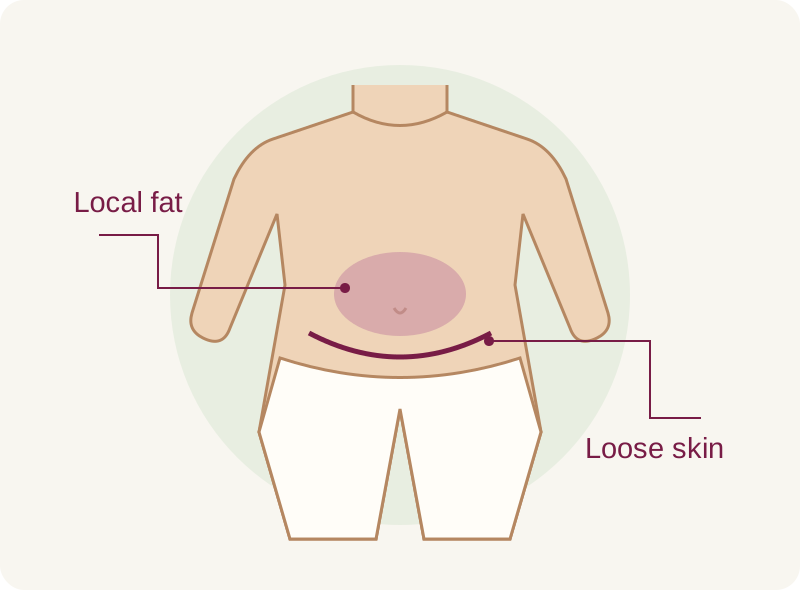
If several areas concern you, compare the options and discuss whether a staged plan would be more suitable.
Explore body contouringThese verified Google excerpts describe general consultations and care. They do not identify tummy tuck surgery or show its results.
“The doctors listened carefully to my concerns and explained the treatment in a clear and professional manner.”
Consultation experience; condition not specified.
“She explained the treatment clearly and made me feel comfortable throughout the consultation.”
Consultation experience; condition not specified.
“The doctor took the time to understand my skin concerns and explained the treatment plan clearly, without rushing.”
Consultation experience; condition not specified.
“Very patient ,humble and polite to answer every single query and build confidence.”
Consultation experience; condition not specified.
“The doctors explained everything clearly and made me feel comfortable and confident.”
Consultation experience; condition not specified.
“The doctor took the time to listen to my concerns patiently and explained the treatment options clearly.”
Consultation experience; condition not specified.















No. Liposuction removes selected fat; a tummy tuck removes excess skin and may include abdominal-wall repair. They have different scars and recovery.
No. Only marks within the skin that is removed go with that skin. Stretch marks elsewhere remain.
The amount and position of loose skin guide the choice. A mini procedure may leave upper-abdominal concerns untreated. Ask what each option would change for you.
Yes. Suitability depends on the skin, abdominal wall, health and goals, rather than gender.
Pregnancy can stretch the skin and abdominal wall again. Discuss your plans; the surgeon may advise waiting until you have finished having children.
Some people go home the same day, while others need an overnight stay or longer observation. Confirm the plan for your particular operation and arrange help afterwards.
Follow wound-care instructions first. Once healing allows, the team can discuss sun protection and whether silicone or other scar care is useful. Do not put products on an unhealed wound without advice.
The removed skin does not grow back, but weight changes, pregnancy and ageing can change the contour. Keeping weight stable supports the result; it does not stop normal body changes.
Arrange a consultation to discuss excess skin, the surgical assessment and recovery.
Prefer a call? +91 9000 572727