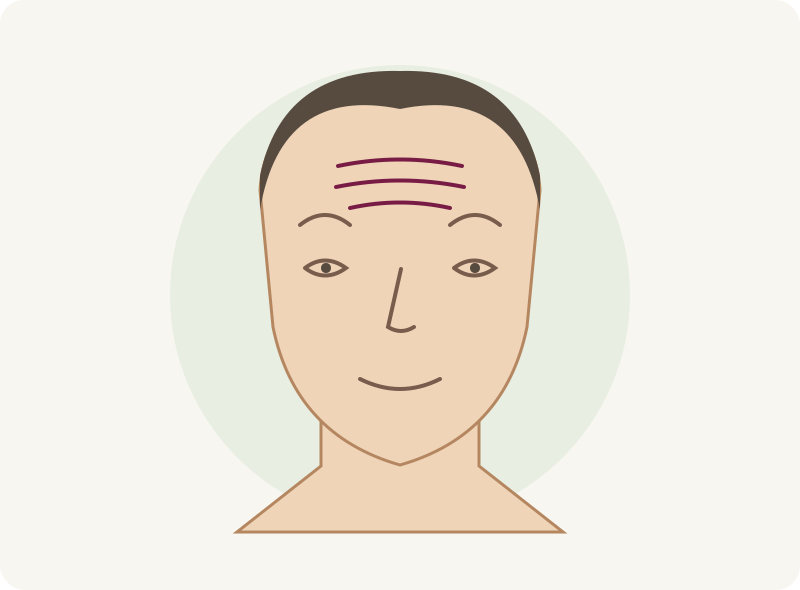
Lines with expression
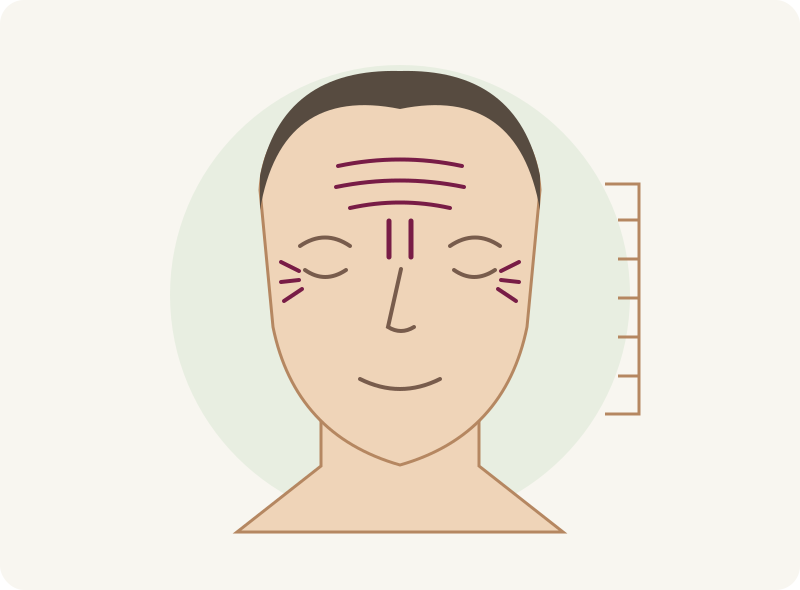
These become more noticeable when you move your face and may soften when you relax it. Forehead, frown and outer-eye lines often behave this way.
Lines are a normal part of facial movement and ageing. If they bother you, understanding the pattern helps you choose useful care without treating every change the same way.

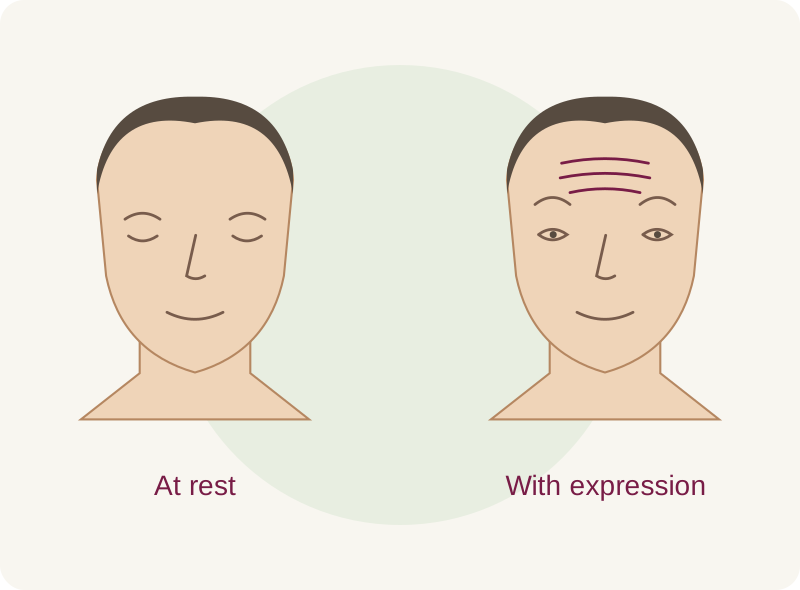
Repeated movement folds the skin when you smile, frown or raise your eyebrows. Over time, changes in skin support can make some lines visible even when the face is relaxed.
Sun exposure, smoking, skin dryness and natural ageing can also affect texture. Fine creases, deeper folds and loose skin often occur together, but they do not all respond to the same treatment.
These become more noticeable when you move your face and may soften when you relax it. Forehead, frown and outer-eye lines often behave this way.
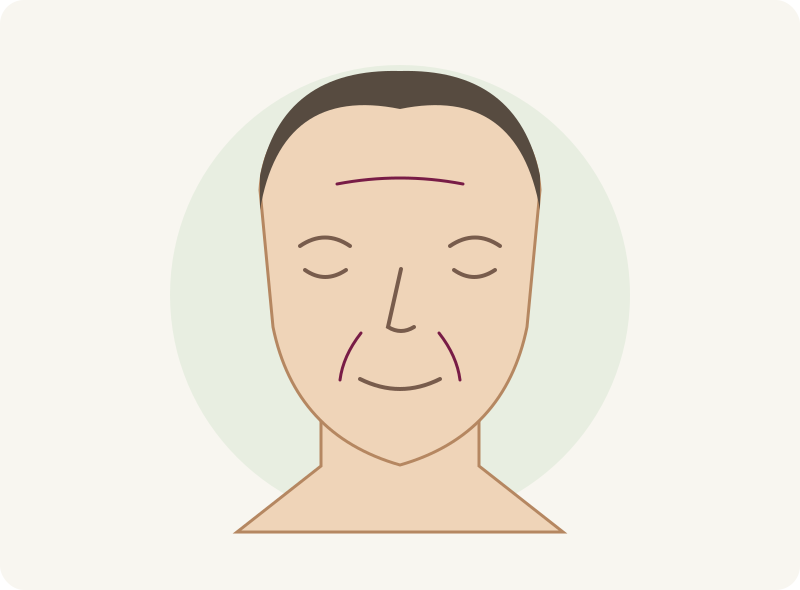
A line can remain visible without an expression. Repeated folding, skin changes and underlying support may all contribute.
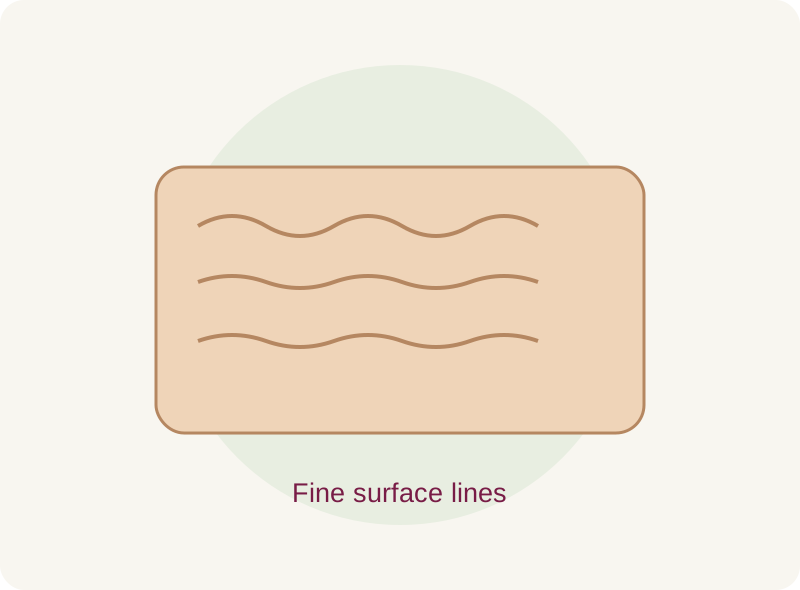
Dryness and sun-related texture changes can make fine lines stand out. Gentle skin care may help the surface appearance, even when a deeper fold remains.
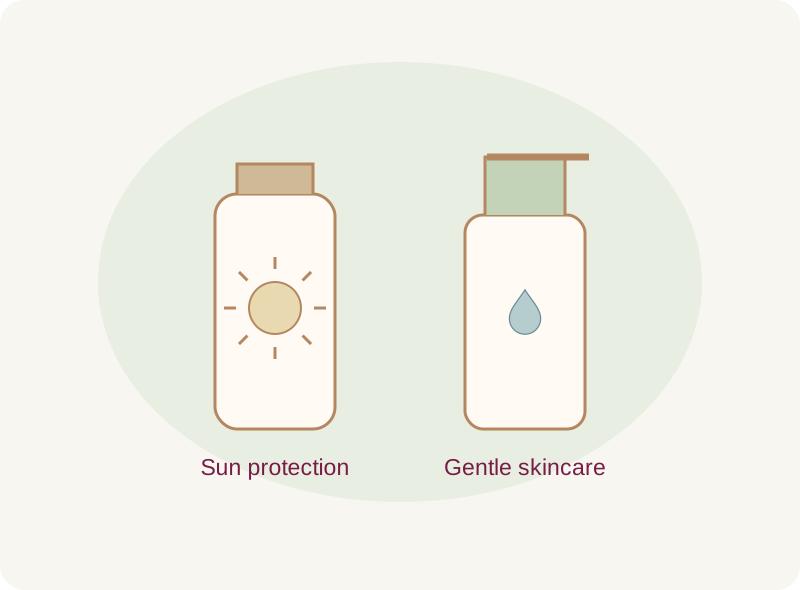
Use broad-spectrum sunscreen, protective clothing and shade. Avoid tanning. This helps limit further sun damage alongside any treatment.
A gentle cleanser and suitable moisturiser can make dry creases less noticeable. Scrubbing harder or layering strong products may irritate the skin.
Retinoids may improve some fine lines over time, but can irritate sensitive skin. Discuss how to introduce them; avoid retinoids during pregnancy.
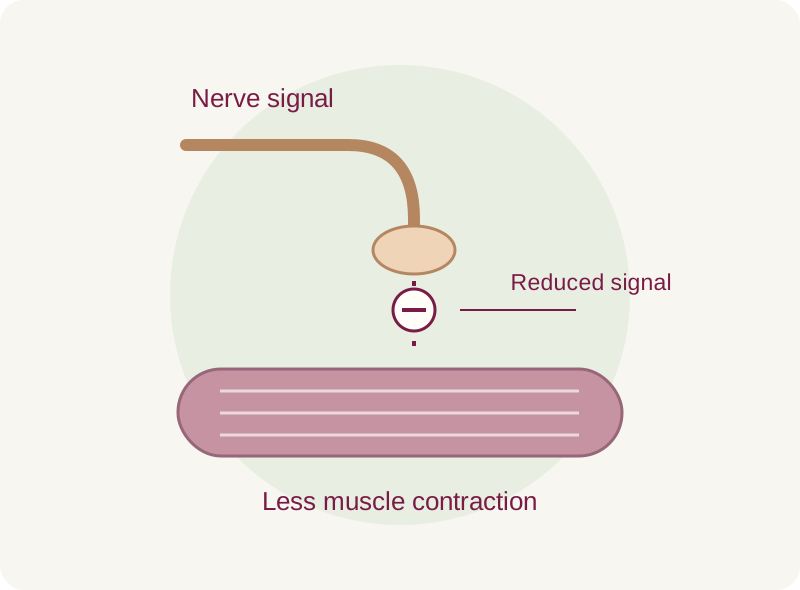
Temporarily reduces selected muscle movement to soften expression lines. It does not add volume or remove excess skin.
Explore botulinum toxin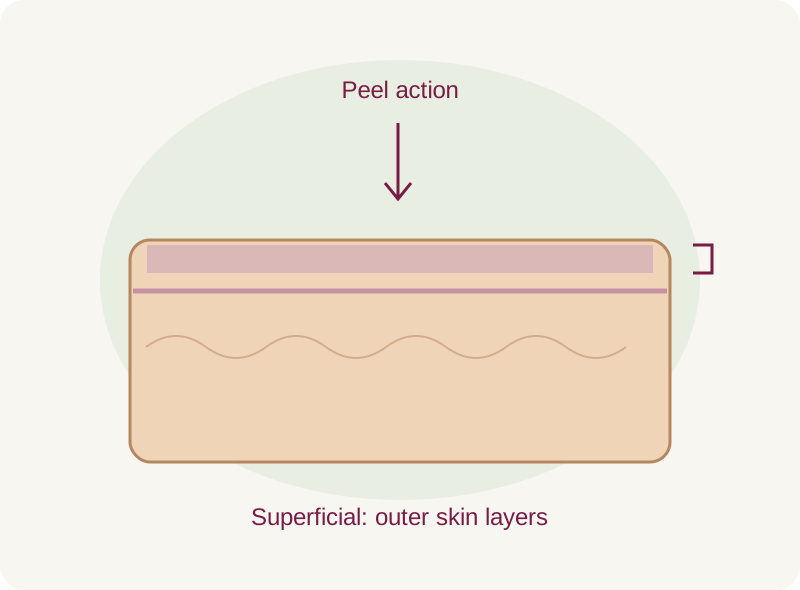
Selected peels may improve fine texture and sun-related changes. Peel depth affects recovery and the risk of pigment changes.
Explore chemical peels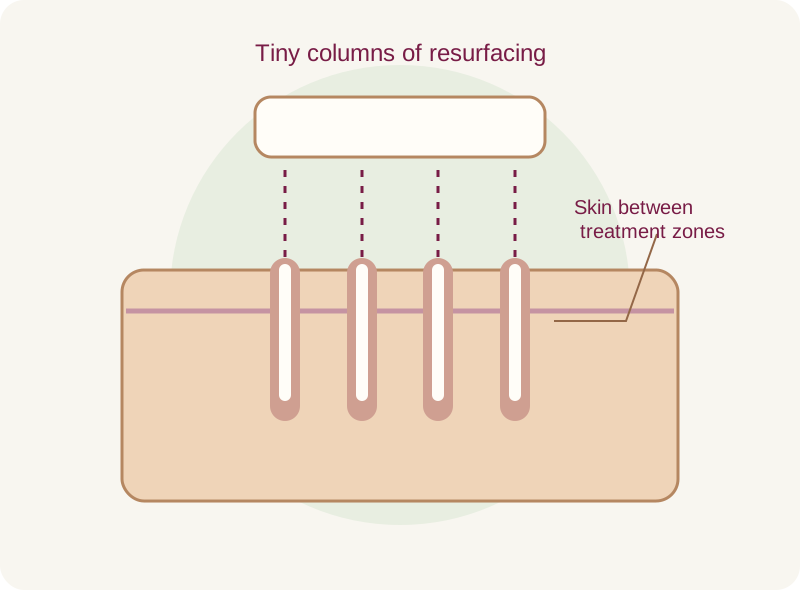
Resurfacing may soften selected lines at rest. It needs preparation and healing time, with a careful plan for your skin tone.
Explore fractional CO₂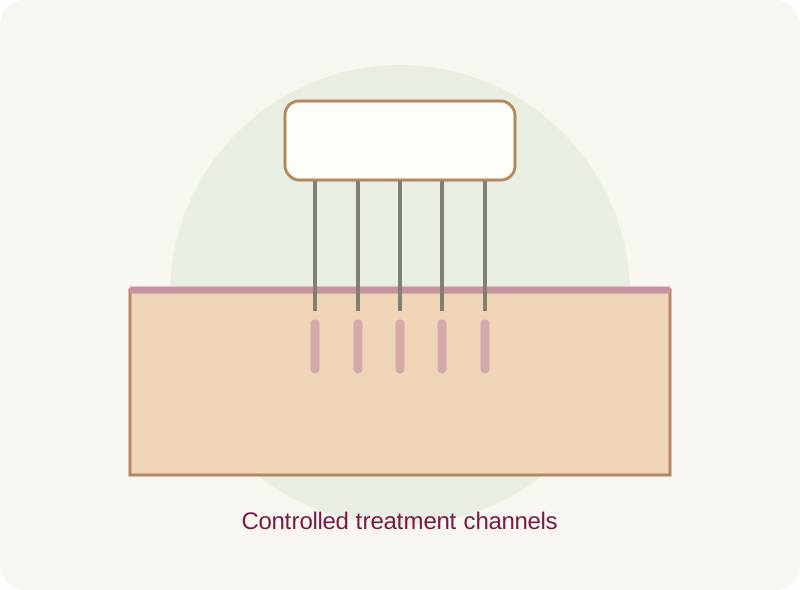
Controlled skin injury can encourage remodelling and improve some texture concerns. It is different from muscle-relaxing injections.
Explore microneedling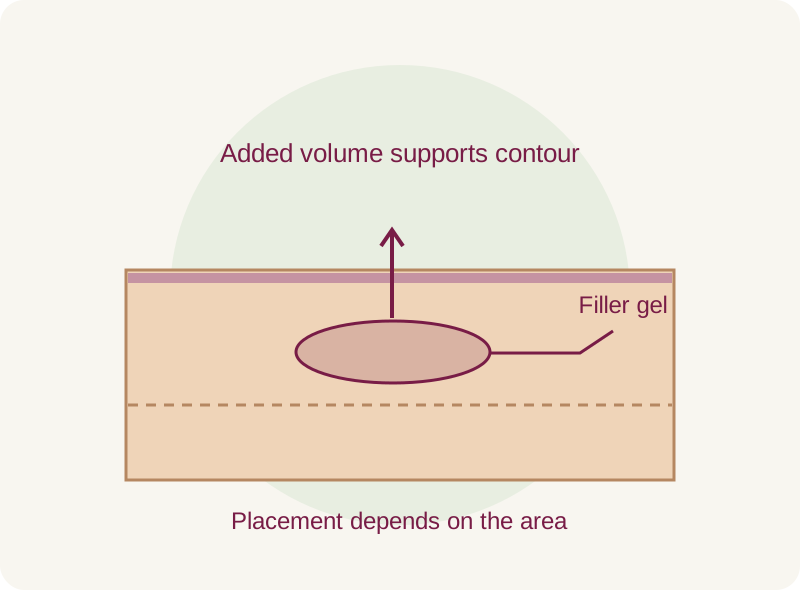
When lost volume contributes to a fold, filler may be discussed. Suitability and injection risks depend on the area and anatomy.
Explore fillers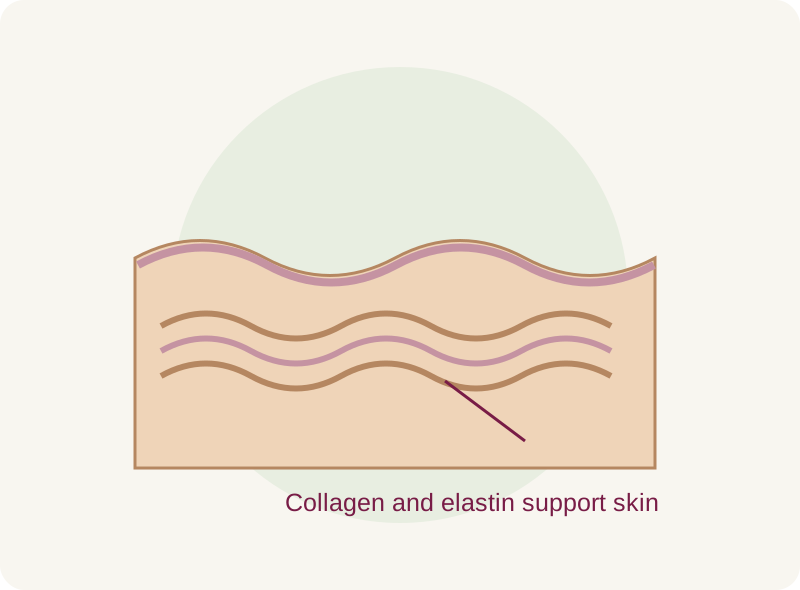
Reduced firmness can accompany wrinkles. Explore how assessment differs when the main concern is looseness or a softer contour.
Understand skin laxityExplain which area bothers you, when you notice it and how much change you would like. Photographs may help establish a baseline.
Discuss skin products, sun exposure, medicines, health conditions and past procedures. Include any reactions or ongoing recovery.
The clinician considers movement, texture, volume and skin looseness. Treating the wrong cause can give little benefit.
Compare likely softening, discomfort, recovery and risks. A home-care plan, a procedure or choosing no treatment can all be reasonable.
Skin products, injections and resurfacing work on different timescales. Get written aftercare when a procedure is performed.
Review the result after the expected response period. Discuss a limited benefit or side effect before repeating or combining treatments.

Wrinkle care usually aims to soften the lines that concern you, not erase every crease or stop ageing. Normal facial movement and individual features should remain part of the discussion.
Response and recovery depend on the method. A skin-care routine may need months, while injections and resurfacing have their own timing. Combining treatments is useful only when each one addresses a clear need.
Tell the clinician about previous dark marks, irritation or scarring. These can influence which resurfacing treatment and settings are suitable.
It is reasonable to focus on one concern, review it and decide later whether to do anything else.
Original Google review excerpts about consultations at Layers. The condition is not specified; these are not wrinkle-treatment results.
“The doctors listened carefully to my concerns and explained the treatment in a clear and professional manner.”
Consultation experience; condition not specified.
“She explained the treatment clearly and made me feel comfortable throughout the consultation.”
Consultation experience; condition not specified.
“The doctor took the time to understand my skin concerns and explained the treatment plan clearly, without rushing.”
Consultation experience; condition not specified.
“Very patient ,humble and polite to answer every single query and build confidence.”
Consultation experience; condition not specified.
“The doctors explained everything clearly and made me feel comfortable and confident.”
Consultation experience; condition not specified.
“The doctor took the time to listen to my concerns patiently and explained the treatment options clearly.”
Consultation experience; condition not specified.
















No. They are a normal part of ageing and expression. Treatment is optional and should reflect what matters to you.
No. Fine lines are small creases; laxity is reduced firmness or looseness. They can appear together and may need different care.
There is no single best option. Lines driven by movement, surface texture and lost volume have different treatment choices. An assessment helps identify the main cause.
Moisturiser can improve dryness and temporarily soften fine surface creases. It cannot remove a deep fold or replace lost tissue support.
Products differ in strength and irritation potential. Ask for advice if you have sensitive skin or use other active products. Retinoids should be avoided during pregnancy.
No. Botulinum toxin changes selected muscle activity, while fillers add volume. Their suitability, timing and risks are different.
No treatment stops natural ageing. Duration varies by method, and maintenance is an individual choice rather than a requirement for everyone.
Sometimes, when each has a clear purpose. The order, spacing and recovery must be planned, rather than adding every option at once.
Explore care for your lines while keeping your skin, preferences and recovery in mind.
Prefer a call? +91 9000 572727