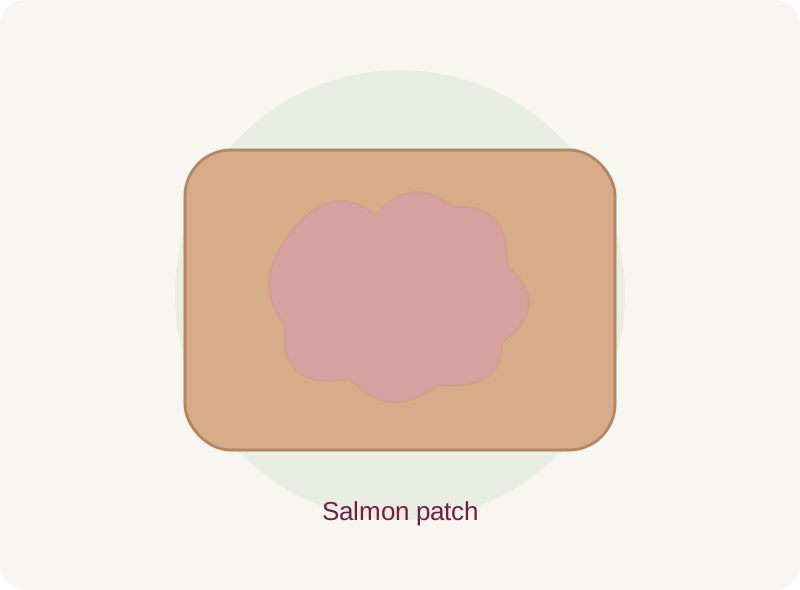
Salmon patches
Common flat pink marks, often on the eyelids, forehead or back of the neck. Many facial patches fade in early childhood; a neck patch may last longer.
Many birthmarks can be left alone. The type, location and any changes help decide whether reassurance, monitoring or treatment would be useful.
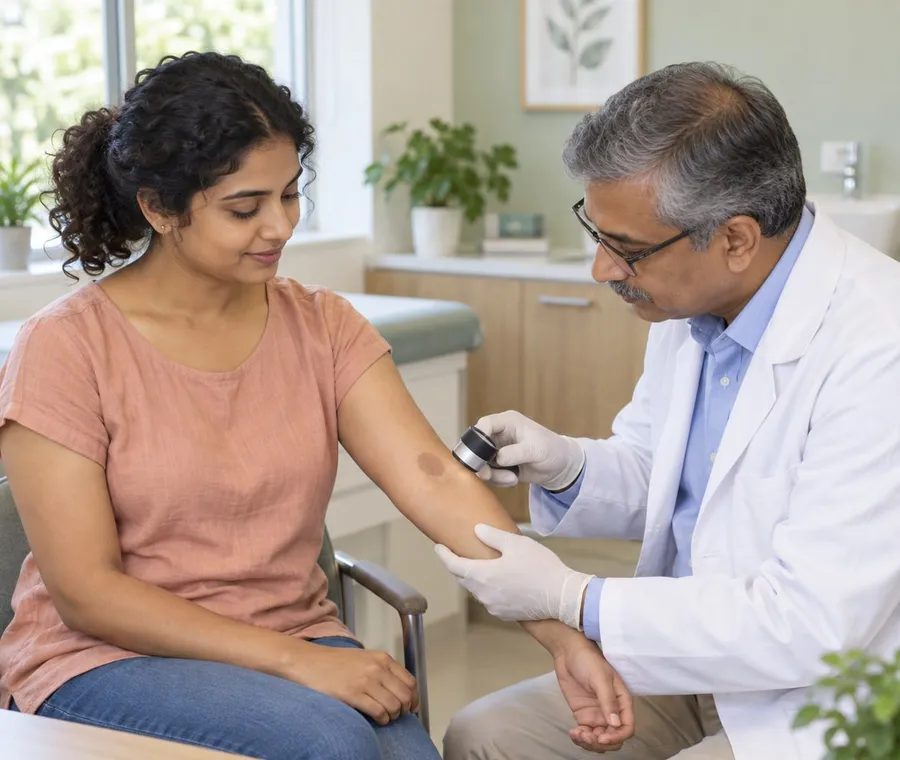
Birthmarks are skin markings that are present at birth or become noticeable soon afterwards. They can be flat or raised and range from pink or red to brown, blue-grey or darker shades.
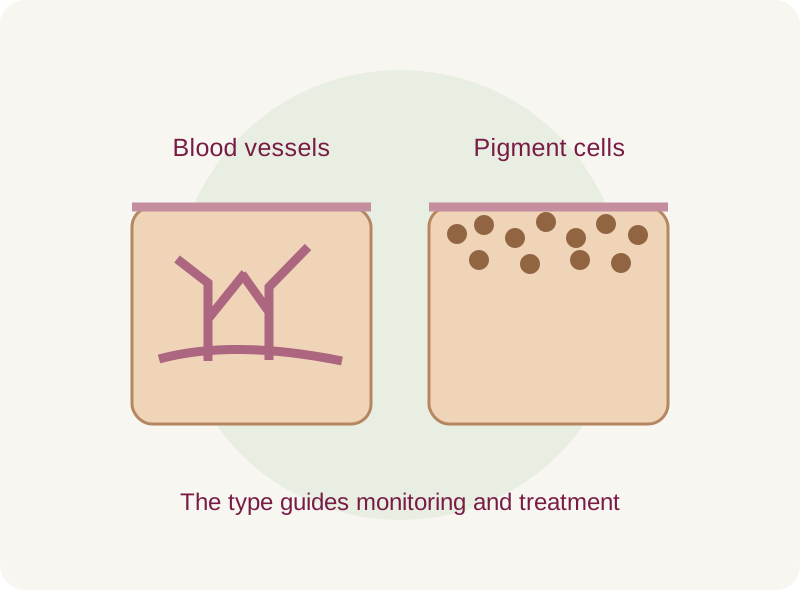
Many involve blood vessels or pigment cells in the skin. Their behaviour differs: some fade as a child grows, while others remain. A new mark later in life should be examined rather than assumed to be a birthmark.
Common flat pink marks, often on the eyelids, forehead or back of the neck. Many facial patches fade in early childhood; a neck patch may last longer.
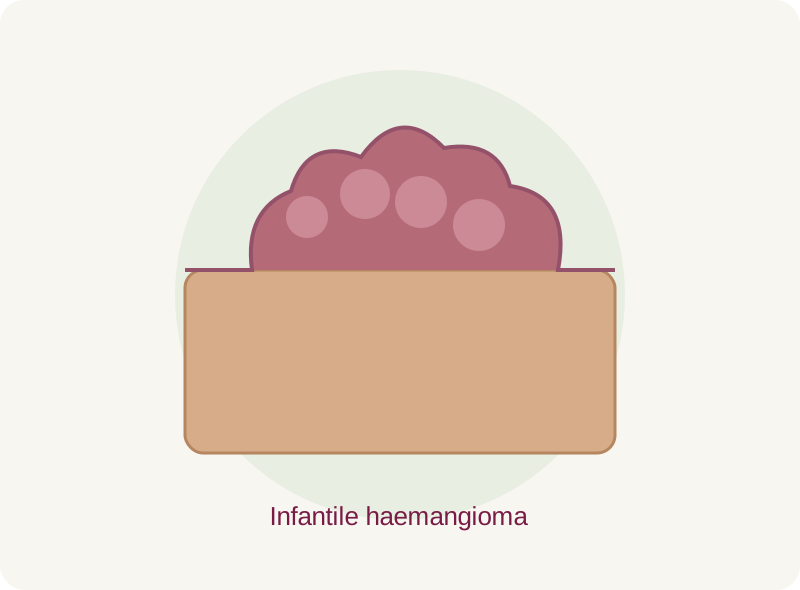
Often appear in the first weeks of life and can grow quickly before gradually shrinking. The site and growth pattern matter, especially near the eye, nose or mouth.
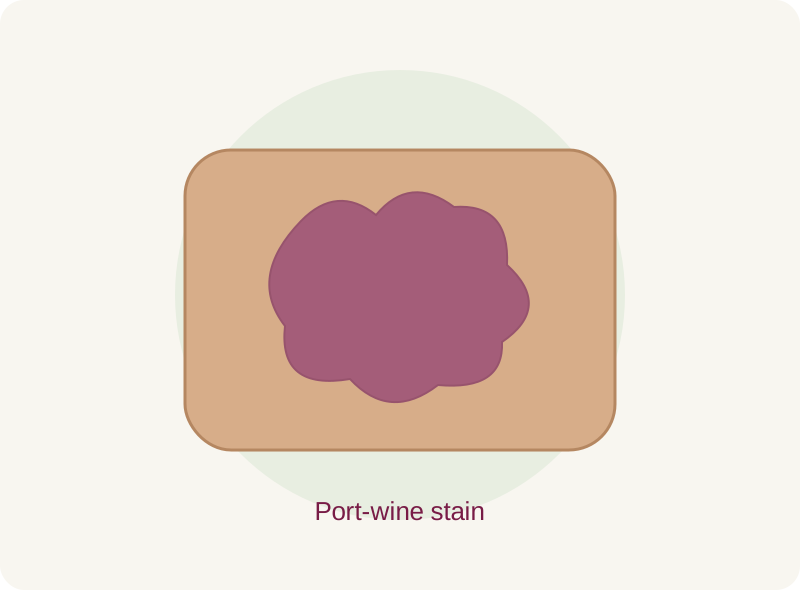
A type of capillary malformation present from birth. It usually persists and may darken or thicken over time. Selected facial patterns need specialist assessment.
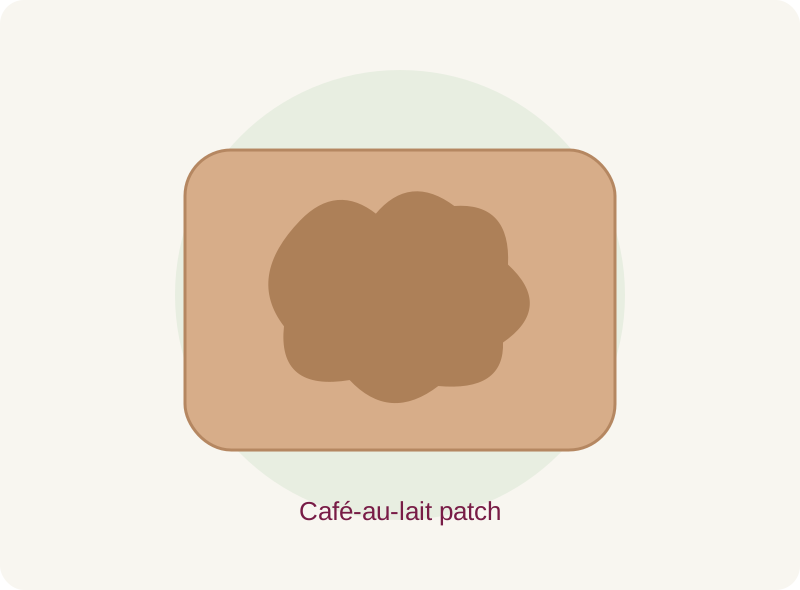
Light-to-dark brown patches can occur on their own. Several patches, especially with other signs, should be assessed rather than treated only for their colour.
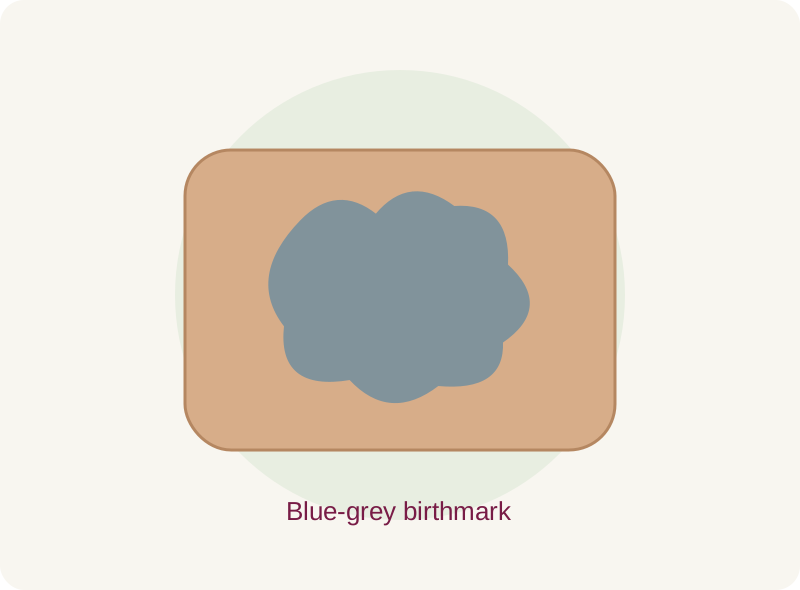
Often occur on the lower back or buttocks and are common in babies with darker skin. Many fade during childhood. Their presence should be recorded in a child’s medical notes.
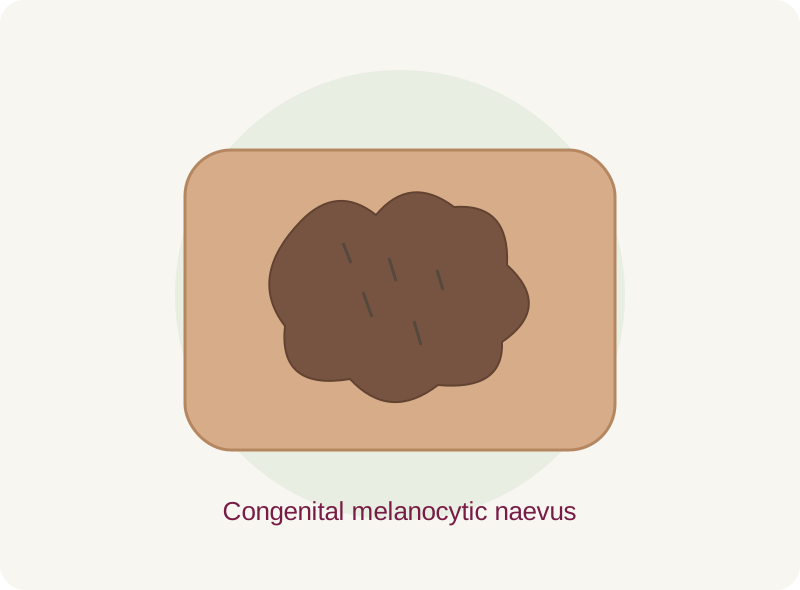
Moles present at or around birth may be flat, raised or hairy. Size, site and changes guide monitoring; large or unusual lesions need specialist planning.

Bring early photographs if you have them. The clinician looks at colour, thickness, texture, size, location and any symptoms.
Mention bleeding, pain, a broken surface, vision, feeding or breathing problems. Some locations or patterns need a paediatric, eye or vascular-specialist review.
Many birthmarks can be assessed by examination. Imaging, a skin sample or other tests are reserved for particular findings; there is no single test package for every mark.
Often appropriate for a harmless, comfortable mark. Agree what to watch for and whether review is needed. Observation is an active choice when the diagnosis is clear.
Some infantile haemangiomas need specialist treatment such as propranolol. Heart rate, breathing, feeding and blood-sugar risks require an individual plan; it is not a medicine for every birthmark.
A vascular laser, often pulsed dye, may lighten a port-wine stain. Several sessions can be needed. Bruising, swelling, pigment changes or scarring are possible, and complete clearance is not assured.
Some pigment marks may be considered for laser after the diagnosis is clear. Response and recurrence vary. A suspicious or changing mole should not be treated simply as unwanted pigment.
Selected lesions may need excision, sometimes in stages. Surgery leaves a scar and may not remove all future monitoring needs. Size, depth and location affect the plan.
About mole assessmentSuitable camouflage makeup can be an option for older children or adults who want it. You do not have to change a harmless mark simply because it is visible.
The clinician reviews its history and current appearance. A child’s age and the mark’s growth pattern are especially important.
Large, rapidly growing or high-risk marks may need a specialist service. An ordinary cosmetic consultation should not delay urgent paediatric care.
The goal may be protecting function, relieving symptoms, monitoring a mole or reducing visibility. These are different reasons for treatment.
Ask what method is appropriate, who provides it, whether anaesthesia is needed and what marks or pigment changes could remain.
Keep photographs as advised and seek review for unexpected growth, bleeding, ulceration or other new symptoms.
A lighter colour does not always mean the underlying issue is resolved. Follow-up depends on the birthmark type and the chosen care.
Use age-appropriate sun protection and avoid tanning. Sun exposure can change surrounding skin colour and make comparisons harder.
Do not use acids, bleaching mixtures or home devices on an uncertain mark. Irritation can cause injury and delay the right diagnosis.
For a comfortable benign mark, appearance alone does not make treatment necessary. Discuss concerns respectfully and include a child in age-appropriate decisions.
Some common childhood marks fade naturally. Others, including port-wine stains and many congenital moles, usually remain. A haemangioma may shrink but leave a change in skin texture or colour.
Treatment may lighten, reduce or remove part of a mark, but complete clearance or scar-free skin cannot be promised. The diagnosis matters more than choosing a laser or cream first.
These original Google excerpts describe general consultations and care. They do not identify birthmark treatment or its outcomes.
“The doctors listened carefully to my concerns and explained the treatment in a clear and professional manner.”
Consultation experience; condition not specified.
“She explained the treatment clearly and made me feel comfortable throughout the consultation.”
Consultation experience; condition not specified.
“The doctor took the time to understand my skin concerns and explained the treatment plan clearly, without rushing.”
Consultation experience; condition not specified.
“Very patient ,humble and polite to answer every single query and build confidence.”
Consultation experience; condition not specified.
“The doctors explained everything clearly and made me feel comfortable and confident.”
Consultation experience; condition not specified.
“The doctor took the time to listen to my concerns patiently and explained the treatment options clearly.”
Consultation experience; condition not specified.









No. Many harmless birthmarks need only reassurance or planned monitoring. Treatment depends on symptoms, health risks, function and the person’s preferences.
No. Salmon patches, infantile haemangiomas and port-wine stains have different causes and behaviour. Their care is not interchangeable.
It usually persists and may darken or thicken. A specialist can discuss whether vascular laser or other care would be useful.
Some marks need early specialist care, especially if they affect vision, breathing, feeding or skin integrity. Others can be observed. A paediatric assessment guides timing and treatment.
Not always, but multiple café-au-lait patches or other unusual findings can justify further assessment. The number, size, age and other signs need to be considered together.
A congenital mole needs a diagnosis and monitoring plan first. Superficial colour treatment may leave cells behind and make assessment harder; surgery or observation may be more appropriate.
A birthmark starts at birth or early in life, even if it becomes more noticeable later. A genuinely new or changing adult mark should be examined rather than assumed to be one.
It can. The risk depends on the mark, skin tone, method and healing response. Discuss likely improvement and possible remaining texture or pigment changes before treatment.
Start with the type of mark, its history and the questions that matter to you.
Prefer a call? +91 9000 572727