
Selected acne scars
Some depressed scar textures may improve. Deep narrow scars or tethered areas can need other methods as part of the plan.
Explore acne scar careThis laser treats tiny columns of skin to improve selected scars and texture changes. An assessment helps you weigh the possible benefit against the healing time.
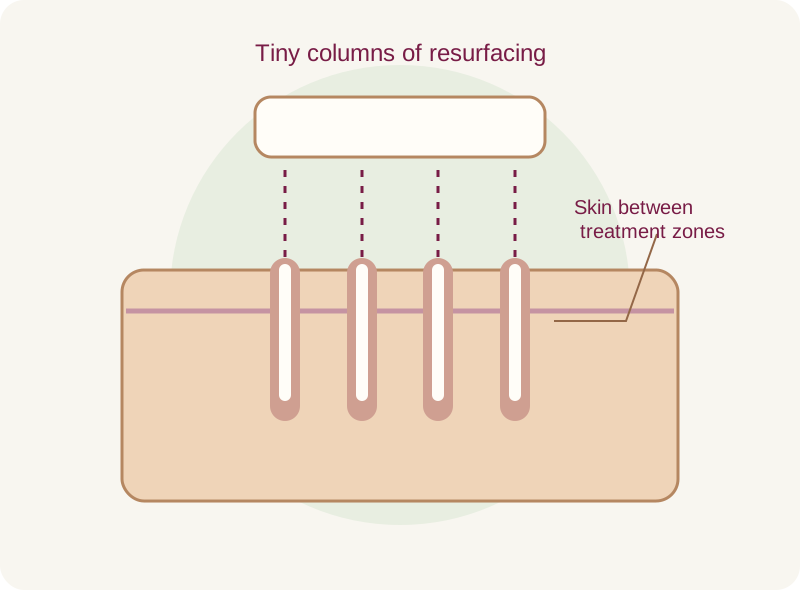
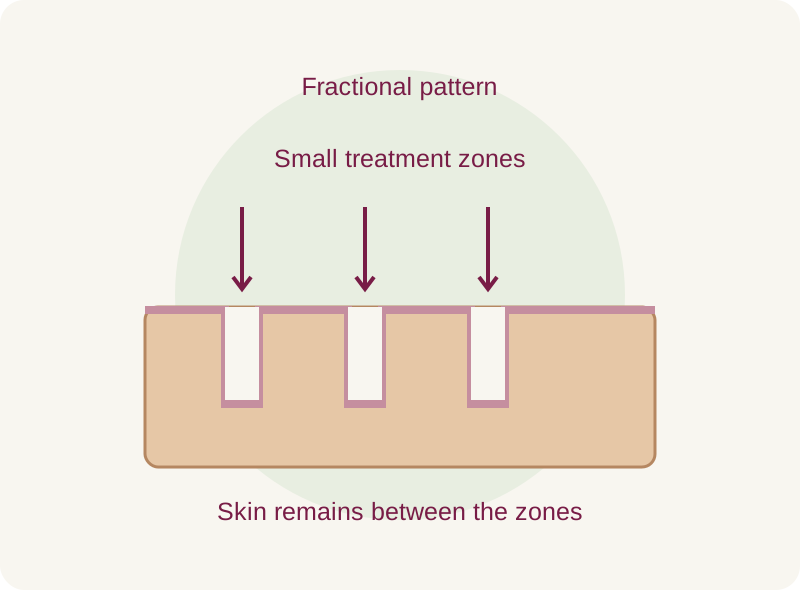
Fractional CO₂ is an ablative laser treatment. It removes microscopic columns of skin and heats tissue around them, prompting healing and collagen remodelling.
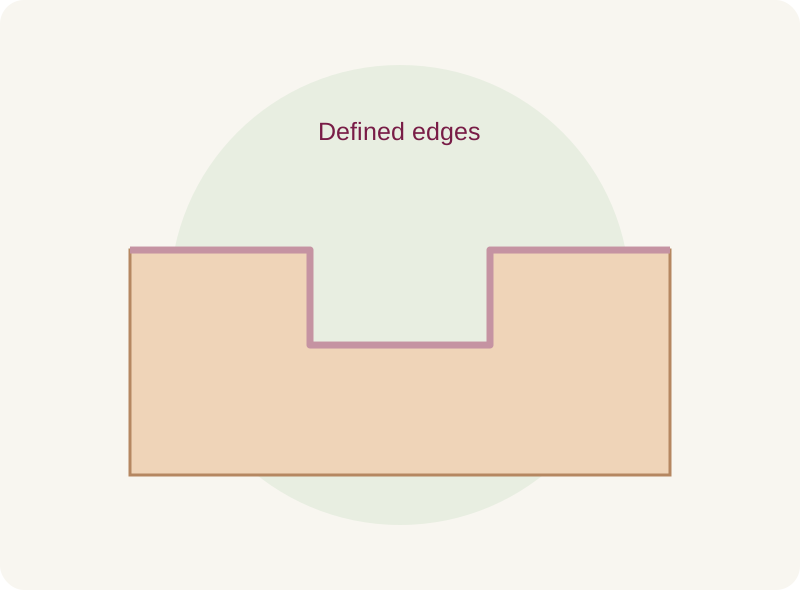
Fractional means that skin is left between treatment zones. This differs from treating the entire surface, but it still creates a wound that needs proper aftercare.
Some depressed scar textures may improve. Deep narrow scars or tethered areas can need other methods as part of the plan.
Explore acne scar care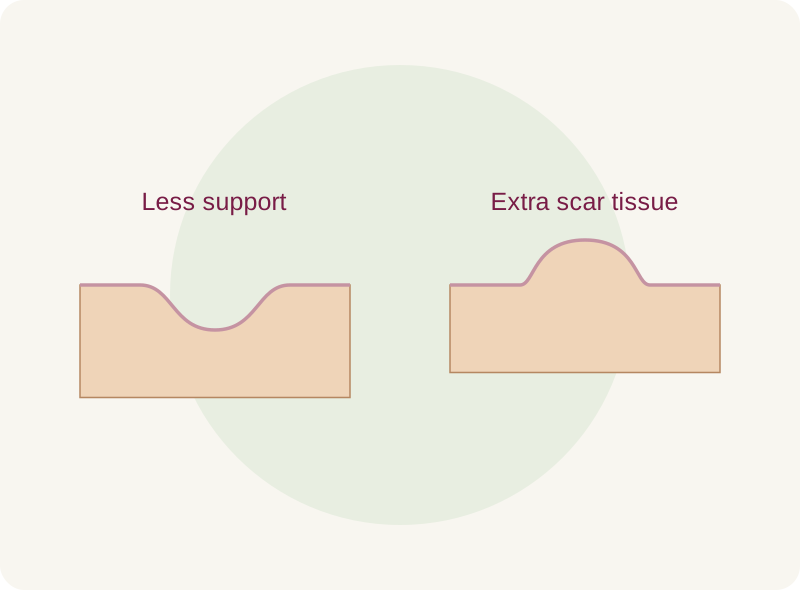
A scar’s cause, age, shape and healing history help determine whether resurfacing is suitable. Not all scars are treated alike.
Explore scar care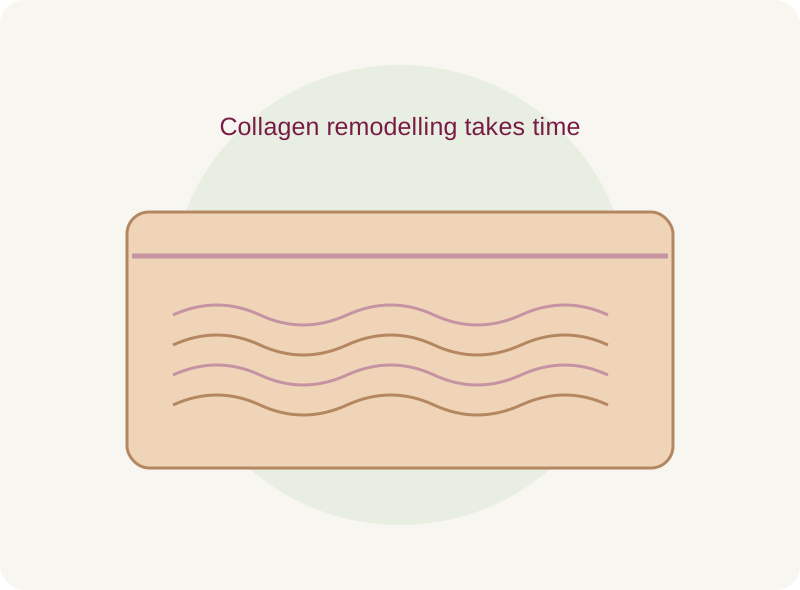
Selected surface changes may be considered. A laser cannot replace a surgical lift or promise removal of every line.
Fractional resurfacing may improve some marks, with recovery and pigment risks to consider. Results depend on the marks, area and skin tone.
Explore stretch-mark care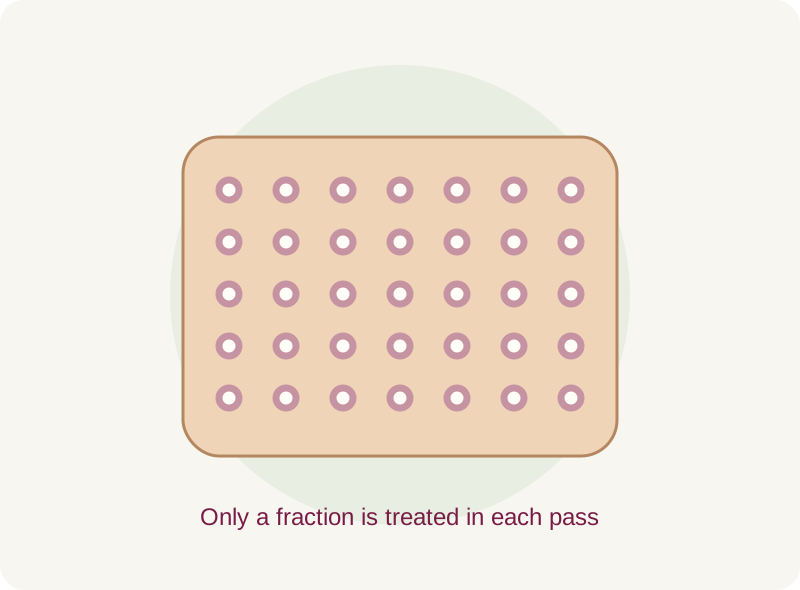
Active acne, infection, unexplained lesions or irritated skin may need treatment first. Melasma is not a routine resurfacing target.
Darker skin and skin prone to pigment changes require careful planning. Mention keloids, earlier laser reactions and slow healing.
Share all medicines, recent isotretinoin use, cold sores and earlier cosmetic procedures. Your clinician will advise on preparation without you stopping medicines yourself.
You need time for skin healing, aftercare and sun avoidance. Agree on timing before booking around work, travel or an event.
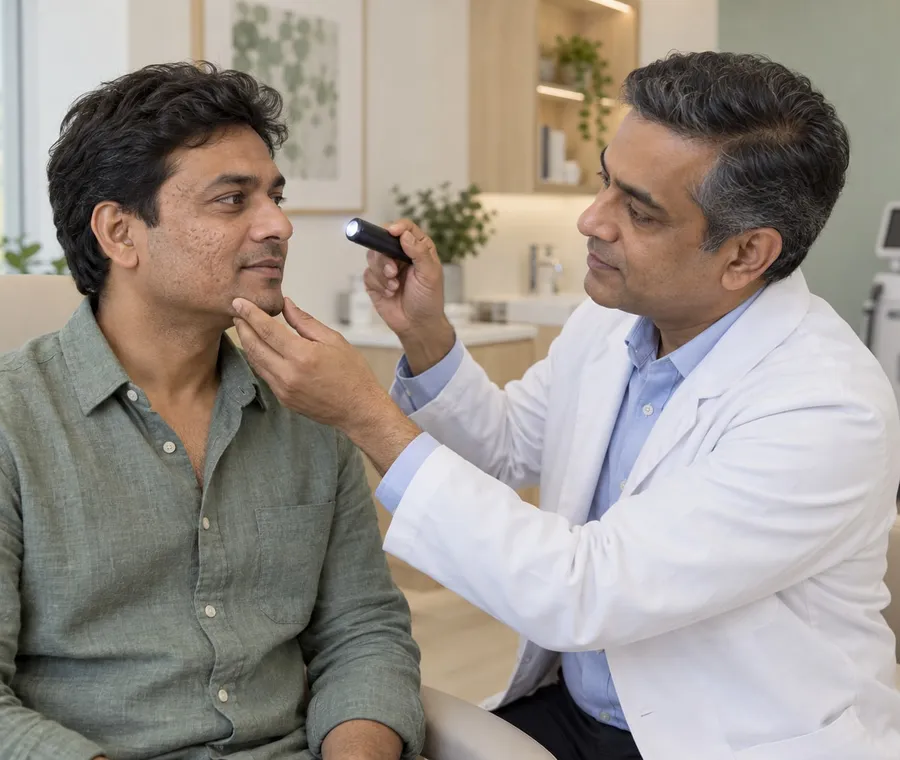
The clinician examines the scars or texture, reviews your history and discusses alternatives and expected recovery.
Avoid tanning and follow advice on skincare and sun exposure. A history of cold sores may require prescribed preventive care.
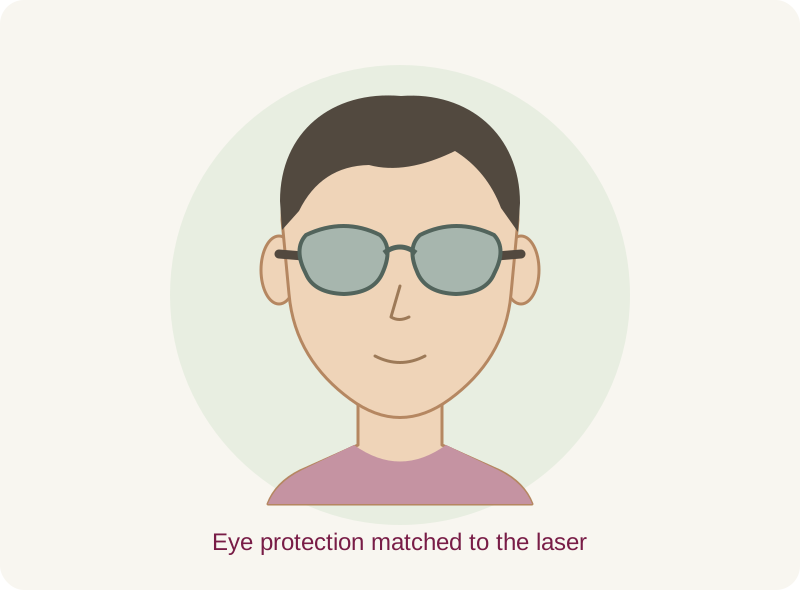
The skin is prepared, appropriate anaesthesia is used and eye protection is selected for the laser.
The clinician applies controlled fractional passes. Depth and coverage depend on the concern, area and skin.
The treated skin receives the appropriate cooling, ointment or dressing, with written instructions before you leave.
Follow the cleansing, ointment and dressing plan for your treatment. Do not pick crusts or add home remedies.
Avoid makeup over unhealed skin and confirm when to resume exercise, swimming, shaving and active skincare.
Worsening pain, spreading redness, unusual discharge, fever or new blisters need prompt review.
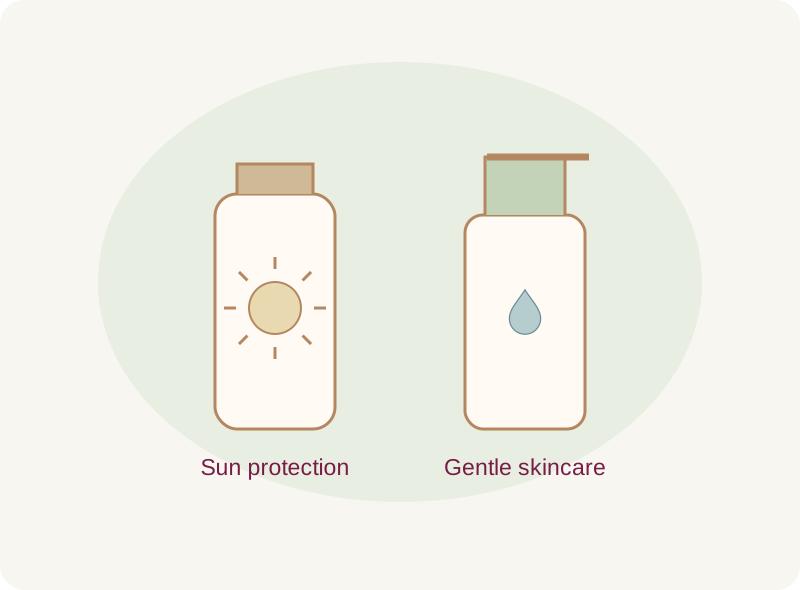
Resurfaced skin can be red, swollen, sensitive and crusted. Surface healing may take around one to two weeks, depending on treatment intensity and the area. Redness or colour changes can last longer.
Texture continues to change over the following months. Results vary, and a further session or another method may be considered only after healing and review.
Possible complications include infection, cold-sore reactivation, lasting redness, darker or lighter pigmentation and scarring.
Follow the written wound-care plan. Sun protection remains important after the surface heals.
A different ablative laser that can use fractional or full-field patterns. Compare the intended depth, heat effects and healing needs.
Explore Erbium YAG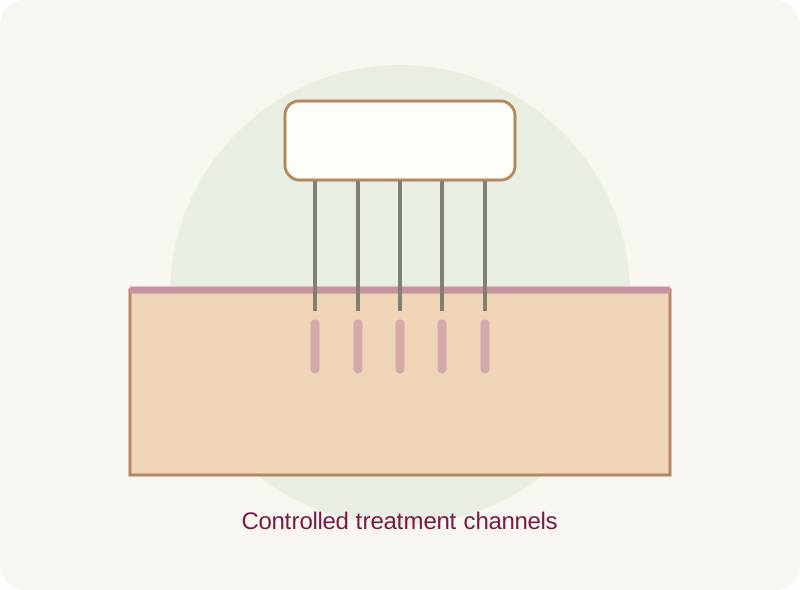
Creates controlled punctures without laser resurfacing. It may suit selected scar or texture concerns.
Explore microneedling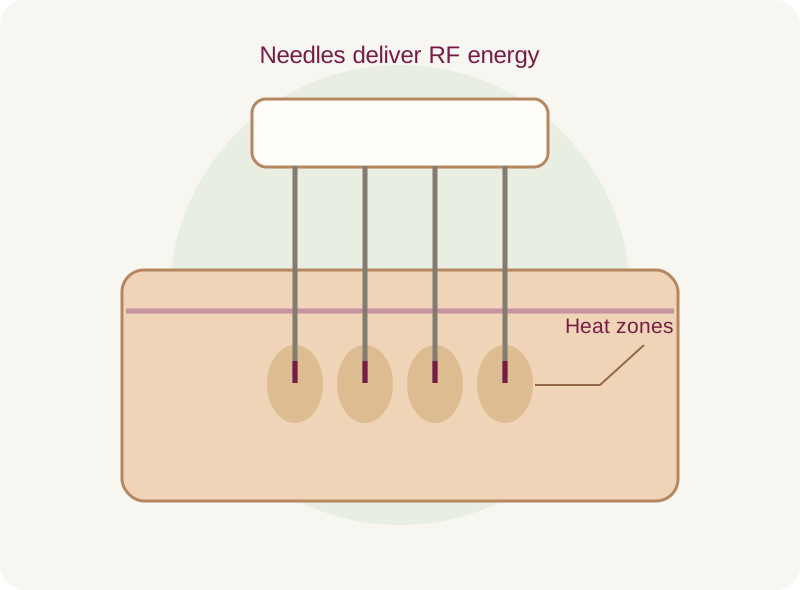
Adds radiofrequency heating through needles. Its benefits and risks need a separate assessment.
Explore MNRFOriginal scar refinement and skin rejuvenation cases from Layers Clinics. Individual results vary.
Showing all 7 photographs
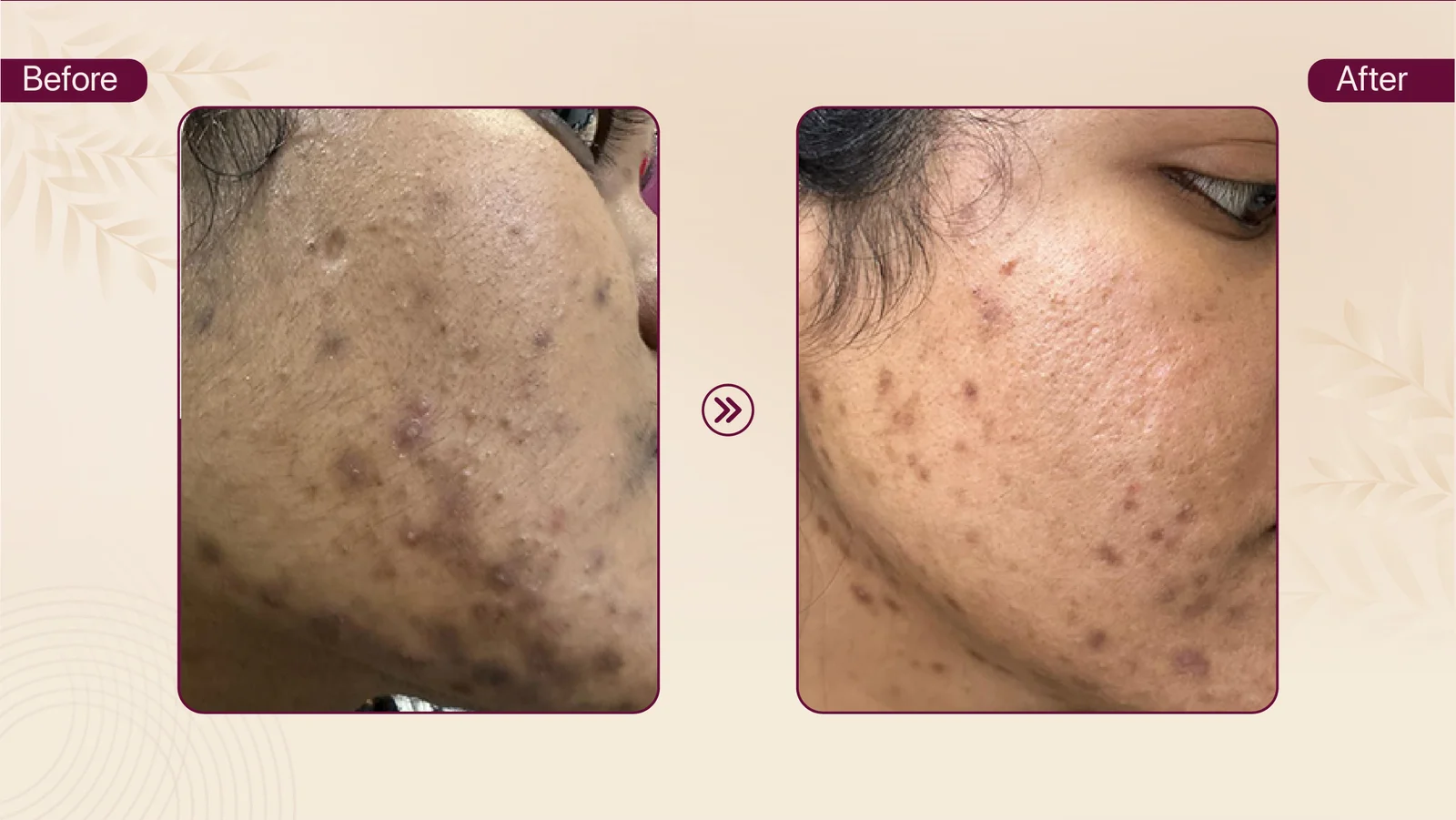
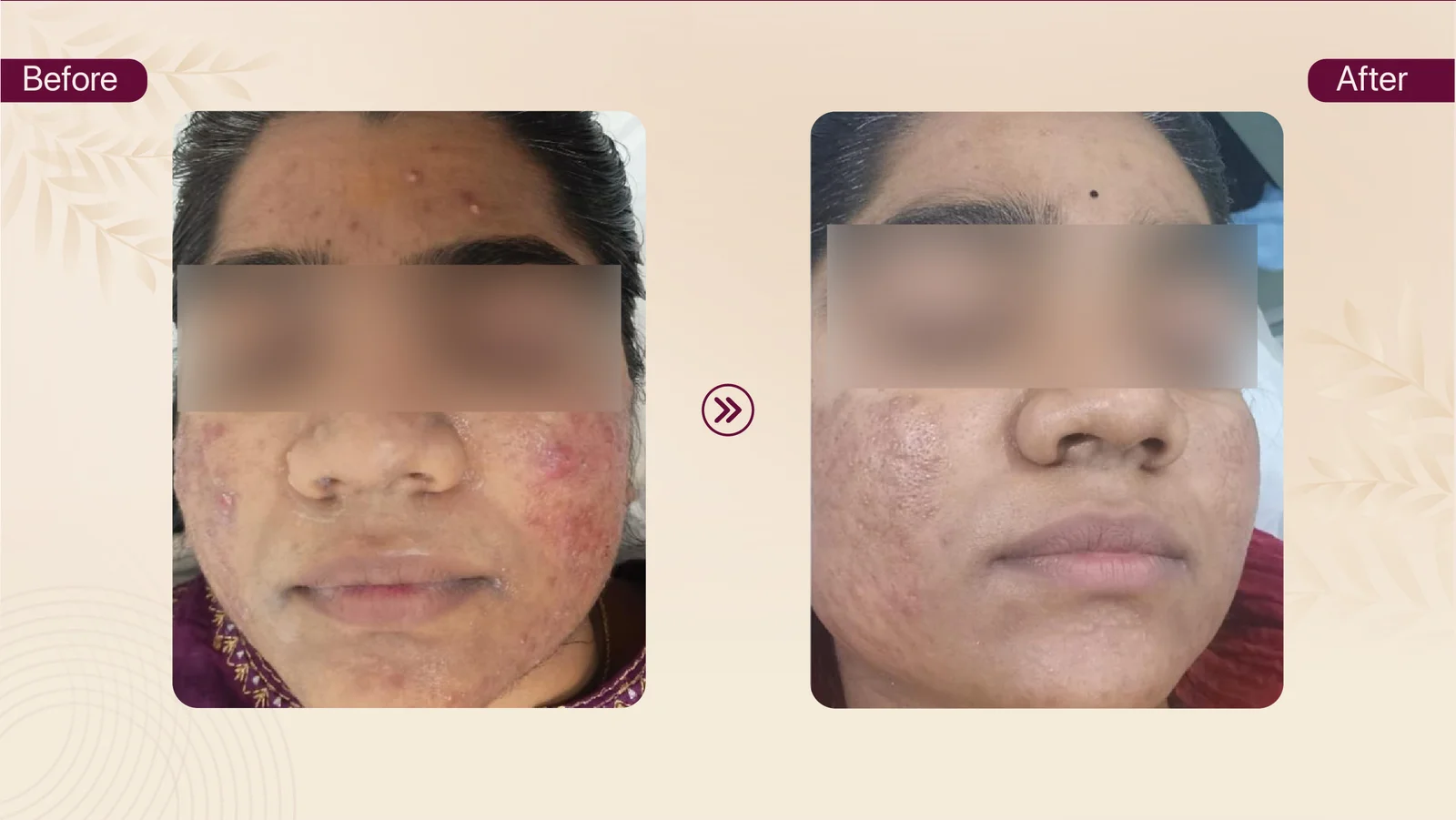
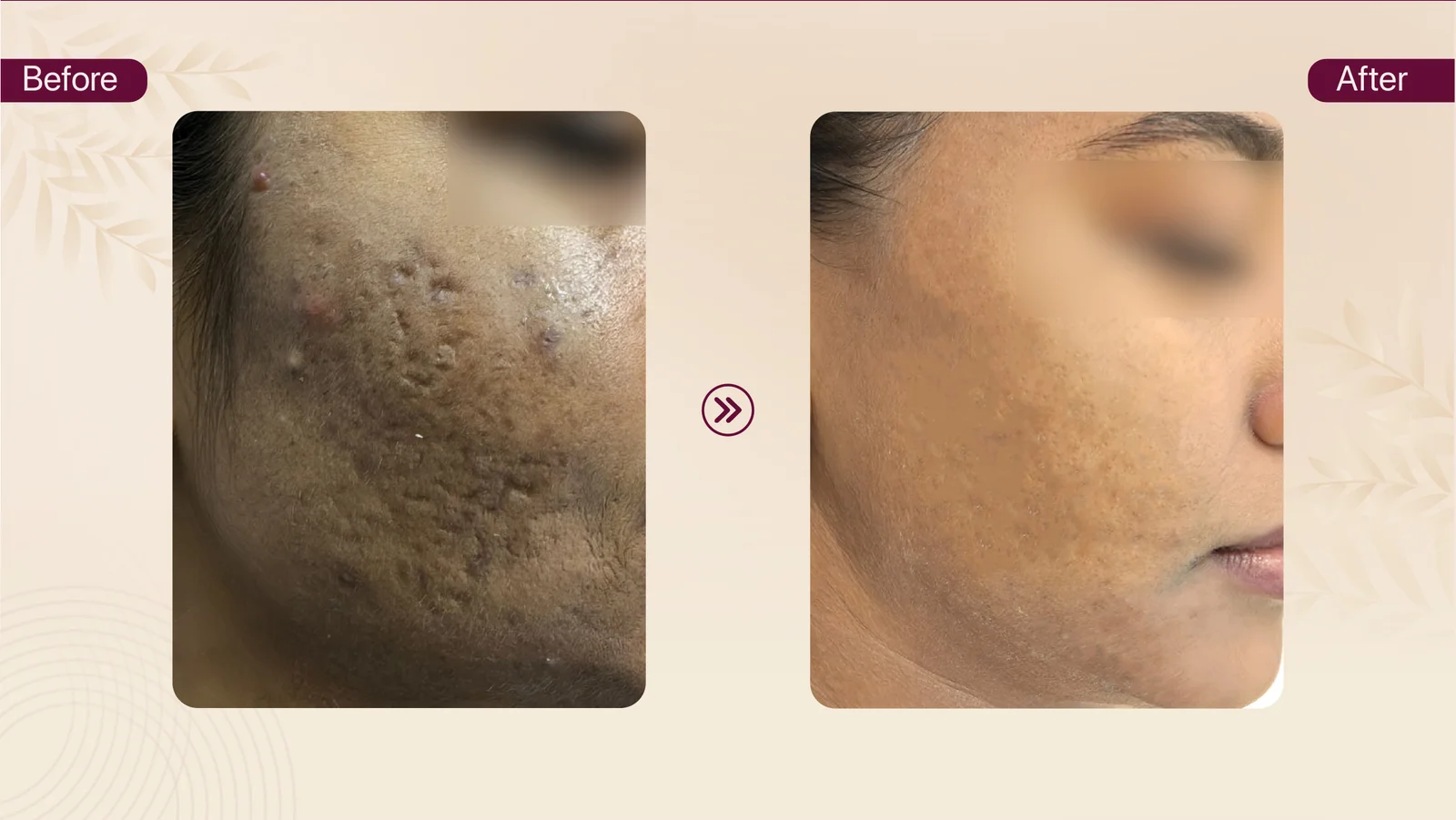
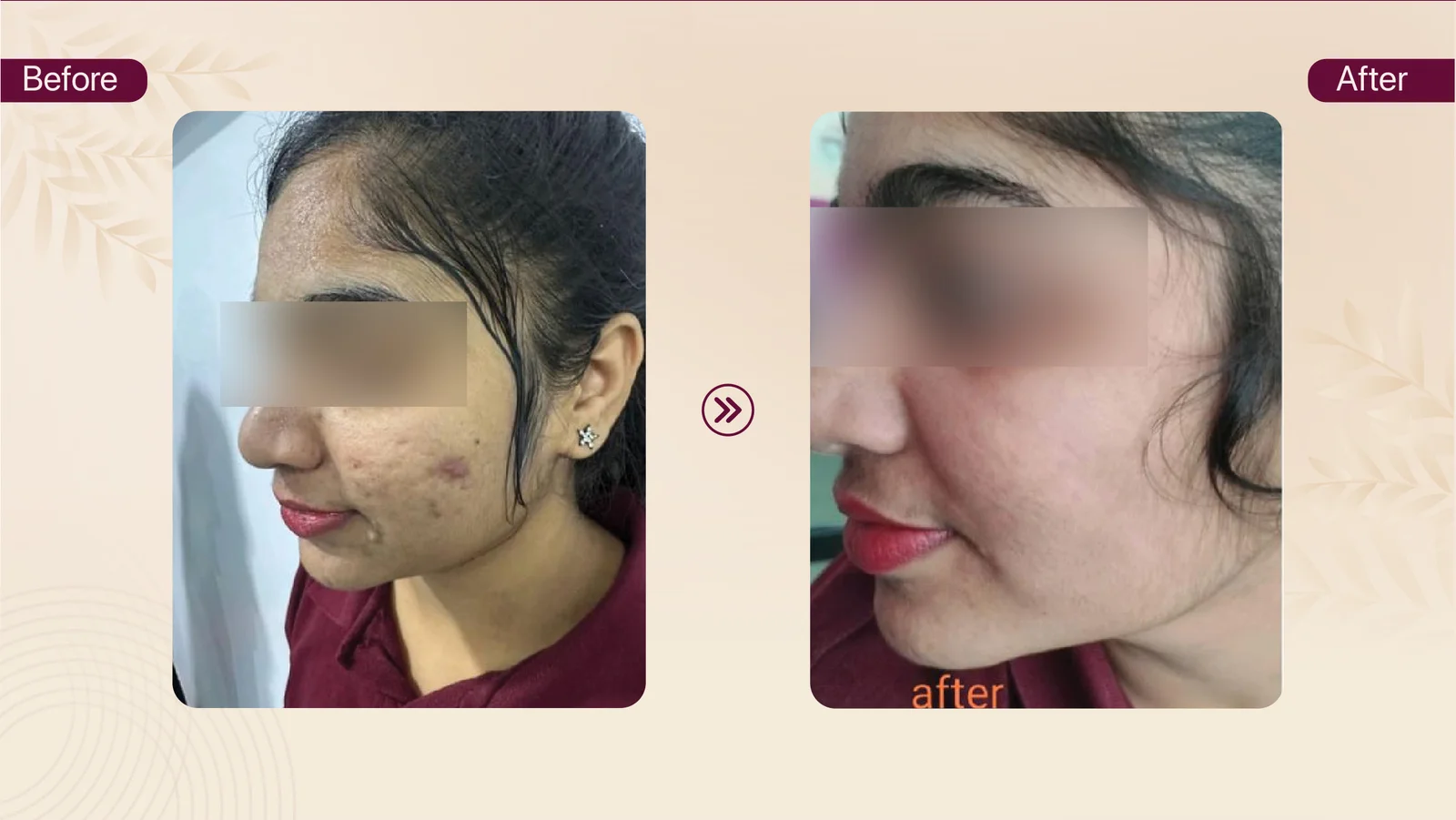
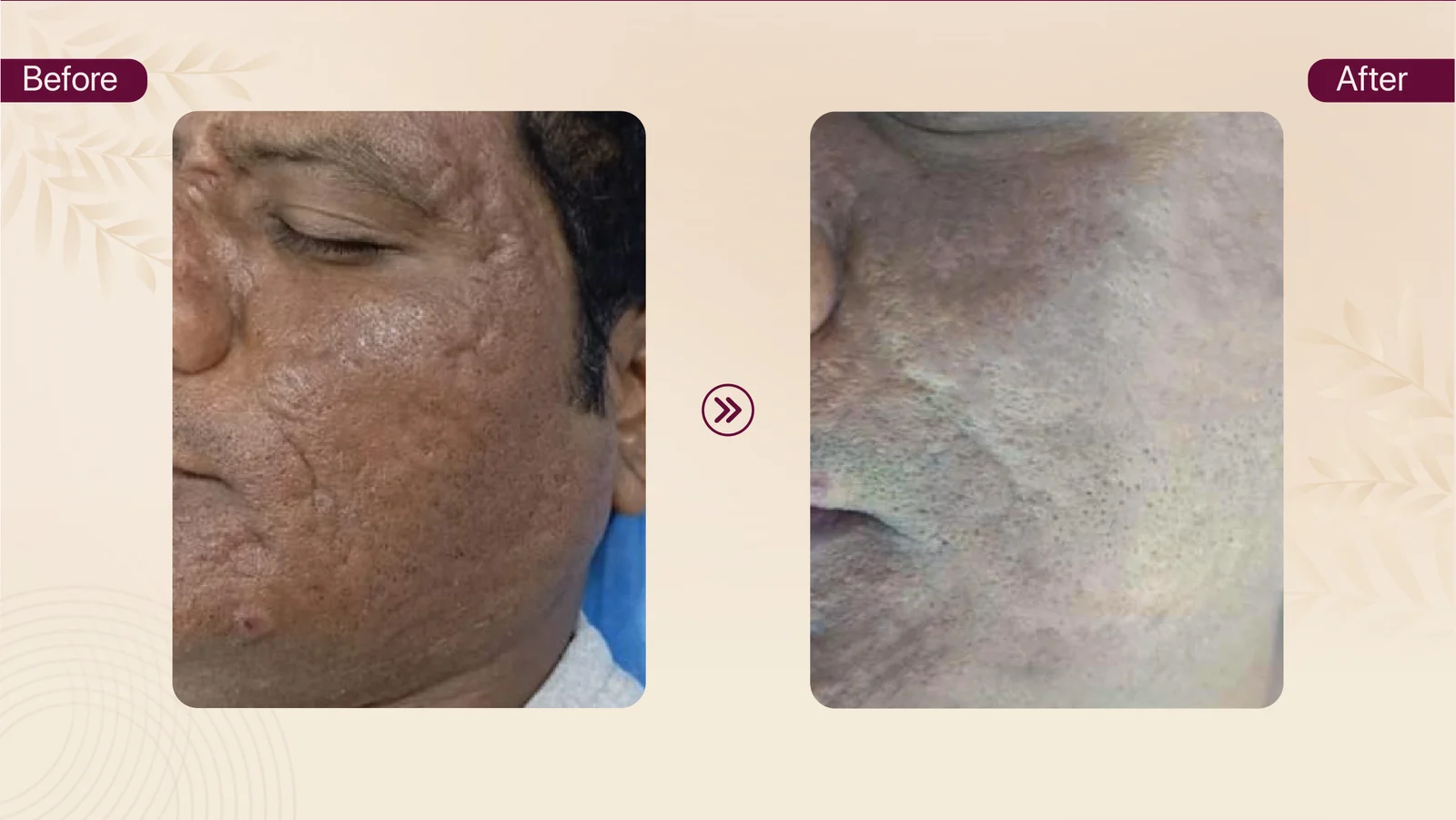
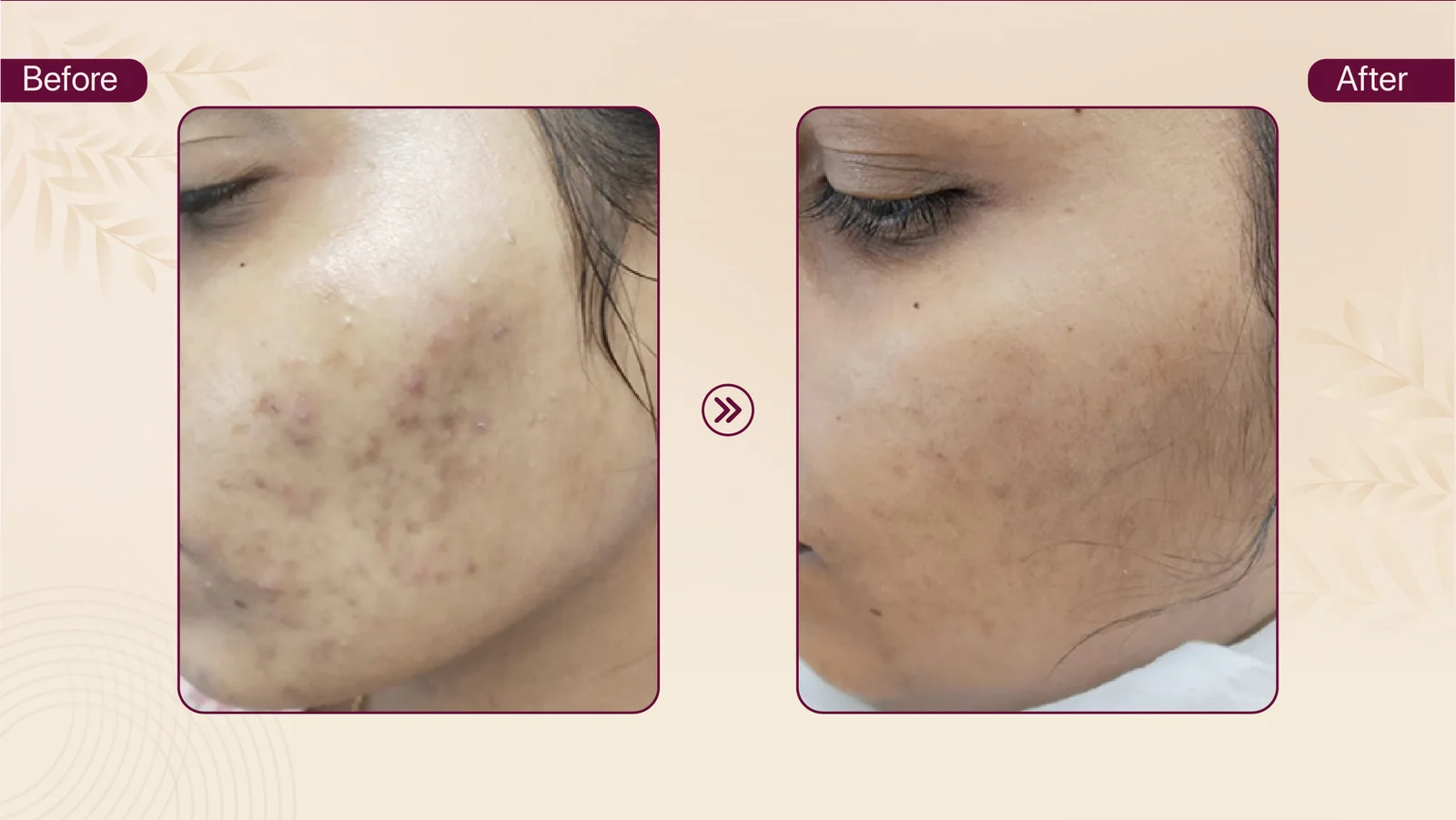
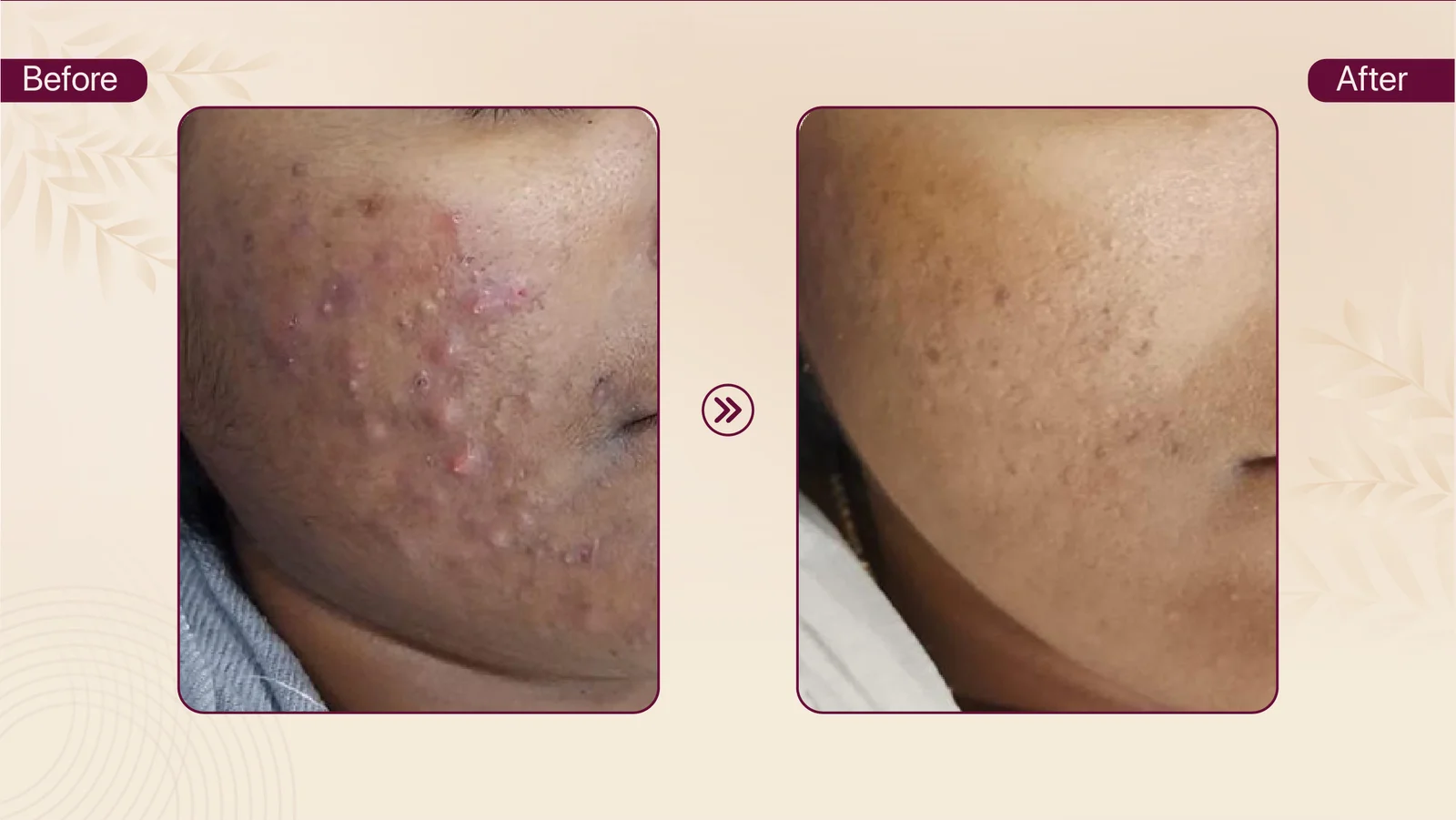
Individual results vary. These photographs show specific cases, not guaranteed outcomes. Original image quality, lighting and angles may differ. Your doctor can explain what may be possible for you.
Related acne and acne-scar experiences at Layers. These excerpts do not identify Fractional CO₂ as the procedure received.
“have also tried their acne treatment. So far, the experience has been great!”
“My skin has cleared up significantly in just a few months. Thank you for giving me my confidence back!”
Acne and acne-scar care; procedure not specified.




The laser treats many small zones while leaving skin between them. It does not mean the procedure is free from downtime or risk.
No. CO₂ resurfacing removes tiny columns of tissue. Laser toning usually uses a pigment-targeting laser and a different treatment plan.
No. The scar pattern matters, and deep or tethered scars can need additional techniques. Complete removal cannot be promised.
Surface healing can take around one to two weeks, but the timeline varies and redness may remain longer. Ask about the intensity planned for your skin.
Selected people may be suitable, but pigment-change risk needs particular care. Your clinician should discuss alternatives, preparation and the device settings.
Tell the clinician before treatment. Laser procedures can reactivate herpes, and preventive medicine may be recommended.
Wait until the surface has healed and your clinician says it is appropriate. Do not cover raw, crusted or irritated skin.
Early swelling can temporarily change the appearance of texture. Meaningful review comes after healing, with remodelling continuing over months.
Ask about Fractional CO₂, alternatives and the care needed after treatment.
Prefer a call? +91 9000 572727