Dull or rough-feeling skin
Exfoliation may improve the feel of a rough surface. Dryness or irritation can also make skin look dull and may need barrier care instead.
Understand dull skinAn exfoliating facial treatment may help skin feel smoother. Find out what is in the formula and which facial steps suit your skin.
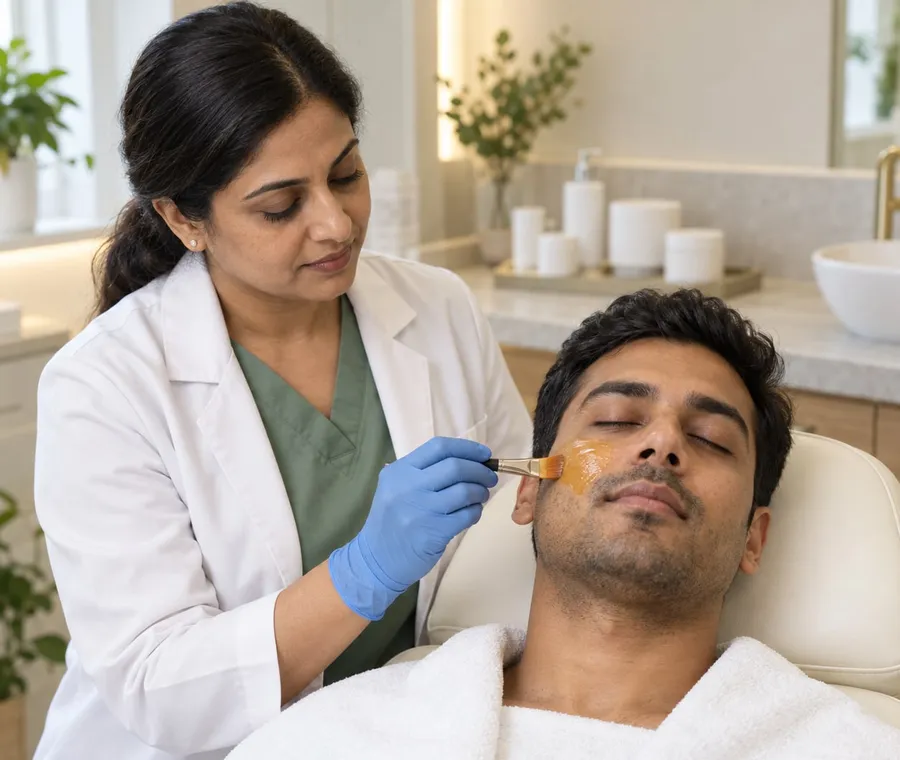
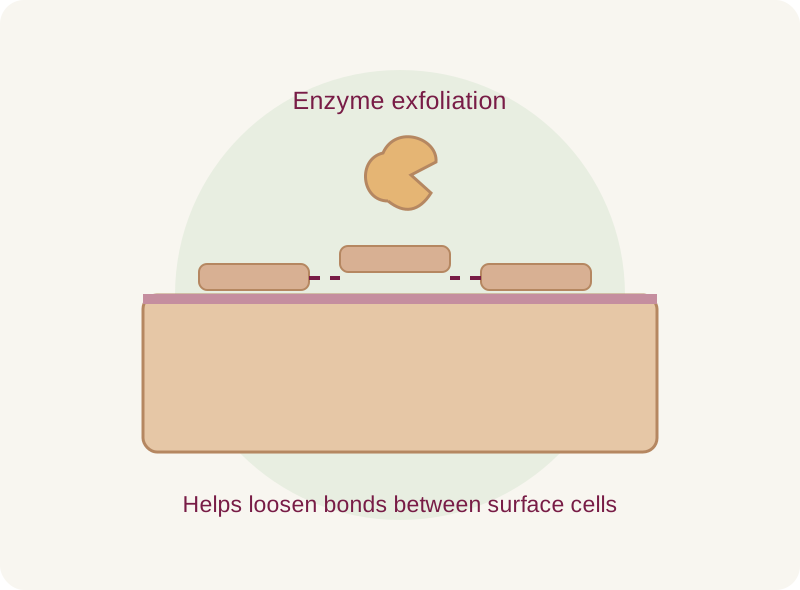
A pumpkin facial is skincare using a preparation with pumpkin-derived ingredients, selected after checking your skin. It can include cleansing, suitable exfoliation and finishing care. Formulas can also include enzymes such as papain, acids or other skincare ingredients. They are not all the same treatment.
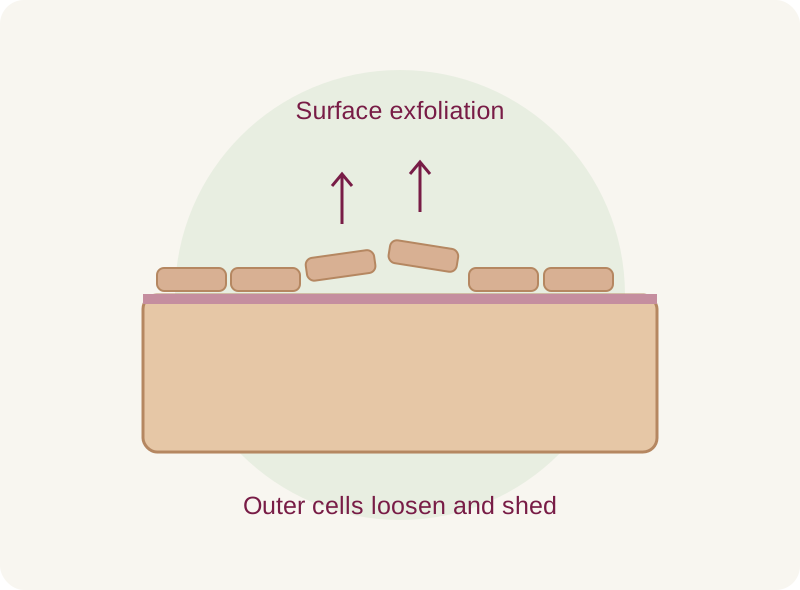
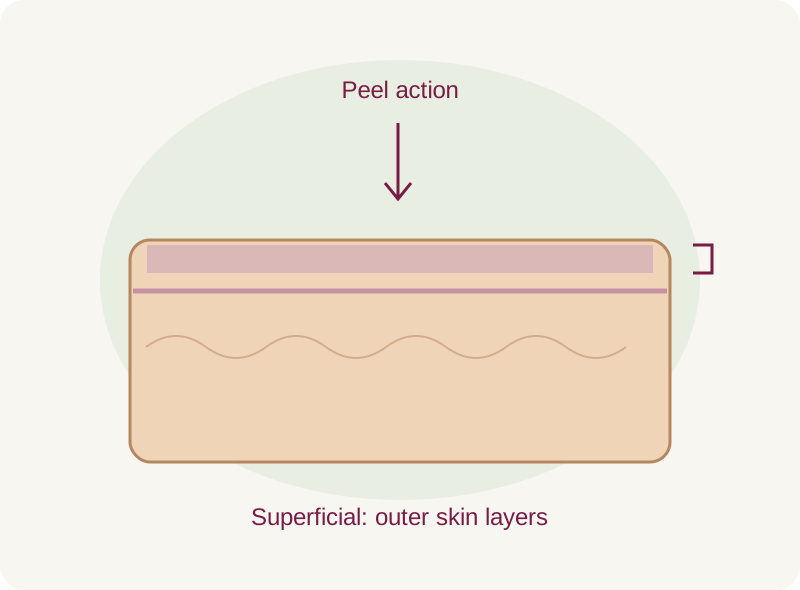
The purpose is to remove some surface-cell build-up. Enzymes act on proteins at the skin surface; added acids contribute their own exfoliating action. This is different from a treatment intended to reshape deep scars or lift loose skin.

Some professional pumpkin preparations combine fruit ingredients with lactic or glycolic acid. Others use different enzymes or concentrations. “Pumpkin” alone does not tell you the strength, application time or expected recovery.
Ask which preparation is planned and mention plant, fragrance or skincare allergies. A natural ingredient can still irritate skin. The clinic should choose the product after assessing your concern, rather than promise one recipe for everyone.
Exfoliation may improve the feel of a rough surface. Dryness or irritation can also make skin look dull and may need barrier care instead.
Understand dull skin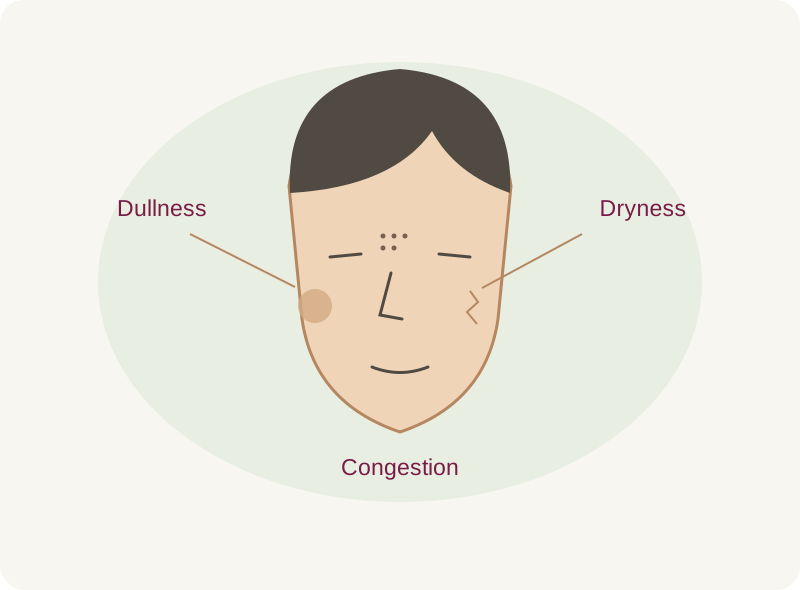
Selected formulas may suit mild congestion. An active acne problem needs its own plan, and some pumpkin products are unsuitable over inflamed spots.
Explore acne care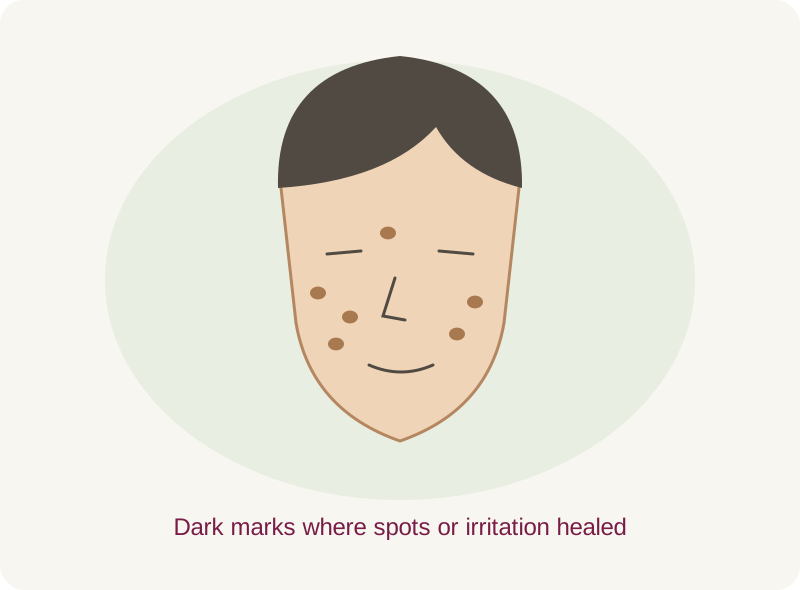
A smoother surface may look more even, but a facial peel will not address every cause of dark patches or change your natural skin colour.
Understand skin tone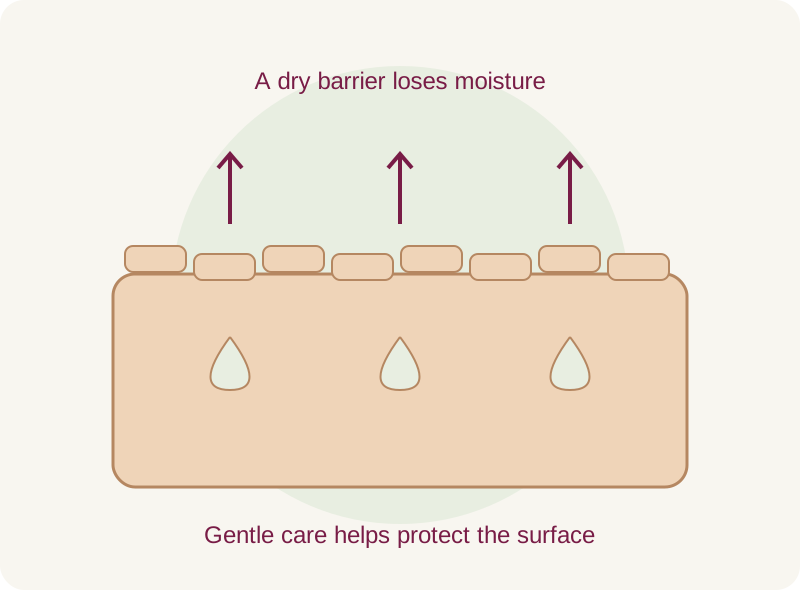
Stinging with basic products, a rash or recent over-exfoliation are reasons to assess and settle the skin first.
Inflamed acne, infection, cold sores or an eczema or rosacea flare may need different care. Do not use an exfoliating facial to cover up a new problem.
Mention waxing, laser, needling and other peels, as well as retinoids and exfoliating acids. The timing should reflect skin recovery.
Share allergies, medicines and pregnancy or breastfeeding. A fruit-based name does not establish that every formula is suitable.
Explain dryness, sensitivity, congestion or uneven texture. Bring the products you use and mention recent treatments.
The practitioner confirms the preparation, expected sensation and aftercare. Treatment may be changed or postponed if the skin is irritated.
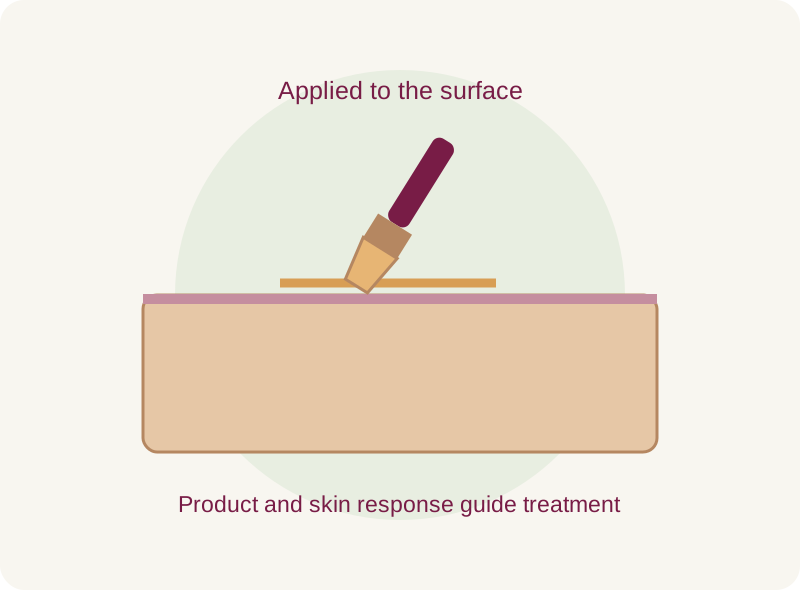
The skin is prepared and the selected formula is applied away from sensitive areas. Application and removal follow that product’s instructions.
Do not assume strong burning means a better result. The practitioner monitors your response and finishes with appropriate care.
Confirm when to wash, use makeup and restart active products. Avoid adding another exfoliating treatment at home.
Review comfort and the effect on your original concern. A fixed weekly or monthly schedule is not right for every formula or skin type.
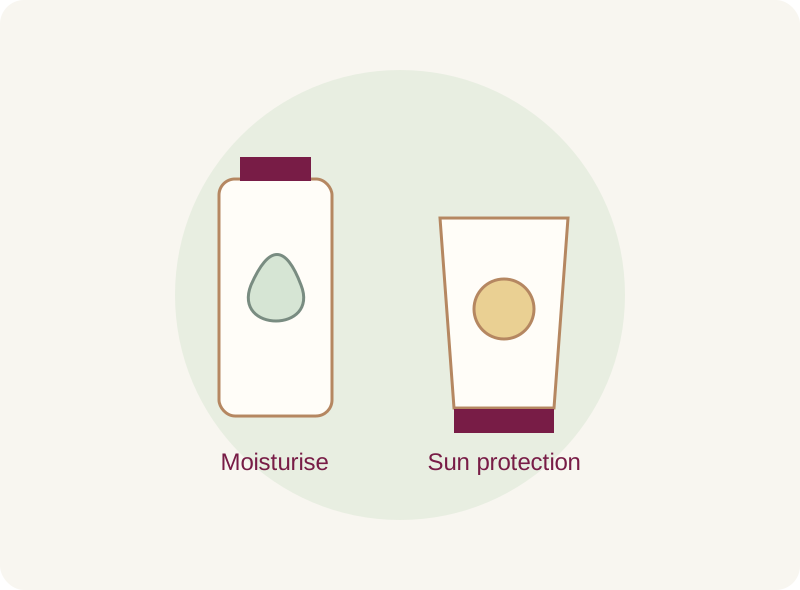
Use the advised gentle cleanser and moisturiser. Avoid picking at flakes, harsh scrubs and strong acids while skin is sensitive.
Follow sunscreen, shade and clothing advice. Exfoliation does not make tanning safer.
Redness, tightness or mild flaking can occur, depending on the product. Persistent burning, swelling, blistering or a spreading rash need prompt advice.
Skin may feel smoother after it settles, but the degree and duration of change vary. This is not a permanent treatment for acne, deep scars, ageing or pigment disorders.
The product can cause irritation or an allergic reaction. Acid-containing formulas also carry peel risks, including burns and pigment change. Choose care for its likely benefit, not because “natural” sounds risk-free.
Over-exfoliating between appointments can undo the comfort you wanted to achieve. Review your routine if dryness or stinging keeps returning.
Understand the range of ingredients and recovery needs across peels.
Compare chemical peels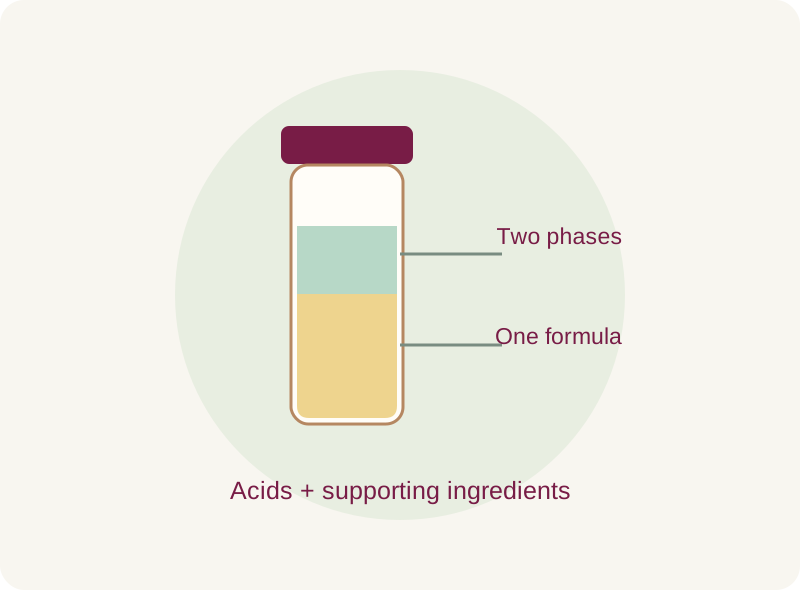
Learn about a specific product family rather than treating all peels as equivalent.
Explore BioRePeelIf skin is tight, flaky or uncomfortable, barrier care may be a better starting point.
Understand dry skinOriginal peel and brightening before-and-after cases from Layers Clinics. Individual results vary.
Showing all 4 photographs

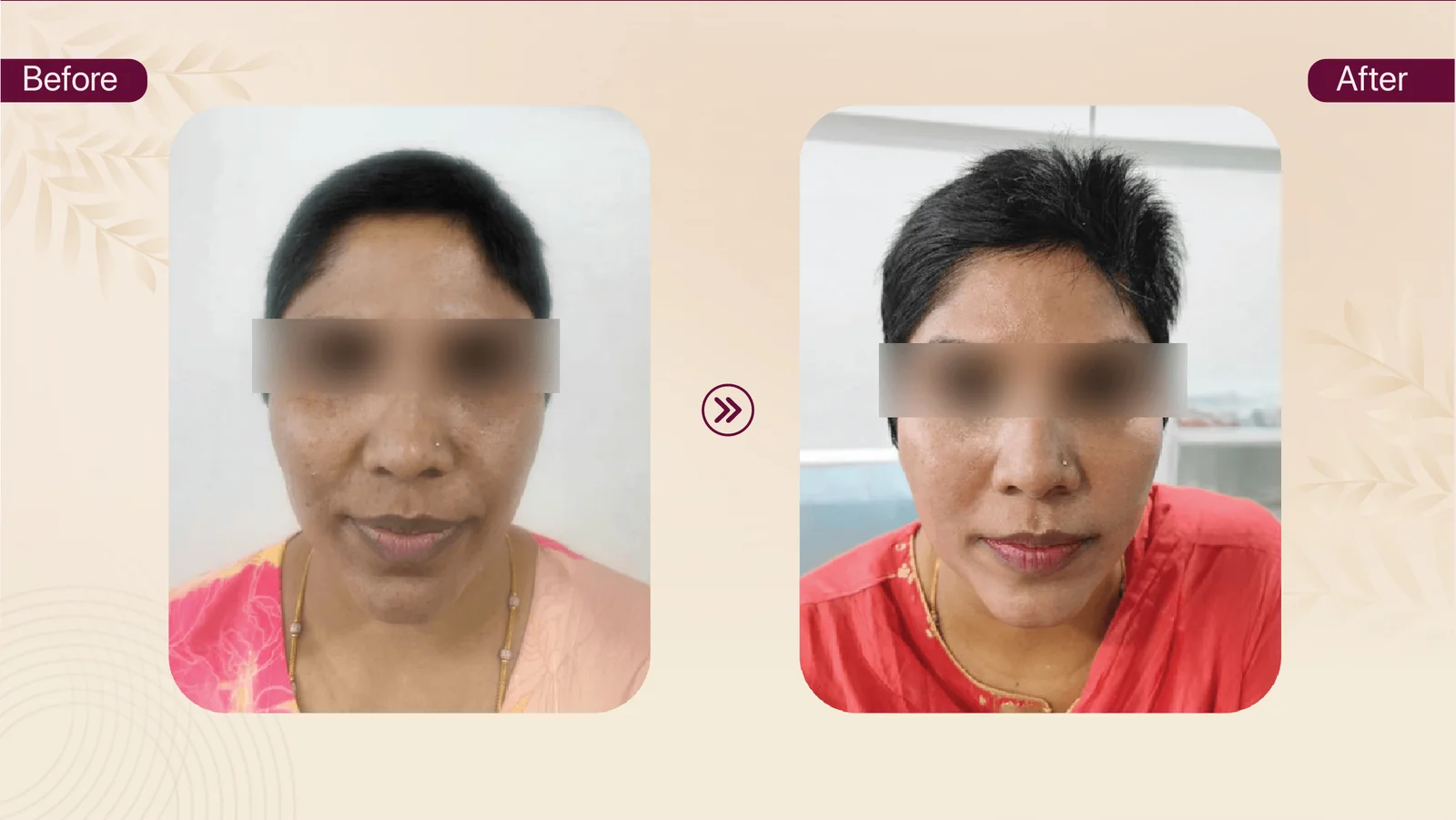
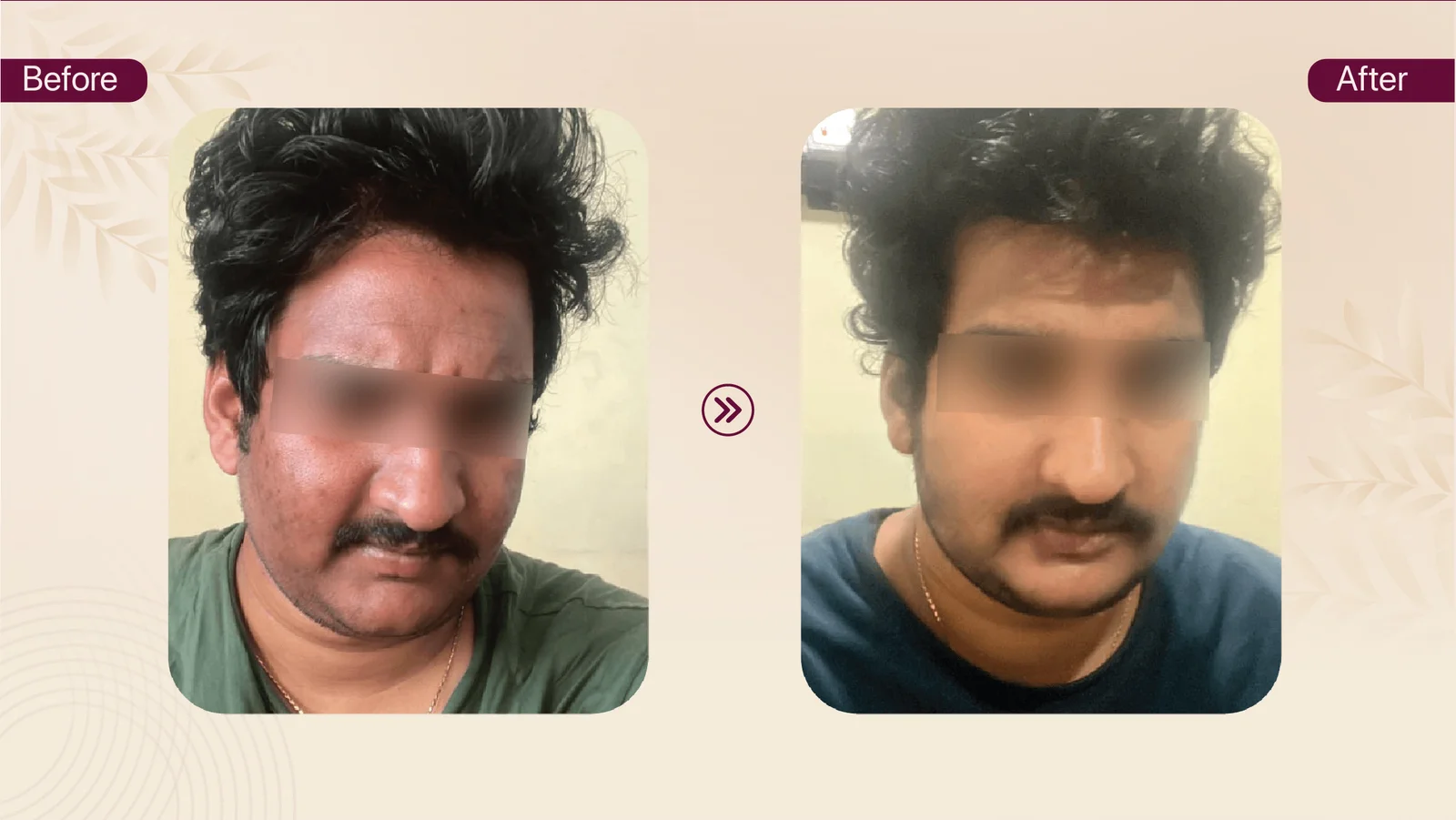

Individual results vary. These photographs show specific cases, not guaranteed outcomes. Original image quality, lighting and angles may differ. Your doctor can explain what may be possible for you.
Original Google excerpts about peels at Layers, including combined care. They do not identify a pumpkin-facial formula or its results.
“Had a peel in layers for my pigmentation. Results are really satisfactory”
“doctor have been suggested peels I can see good results in 2sessions I completed my 4 session”
Peels for under-eye pigmentation.
“I have opted for skin Q switch treatment with combination of skin peels sessions this is my 5th session results are great”
Combined Q-switch and chemical-peel care.
“I had chemical peel and Q-switch treatment at Layer Clinic and I’m very happy with the results.”
Combined Q-switch and chemical-peel care.
“I took qswitch and chemical peel for my face and body the treatment result is excellent. I'm satisfied with the treatment”
Combined Q-switch and chemical-peel care.
“I recently got a Q-Switch treatment and a chemical peel here, and the whole experience was fantastic”
Combined Q-switch and chemical-peel care.
“Got chemical and Q switch done ! Loved the effect with in 2 sessions only !”
Combined Q-switch and chemical-peel care.
“Currently getting my chemical peel done and it’s already showing good results with just 3 sessions.”
“she did an excellent job with my skin booster and chemical peel. The results look so natural and I’m really happy with them.”
Combined skin-booster and chemical-peel care.
“I had a wonderful experience with my laser and peel treatment here.”
Combined peel and laser care; laser type not specified.
















No. Some formulas also contain acids such as lactic or glycolic acid. Check the actual ingredients rather than relying on the name.
That depends on the formula and why your skin is sensitive. Active irritation may be a reason to use gentler care or postpone exfoliation.
Not every product causes visible shedding. Mild or absent flaking is not a reason to add more exfoliants or repeat the treatment early.
Do not assume so. Some preparations should not be applied over inflamed acne. A dermatologist can advise on the acne itself and whether a peel has a role.
No. A food mask is not equivalent to a formulated professional product. Avoid copying a peel with kitchen ingredients or mixing acids at home.
Follow the advice for the product used and your skin response. Restarting strong products too early can prolong irritation.
A surface exfoliating facial cannot correct every structural scar. Deep or tethered scars need a separate assessment.
The interval depends on the formula, your routine and how the skin settles. Agree on a review rather than assuming frequent exfoliation is better.
Bring your routine and questions. Discuss whether a facial or a simpler routine would be useful.
Prefer a call? +91 9000 572727