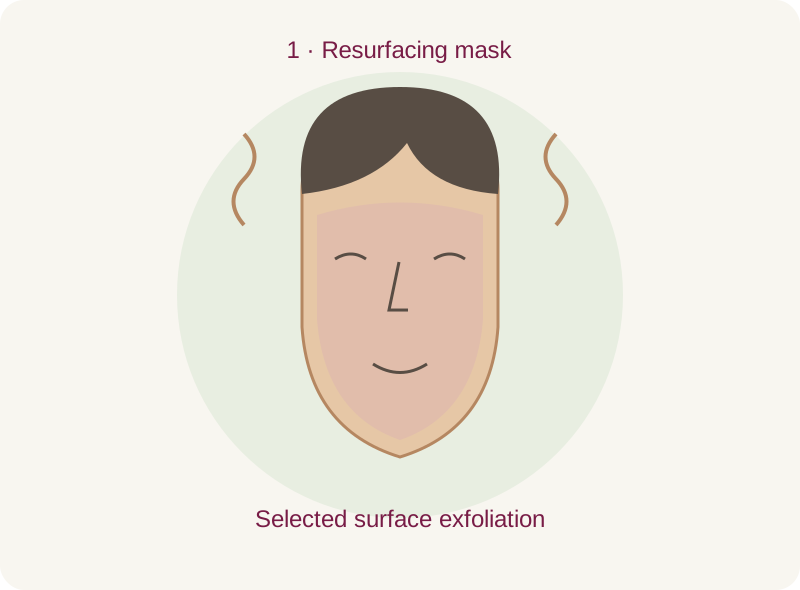
Resurfacing mask
The first step focuses on exfoliation and surface texture. You may notice warmth or tingling. Tell the practitioner about strong burning or discomfort so they can check your skin.
A two-stage facial that pairs surface exfoliation with a hydrating finish. Understand what each mask does and whether the treatment suits your skin.
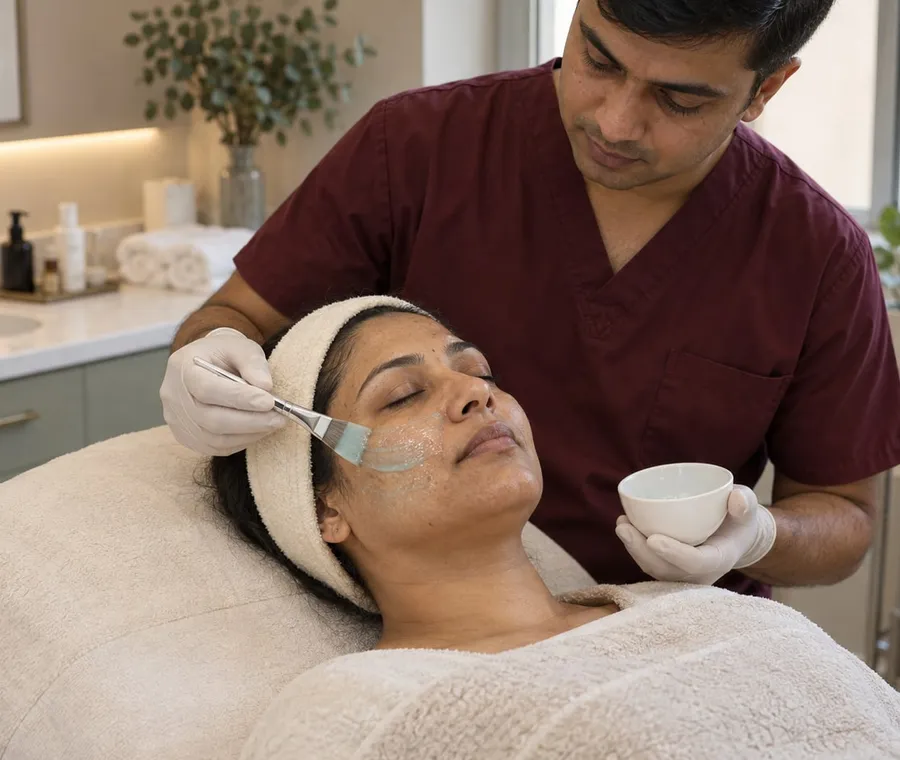
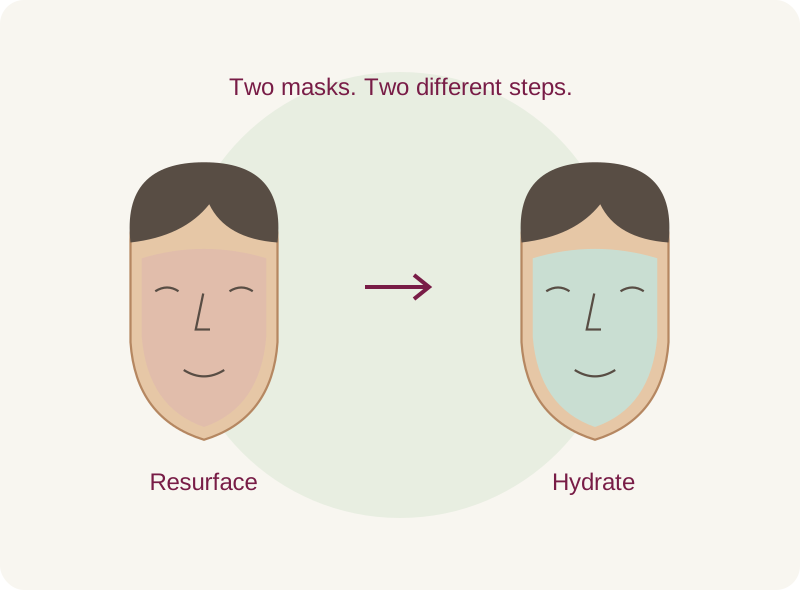
Fire & Ice is a professional facial associated with iS Clinical. It starts with a resurfacing mask and follows with a cooling, hydrating mask. The name describes the different sensations during these stages.
It is a surface-care treatment, not a laser procedure. Before booking, confirm the products included in your facial and discuss your skin concerns, sensitivity and current routine.
The first step focuses on exfoliation and surface texture. You may notice warmth or tingling. Tell the practitioner about strong burning or discomfort so they can check your skin.
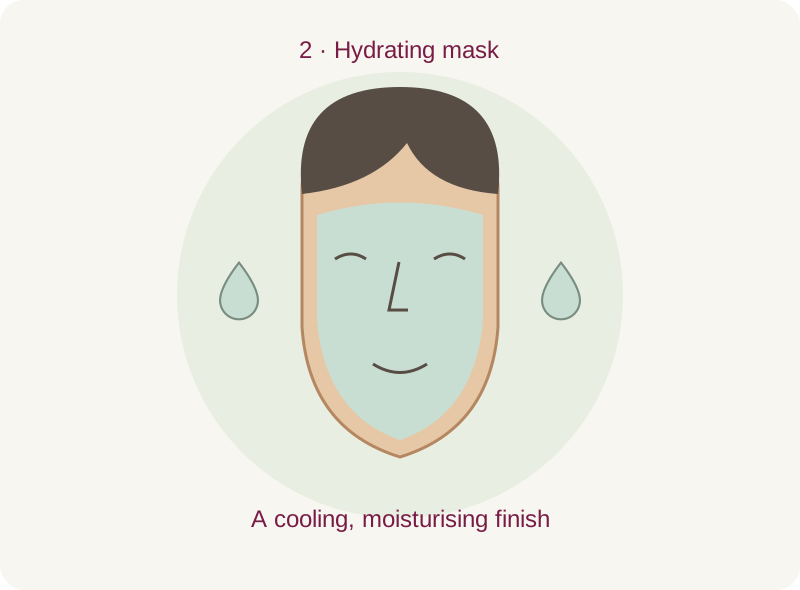
After the first mask is removed, a separate mask provides a cooling, moisturising finish. Its role is to support hydration and comfort after the resurfacing step.
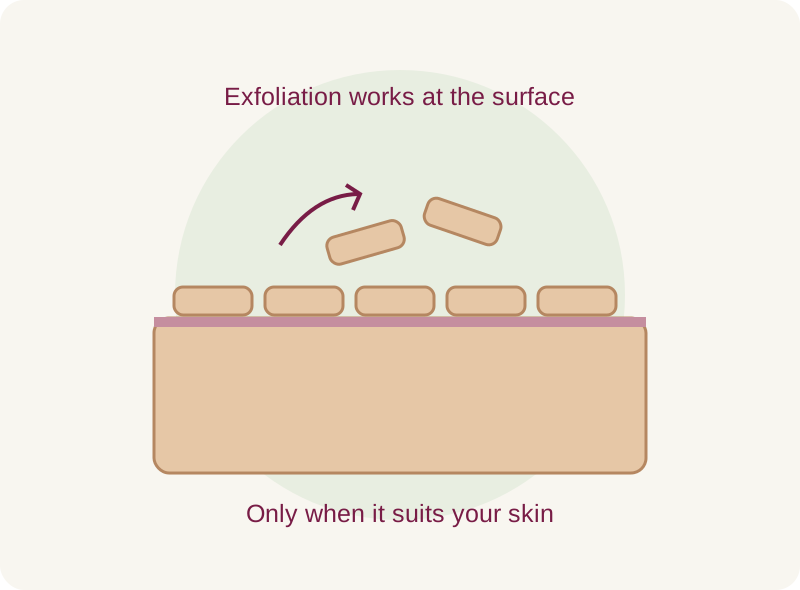
The aim is a smoother-feeling surface and a fresher appearance. Hydration can also make dry-looking fine lines less noticeable for a time. The change varies with your skin and the products used.
Persistent pigment patches, inflamed acne and deeper scars need a separate assessment. A facial can be part of skin care without being the answer to every concern.
Discuss a realistic goal for this visit, rather than expecting a permanent change from one facial.
Cleansing, moisturising and sun protection support the skin between appointments.
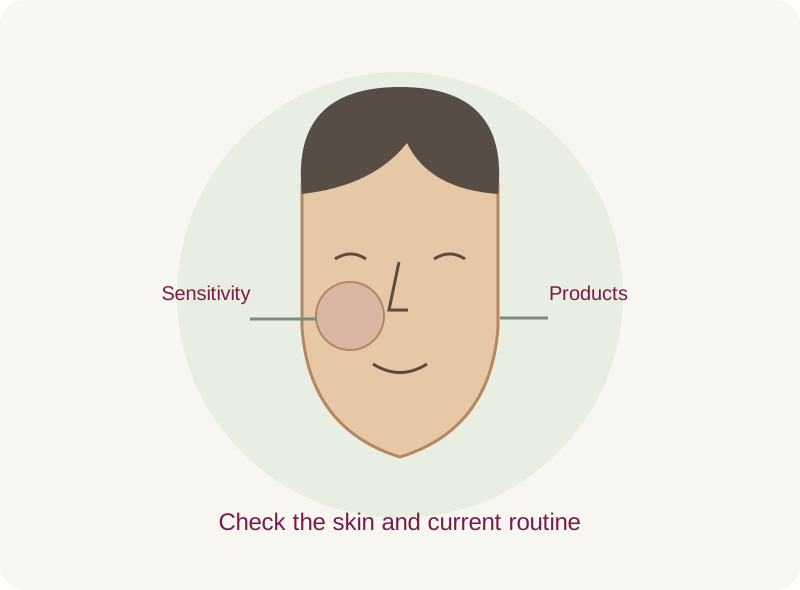
Mention rosacea, eczema, sunburn, broken skin or a current rash. The facial may need to wait, or a gentler option may be more suitable.
Share the products and medicines you use. Adding another exfoliating step to an active routine can increase irritation. Follow individual advice about any changes.
Tell the team if irritation has left dark marks before. A stronger or longer application is not necessarily better for your skin.
Review ingredient allergies, recent peels, lasers or waxing, pregnancy or breastfeeding, and any upcoming event. Product choice and timing should fit your circumstances.
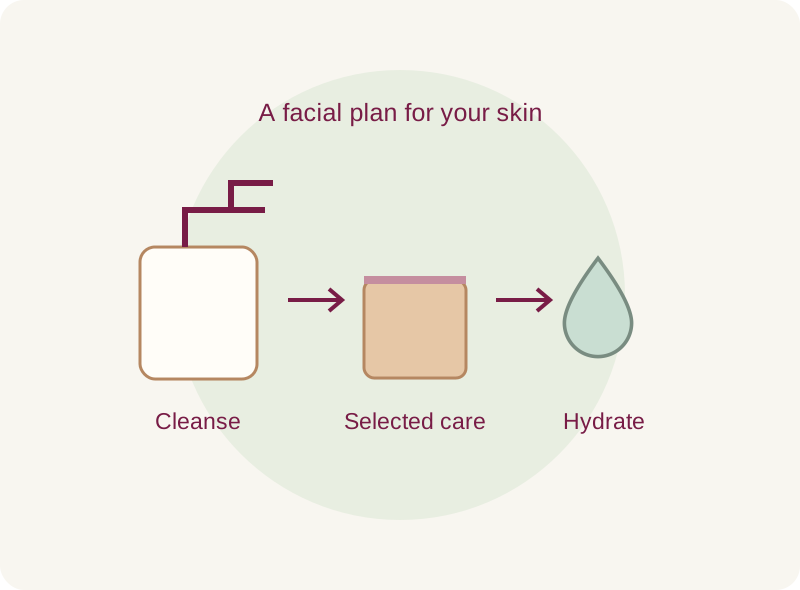
Discuss the concern, previous reactions and recent treatments. Confirm which products will be used and the expected sensations.
The practitioner cleanses the skin and checks the treatment area. Additional procedures are included only when suitable and agreed.
The practitioner follows the selected product protocol and watches your skin response. You can speak up at any point if the sensation is uncomfortable.
The resurfacing mask is removed before the hydrating stage. Suitable finishing products complete the facial; the exact sequence follows the products used.
Ask when to restart exfoliating acids, retinoids, makeup and other treatments. Avoid adding an extra scrub to freshly treated skin.
Let the skin settle and assess the change. Book another session for a clear purpose rather than following the same course as someone else.
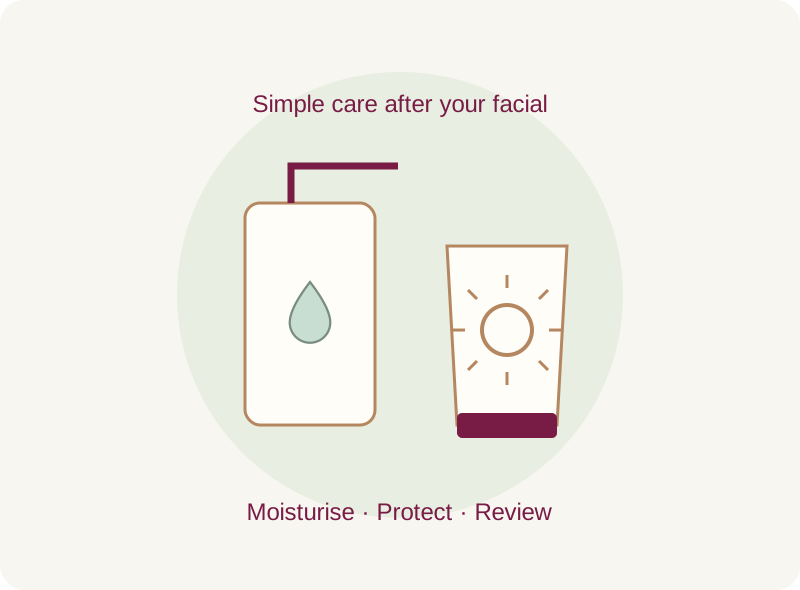
The skin may feel warm, look flushed or become dry or sensitive. A low-downtime facial can still cause a reaction, particularly when the products are new to you.
Use the advised moisturiser and sun protection. Avoid picking at flakes or trying stronger products while the skin feels irritated.
Contact the clinic for persistent burning, swelling, blistering or a new rash. Severe swelling or breathing difficulty needs urgent medical care.
A broader choice of facial steps selected around your skin and concern.
Explore medifacials
Device-assisted cleansing, gentle exfoliation and hydration designed to refresh congested or dry skin.
Explore Hydrafacial
A chosen chemical preparation for a specific concern, with recovery that depends on its type and depth.
Compare chemical peelsOriginal Google excerpts about Hydrafacial at Layers, sometimes alongside other care. These are related facial experiences, not confirmed Fire & Ice treatment reviews.
“The HydraFacial was absolutely worth the money—it left my skin feeling fresh, hydrated, and glowing from the very first session.”
“layers HSR was fantastic with my hydra facial. They informed me about the treatment at every step and made the process very smooth.”
“I had a great experience with this hydra facial treatment. Special thanks to Devi for her excellent service.”
“Overall experience was very nice at reasonable cost.”
“I had hydra facial at layers. The service was good and people are helpful. Hoping to visit again”
“I recently underwent a hair therapy and took hydra facial, and I’m really happy with the results.”
“I took Q-switch laser and HydraFacial sessions, and I can already see improvement.”
Combined Q-switch and Hydrafacial care.
















No. The name refers to the warming and cooling sensations of the two mask stages. It does not involve burning or freezing the skin.
No. This facial pairs a resurfacing mask with hydrating care. A deeper chemical peel has a different purpose, treatment depth and recovery plan.
Strong pain or burning should not be ignored. Tell the practitioner immediately so they can assess your skin and remove the product if needed.
Tell the team which product you use and how often. They will advise whether to adjust the routine or delay the facial. Do not add another exfoliating treatment without checking.
A surface refresh may change the look or feel of the skin, but pigment patches and deeper scars often need targeted treatment. Start with an assessment of the concern.
Not always. The products, current skin condition and previous reactions matter. A hydrating facial without resurfacing may be a better choice.
Leave time for an unexpected reaction to settle, especially for a first treatment. Share the event date when planning rather than assuming there will be no redness.
There is no one schedule for everyone. Your skin response, current routine and reason for another visit should guide the decision.
Tell us your main concern and your current routine. We will help you compare the next steps.
Prefer a call? +91 9000 572727