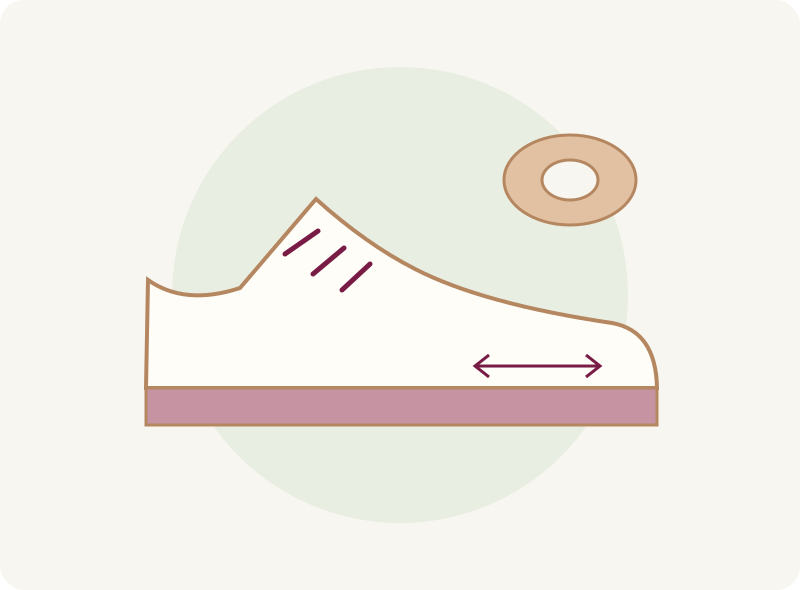
Footwear and padding
Comfortable, well-fitting shoes and suitable padding can reduce rubbing. A foot specialist may recommend an insole or another adjustment.
Thickened skin can make shoes and walking uncomfortable. Care starts with checking the spot and the pressure that keeps bringing it back.
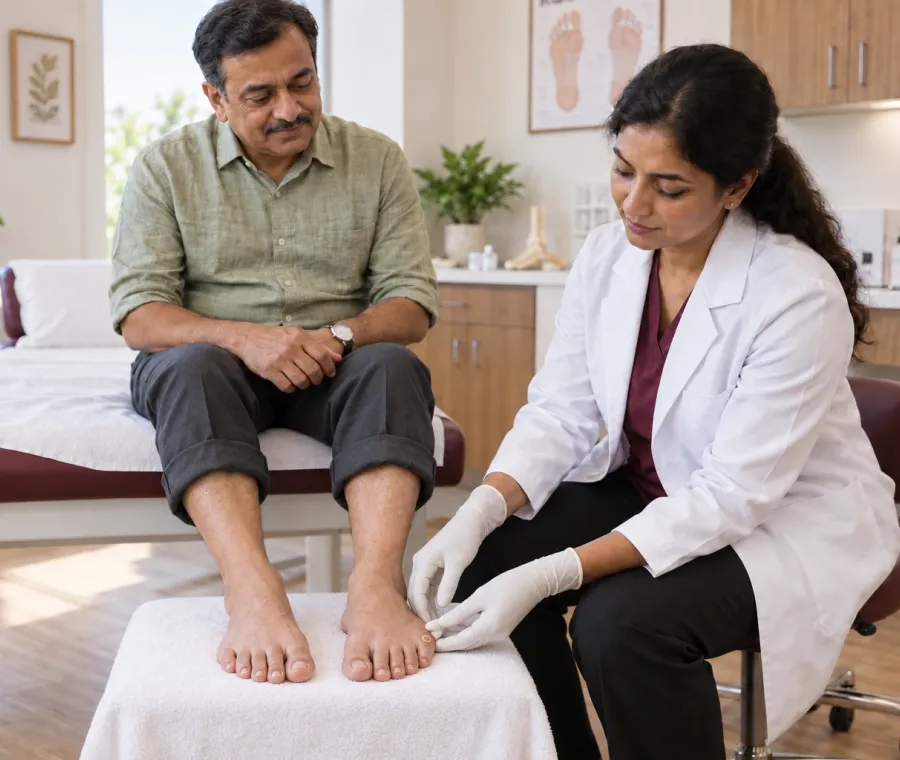
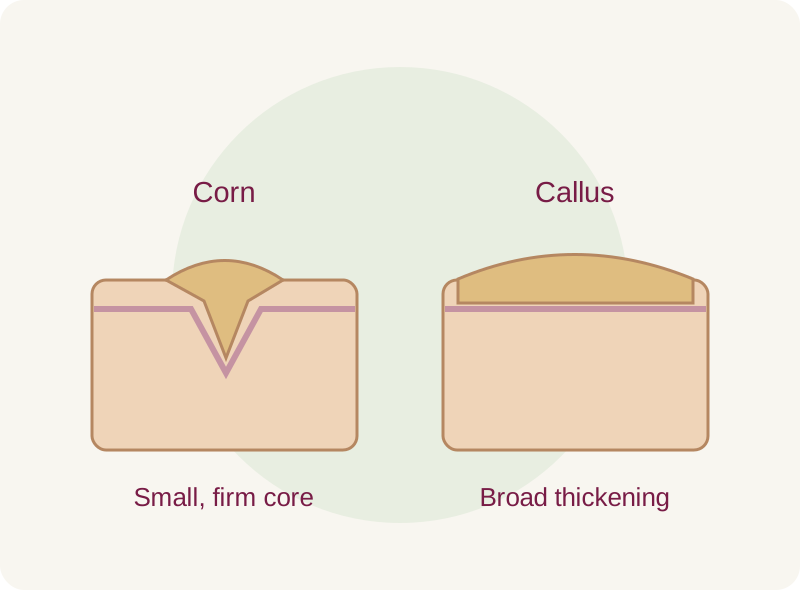
Both are areas of skin that thicken in response to repeated pressure or rubbing. A corn is usually small with a firm centre; a callus covers a wider area.
They often occur on feet and toes, but calluses can also form on hands. Care can reduce troublesome build-up while addressing what puts pressure on the skin.
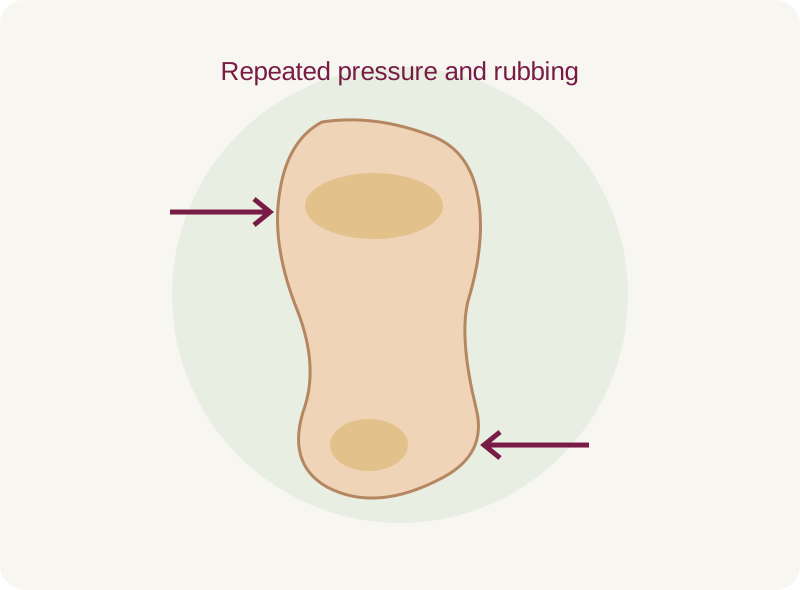
Tight footwear, rubbing seams and repeated walking or standing can load the same small area.
Prominent bones, toe position or reduced natural cushioning can contribute. Recurring problems may need a foot specialist.
A plantar wart can resemble a corn. Get an uncertain or painful spot checked before choosing a treatment.
Comfortable, well-fitting shoes and suitable padding can reduce rubbing. A foot specialist may recommend an insole or another adjustment.
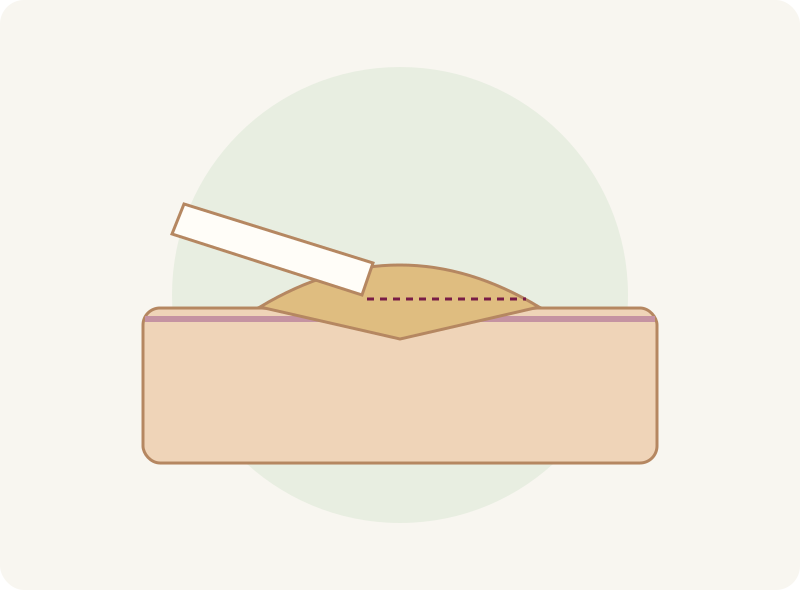
A trained clinician may carefully pare thick skin to reduce discomfort. This does not remove the pressure that caused it, so ongoing care still matters.
Moisturising or selected softening products may help. Medicated corn products are not suitable for everyone and can injure healthy skin.
The clinician checks whether it is a corn, callus, wart or another problem.
Discuss footwear, pain, diabetes, circulation, sensation and any previous wound.
Professional paring or selected topical care may be offered after assessment. Do not use a blade at home.
Discuss padding and shoe changes alongside treatment, with specialist referral when needed.
Report increasing pain, redness or a wound. Protect any tender area as advised.
If hard skin returns, reassess footwear and loading rather than repeatedly removing the surface alone.
Wear comfortable shoes and socks that do not bunch up or rub. Replace poorly fitting footwear where possible.
Follow the plan for moisturiser or softening products. Avoid cutting, digging out or aggressively filing the area.
Pain that limits activity, repeated recurrence or signs of infection need review. A procedure is not a guarantee that the corn will never return.
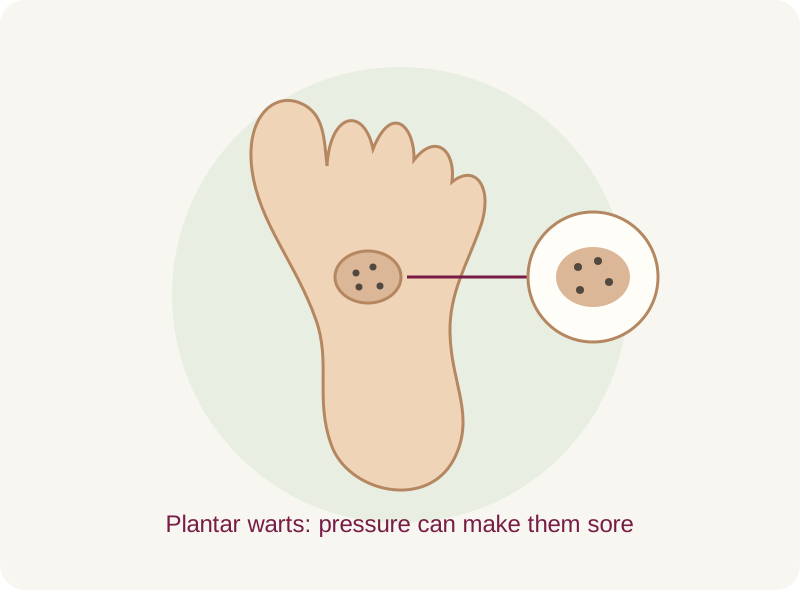
Warts are caused by a virus and need a different care plan. An examination can help distinguish them from pressure-related thickening.
Explore wart careVerified Google review excerpts about consultations at Layers. The condition is not specified; these are not corn-removal results.
“The doctors listened carefully to my concerns and explained the treatment in a clear and professional manner.”
Consultation experience; condition not specified.
“She explained the treatment clearly and made me feel comfortable throughout the consultation.”
Consultation experience; condition not specified.
“The doctor took the time to understand my skin concerns and explained the treatment plan clearly, without rushing.”
Consultation experience; condition not specified.
“Very patient ,humble and polite to answer every single query and build confidence.”
Consultation experience; condition not specified.
“The doctors explained everything clearly and made me feel comfortable and confident.”
Consultation experience; condition not specified.
“The doctor took the time to listen to my concerns patiently and explained the treatment options clearly.”
Consultation experience; condition not specified.
















No. Corns develop with pressure or friction; warts are viral. They can look similar on a foot, so an examination may be needed.
Some corns form between toes and stay softer because of moisture. The location and footwear help guide care.
No. Pressure relief and suitable skin care may be enough. Treatment is considered when discomfort or persistent thickening needs help.
It may return if the same pressure continues. Footwear, padding and any underlying foot-shape problem need attention too.
Ask for advice first if you have diabetes, poor circulation, reduced sensation or damaged skin. Acid products can burn surrounding skin.
This depends on the area and treatment. Ask about comfortable footwear, pressure relief and when to return to exercise or long periods of standing.
Do not cut or dig into a corn. You may cause a wound or infection, and the original spot may have another cause.
Get assessed for severe pain, a new wound, bleeding, pus, heat or swelling. People with diabetes or poor circulation should seek help early.
Talk about the painful area, your footwear and what keeps the problem coming back.
Prefer a call? +91 9000 572727