
Temporary camouflage products
Specialist creams, makeup, skin dyes or self-tanners can reduce visible contrast. They differ in wear and removal, and let you choose coverage when you want it.
You can choose to show your patches, cover them or explore treatment. If coverage interests you, compare the options and how they fit your skin-care plan.
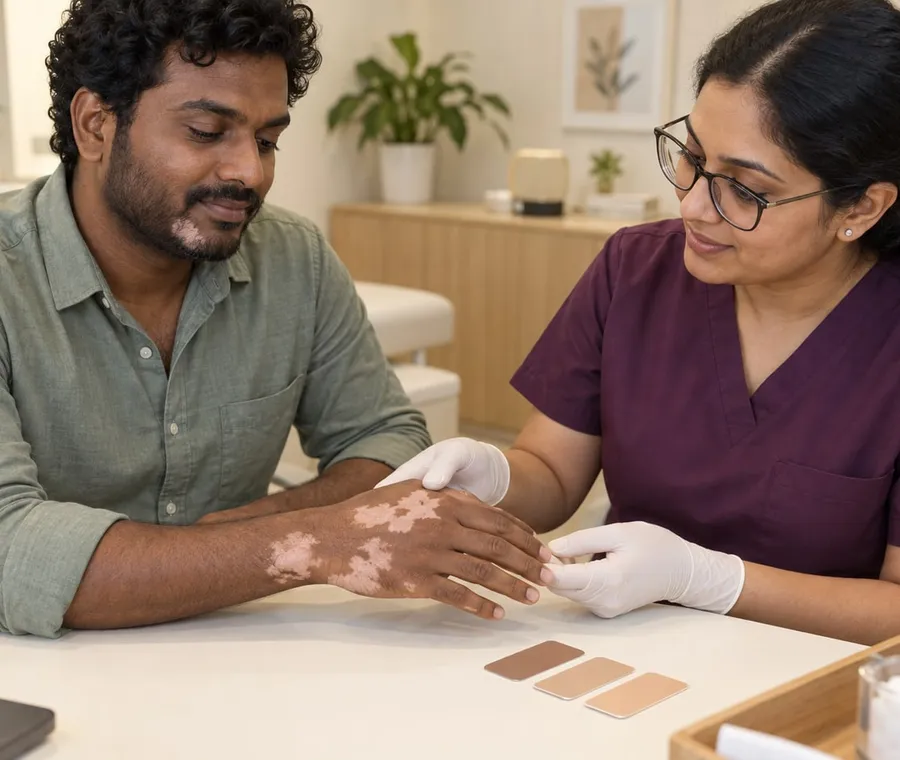
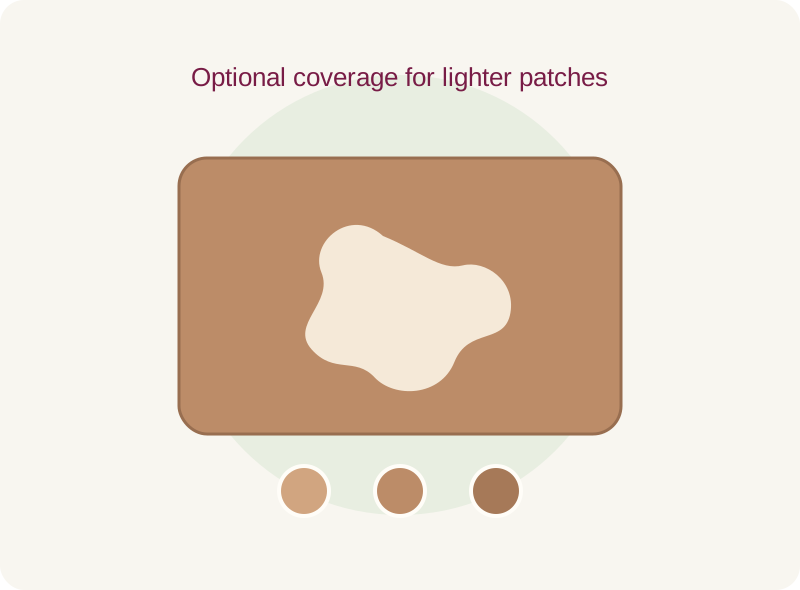
Camouflage adds the appearance of colour to areas affected by vitiligo. Removable makeup and similar products work on the surface; medical tattooing uses pigment placed within skin in selected cases.
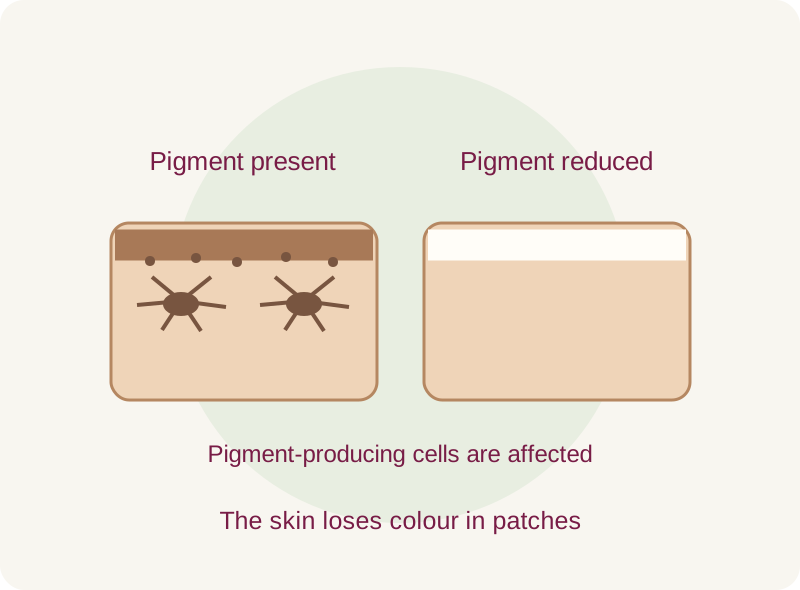
Coverage does not restore pigment-producing cells or control the condition. It can be used as an appearance choice while a separate medical plan addresses vitiligo, or without choosing medical treatment.
Specialist creams, makeup, skin dyes or self-tanners can reduce visible contrast. They differ in wear and removal, and let you choose coverage when you want it.

Selected pigment may be considered for carefully assessed, stable areas. It is less easy to change and involves tattoo risks, colour-matching limits and a chance of new patches after skin trauma.
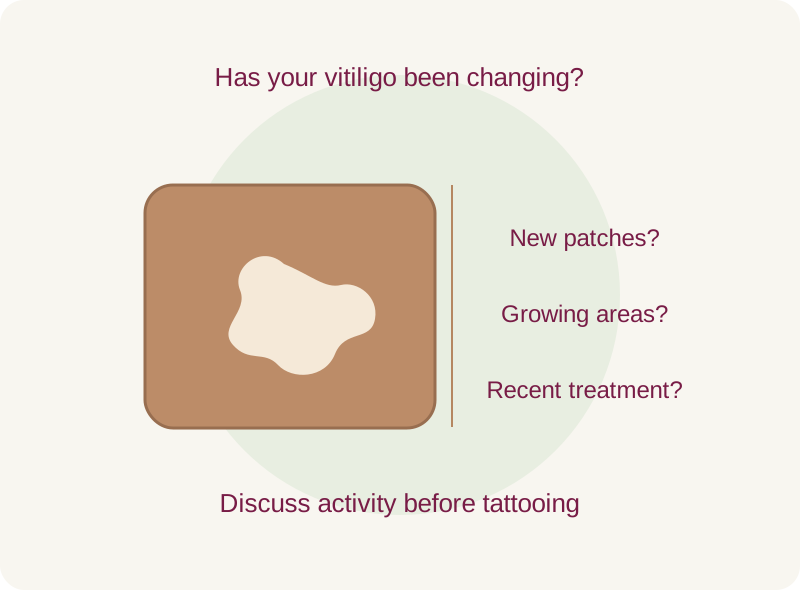
Tell the dermatologist if new patches are appearing or existing areas are growing. Tattooing is generally postponed while vitiligo is active. A patch looking unchanged in one photograph does not establish that it is ready for a procedure.
Skin injury can trigger vitiligo in the injured area, called the Koebner phenomenon. This may happen within or around a tattoo. Stable disease still needs an individual assessment; it does not remove every risk.
Tell the team about creams, medicines and phototherapy. Do not stop prescribed care to arrange tattooing; timing should be agreed with your dermatologist.
Removable camouflage may offer coverage without tattooing the skin. The product still needs to suit your skin and avoid any broken or irritated area.
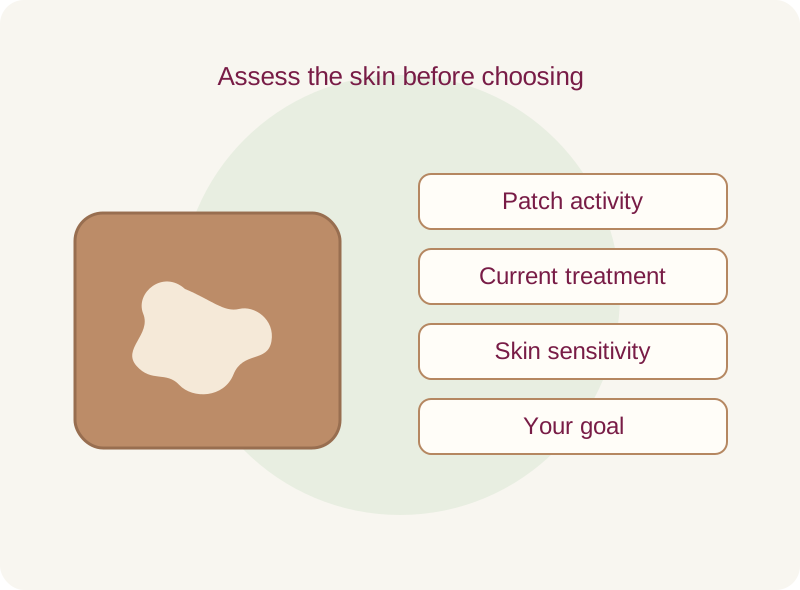
Not every pale patch is vitiligo. New or unexplained skin changes should be assessed before you cover them.
Face, hands and body areas have different exposure, movement and washing routines. Discuss which product or approach would be practical for you.
Mention allergies, reactions to makeup or tattoo pigment, unusual scarring, medicines and other skin conditions. Inflamed, infected or broken skin needs care first.
There is no need to hide vitiligo. Coverage can be occasional or part of a daily routine; the aim is a choice you feel comfortable with.
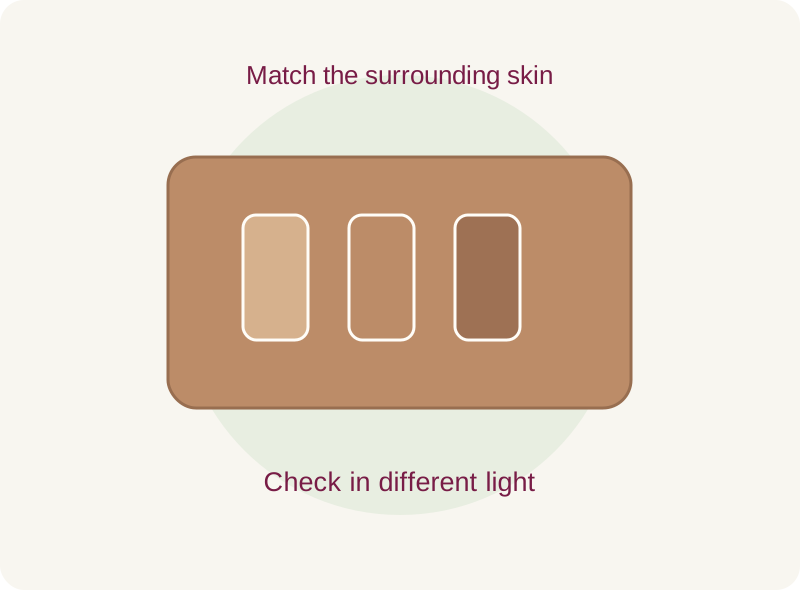
A camouflage specialist can compare products with your surrounding skin and demonstrate application in suitable light. Different areas may need different shades or textures. A small amount, blended carefully, is a useful starting point.
Tattoo colour is harder to adjust than a removable product. Your surrounding skin may change with sun exposure or treatment, and implanted pigment can fade or shift. A test area and healed review may be considered, but cannot guarantee a perfect match.
Explain when patches appeared, whether they are changing and what you currently use. The dermatologist helps decide which choices are appropriate.
Try shade matching and discuss wear, reapplication and removal. If tattooing is being considered, review stability, risks and a test-area plan before a procedure.
Learn to apply the product to clean, dry skin, blend the edges and set it as directed. Ask how your prescribed products and sun protection fit around it.
The selected area is prepared and pigment placed using appropriate sterile, single-use skin-contact equipment. Confirm the method and comfort measures in advance; this is not part of every camouflage appointment.
Remove coverage gently each day so you can inspect the skin and use prescribed treatment. Wash applicators and avoid vigorous scrubbing.
Follow written aftercare and allow healing before reviewing the colour. Seek advice about unusual symptoms or new white areas, rather than adding more pigment immediately.
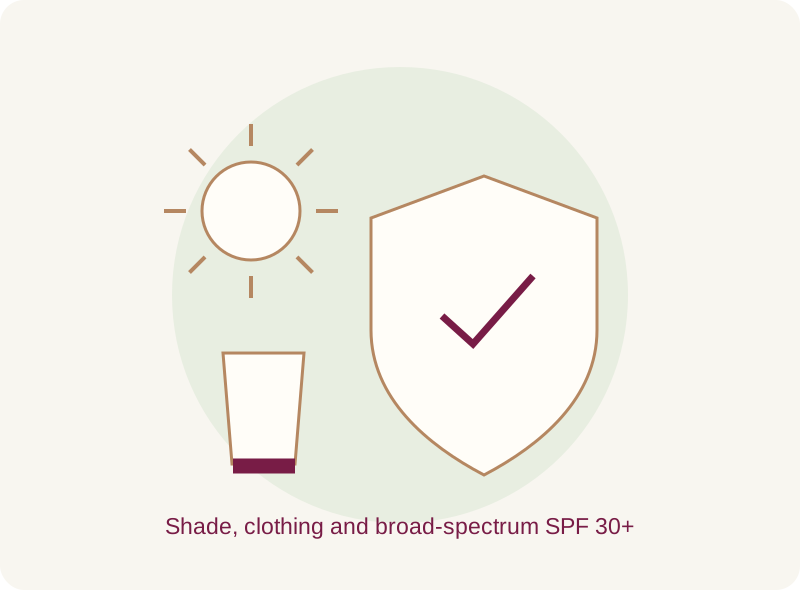
Camouflage is not a substitute for sun protection. Protect exposed skin and follow your dermatologist’s instructions for medicines and medical light treatment. If you are having phototherapy, postpone tattooing and discuss timing with your treating dermatologist.
A water-resistant product may still transfer with rubbing, sweat or clothing. Check the product’s instructions and test its wear in your usual routine. You can change your mind about temporary coverage whenever you want.
Stop a cosmetic product that causes a reaction and seek advice. Infected, broken or inflamed skin should not be covered to hide the problem.
Infection, allergic reactions, scarring and an unwanted colour are possible. New patches can follow skin trauma. Increasing pain, spreading redness, discharge or persistent swelling needs prompt medical assessment.
Tell the clinician if patches change or pigment no longer matches. Tattoo removal is not a guaranteed reset and should be discussed with a specialist.
Learn about diagnosis, patch patterns, medical care and choosing whether to treat the condition.
Explore vitiligo careOriginal Google reviews about consultations and care at Layers. These are not vitiligo camouflage outcomes.
“The doctors listened carefully to my concerns and explained the treatment in a clear and professional manner.”
Consultation experience; condition not specified.
“She explained the treatment clearly and made me feel comfortable throughout the consultation.”
Consultation experience; condition not specified.
“The doctor took the time to understand my skin concerns and explained the treatment plan clearly, without rushing.”
Consultation experience; condition not specified.
“Very patient ,humble and polite to answer every single query and build confidence.”
Consultation experience; condition not specified.
“The doctors explained everything clearly and made me feel comfortable and confident.”
Consultation experience; condition not specified.
“The doctor took the time to listen to my concerns patiently and explained the treatment options clearly.”
Consultation experience; condition not specified.
















No. It changes the appearance of colour without controlling disease activity or restoring pigment-producing cells. Medical treatment and cosmetic coverage are separate choices.
No. Vitiligo does not need to be hidden. You can choose no coverage, occasional makeup or a regular routine, depending on what feels right for you.
It can. Skin trauma may trigger vitiligo in the treated area or nearby skin. This is one reason activity and suitability need a dermatologist’s assessment.
Tattooing is generally postponed while vitiligo is active. Discuss treatment and removable coverage options with your dermatologist instead of proceeding on the basis of a colour match alone.
Products vary. Many are water resistant but still need gentle daily removal and can transfer with friction. Follow the product instructions and ask for a demonstration.
Do not rely on camouflage or tattoo pigment as sun protection. Follow a suitable sunscreen, clothing and shade routine for exposed areas.
Do not stop treatment on your own. Ask how to combine medicines with removable coverage, and agree timing around any tattoo procedure with the treating dermatologist.
No. Skin tone, lighting, fading and changes in vitiligo can affect the match. A test area may help assess a response but cannot guarantee the colour will remain identical.
Talk through practical options and how they fit with your vitiligo care.
Prefer a call? +91 9000 572727