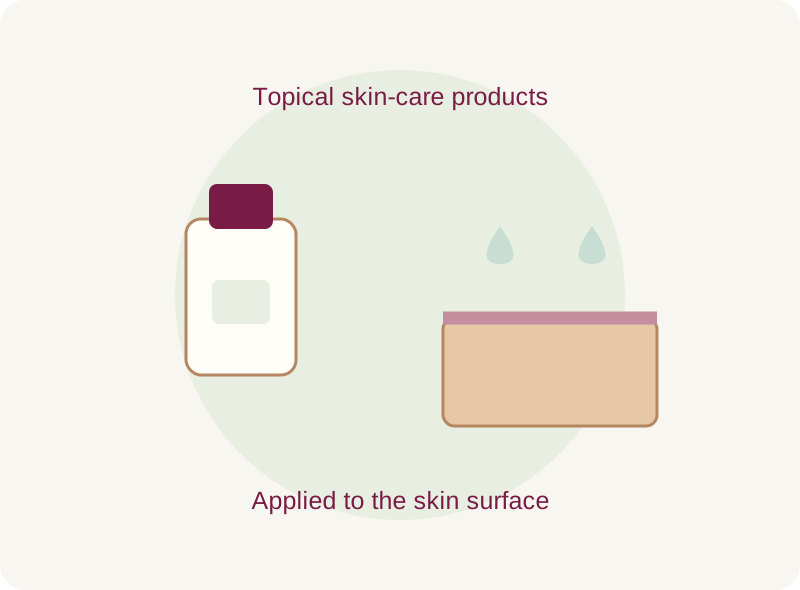
Topical skin care
Creams, serums and ampoules may include PDRN alongside other ingredients. Their effects depend on the complete formula and cannot be assumed to match injection studies.
Learn what PDRN is, why the product and method matter, and how to compare it with other care for your skin concern.
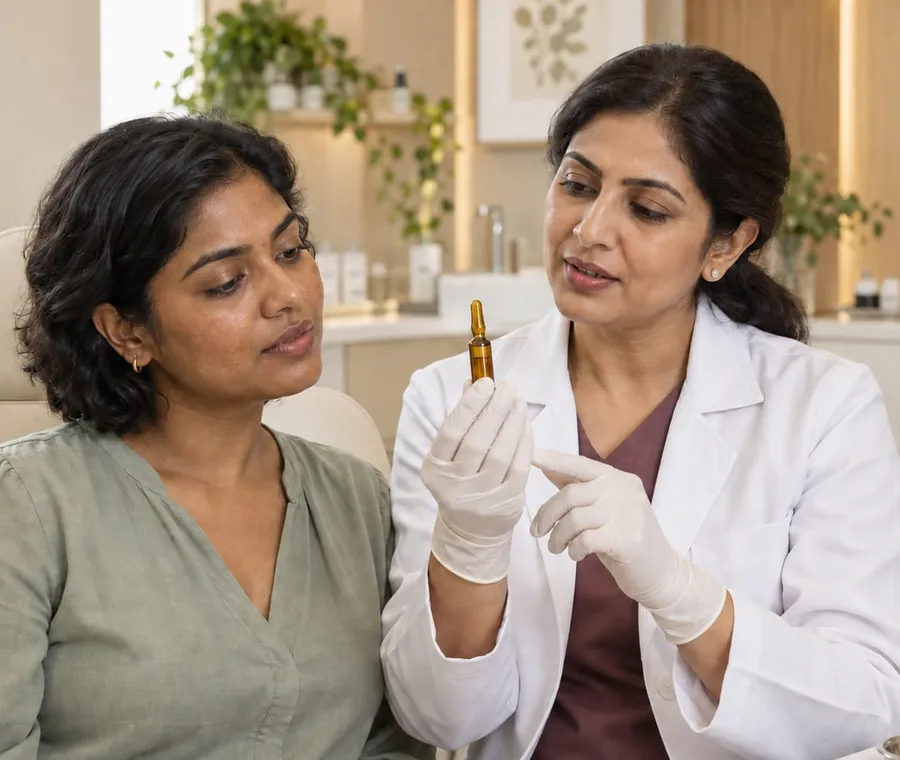
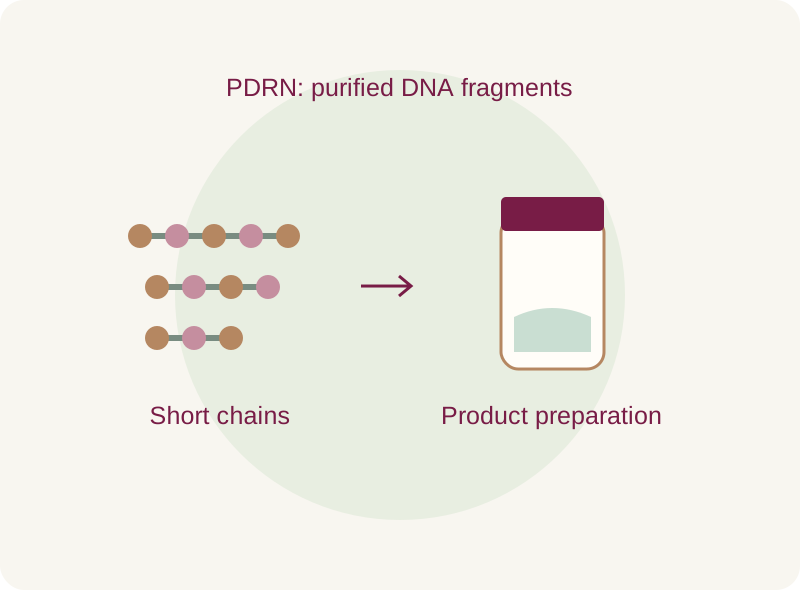
PDRN stands for polydeoxyribonucleotide: a preparation of purified DNA fragments. Many studied preparations are fish-derived. Products differ in their source, formulation and intended use.
PDRN is being studied for skin quality and repair. A cosmetic serum, a preparation used with a skin procedure and an injectable product are different choices. The name alone does not identify the treatment you would receive.
Creams, serums and ampoules may include PDRN alongside other ingredients. Their effects depend on the complete formula and cannot be assumed to match injection studies.

An injectable preparation needs its own evidence, intended-use checks and medical assessment. Cosmetic packaging or a sealed ampoule does not establish that a product is suitable for injection.

Small studies have explored skin texture, wrinkles, pigmentation and recovery. One trial compared PDRN with PRP when each was combined with microneedling; it cannot tell us what a PDRN serum alone would achieve.
Results are encouraging in some studies, but formulations, methods and follow-up vary. Therapeutic PDRN use remains experimental and is not recommended as routine care by the current Indian dermatology task-force consensus.
Dryness, acne marks, melasma and deeper scars have different causes and treatment options. A newer ingredient is not automatically the best starting point.
Polynucleotide products are often discussed alongside PDRN, but formulations are not interchangeable. Evidence for one named product should not be treated as proof for another.
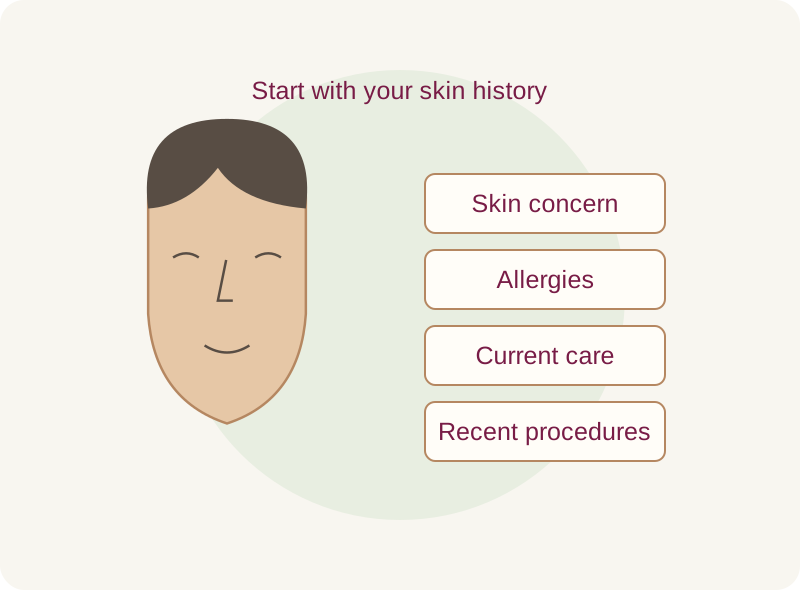
Explain what changed, how long it has been present and what you have tried. The clinician can compare established care with any newer option.
Mention fish allergy and previous reactions to medicines or skin products. Ask about the actual source and full ingredient list rather than assuming every PDRN formula is identical.
Share active rashes, cold sores, infections, scarring problems, medicines and conditions affecting healing. Tell the doctor about pregnancy or breastfeeding.
Ask whether the product is topical, used alongside another procedure or intended for injection. Each choice has different safety, evidence and aftercare questions.
Discuss the skin concern, medical history and previous treatments. A diagnosis may point to a simpler or better-established option.
Ask for the product name, ingredients, intended use and evidence for the proposed method. Discuss uncertainties as well as possible benefits.
The plan should explain why a product or procedure is being considered, what alternatives exist and what improvement would be meaningful to you.
If microneedling, laser or injections are proposed, each needs its own explanation and consent. Evidence for the device alone does not establish the safety of adding any cosmetic preparation.
Instructions depend on what was actually used and whether the skin barrier was disturbed. Confirm when to restart normal products and when to return.
Review any change and side effects rather than assuming a fixed package is necessary. An ineffective or irritating plan should be reconsidered.
A topical preparation can irritate skin or cause an allergic reaction. Procedures involving needles add risks such as redness, bruising, infection and pigment changes. Longer-term safety is less certain for newer preparations.
Use gentle care and sun protection as advised, and avoid adding extra active products while the skin is irritated. Ask for an aftercare contact and a clear review plan.
Report increasing pain, warmth, discharge, persistent swelling or a new rash. Severe swelling, breathing difficulty, vision changes or sudden neurological symptoms need urgent medical help.
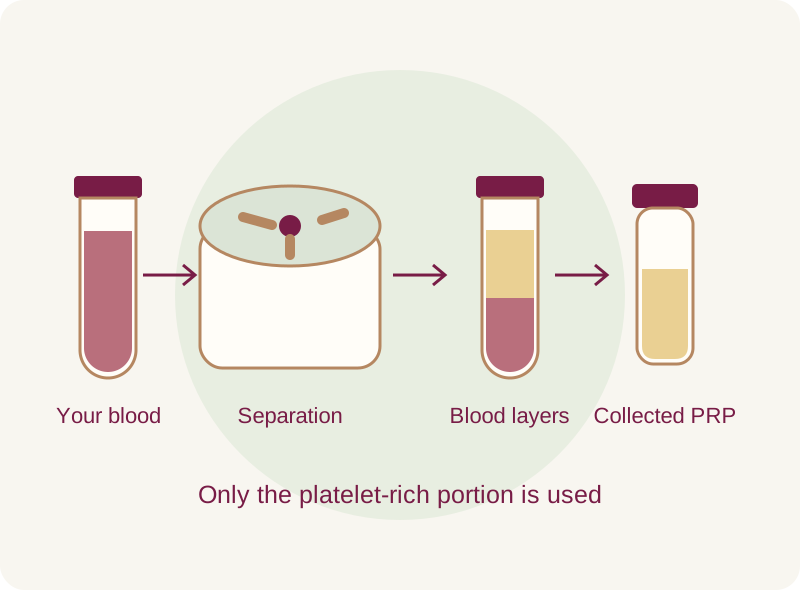
Uses a preparation from your own blood. Learn about the procedure, evidence and how it differs from a packaged product.
Explore PRP for skin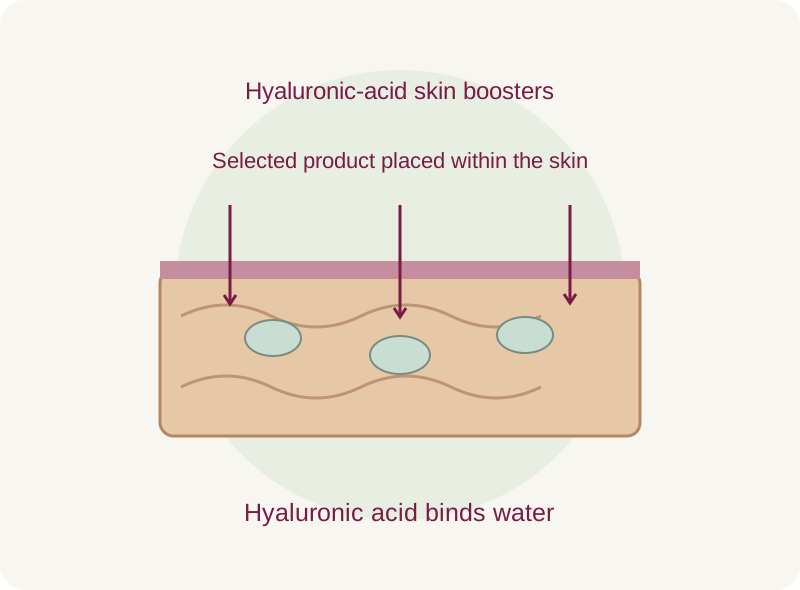
Compare injectable skin-quality care, including product choice, expected change and recovery.
Explore skin boosters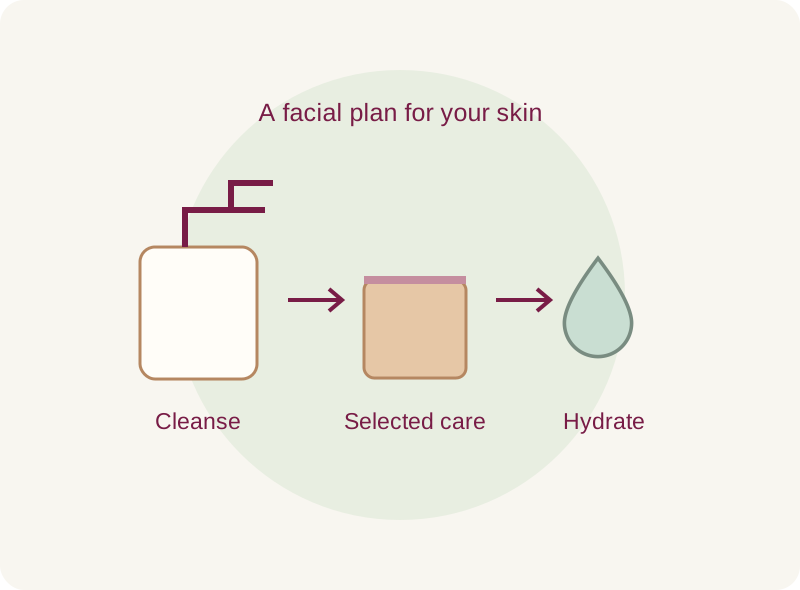
Explore surface-care options selected around skin comfort, hydration and mild texture concerns.
Explore medifacialsOriginal Google excerpts mentioning skin boosters, including sequential and combined care. These reviewers do not identify PDRN as their product.
“I was here for the fillers treatment, results are too good. After taking fillers, I have opted for skin boosters.”
Filler experience; the reviewer later chose skin boosters.
“she did an excellent job with my skin booster and chemical peel. The results look so natural and I’m really happy with them.”
Combined skin-booster and chemical-peel care.
















The terms are related and sometimes used loosely, but different products can have different DNA-fragment sizes, formulations and intended uses. Compare the actual product rather than the abbreviation alone.
Many studied preparations are derived from purified salmon or trout DNA. Other sources are also being explored. Ask about the source and ingredients of the product being discussed, particularly if you have allergies.
That cannot be assumed. Topical application and injection use different preparations and delivery methods. Research on one does not establish the same result for the other.
Therapeutic skin applications are still developing. Current Indian dermatology consensus considers the evidence too limited for routine use. Discuss established options, uncertainty and product-specific risks before deciding.
Some studies use that combination, but it is a separate clinical decision. A microneedling device and any product applied with it each need appropriate assessment; a cosmetic serum is not automatically suitable for use through freshly treated skin.
There is no guaranteed result. Scar type and the cause of pigmentation need assessment, and targeted treatments may be more appropriate than choosing a product by ingredient name.
No standard course applies to every PDRN preparation and method. Ask how the response will be assessed before agreeing to repeat sessions.
No. PRP is prepared from your own blood. PDRN refers to DNA fragments; it is not a treatment that transplants living stem cells.
Understand your skin concern and compare care options with a dermatologist.
Prefer a call? +91 9000 572727