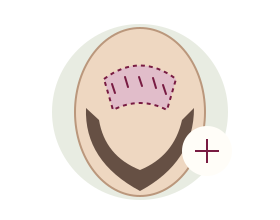
The area to cover
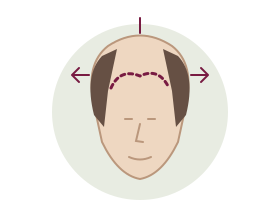
A receding hairline and a larger crown area need different plans. Measurements help define the area being treated.
FUE collects small groups of hair follicles individually from a donor area. Find out how the procedure works and what your donor hair can realistically provide.
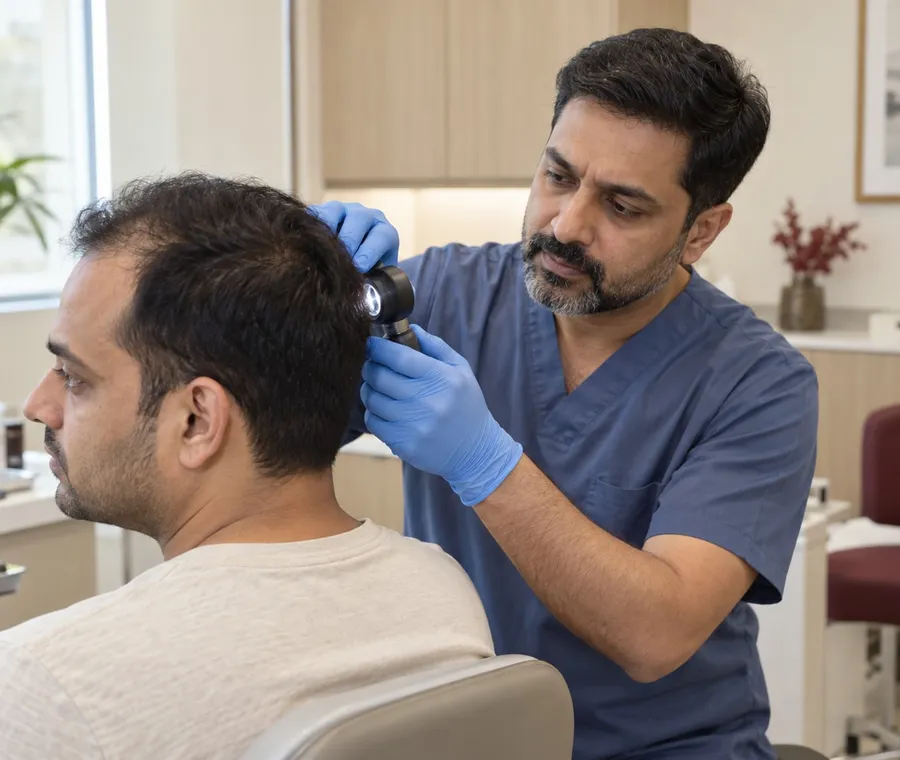
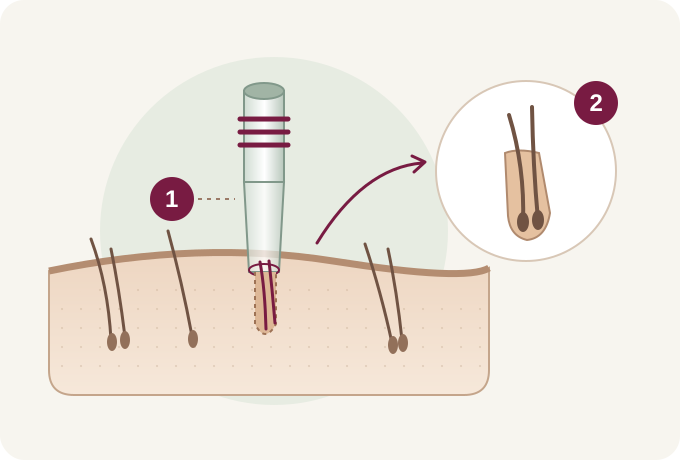
FUE stands for follicular unit excision, also commonly called follicular unit extraction. A surgeon uses a small circular punch to free individual follicular units from the donor scalp. The grafts are then prepared for placement into the thinning area.
A follicular unit is a natural group of hairs with surrounding tissue. FUE describes how that graft is collected. Placement may involve different tools, including an implanter.
FUE is surgery. It leaves small round donor scars and does not create a new supply of hair.
A receding hairline and a larger crown area need different plans. Measurements help define the area being treated.
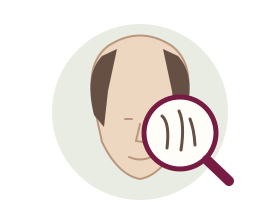
Density, hair thickness and previous surgery affect the supply. Removing too much can leave the donor area visibly thin.
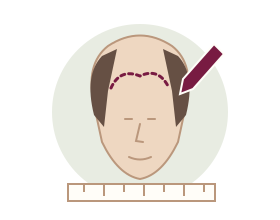
Your surgeon balances present coverage with possible future loss. A graft estimate should be based on examination, not a photograph or grade alone.
Grafts and hairs are different counts: a graft can contain more than one hair. Ask your surgeon to explain both the estimate and its limits.
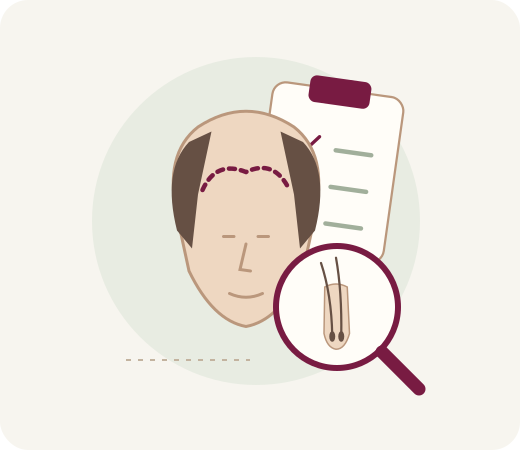
Pattern hair loss is a common reason to consider surgery. Sudden shedding, active scalp disease or unexplained patches need assessment first.
Your surgeon checks the density and quality of donor hair and the scalp's ability to support a transplant.
Age, ongoing hair loss and your goals matter. Medical care or waiting may be a better first step when loss is still changing rapidly.
An assessment can also help you compare FUE with other collection methods or non-surgical care.
Discuss the hairline, coverage, donor limits and who will perform the surgical steps.
Share medicines and medical history. Follow your clinic's individual preparation instructions; do not stop prescribed medicine on your own.
The donor area is usually trimmed and local anaesthetic is used. Your team checks comfort before proceeding.
A circular punch frees each selected follicular unit. Grafts are checked and kept ready for placement.
Small recipient sites are made and the prepared grafts are placed according to the agreed design. The visit length depends on the plan.
The clinic explains washing, sleeping and returning to exercise. Avoid rubbing or picking at the treated areas.
Contact the clinic promptly about severe or worsening pain, discharge, fever or other unexpected symptoms.

Tenderness, swelling and scabbing can occur. Plan time away from work and strenuous activity with your surgeon.
Transplanted hairs may shed in the weeks after surgery. New growth develops gradually over the following months.
Progress is reviewed with photographs. Existing hair can continue to thin, so a medicine-based plan may still have a role.
Bleeding, infection, anaesthetic reactions, visible scars and poor graft growth are possible. Your surgeon should explain the risks for your situation and how problems would be managed.
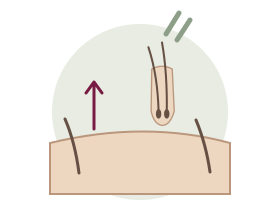
Grafts are collected one at a time, allowing the surgeon to distribute collection across the planned donor area.
FUE avoids the long donor incision used in strip collection. Small round scars remain and may show with very short hair.
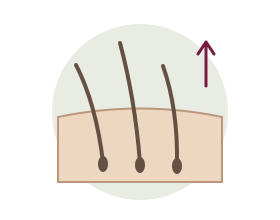
Your own follicles can provide fuller-looking coverage. The achievable result depends on the donor supply, design, healing and continued hair loss.
Explore hair restoration journeys at Layers. Choose a case, then move the divider to compare its before-and-after photographs.
Let’s talk about your goalsIndividual results vary. Photos show specific cases and do not guarantee the same outcome. Your doctor can explain what may be possible for you.
Hair-transplant experiences from Layers patients, including reviews of combined hair care. These are not all specific to FUE.
“My hair transplant was done very well by Dr. Ramya mam and Mr. Ravi well experienced staff”
“I had my hair transplant done at Layers Skin and Hair Clinic, Kondapur, and I couldn't be happier with the results!”
“A special thanks to Soumya, Teja, and Vijay for their exceptional support and professionalism throughout my hair transplant procedure.”
“I had a wonderful experience. I came to this branch for Hair Transplant and it went very well.”
“Visited here for the hair transplantations results are super this is my 5th month running”
Progress shared at month five; the reviewer also mentions care for existing hair.
“Took hair hair transplantation in layers prive results so far is good and continuing with QR678 and GFC treatment combination”
This review describes ongoing combined transplant, QR678 and GFC care.
















They describe different stages. FUE is a method of collecting donor grafts. DHI describes placement using an implanter. A plan can use individual FUE collection followed by implanter placement.
No. Small round scars remain where grafts are collected. Their visibility depends on the collection pattern, healing and hairstyle. Over-collection can also leave the donor area looking thin.
The donor area is commonly trimmed to help collection. Whether a limited or less visible shave is practical depends on your hair and the proposed procedure. Discuss this before booking.
No. Donor hair is limited. A useful plan balances achievable coverage, safe collection and the possibility of future hair loss.
Previous surgery changes the available donor supply and scarring. A surgeon needs to examine both the donor area and existing transplant before recommending more surgery.
Growth develops over months. Many people see a change within the first year, but the final appearance may take longer. Keep your planned reviews and discuss changes using comparable photographs.
Both collect hair for transplantation, but their donor scars and practical trade-offs differ. Ask your surgeon to compare them for your donor density, previous surgery, preferred hairstyle and coverage goals.
Ask the clinic to identify the surgeon responsible for assessment, planning and surgical steps, and to explain the team's roles and follow-up arrangements before you decide.
Discuss whether FUE fits your hair-loss pattern, donor hair and expectations.
Prefer a call? +91 9000 572727