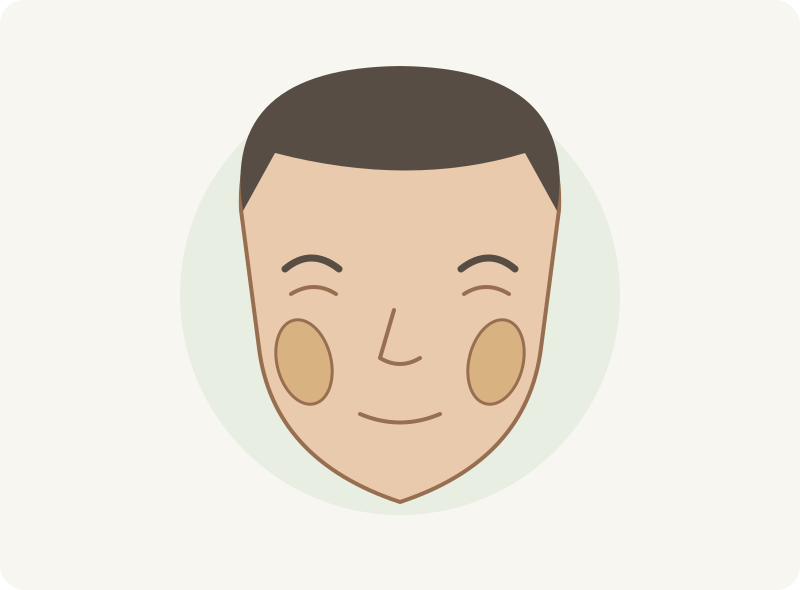
Fat and soft tissue
The buccal pads are only one part of facial volume. Surface fat, skin and natural proportions also affect fullness; removing one pad cannot address every cause.
Full cheeks can have different causes. Learn what buccal fat removal changes, who it may suit and why the decision needs a long-term view.
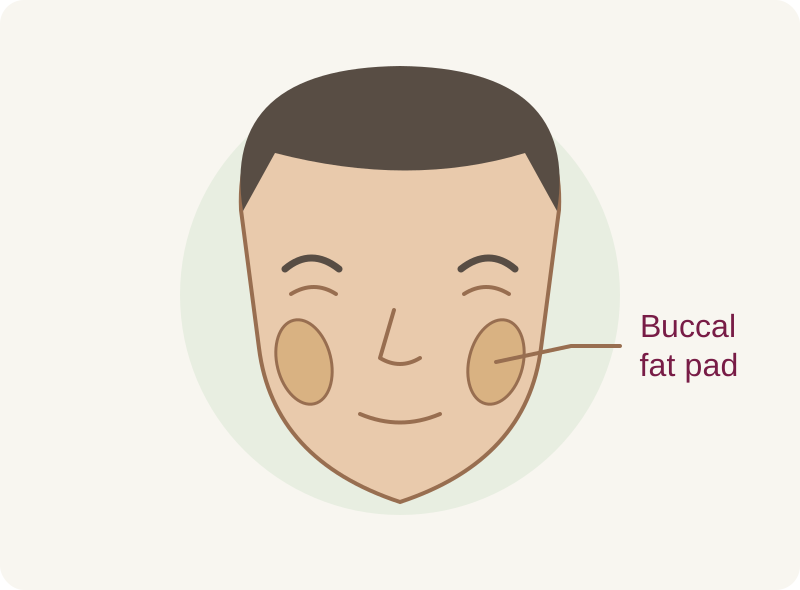
Buccal fat pads sit deep within the cheeks and contribute to their fullness. Surgery removes a selected amount of this fat to reduce fullness below the cheekbones. It is also called buccal lipectomy or cheek reduction.
The aim is a change in cheek contour, not weight loss. It does not reshape the cheekbones or tighten loose skin, and a fuller face does not automatically mean this operation is suitable.
The buccal pads are only one part of facial volume. Surface fat, skin and natural proportions also affect fullness; removing one pad cannot address every cause.
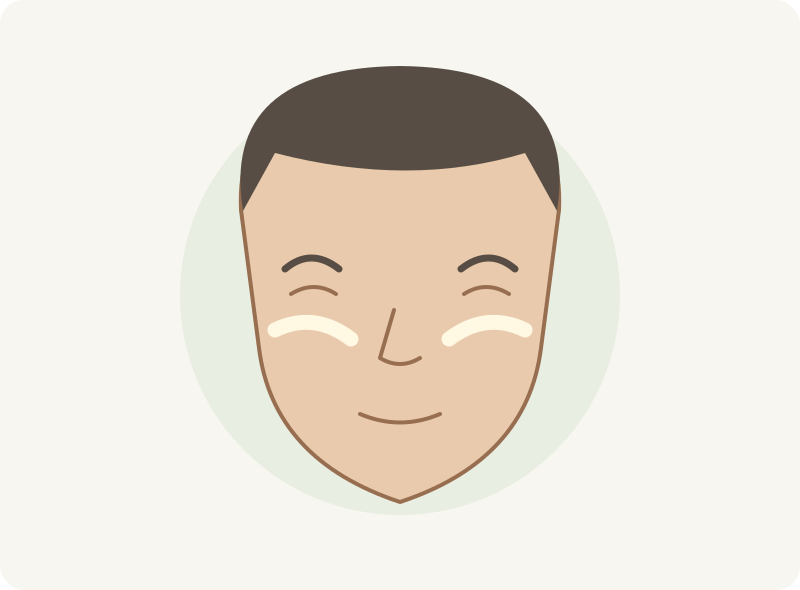
Cheekbone and jaw shape contribute to facial width and definition. Buccal fat removal does not make these bones smaller or change their position.
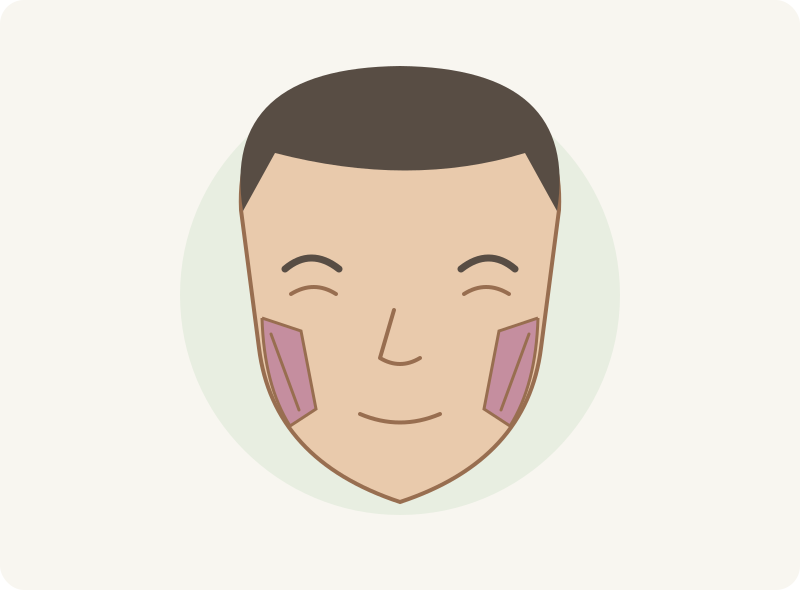
The chewing muscles also affect the lower-face outline. A wider jaw area needs assessment before attributing it to cheek fat.
A healthy adult with persistent cheek fullness and realistic goals may discuss the operation. Choose for your own reasons, with time to consider recovery and alternatives.
A narrow face, existing hollows or age-related volume loss may make removal unsuitable. The surgeon assesses whether reducing fat could leave the cheeks looking too hollow.
Share medicines, nicotine use, dental problems and any previous facial surgery or injections. Active health or mouth problems may need attention before a cosmetic operation.
Facial volume changes naturally over time. A reduction that suits a face today may look different as other tissues lose volume. Preserving enough fullness is part of planning, not an afterthought.
Removed fat cannot simply be put back. Further procedures may address selected concerns, but cannot promise a return to your original appearance. Keeping your natural cheek shape is also a valid choice.
The surgeon examines facial proportions and symmetry, reviews your history and explains the change that may be achievable. Ask why the buccal fat pad is thought to be the cause.
Discuss the proposed amount of reduction, anaesthesia, surgical setting, transport and follow-up. Use the preparation instructions given for your operation; do not change prescribed medicines on your own.
The anaesthetic plan depends on the procedure and whether it is combined with another operation. Access is usually through the inner cheek, so a standalone operation normally has no external skin incision.
The surgeon reduces the selected fat and closes the incision, often with dissolving stitches. The team checks you and gives aftercare instructions before discharge.
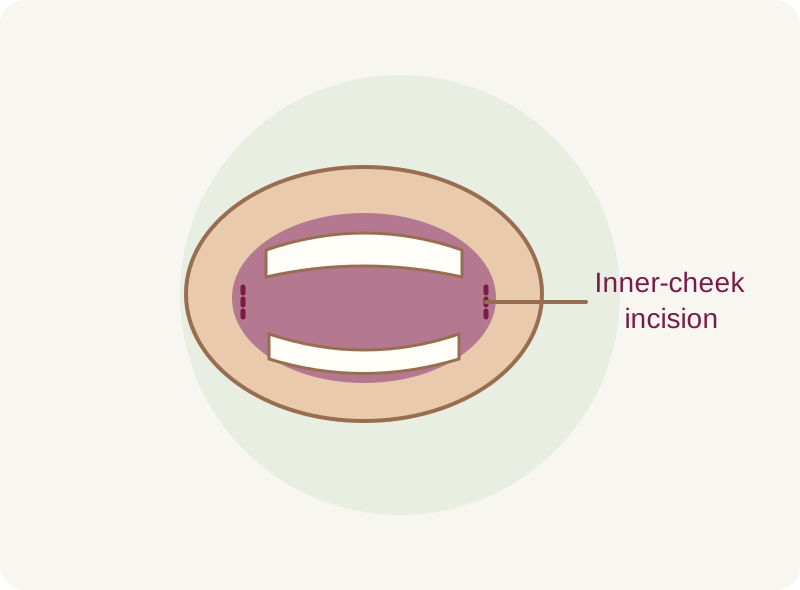
Use prescribed mouth care and follow advice on liquids or softer food. Avoid disturbing the stitches with your tongue, fingers or hard food.
Follow your team’s guidance on activity, sleeping and returning to work. Keep follow-up appointments and report worsening symptoms instead of waiting for a routine review.

Cheeks can be swollen, bruised and tender at first, and eating may feel different. Plan time for recovery even when the incision is inside the mouth and cannot be seen from outside.
Healing and contour settling are separate stages. Swelling may take weeks to reduce, with the fuller picture emerging over the following months. Your surgeon should guide activity and assess the result after adequate healing.
Nearby facial nerve branches or a salivary duct can be injured. This may affect facial movement or the flow of saliva and can require further care.
Bleeding, infection, prolonged swelling, numbness, persistent pain and poor wound healing can occur. Anaesthetic and general surgical risks also apply.
The result can be uneven, barely noticeable or more hollow than intended. Revision has limits, and more removal is not necessarily better.
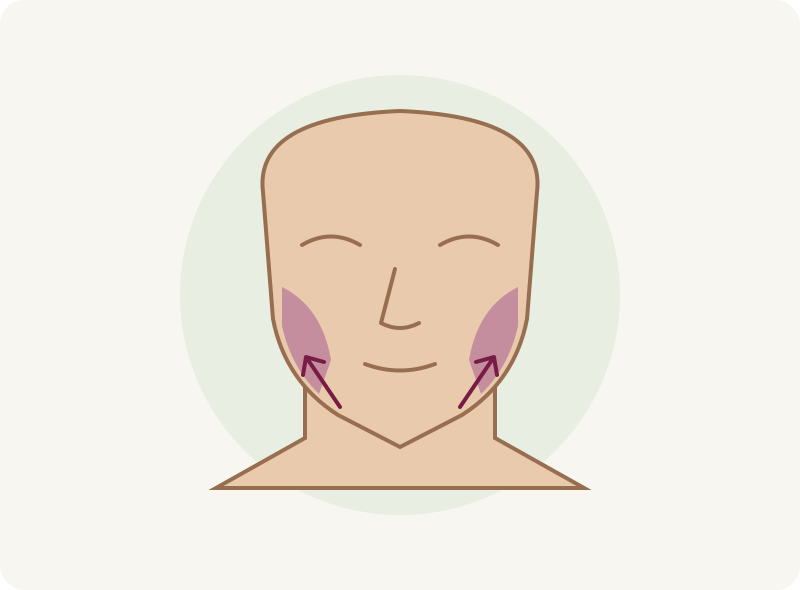
Loose facial skin and jowls need a separate assessment. Removing cheek fat does not replace a lifting procedure.
Understand facelift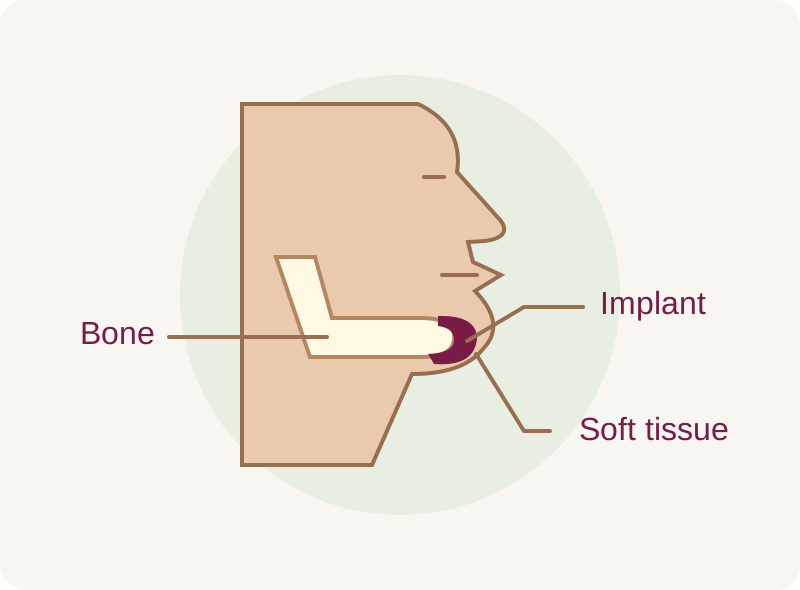
A chin that sits back is a different concern from cheek fullness. Explore how chin projection is assessed.
Understand chin augmentationThese Google reviews describe general consultations and care at Layers. They are not buccal fat removal outcome reports.
“The doctors listened carefully to my concerns and explained the treatment in a clear and professional manner.”
Consultation experience; condition not specified.
“She explained the treatment clearly and made me feel comfortable throughout the consultation.”
Consultation experience; condition not specified.
“The doctor took the time to understand my skin concerns and explained the treatment plan clearly, without rushing.”
Consultation experience; condition not specified.
“Very patient ,humble and polite to answer every single query and build confidence.”
Consultation experience; condition not specified.
“The doctors explained everything clearly and made me feel comfortable and confident.”
Consultation experience; condition not specified.
“The doctor took the time to listen to my concerns patiently and explained the treatment options clearly.”
Consultation experience; condition not specified.
















No. It removes selected fat from a specific cheek area. It is not a treatment for overall weight or every type of facial fullness.
The usual standalone approach uses an incision inside the mouth. There is still a healing wound and internal scar, even without a visible skin incision.
That is a concern to discuss before surgery. Faces naturally change with age, and removing volume can be unsuitable when the cheeks are already narrow or losing fullness.
The removed tissue does not simply return. Weight change and ageing can still alter surrounding facial tissues and the overall appearance.
No. Buccal fat removal targets a defined deeper fat pad. Liposuction is a different technique; the assessment should identify which tissue, if any, needs treatment.
No. It does not directly tighten skin or lift sagging tissues. If looseness is the main concern, removing volume may not help.
No. Early swelling can obscure the change. Allow the healing and review period recommended by the surgeon before judging the contour.
Ask whether your fullness comes from the buccal pad, why removal is appropriate, how much volume would be preserved, and how the surgeon manages nerve, duct and contour complications.
Understand your facial shape, the proposed change and its long-term implications before choosing surgery.
Prefer a call? +91 9000 572727