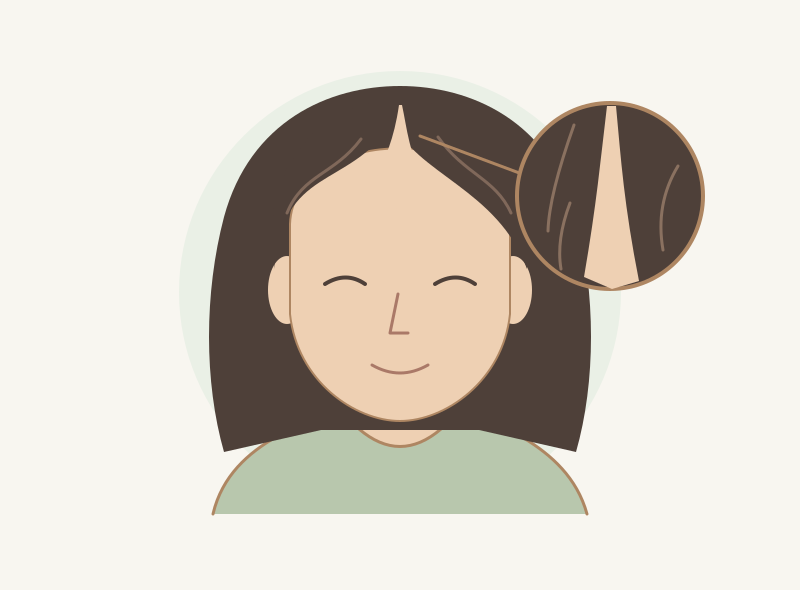
A wider part or thinning crown
Gradual changes can occur with inherited pattern hair loss. Treatment may aim to keep existing hair and support thicker growth.
A wider part or thinner crown can have more than one cause. Start by understanding your hair, then choose care that fits the diagnosis.
This depends on why the hair has changed and the condition of the follicles. Some temporary shedding settles after its trigger passes. Gradual pattern thinning often needs a longer-term plan.
Regrowth care aims to support follicles that can still produce hair. Improving hair thickness, reducing further loss and maintaining coverage can all be useful goals.
A regrowth treatment cannot replace follicles destroyed by scarring. The cause matters before choosing a procedure.
Gradual changes can occur with inherited pattern hair loss. Treatment may aim to keep existing hair and support thicker growth.
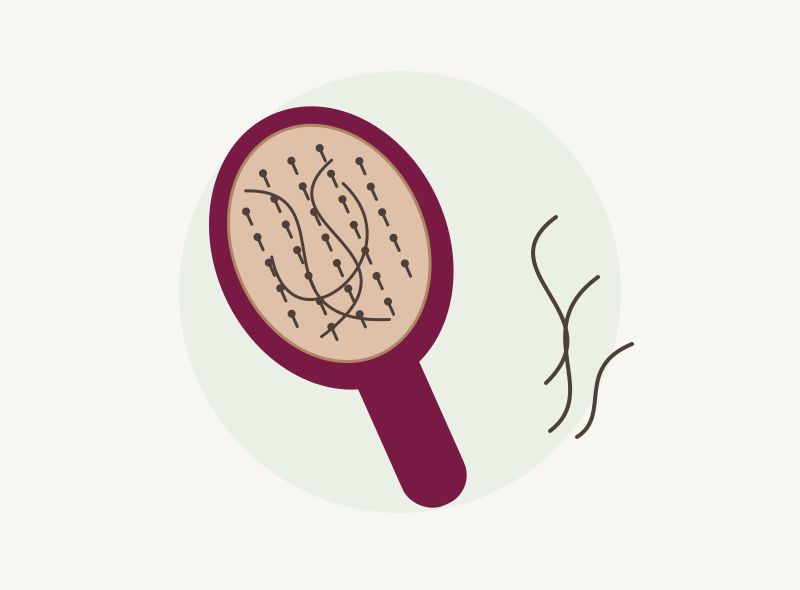
Shedding may follow illness, childbirth, stress or changes in nutrition. Understanding the timeline helps identify possible triggers.
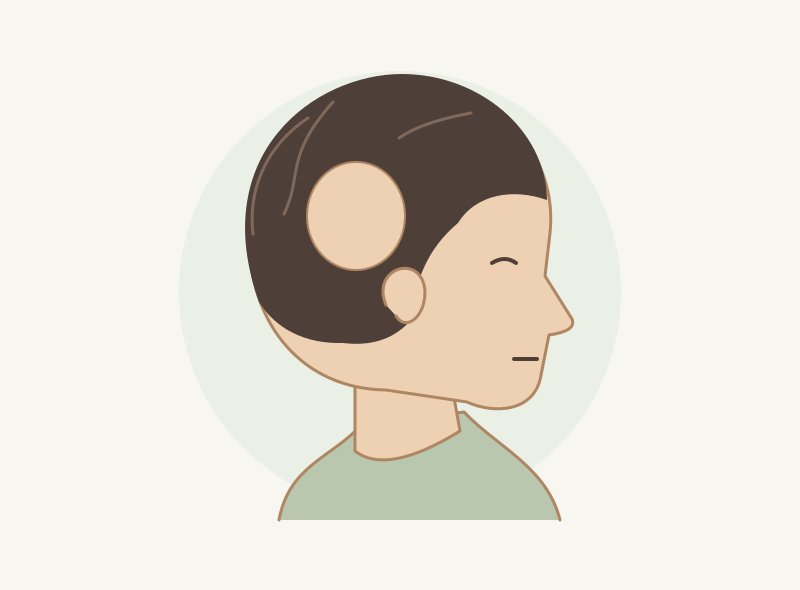
Sudden patches, pain, scaling or broken hairs need a scalp examination. They may require care other than a routine regrowth plan.
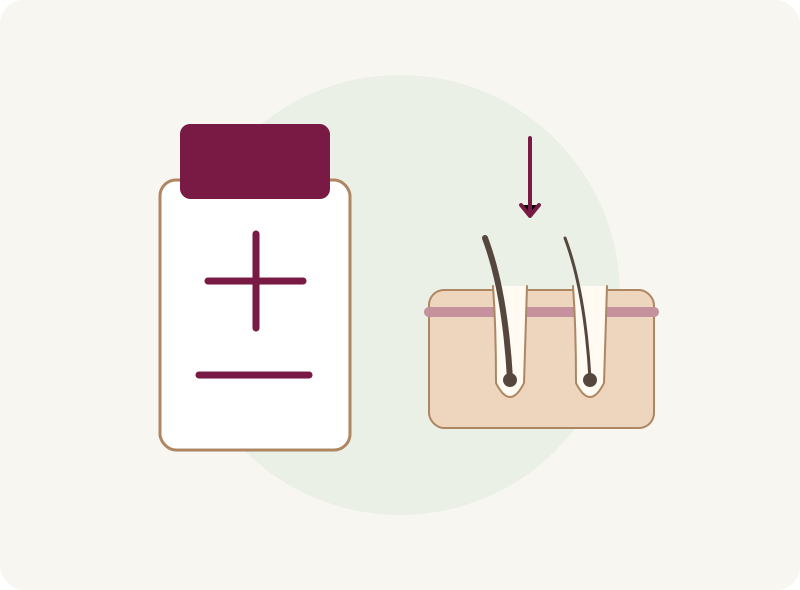
Medicines such as minoxidil, and selected prescriptions, may be considered for pattern loss. Suitability depends on your health and diagnosis.
Understand hair-loss care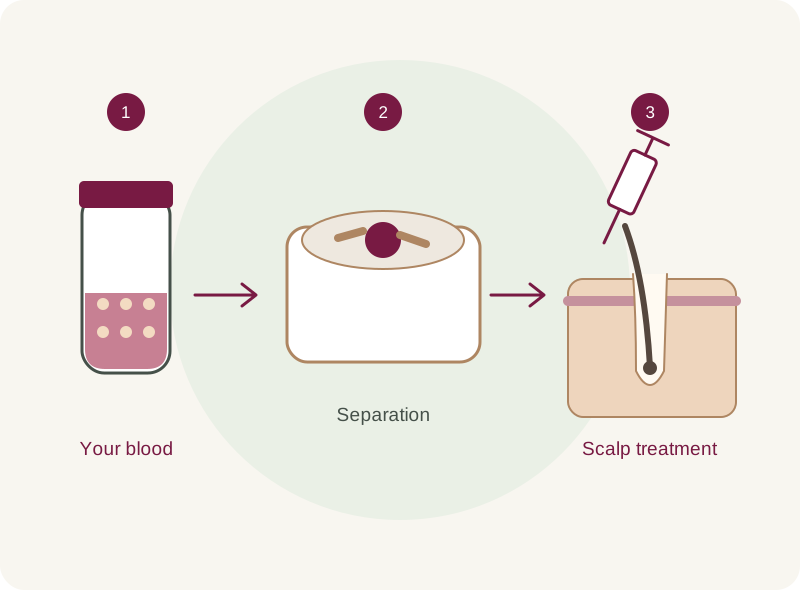
PRP uses a platelet-rich preparation from your blood. It may be included in a plan for selected hair thinning.
Explore PRP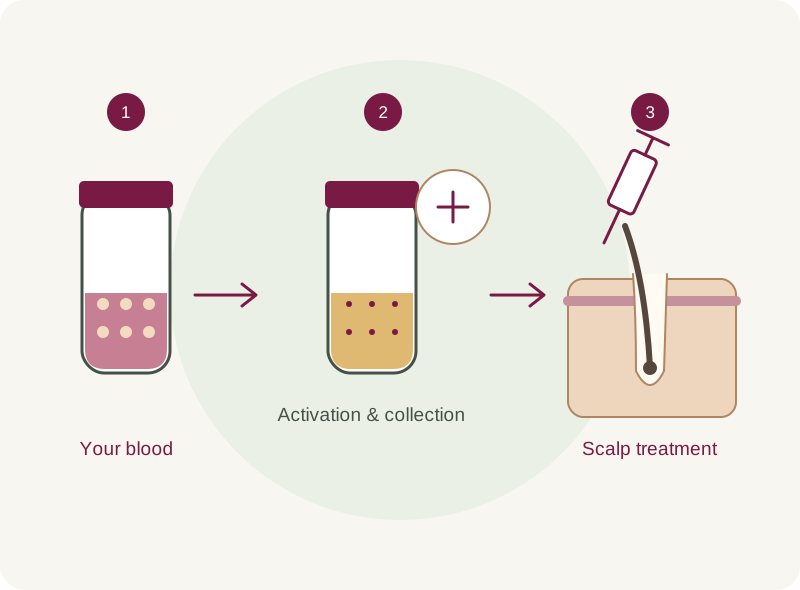
GFC uses a different blood-processing method. Discuss its evidence, the proposed preparation and whether it adds value to your care.
Explore GFC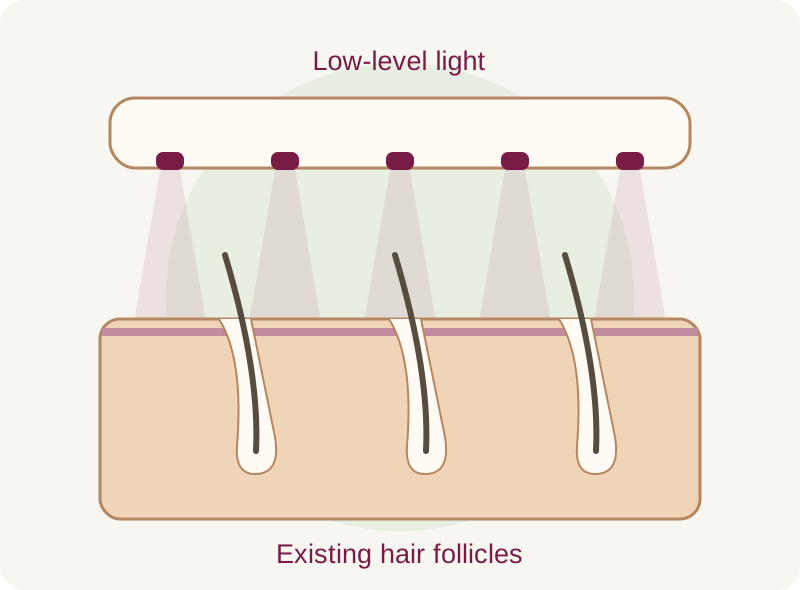
Selected devices may help some people with pattern thinning. Regular use and device-specific instructions matter.
Explore light therapy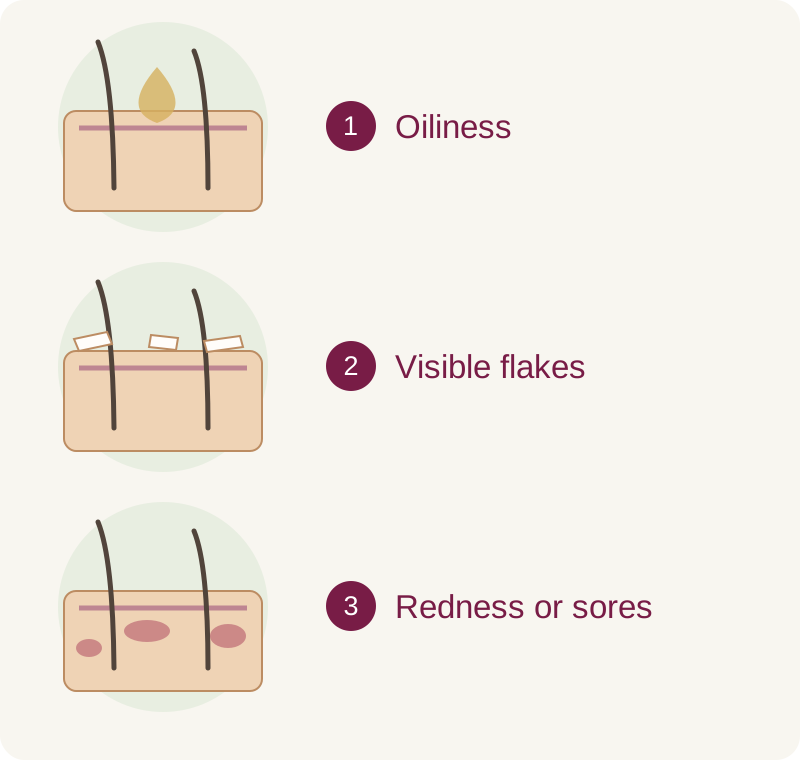
Treating inflammation or another scalp condition may be the first step. A peel is only one possible form of surface care.
Explore scalp care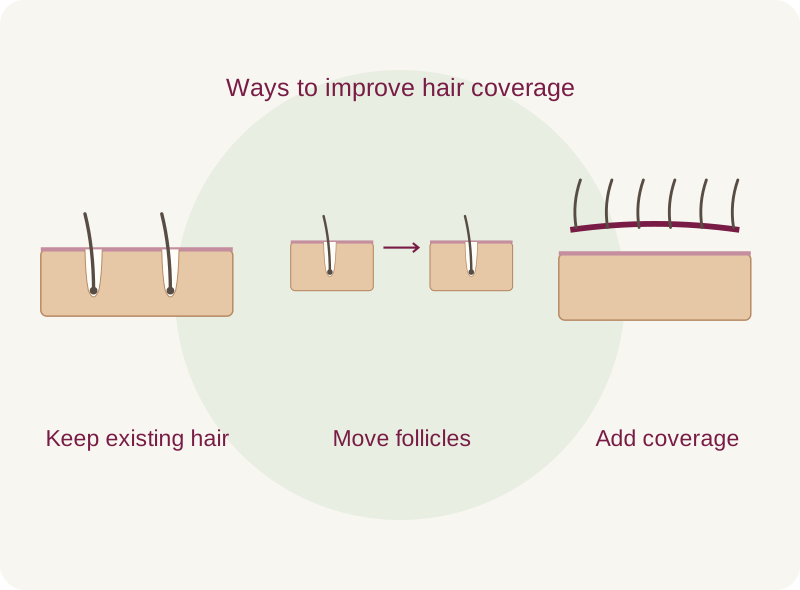
Compare regrowth care with surgery and external coverage to understand their different goals.
Explore hair restorationBring older photographs and note when thinning or shedding began. Include recent illness, childbirth, diet changes and previous treatments.
List medicines and supplements. Mention pregnancy or breastfeeding plans so the advice can be tailored to you.

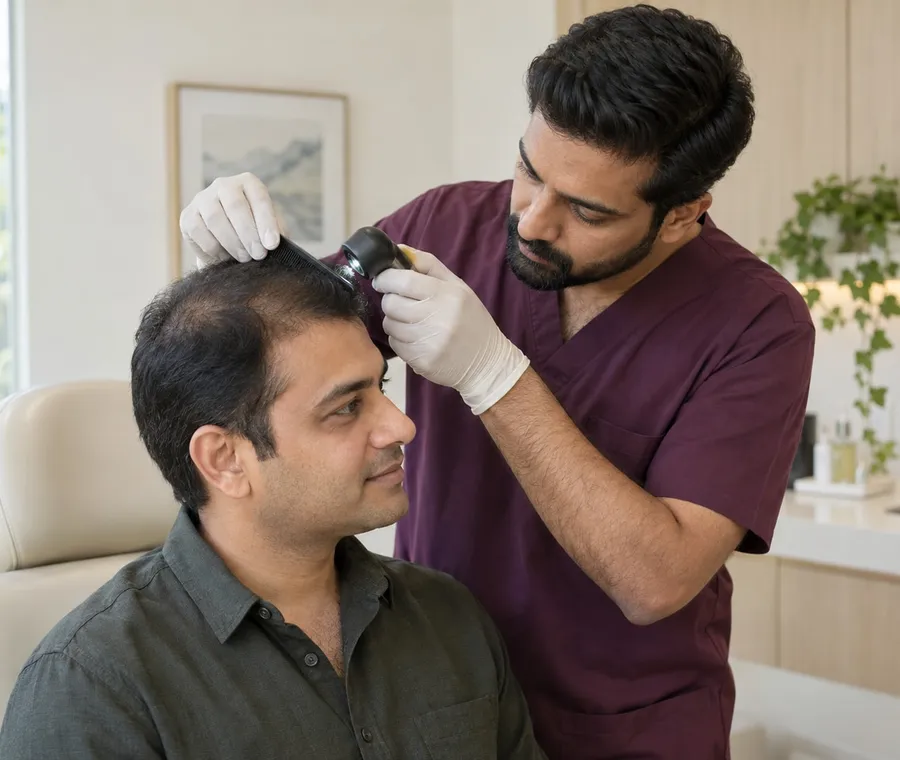
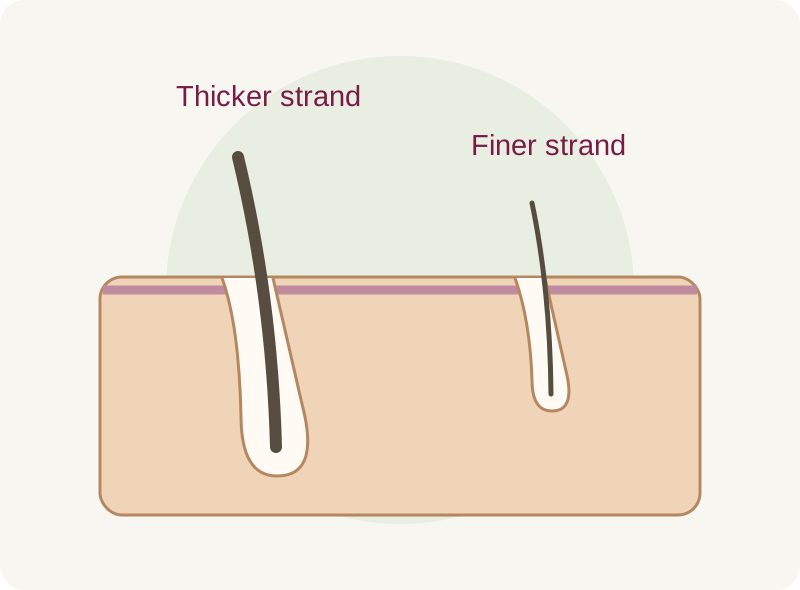
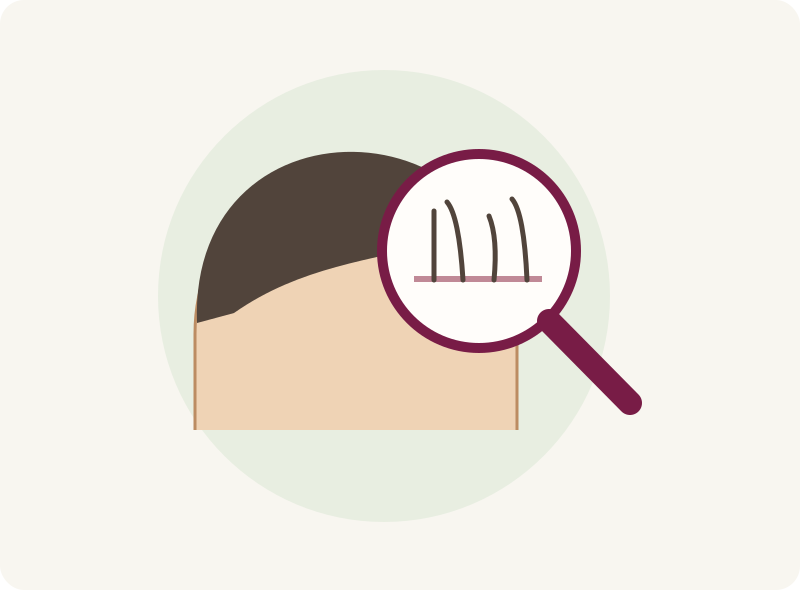
The dermatologist examines hair density, strand thickness and scalp health. Tests are considered when the history or findings suggest a need.
Discuss whether the priority is reducing loss, supporting regrowth or improving visible coverage, and what each option involves.
Use treatments as directed and report side effects. Do not add or change prescriptions without discussing the plan.
Use similar lighting, hairstyle and camera angles. Your doctor reviews whether the treatment is helping and what maintenance may be needed.

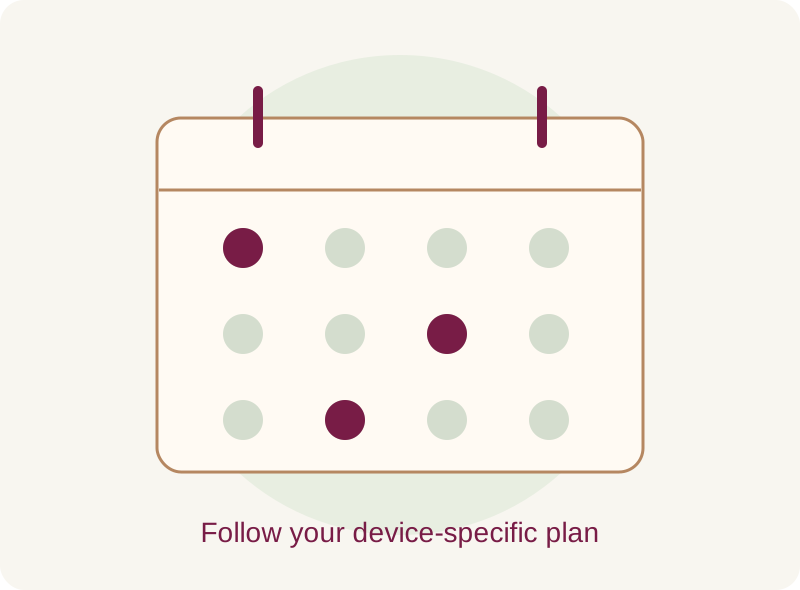
The hair growth cycle is slow. A single visit or a few days of treatment cannot establish whether regrowth is happening.
Density, strand thickness, scalp comfort and standardised photographs help assess progress alongside shedding.
Some treatments need ongoing use to retain their benefit. Ask what happens if a treatment is stopped.
If useful regrowth is unlikely, transplantation or a hair system may offer another way to improve coverage.
Before-and-after photographs from hair-fall care at Layers. Each person’s treatment plan differs; these images do not establish the result of one specific regrowth method.
Let’s talk about your goalsIndividual results vary. Photos show specific cases and do not guarantee the same outcome. Your doctor can explain what may be possible for you.
Related hair-care experiences at Layers, including PRP, GFC and thinning care.
“I underwent GFC and PRP treatment for hair loss and had a very positive experience.”
Combined PRP and GFC hair care.
“This was my first GFC treatment, and I'm very happy with my decision.”
GFC hair care.
“Excellent experience from consultation to treatment. The GFC procedure was explained clearly, and the doctors were very knowledgeable.”
GFC hair care.
“I am currently undergoing GFC (Growth Factor Concentrate) treatment at Layers and my experience so far has been highly satisfactory!”
GFC hair care.
“They suggested me GFC treatment and I experienced good results.”
GFC hair care.
“Most importantly, I’m seeing amazing results for my hair thinning treatment.”
Hair-thinning care.
“I noticed visible improvements in my skin texture and a significant reduction in hair fall within just a few sessions.”
Hair-fall and skin care.








No. The cause, duration and condition of the follicles affect what is possible. Scarred areas and long-standing loss may need a different approach from early thinning.
Not everyone does. Medical care, addressing a trigger or treating scalp disease may be more appropriate. A procedure should have a clear role in your plan.
Hair changes are usually assessed over months. The review interval depends on the treatment and diagnosis. Ask what improvement would count as a useful response.
Supplements may be useful when a relevant deficiency is identified. They are not a universal treatment for thinning. Excessive amounts of some supplements can be harmful.
Some treatments only maintain their benefit with continued use. Temporary shedding has a different course. Your doctor can explain the expected pattern for your diagnosis.
A transplant moves donor follicles to improve coverage. It does not stop all further thinning of existing hair, so medical care may still be discussed.
Arrange a review for ongoing thinning or shedding, sudden patches or scalp symptoms. Pain, crusting or a rapidly changing area should be checked promptly.
Bring your questions about regrowth, treatment choices and ongoing care.
Prefer a call? +91 9000 572727