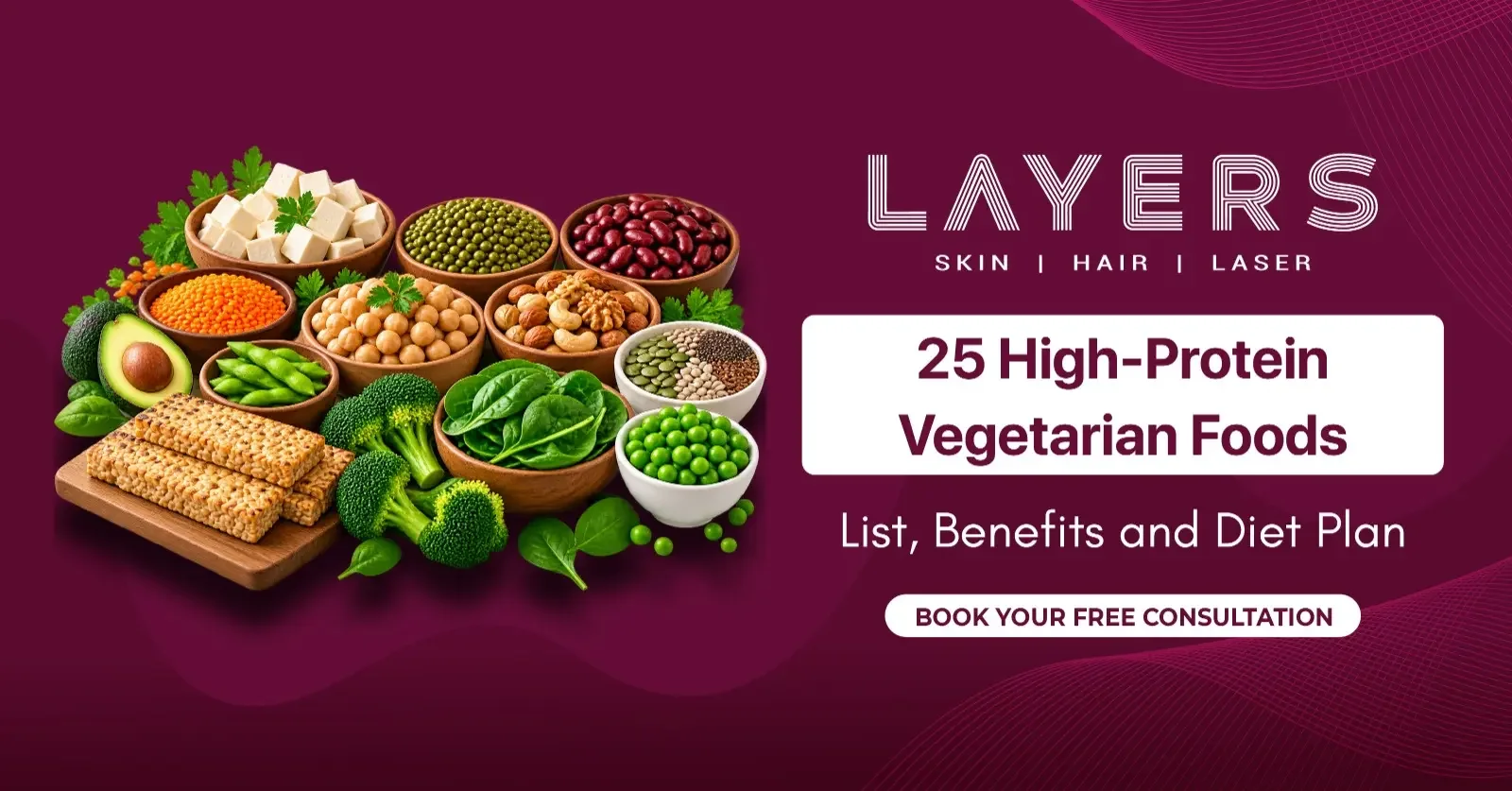
High protein vegetarian foods can help you meet your daily protein requirements without eating meat or fish. From traditional Indian foods such as dal, chickpeas and paneer to plant-based options such as tofu and soya chunks, there are plenty of ways to add protein to your everyday meals.
Protein is an essential nutrient that helps build and maintain muscles, repair body tissues and support normal body functions. Including a variety of protein-rich foods in your diet can help you maintain a balanced eating pattern while enjoying familiar Indian dishes.
But which vegetarian foods contain the most protein? How much protein do dal, paneer and soya chunks provide? And how can you create a high protein vegetarian diet using affordable ingredients?
This guide explores 25 high protein vegetarian foods, their approximate protein content, practical serving suggestions and a simple Indian vegetarian meal plan.
| Key Takeaways: High protein vegetarian foods such as soya chunks, paneer, tofu, lentils, chickpeas and nuts can help you meet your daily protein requirements. Explore 25 protein-rich vegetarian foods, their approximate protein content, affordable Indian protein sources, health benefits and a simple vegetarian diet plan to support balanced nutrition and everyday wellness. |
25 High Protein Vegetarian Foods
1. Soya Chunks
Soya chunks are among the most protein-dense vegetarian foods commonly available in India. They are made from defatted soy flour and can be used in several everyday recipes.
Protein content: Approximately 45–52 g per 100 g in dry form, depending on the product.
How to eat them: Add soya chunks to vegetable pulao, prepare soya curry or use them in a homemade filling for wraps.
2. Paneer
Paneer is a popular dairy-based protein source in Indian households. It also provides calcium, although its fat and calorie content depends on the milk used and the preparation method.
Protein content: Approximately 14–20 g per 100 g, depending on the product.
How to eat it: Try paneer bhurji, grilled paneer, paneer tikka or paneer with mixed vegetables.
3. Tofu
Tofu is made from soybeans and provides a plant-based alternative to paneer. Its protein content varies according to firmness and preparation.
Protein content: Approximately 8–17 g per 100 g, depending on the variety.
How to eat it: Add tofu to curries, stir-fries, wraps or vegetable bowls.
4. Lentils (Dal)
Toor dal, moong dal, masoor dal and urad dal are everyday sources of plant protein. They also provide fibre and minerals.
Protein content: Approximately 7–9 g per 100 g cooked.
How to eat them: Include dal with rice, roti or millet-based meals. A thicker dal generally provides more protein per bowl than a diluted preparation.
5. Chickpeas (Chana)
Chickpeas provide plant protein and fibre, making them a versatile ingredient for vegetarian meals.
Protein content: Approximately 8–9 g per 100 g cooked.
How to eat them: Prepare chana masala, boiled chickpea salad, hummus or roasted chana.
6. Kidney Beans (Rajma)
Rajma is a familiar
food that supplies protein, carbohydrates and fibre.
Protein content: Approximately 8–9 g per 100 g cooked.
How to eat them: Serve rajma curry with rice or roti and a portion of vegetables.
7. Black Chickpeas (Kala Chana)
Kala chana is an affordable source of plant protein and works well in breakfast dishes, snacks and main meals.
Protein content: Approximately 8–9 g per 100 g cooked.
How to eat it: Try boiled kala chana chaat, kala chana curry or a cooked legume salad.
8. Green Gram (Moong)
Whole green gram and split moong dal are useful vegetarian protein sources. Their nutritional values vary depending on whether they are dry, cooked or sprouted.
Protein content: Approximately 7 g per 100 g cooked whole moong, depending on preparation.
How to eat it: Make moong dal, pesarattu, moong chilla or a cooked moong salad.
9. Cowpeas (Lobia)
Cowpeas provide protein, fibre and minerals. They can add variety to vegetarian meals without requiring specialty ingredients.
Protein content: Approximately 7–8 g per 100 g cooked.
How to eat them: Prepare lobia curry or combine cooked cowpeas with vegetables and lemon.
10. Green Peas
Green peas provide protein alongside carbohydrates, fibre and vitamins.
Protein content: Approximately 5–6 g per 100 g cooked.
How to eat them: Add peas to poha, upma, pulao, soups or vegetable curries.
11. Soybeans
Whole soybeans are a useful source of plant protein and can be incorporated into a variety of dishes.
Protein content: Approximately 16–18 g per 100 g cooked, depending on preparation.
How to eat them: Use thoroughly cooked soybeans in curries, salads or mixed-bean dishes.
12. Milk
Milk provides protein and calcium and can be included by people who consume dairy products.
Protein content: Approximately 3–3.5 g per 100 ml.
How to consume it: Drink milk with breakfast or add it to oats and porridge.
13. Curd (Dahi)
Curd is a common dairy food that contributes protein and calcium. Its protein content depends on the milk and preparation method.
Protein content: Approximately 3–4 g per 100 g of regular curd.
How to consume it: Serve curd with meals, prepare vegetable raita or use it as a base for savoury dips.
14. Greek Yogurt or Hung Curd
Greek yogurt and hung curd are thicker than regular curd because some liquid has been removed. Their protein content varies by product and preparation.
How to consume them: Add them to breakfast bowls, serve them with fruit or use them in dips. Check product labels when comparing protein content.
15. Peanuts
Peanuts provide plant protein and unsaturated fats. They are energy-dense, so portion size matters when planning a balanced diet.
Protein content: Approximately 24–26 g per 100 g.
How to eat them: Choose a measured portion of roasted peanuts or add a small quantity to poha and chutney.
16. Almonds
Almonds contain protein, healthy fats, fibre and vitamin E.
Protein content: Approximately 20–22 g per 100 g.
How to eat them: Add a small portion to oats, curd or a snack mix.
17. Pumpkin Seeds
Pumpkin seeds supply protein, fats and minerals.
Protein content: Approximately 25–30 g per 100 g, depending on the product.
How to eat them: Sprinkle pumpkin seeds over oats, salads or curd.
18. Chia Seeds
Chia seeds contain protein, fibre and plant-based omega-3 fatty acids. Because typical portions are small, they should complement rather than replace major protein sources.
Protein content: Approximately 16–17 g per 100 g.
How to eat them: Add a spoonful to overnight oats, curd or chia pudding.
19. Sesame Seeds
Sesame seeds provide some protein, unsaturated fats and minerals.
Protein content: Approximately 17–18 g per 100 g.
How to eat them: Use sesame chutney or add a small amount to vegetable dishes.
20. Cashews
Cashews contain protein, unsaturated fats and minerals.
Protein content: Approximately 18 g per 100 g.
How to eat them: Enjoy a modest portion as a snack or add them to vegetable dishes.
21. Oats
Oats provide protein and soluble fibre, making them a useful breakfast ingredient.
Protein content: Approximately 12–14 g per 100 g dry.
How to eat them: Prepare savoury oats with peas, overnight oats with milk or a vegetable oats chilla.
22. Quinoa
Quinoa is a grain-like seed that provides protein and fibre. Its protein content per 100 g decreases after cooking because it absorbs water.
Protein content: Approximately 4–5 g per 100 g cooked.
How to eat it: Use cooked quinoa in place of rice or combine it with chickpeas and vegetables.
23. Besan (Gram Flour)
Besan is made from chickpeas and can be used to prepare protein-containing vegetarian meals.
Protein content: Approximately 20–22 g per 100 g dry.
How to eat it: Make besan chilla, savoury pancakes or suitable gram-flour vegetable preparations.
24. Sprouted Legumes
Sprouted moong and other legumes add variety to vegetarian meals. Their protein content depends on the pulse and preparation method.
How to eat them: Add properly prepared sprouts to chaat or cook them into curries. Thorough cooking is safer than eating raw sprouts, particularly for people at higher risk of foodborne illness.
25. Lentil- or Chickpea-Based Pasta
Pasta made from lentils, chickpeas or peas can provide more protein than some conventional wheat-based varieties.
How to eat it: Check the nutrition label and combine the pasta with vegetables for a balanced meal.
Protein Content of Vegetarian Foods per 100 g
The table below compares common vegetarian protein sources. These values are approximate and vary by variety, brand and preparation.
| Food | Approximate protein |
| Soya chunks, dry | 45–52 g |
| Pumpkin seeds | 25–30 g |
| Peanuts | 24–26 g |
| Besan, dry | 20–22 g |
| Almonds | 20–22 g |
| Paneer | 14–20 g |
| Tofu | 8–17 g |
| Cooked chickpeas | 8–9 g |
| Cooked kidney beans | 8–9 g |
| Cooked lentils | 7–9 g |
| Cooked green peas | 5–6 g |
| Milk | 3–3.5 g per 100 ml |
Important: Dry and cooked food values should not be compared directly. Pulses and soya chunks absorb water during cooking, changing their protein content per 100 g. Check packaged-food labels for precise values.
How Much Protein Do You Need Every Day?
Protein requirements vary according to body weight, age, activity level, health status and life stage.
As a general reference, the Indian Council of Medical Research–National Institute of Nutrition recommends approximately 0.83 g of protein per kilogram of body weight per day for healthy adults.
For illustration:
- 50 kg body weight: approximately 42 g protein daily.
- 60 kg body weight: approximately 50 g protein daily.
- 70 kg body weight: approximately 58 g protein daily.
These figures are general estimates, not personalised dietary prescriptions. Athletes, pregnant or breastfeeding individuals, older adults and people with certain medical conditions may need individual guidance.
Including different protein sources throughout the day is a practical way to help meet your requirements.
Affordable Vegetarian Protein Sources
You do not necessarily need expensive specialty foods to increase your protein intake. Several everyday ingredients are affordable and versatile.
- Soya chunks: Add them to curry, pulao or homemade fillings.
- Moong and masoor dal: Prepare dal, chilla or dosa-style dishes.
- Roasted chana: Keep a portion ready for a convenient snack.
- Kala chana: Make boiled chana chaat or curry.
- Besan: Prepare besan chilla for breakfast.
- Peanuts: Include a measured portion in snacks or chutney.
- Rajma and lobia: Prepare them in batches for meals.
Prices vary by city, brand and season. Comparing the cost per serving can help you identify options that fit your budget.
High Protein Vegetarian Diet Plan for a Day
· A practical vegetarian diet includes protein sources across breakfast, lunch, dinner and snacks.
| Meal | Example | Protein sources |
| Breakfast | Moong dal chilla with curd | Moong and curd |
| Mid-morning | Milk or plain yogurt | Dairy |
| Lunch | Rajma or chana with rice or roti | Pulses and grains |
| Evening snack | Roasted chana or a measured portion of peanuts | Legumes or nuts |
| Dinner | Tofu or paneer with vegetables and roti | Soy or dairy |
The total protein depends on portion sizes and preparation. This is an illustrative meal plan rather than a fixed calorie-controlled diet.
Other familiar combinations, such as idli with sambar, dosa with sambar and dal with rice, can also contribute to a balanced vegetarian eating pattern.
Benefits of Including Protein-Rich Foods
Supports Muscle Maintenance
Protein provides amino acids that the body uses to build and maintain muscle tissue. Adequate intake alongside suitable physical activity supports muscle maintenance and recovery.
Helps With Tissue Repair
The body uses protein to maintain and repair tissues. A balanced diet containing sufficient protein helps supply the amino acids needed for these functions.
Supports Normal Body Functions
Protein is involved in the structure and function of enzymes and many other components required for normal body processes.
Can Help Make Meals More Satisfying
Protein-containing meals may help some people feel fuller after eating. However, weight management also depends on overall food intake, physical activity, sleep and individual circumstances.
Tips for Getting More Protein From a Vegetarian Diet
- Include a protein source in your main meals, such as dal, chickpeas, tofu, paneer or curd.
- Rotate different pulses throughout the week instead of relying on one type.
- Choose soy foods when suitable for your dietary preferences.
- Combine cereals and pulses in familiar meals such as dal-rice and roti-chana.
- Pay attention to portions, particularly with nuts and seeds.
- Read packaged-food labels to compare protein per serving.
- Consult a qualified dietitian if you need a personalised diet plan.
People with kidney disease or certain other medical conditions may require individual dietary advice before significantly increasing protein intake.
Frequently Asked Questions
1. Which vegetarian food is highest in protein?
Dry soya chunks are among the most protein-dense commonly available vegetarian foods, often providing approximately 45–52 g per 100 g dry, depending on the product.
2. Which Indian vegetarian foods are rich in protein?
Soya chunks, paneer, tofu, lentils, chickpeas, rajma, kala chana and besan are useful choices. Milk and curd can also contribute protein for people who consume dairy.
3. Can vegetarians get enough protein without supplements?
Yes. Many people can meet their protein requirements through a varied diet containing pulses, legumes, soy products, dairy where consumed, nuts, seeds and grains.
4. Which vegetarian foods are useful for weight management?
Dal, chickpeas, beans, tofu, paneer in suitable portions and unsweetened curd can form part of a balanced weight-management diet. No single food guarantees weight loss.
5. What are good vegetarian protein sources for breakfast?
Moong dal chilla, besan chilla, oats prepared with milk, curd and tofu bhurji are examples of breakfast options that contribute protein.
6. How can I increase protein intake on a budget?
Dried pulses, lentils, chickpeas, kala chana, roasted chana, besan and soya chunks are practical options. Preparing meals at home can help manage food costs.
7. Is paneer or tofu better for protein?
Both provide protein, but their nutritional values vary by product. Paneer is dairy-based, while tofu is made from soybeans. Choose according to your dietary preferences and nutritional requirements.
8. Can a vegetarian diet support muscle growth?
Yes. A well-planned vegetarian diet can provide the protein and energy needed to support muscle growth alongside suitable resistance training and recovery.
Conclusion
High protein vegetarian foods are widely available in Indian kitchens. Soya chunks, dal, chickpeas, rajma, paneer, tofu, curd, nuts and seeds can all contribute to daily protein intake when eaten in appropriate portions.
The key is to choose a variety of foods, understand serving sizes and spread protein sources across the day. Traditional Indian meals can provide practical options without requiring expensive ingredients or supplements.
For personalised guidance on protein intake and dietary planning, consult a qualified dietitian or healthcare professional.
| Medical disclaimer: This article is for general educational purposes and is not a substitute for personalised medical or dietary advice. |