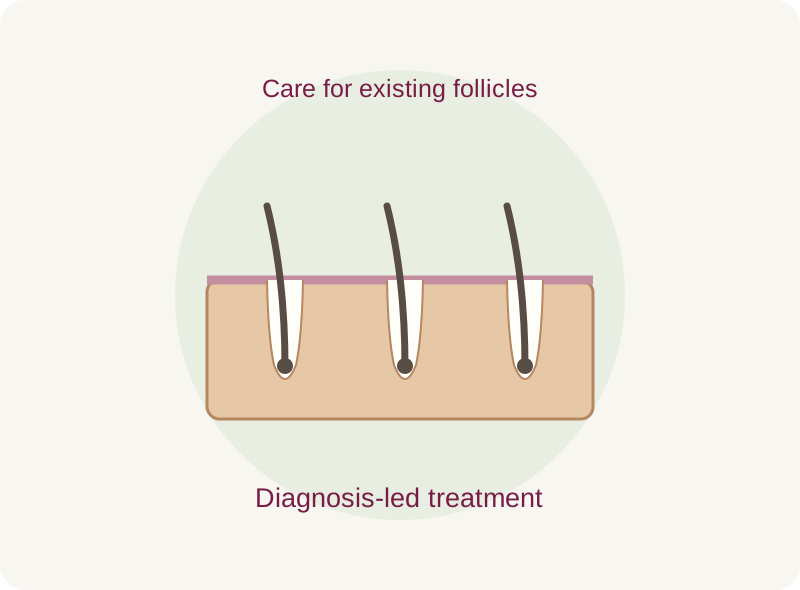
Care for existing hair
Diagnosis-led care may help retain or improve existing hair. Explore medical care and selected supporting treatments.
Explore regrowth careLooking for fuller coverage? Compare ways to care for existing hair, move donor follicles or cover thinning areas.
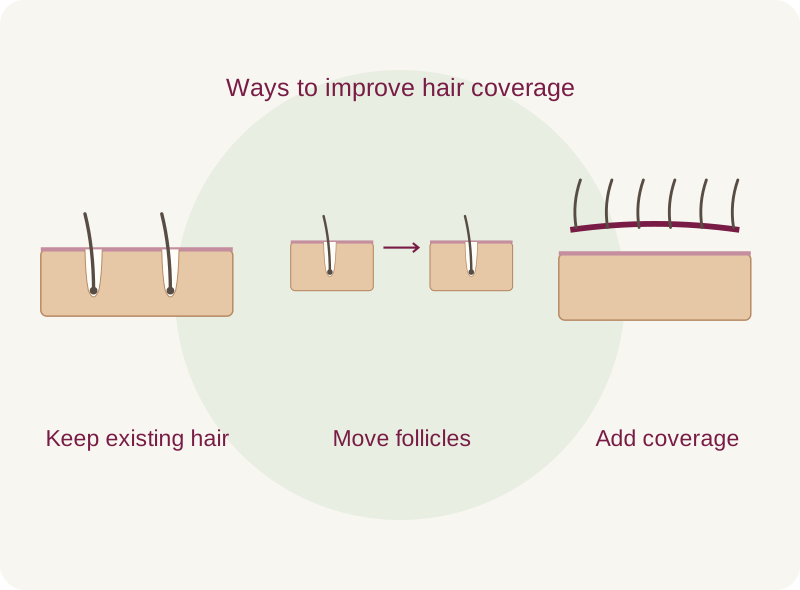
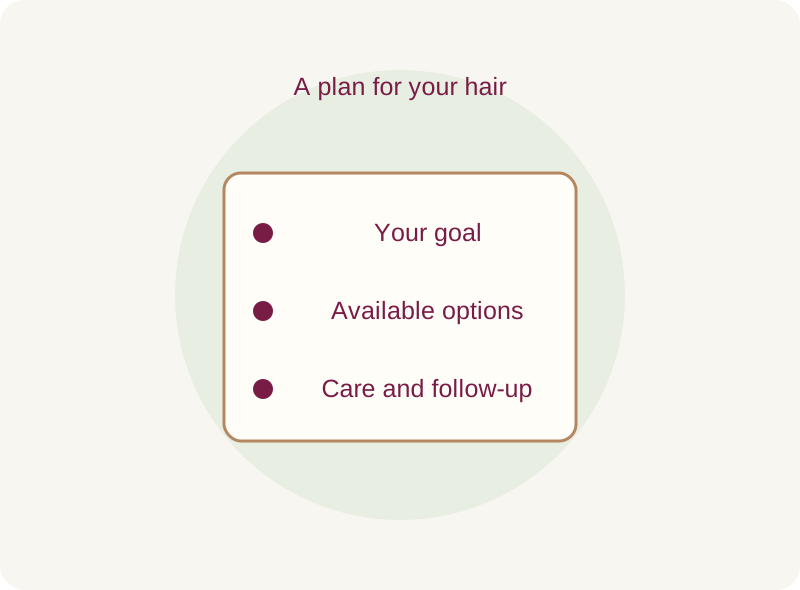
Hair restoration describes a goal, rather than one procedure. Your plan may aim to slow further loss, improve growth from existing follicles, redistribute donor hair or change the appearance of a thinning area.
The right starting point depends on the cause of your hair loss, scalp health and the coverage you want. Choosing a procedure comes after that assessment.
Diagnosis-led care may help retain or improve existing hair. Explore medical care and selected supporting treatments.
Explore regrowth care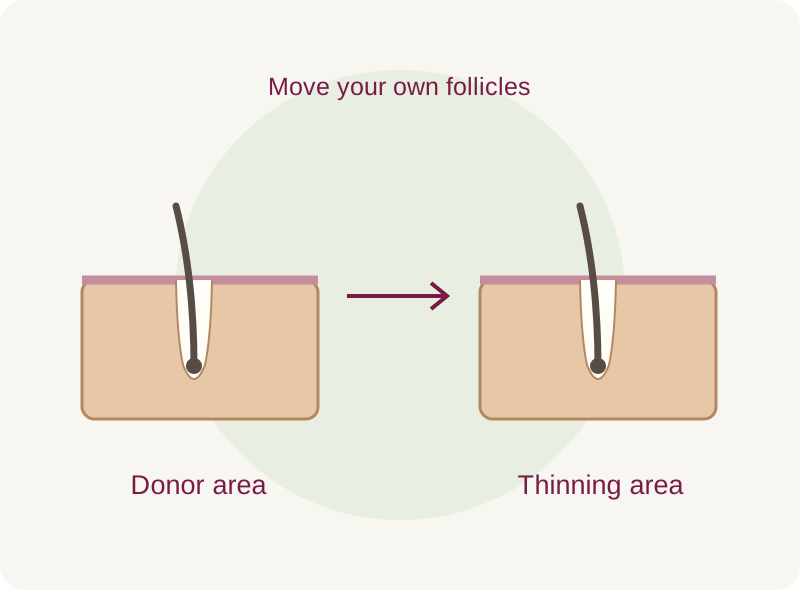
A hair transplant redistributes your own follicles. It needs suitable donor hair, surgery and time for growth.
Explore hair transplantation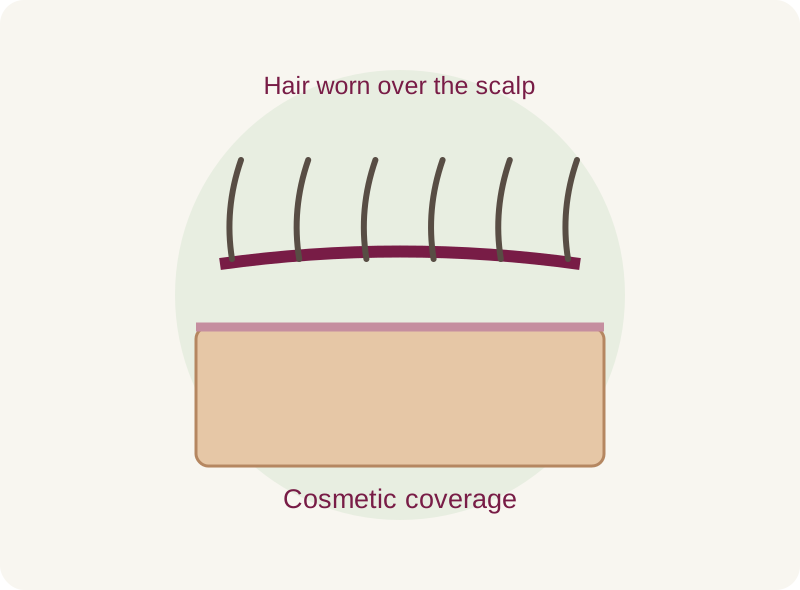
A fitted hair system changes coverage without growing new follicles. Compare the fit, appearance and upkeep.
Explore hair systems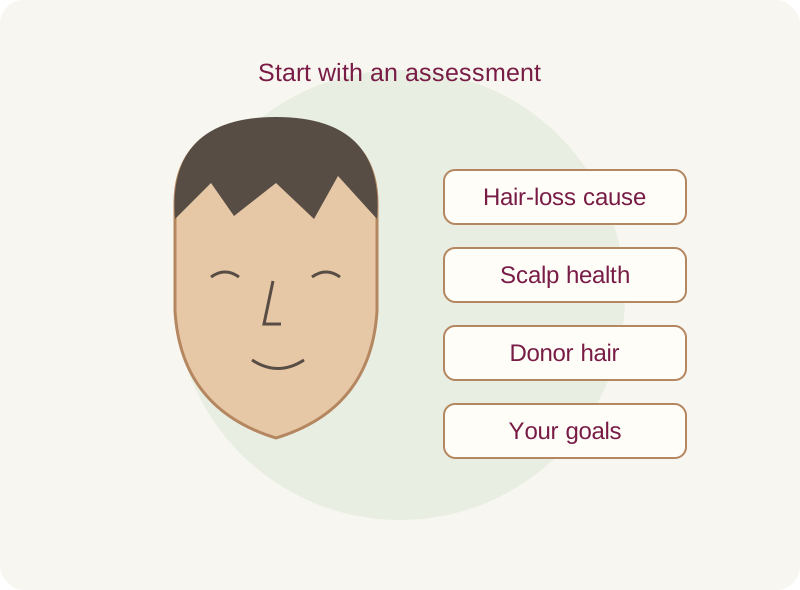
Sudden shedding, gradual thinning and patchy loss can need different care. Pain, scaling or inflammation should be assessed before a cosmetic procedure.
Existing follicles and the available donor area affect what is possible. A transplant moves hair; it does not create an unlimited donor supply.
Hairline shape, visible scalp, length and styling goals matter. A shaved-hair appearance is a different goal from growing longer strands.
Compare repeat visits, recovery, daily care and system maintenance. A plan needs to fit your routine as well as your goals.
Pattern hair loss can continue around transplanted hair. A conservative hairline, donor planning and care for existing hair can matter beyond the first procedure.
For early or changing loss, your clinician may recommend monitoring or medical care before surgery. Cosmetic coverage can also be a choice while you consider longer-term options.
Explain when the change began, previous treatments, scalp symptoms and relevant medicines. Older photographs may help show the pattern over time.
The clinician checks hair and scalp findings. Tests are selected when the history or examination suggests a reason, rather than automatically for everyone.
Discuss likely benefit, limitations, recovery and ongoing care. Explore one option or a staged plan; you do not need every treatment on the list.
Confirm who will provide your care and how follow-up works. There is time to consider the plan before booking a procedure.
Use similar lighting, angles and hair length when recording change. Review scalp comfort and tolerability alongside appearance.
Discuss progress, side effects and the effort of maintenance. If the goal is not being met, review the diagnosis and options with your clinician.
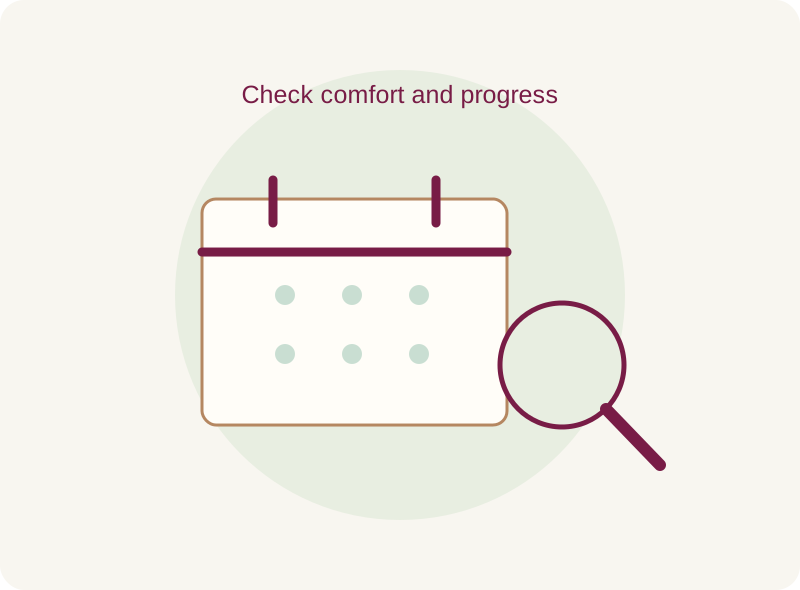
Hair grows slowly. Medical or supporting care is assessed over months, and some treatments need continued use to keep their benefit.
Allow for healing and temporary shedding after transplantation. New growth develops gradually; final assessment is much later than the operation.
A hair system changes appearance when fitted, but needs cleaning, refitting and eventual replacement. Comfort and scalp access remain important.
Understand common patterns and when a scalp assessment can help.
Explore hair fall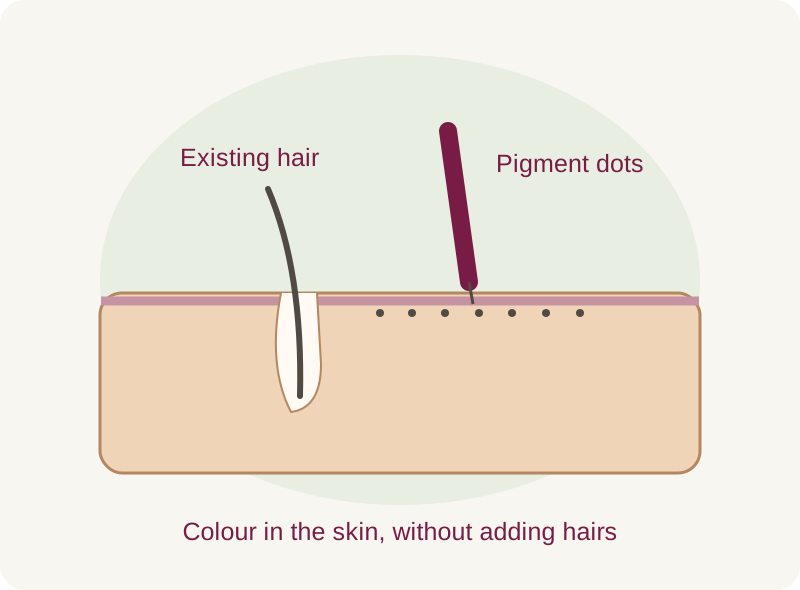
Explore pigment-based coverage. It changes the appearance of the scalp without adding hair strands.
Explore scalp pigmentExplore non-surgical hair systems designed to match your existing hair pattern and density.
Explore hair patchBefore-and-after photographs shared by Layers from hair-fall care. Treatment plans differ; these examples do not show what every restoration option can achieve.
Let’s talk about your goalsIndividual results vary. Photos show specific cases and do not guarantee the same outcome. Your doctor can explain what may be possible for you.
Original Google excerpts about PRP, GFC and hair-thinning care at Layers. The individual treatment context is retained.
“I underwent GFC and PRP treatment for hair loss and had a very positive experience.”
Combined PRP and GFC hair care.
“This was my first GFC treatment, and I'm very happy with my decision.”
GFC hair care.
“Excellent experience from consultation to treatment. The GFC procedure was explained clearly, and the doctors were very knowledgeable.”
GFC hair care.
“I am currently undergoing GFC (Growth Factor Concentrate) treatment at Layers and my experience so far has been highly satisfactory!”
GFC hair care.
“They suggested me GFC treatment and I experienced good results.”
GFC hair care.
“Most importantly, I’m seeing amazing results for my hair thinning treatment.”
Hair-thinning care.
“I noticed visible improvements in my skin texture and a significant reduction in hair fall within just a few sessions.”
Hair-fall and skin care.
















No. Restoration is a broader goal. A transplant is one surgical option; care for existing hair and cosmetic coverage are other approaches.
Depending on the diagnosis and your preference, medical care or a hair system may be considered. Scalp micropigmentation is another cosmetic choice for selected goals.
Not automatically. Each step should have a clear purpose in your plan. Ask which problem it addresses, what evidence supports it and how its benefit will be reviewed.
It moves donor follicles to selected areas. Other hair can continue to thin, so donor planning and care for existing hair may still be needed.
No. Women can also seek help with thinning and coverage. The cause, donor area, hairstyle and medical history guide suitable options.
Yes. Assessment does not commit you to a procedure. Monitoring, medical care or cosmetic coverage may be suitable while you consider your options.
No. It provides coverage over the scalp. It can change appearance while the cause of hair loss is assessed or treated separately.
Bring details of medicines and previous hair treatments, a timeline of changes and any useful older photographs. Think about the coverage, styling and maintenance you would be comfortable with.
Start with an assessment and choose care that fits your hair and your routine.
Prefer a call? +91 9000 572727