Hair fall care
A scalp peel is an exfoliating treatment intended to loosen surface scale and buildup. A scalp check helps establish whether exfoliation, medicated care or another approach is appropriate.
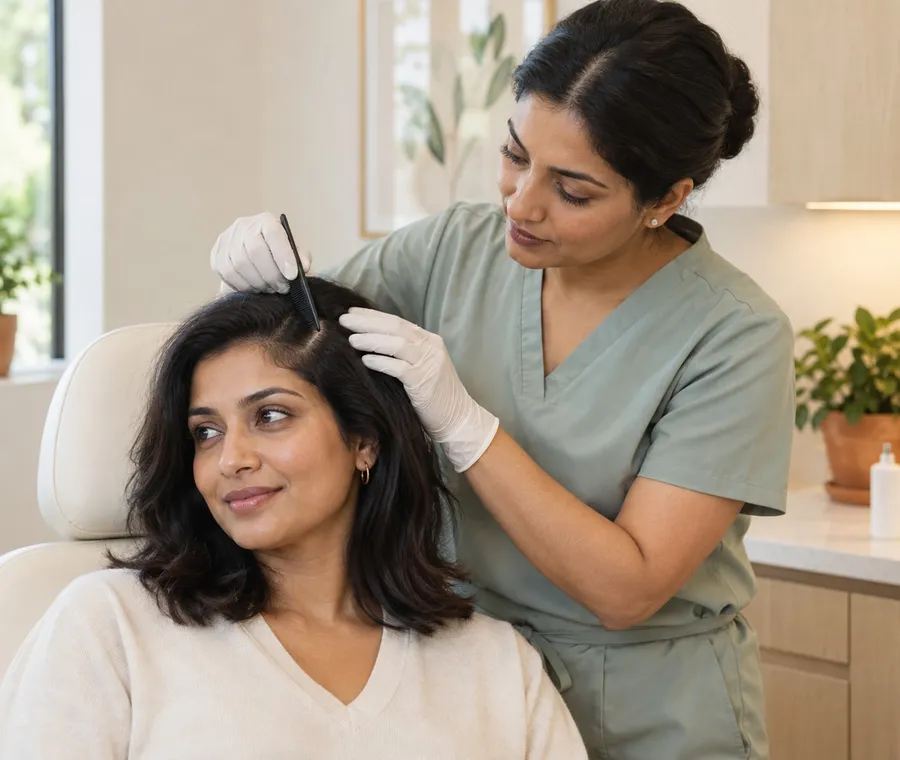
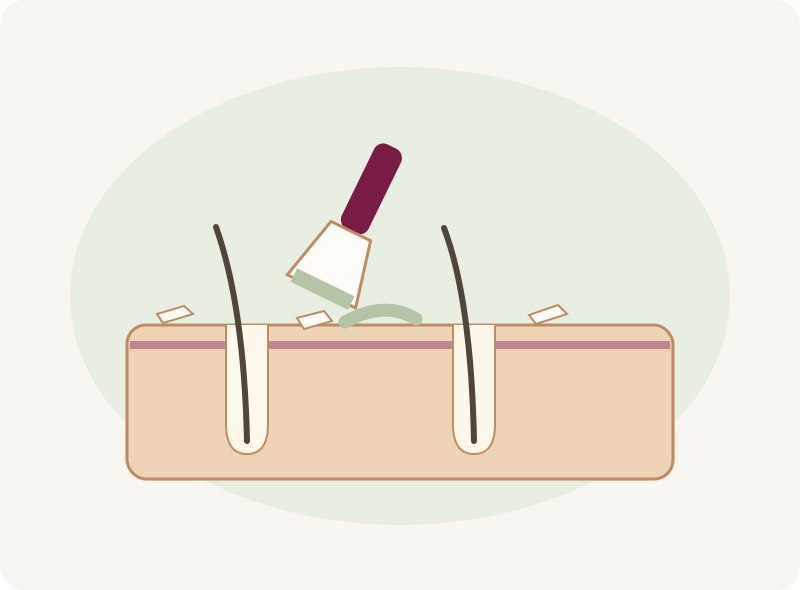
A scalp peel uses an exfoliating preparation to loosen surface scale and buildup. It acts on the skin of the scalp, rather than replacing hair follicles.
Ingredients such as salicylic acid can help soften scaly skin. The preparation and how it is used should be chosen for your scalp condition, not simply for how oily or flaky it looks.
Its role: help manage surface scale when appropriate. Dandruff, inflammation and hair loss can need separate treatment.
Discuss your washing and styling routine. Sometimes a change in routine is more useful than a peel.
Scale may be linked to dandruff, dermatitis or another condition. A doctor can explain whether exfoliation has a role alongside medical care.
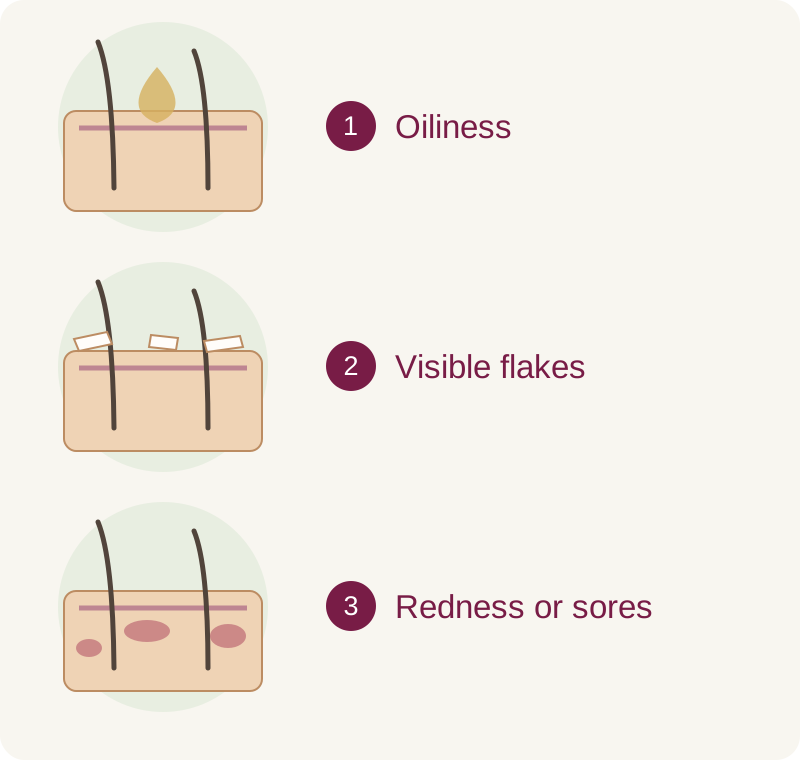
Redness, sores or broken skin need attention first. A peel may be unsuitable until the cause has been treated.
Your assessment determines whether a peel, a medicated routine or another approach makes sense.
Bring details of shampoos, scalp serums, hair dyes and recent treatments. Mention allergies, medicines, pregnancy or breastfeeding and any burning or sores.
Your dermatologist checks flakes, redness, oiliness and any areas of broken skin. The aim is to find the cause rather than treating every flaky scalp in the same way.
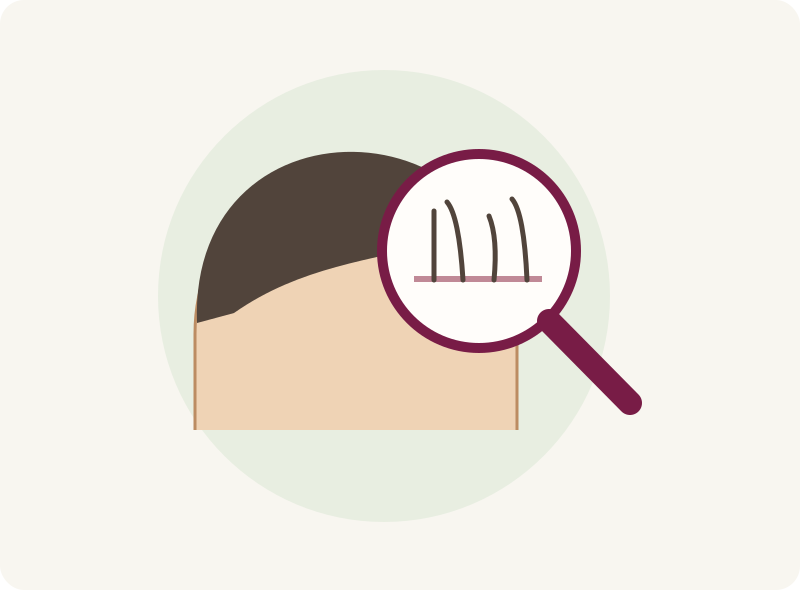
If a peel is suitable, the hair is sectioned and the chosen product is carefully applied to the scalp. The product, strength and contact time depend on your assessment.
The clinician follows the product’s removal or neutralising instructions and checks your comfort. Tell them immediately about strong burning or pain.
Some preparations can sting. A peel should not be treated as a strength or endurance test: report discomfort so the clinician can respond.
Follow your individual washing and product instructions. Avoid scratching, picking or adding other exfoliating products while the scalp is recovering. Seek advice for persistent burning, blistering or worsening redness.
Dandruff, dermatitis and psoriasis may need ongoing medical care. A peel is not a permanent cure and repeat sessions are not always necessary.
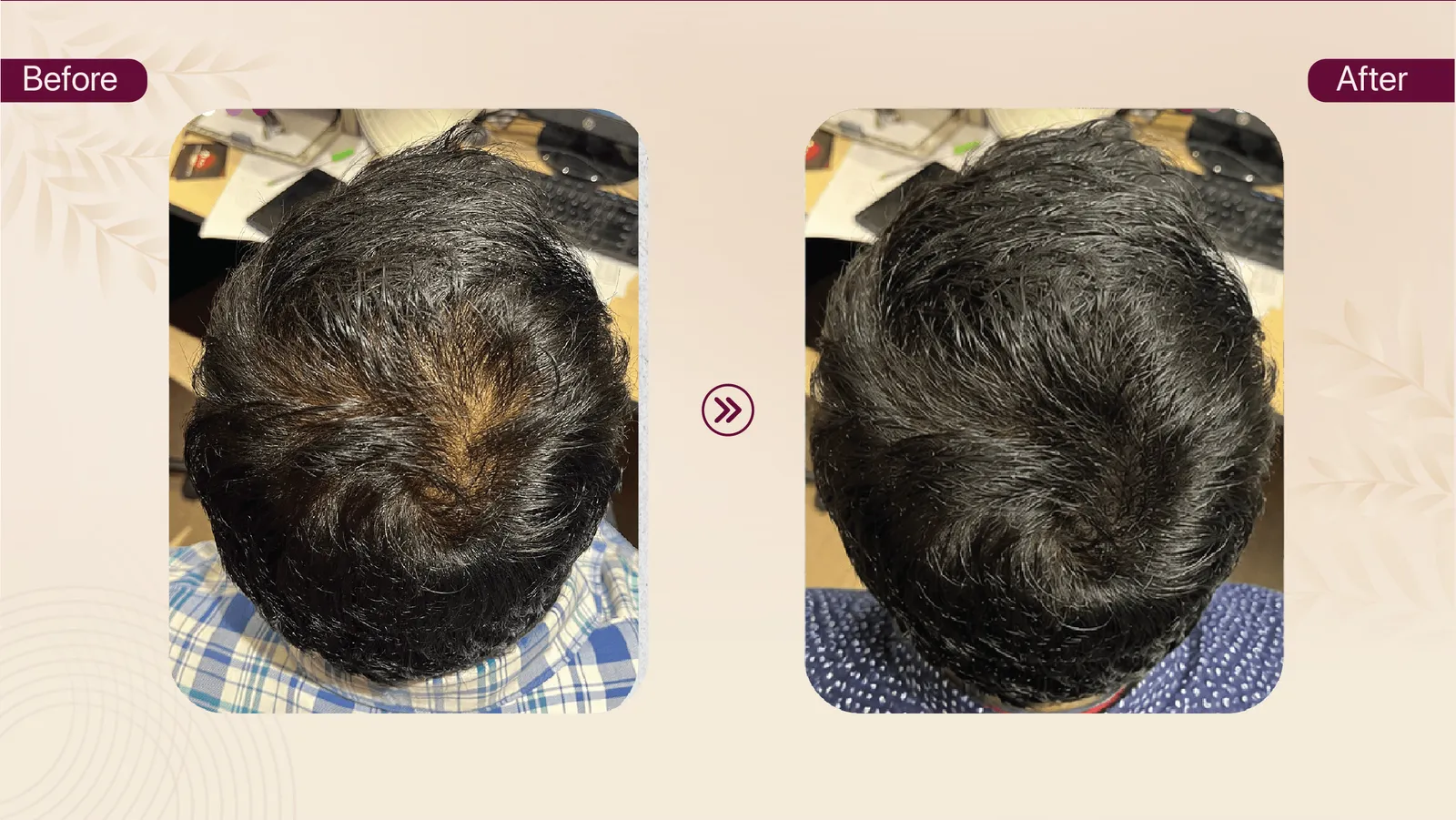
Patient before-and-after photographs showing hair restoration progress across the Layers network. Individual results vary.
Showing all 7 photographs
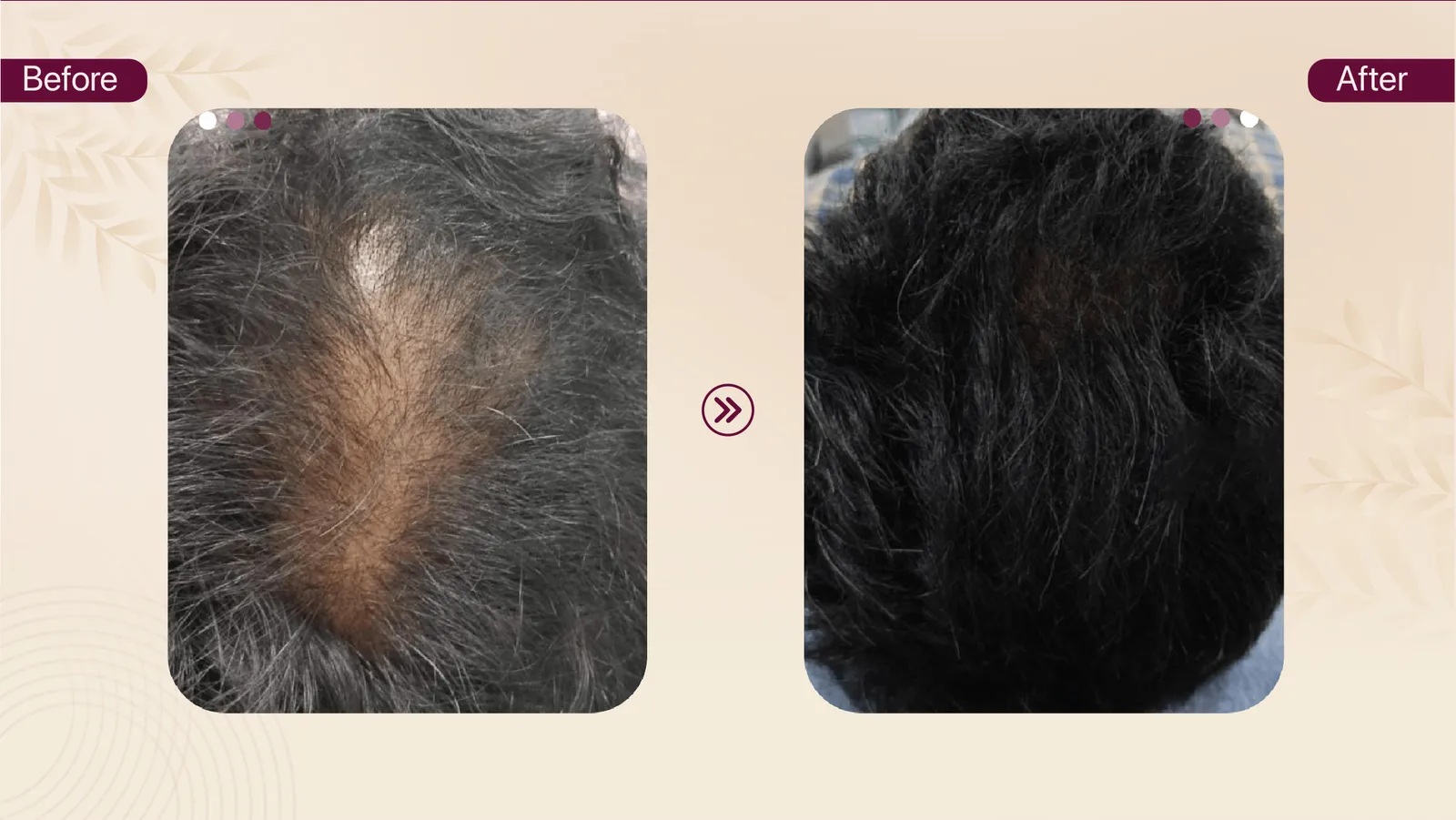
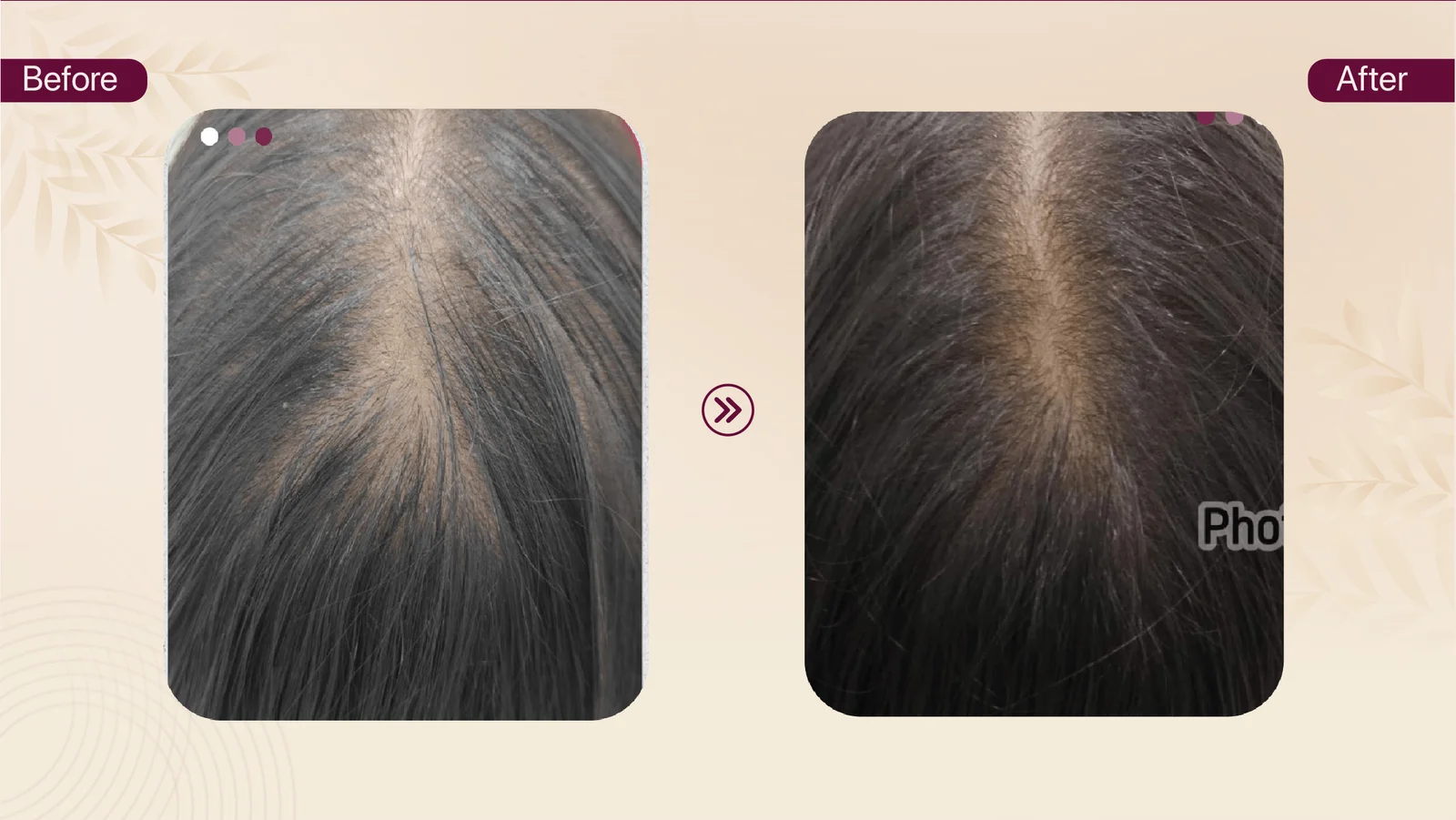
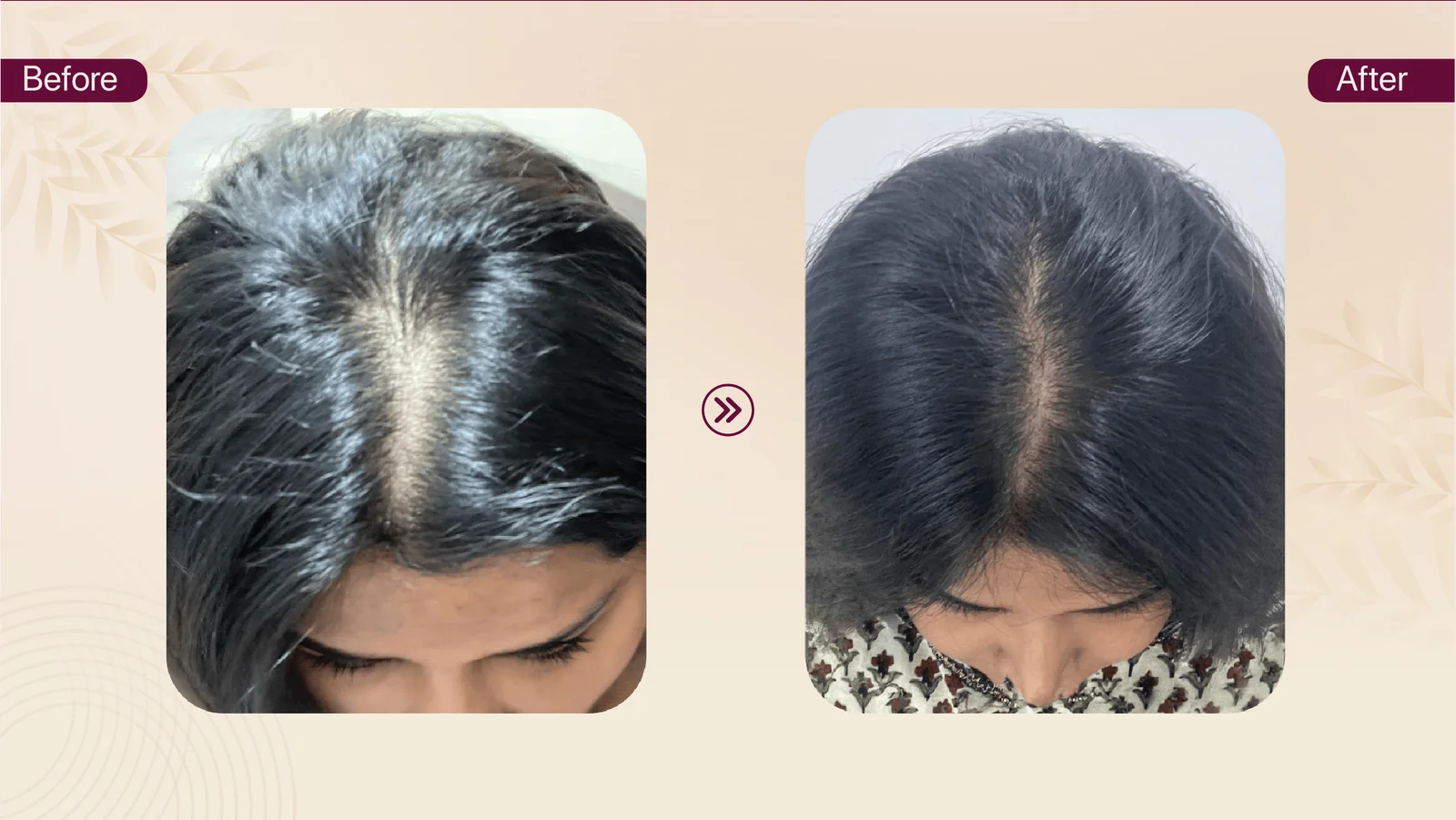
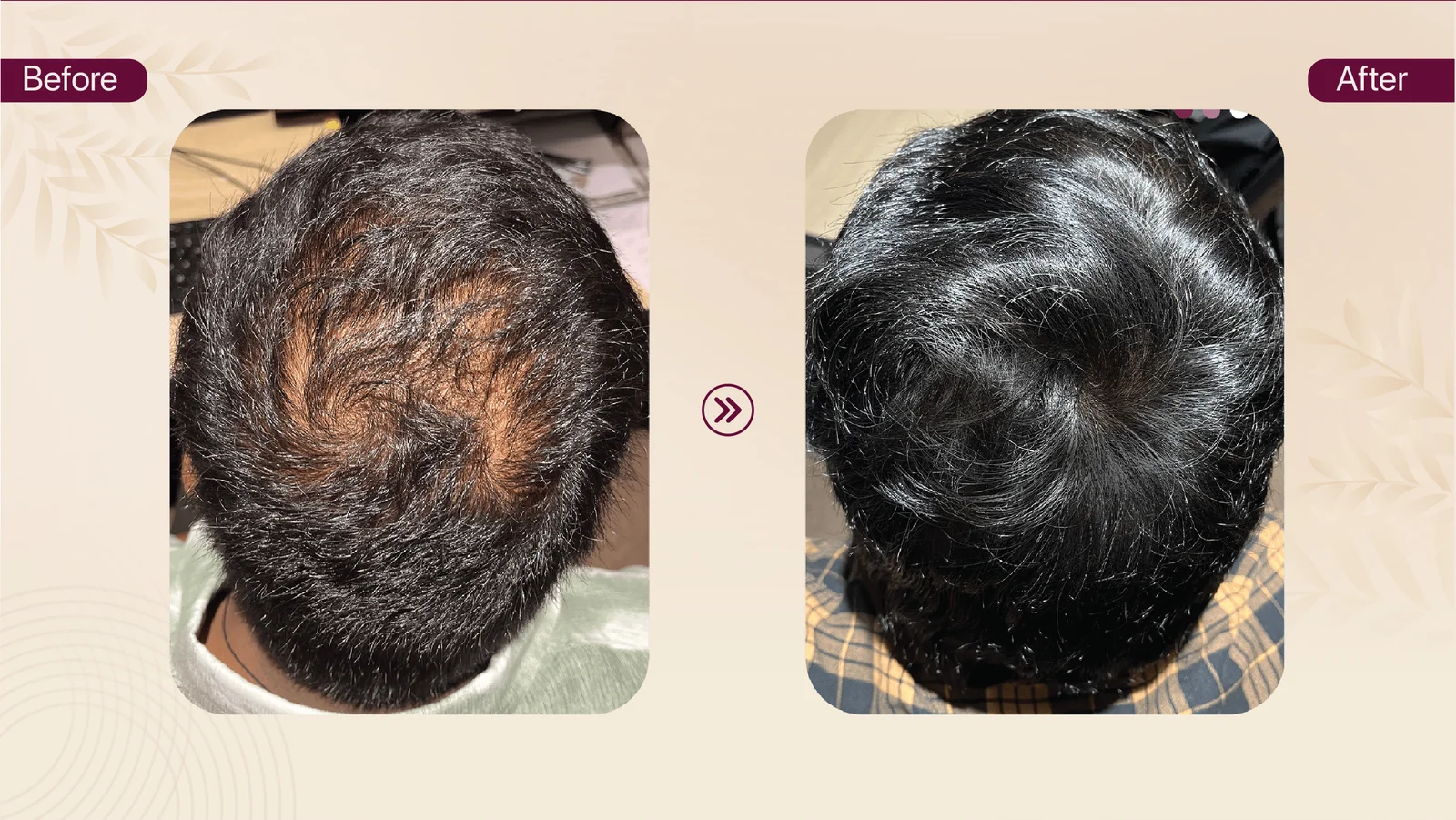
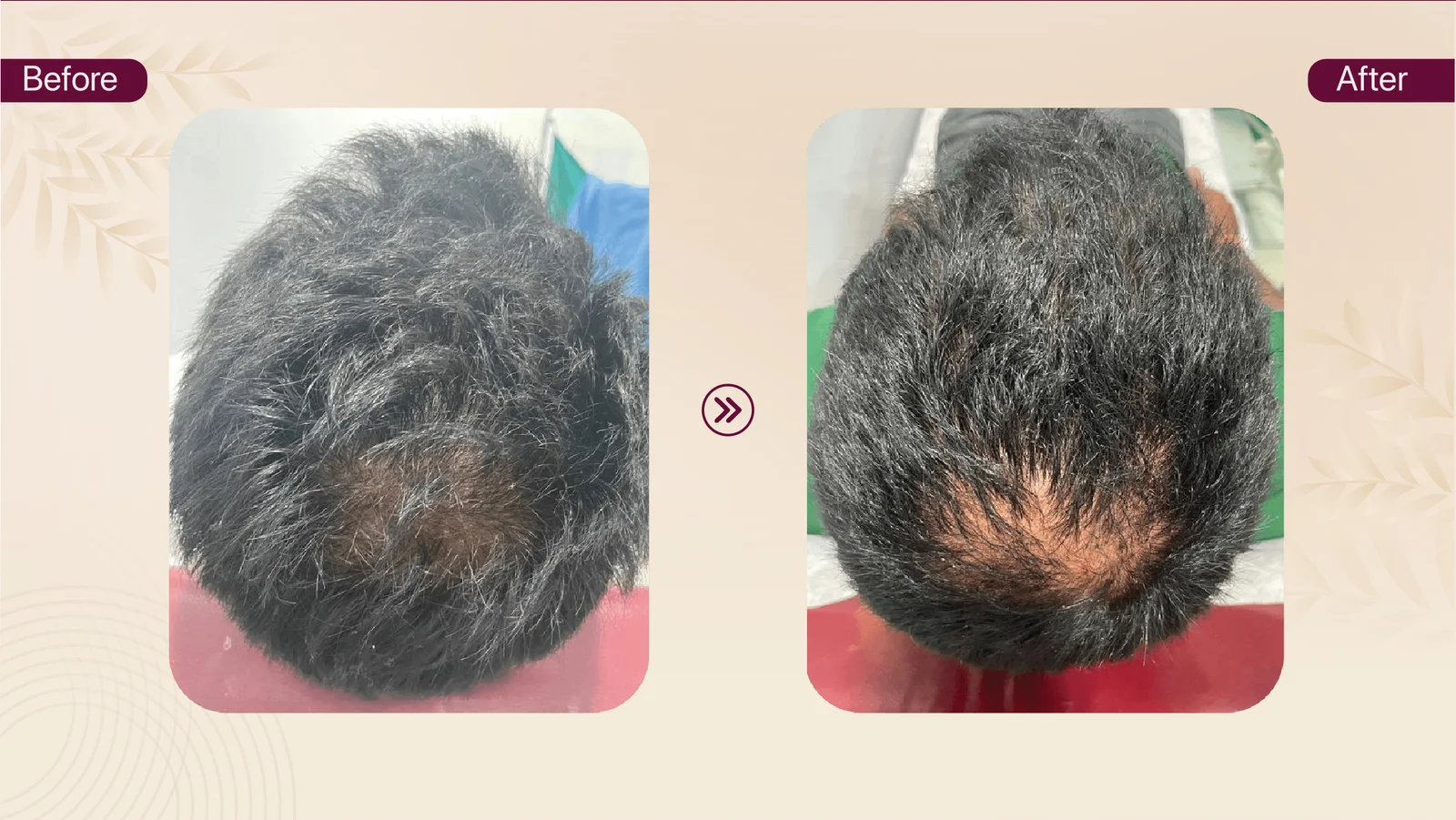
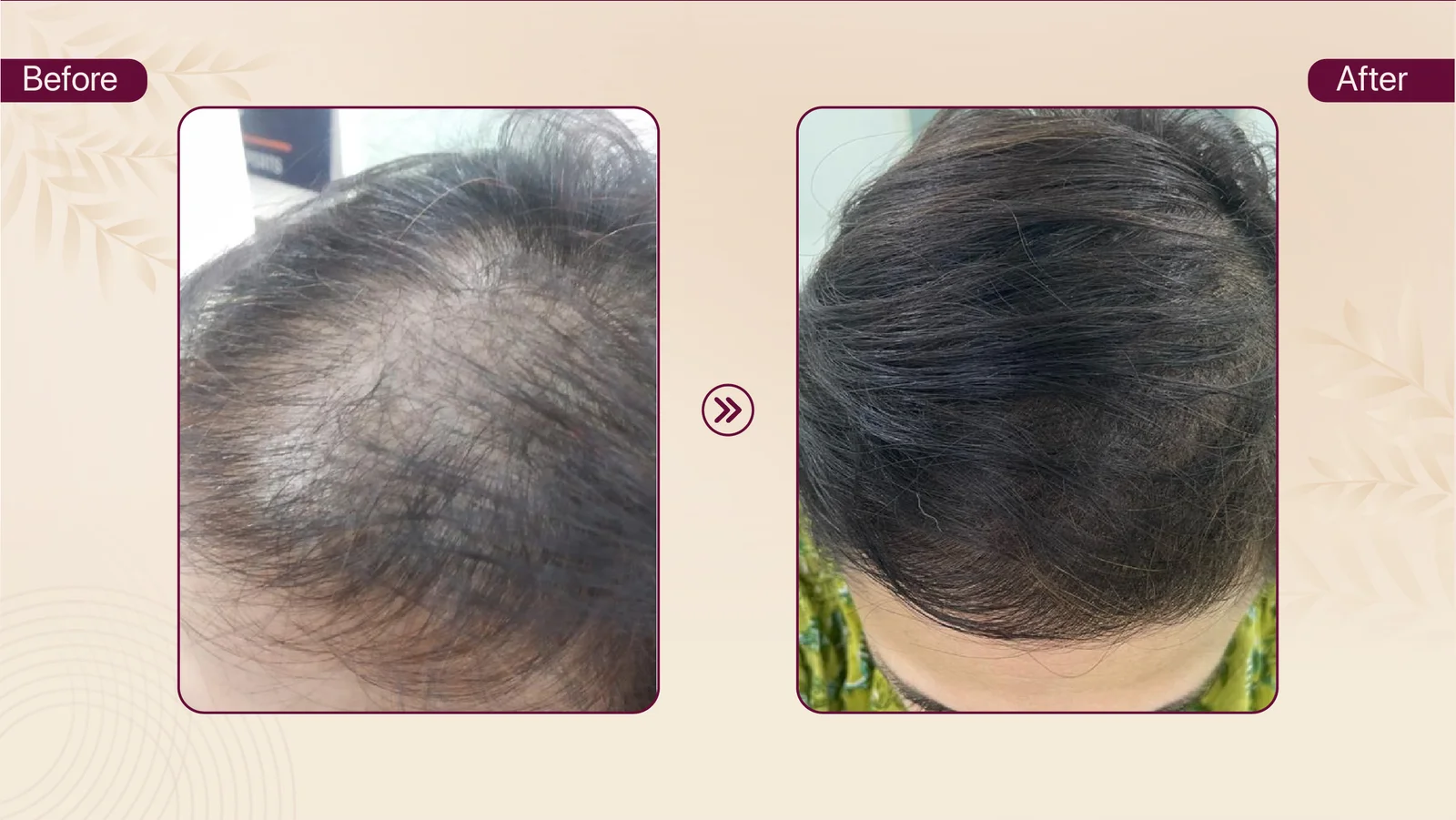
Individual results vary. These photographs show specific cases, not guaranteed outcomes. Original image quality, lighting and angles may differ. Your doctor can explain what may be possible for you.
Related hair-care experiences, including PRP, GFC and care for thinning hair.
“I underwent GFC and PRP treatment for hair loss and had a very positive experience.”
Combined PRP and GFC hair care.
“This was my first GFC treatment, and I'm very happy with my decision.”
GFC hair care.
“Excellent experience from consultation to treatment. The GFC procedure was explained clearly, and the doctors were very knowledgeable.”
GFC hair care.
“I am currently undergoing GFC (Growth Factor Concentrate) treatment at Layers and my experience so far has been highly satisfactory!”
GFC hair care.
“They suggested me GFC treatment and I experienced good results.”
GFC hair care.
“Most importantly, I’m seeing amazing results for my hair thinning treatment.”
Hair-thinning care.
“I noticed visible improvements in my skin texture and a significant reduction in hair fall within just a few sessions.”
Hair-fall and skin care.
















It uses an exfoliating preparation to help loosen scale and surface buildup. Some scalp products contain ingredients such as salicylic acid, which softens scaly skin. The right preparation depends on the condition being treated.
A peel is not a hair-transplant or hair-regrowth procedure. Improving scalp care may be part of a broader plan, but pattern thinning and other causes of hair loss need their own assessment.
No. Dandruff and seborrhoeic dermatitis can recur and may need medicated shampoos or other care. Exfoliation may help with scale in selected cases; it does not replace treatment of inflammation or other underlying causes.
Arrange an assessment first. Broken skin, an infection or an active inflammatory flare may make exfoliation unsuitable. Your doctor may treat the scalp condition before discussing a peel.
Do not assume a face peel is appropriate for your scalp. Ingredients, concentration, contact time and skin condition all matter. Ask for a scalp-specific care plan rather than copying an in-clinic procedure.
Only if there is a separate reason for each treatment and your clinician has planned the timing. A scalp peel is not a mandatory step before injections and should not be added just to make a larger package.
The need for repeat treatment depends on the cause of the scale, the preparation and how your skin responds. Your doctor may instead recommend a home-care routine or treatment for a scalp condition.
Get help with flakes, buildup or irritation and understand which care is appropriate for you.
Prefer a call? +91 9000 572727