
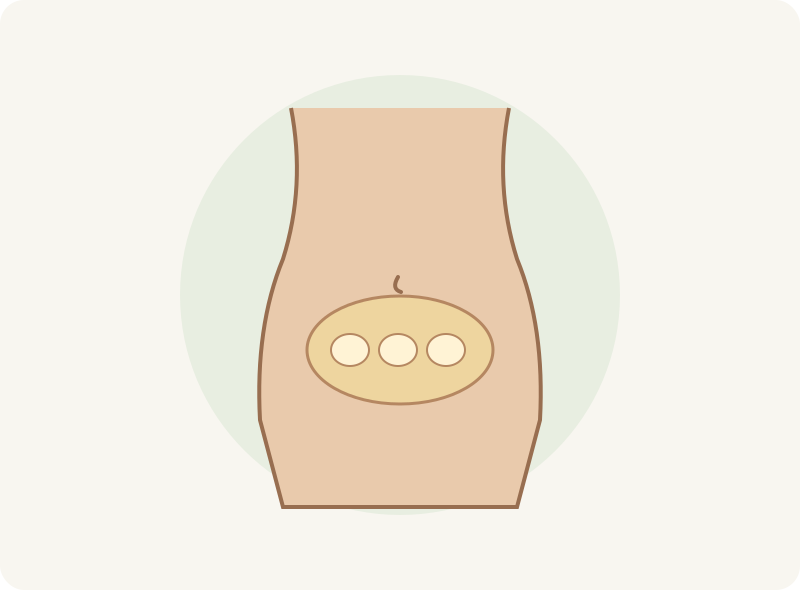
Local fat and body shape
Selected contouring treatments may reduce a local bulge gradually. The response depends on the method and the area treated.
A smaller measurement can have several explanations. Learn how to assess the area, compare options and judge change fairly.
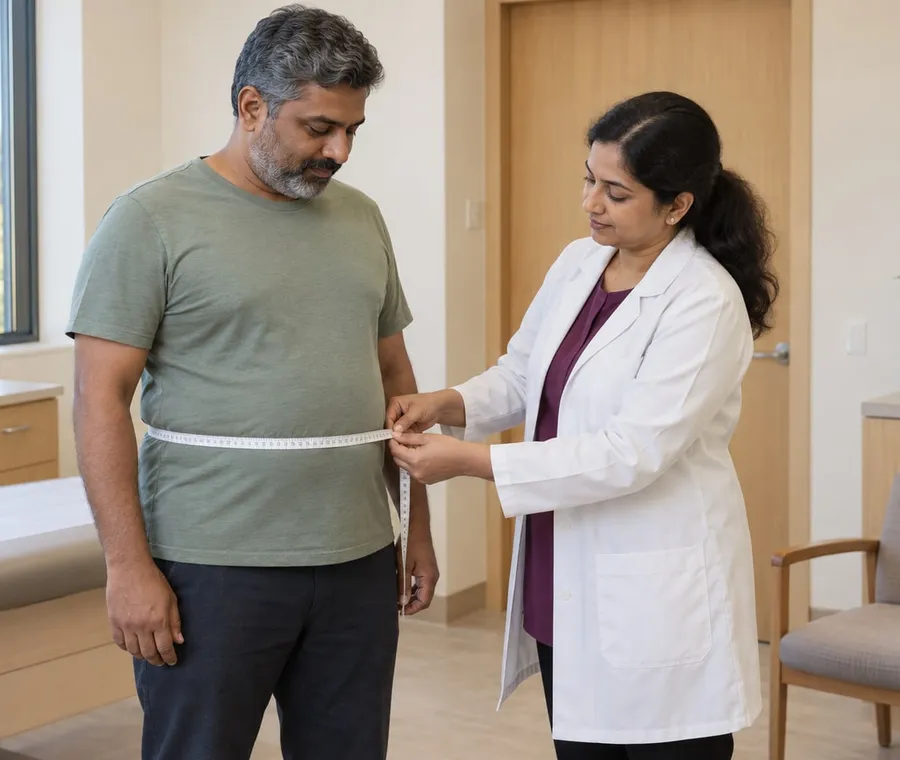
Inch loss describes a reduction in the circumference of an area such as the waist, thigh or arm. It is a measurement, not a separate medical treatment.
A contouring plan may address a selected fat pocket or skin concern. The method should match the tissue and your health; a change on a tape alone does not tell you what caused it.
Selected contouring treatments may reduce a local bulge gradually. The response depends on the method and the area treated.
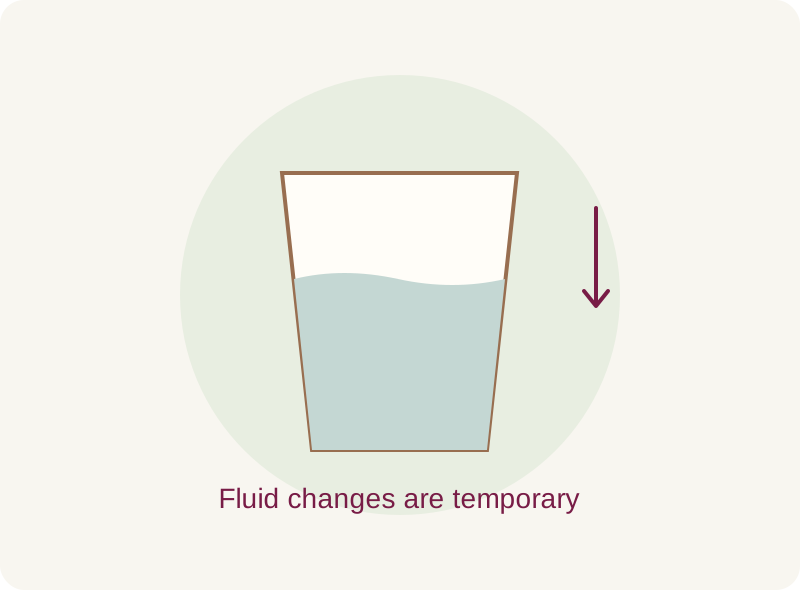
Sweating changes body water. It does not prove fat removal, and weight lost through dehydration returns with rehydration.
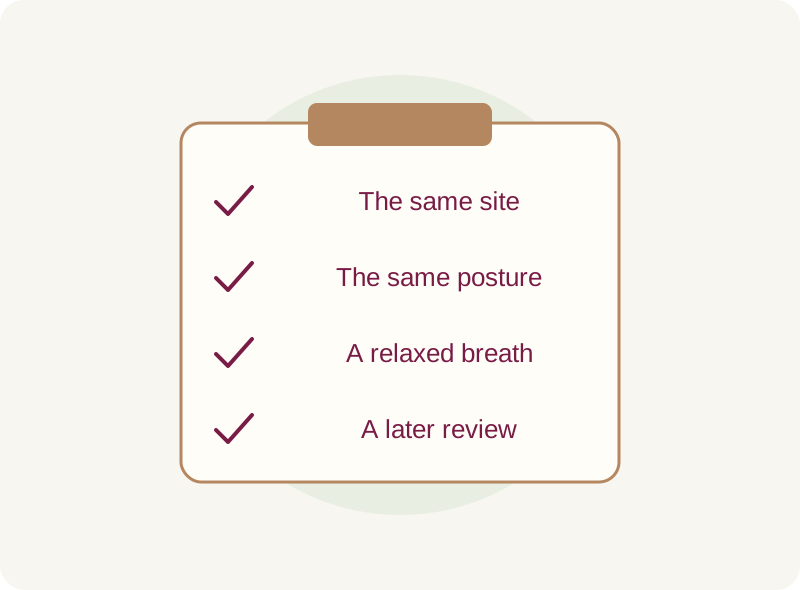
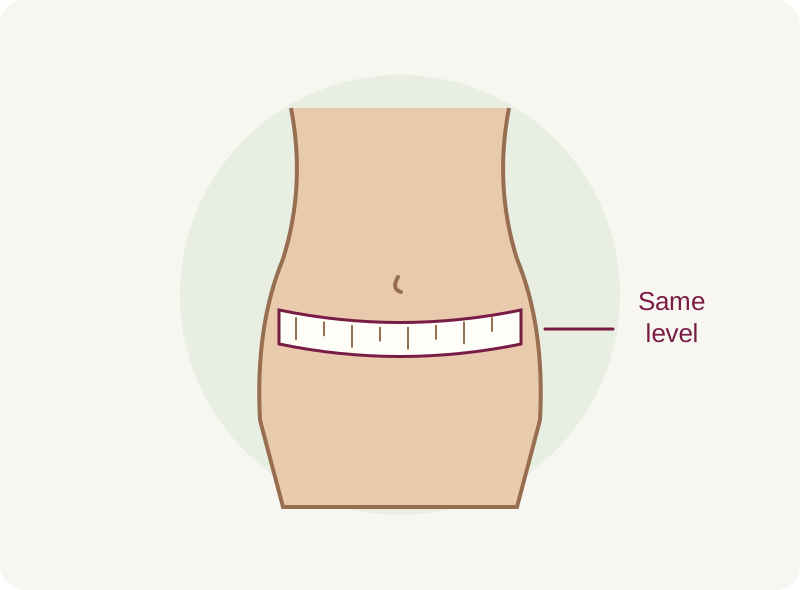
Tape position, tension and posture can change a reading. Consistent measurements are more useful than a dramatic number recorded immediately after a session.
Ask the team to record the same body site in the same way at each review. A relaxed posture, similar clothing and consistent technique help make the comparison meaningful.
Agree when to review. Early swelling or fluid change can confuse the result. Photographs, your symptoms and the clinician’s examination can help explain a measurement rather than relying on it alone.
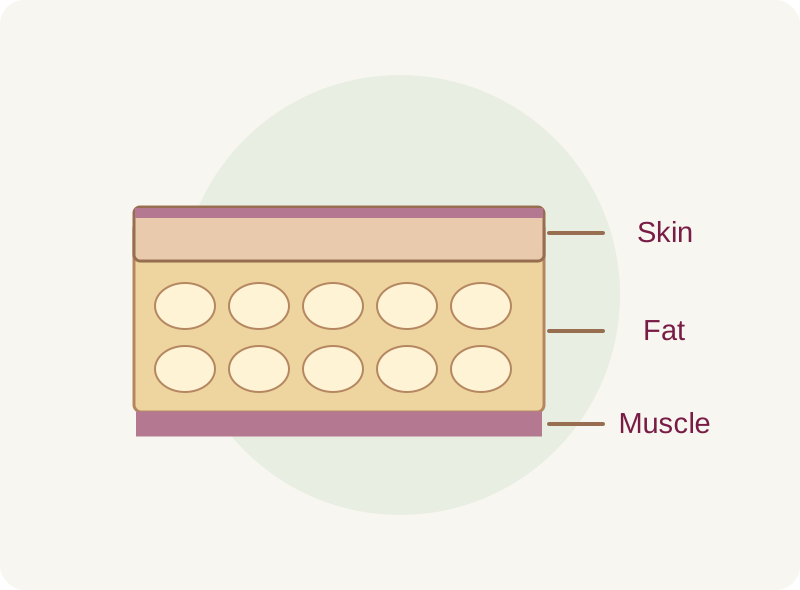
Explain whether you notice a bulge, skin fold, dimpling or broader weight change. A new painful lump or swelling needs medical assessment first.
Discuss medicines, pregnancy plans, skin problems, previous surgery, scars and implants. Each treatment has its own suitability checks.
Ask what change is plausible and how it will be measured. No service should promise the same number of inches for everyone.
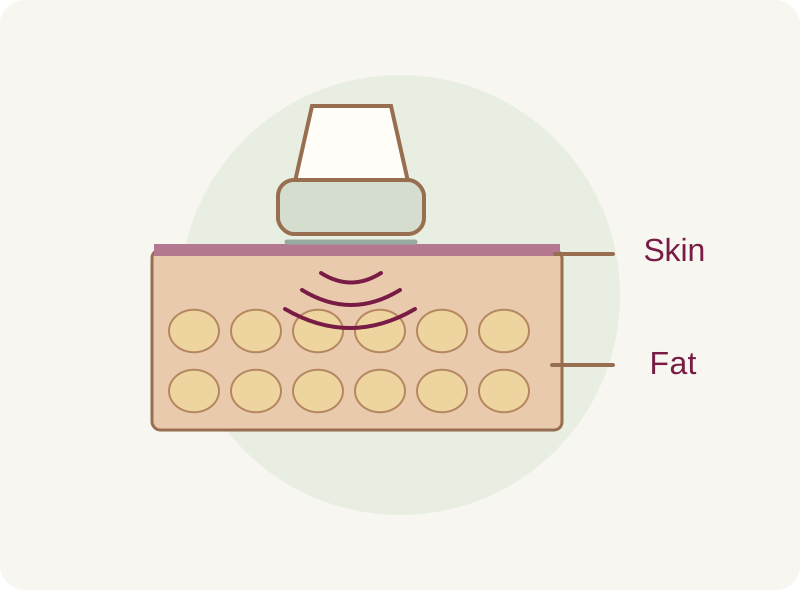
Cooling or selected energy devices may be considered for a defined fat pocket. Compare their benefits, limitations and risks.
Explore body contouring
Skin looseness may need a different approach. Larger excess-skin folds cannot be removed by sweating or measuring more tightly.
Understand skin laxity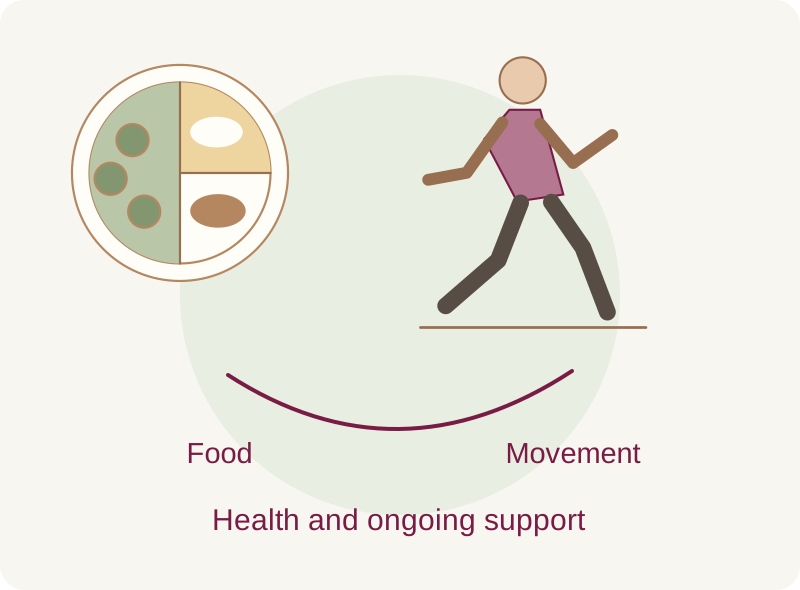
If your concern is overall weight or related health, discuss nutrition, activity and medically appropriate treatment.
Explore weight-loss careExplain the area, your weight history and any previous procedures. Bring relevant health information.
Confirm the exact treatment and why it suits your tissue. Ask how the team will judge whether it helps.
The procedure, comfort measures and aftercare depend on the actual treatment. Tell the clinician about pain or unexpected symptoms.
A reading immediately after heat or sweating should not be presented as proof that fat has been removed.
Compare the agreed measurement site and photographs where consented, allowing the recommended time for settling.
Discuss comfort, visible change and whether the original goal has been met before booking more care.
Non-surgical contour changes tend to be modest and gradual. Some effects are temporary, while others may last longer; ask about the actual method and possible maintenance.
A smaller waist or thigh measurement is not evidence that diabetes, obesity or another health condition has been treated. Continue appropriate medical care and review symptoms separately.
These are general consultation and care reviews, rather than measured inch-loss outcomes.
“The doctors listened carefully to my concerns and explained the treatment in a clear and professional manner.”
Consultation experience; condition not specified.
“She explained the treatment clearly and made me feel comfortable throughout the consultation.”
Consultation experience; condition not specified.
“The doctor took the time to understand my skin concerns and explained the treatment plan clearly, without rushing.”
Consultation experience; condition not specified.
“Very patient ,humble and polite to answer every single query and build confidence.”
Consultation experience; condition not specified.
“The doctors explained everything clearly and made me feel comfortable and confident.”
Consultation experience; condition not specified.
“The doctor took the time to listen to my concerns patiently and explained the treatment options clearly.”
Consultation experience; condition not specified.













No. One measures the circumference of an area; the other measures overall body weight. They do not always change together.
There is no reliable fixed number for everyone. Your tissue, treatment, response and measurement technique all matter.
No. Sweat removes water. A short-term reduction through dehydration does not establish fat loss.
It is better to understand the concern first. Different devices target different tissues and have different suitability limits.
Tape position, tension, posture and normal bodily changes can affect the reading. Consistent technique and a longer review period help.
Fat reduction does not remove excess skin. Skin looseness needs its own assessment, especially if there is a larger fold.
That depends on the method. Even non-surgical care can cause soreness, bruising or swelling; ask for the relevant aftercare and risk information.
Arrange a review of the original goal and treatment response. More sessions are not automatically the best answer.
Talk about the area you want to change and what a fair assessment should include.
Prefer a call? +91 9000 572727