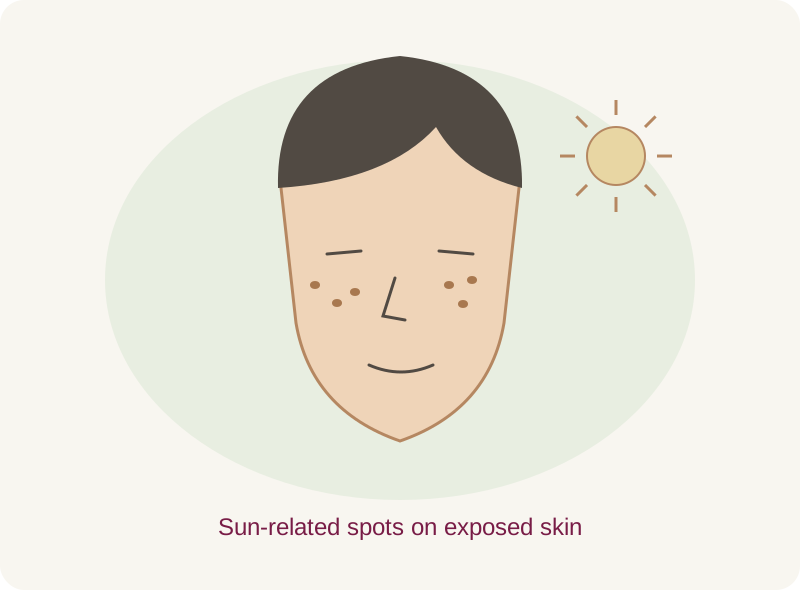
Selected dark spots
Some sun-related spots may be considered for a pigment laser. New or changing lesions need a diagnosis before any cosmetic treatment.
Dark spots and patches can have different causes. Find out whether Q-switch laser toning has a place in your skin-care plan.
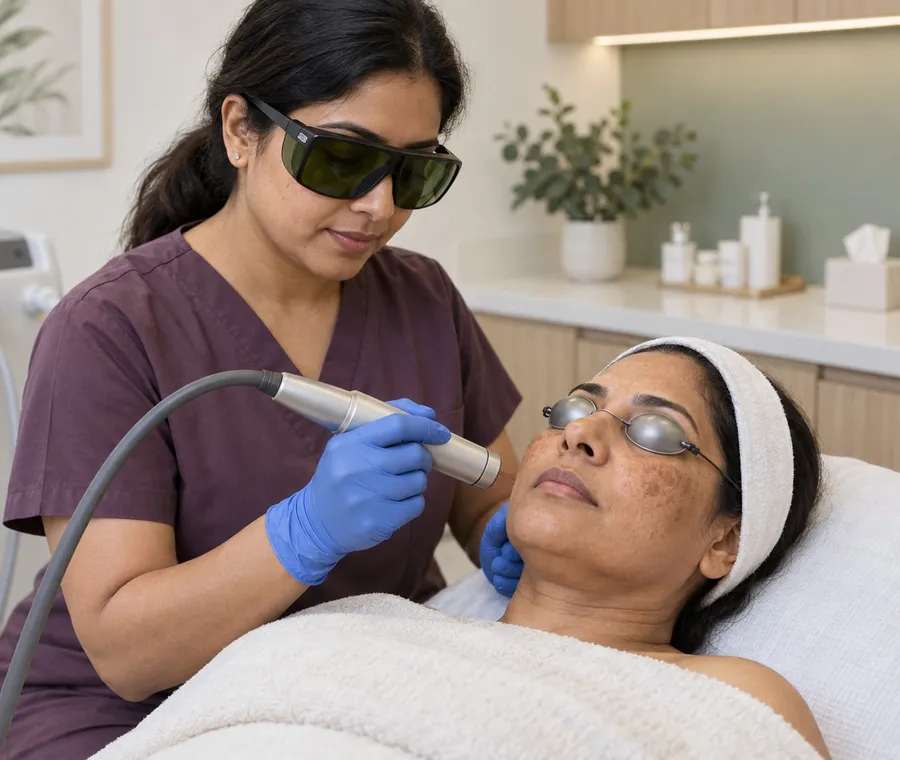
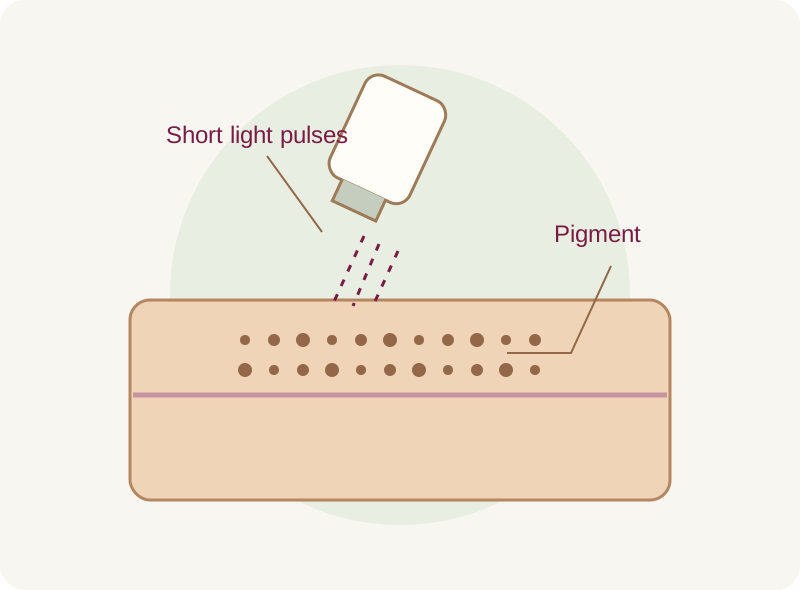
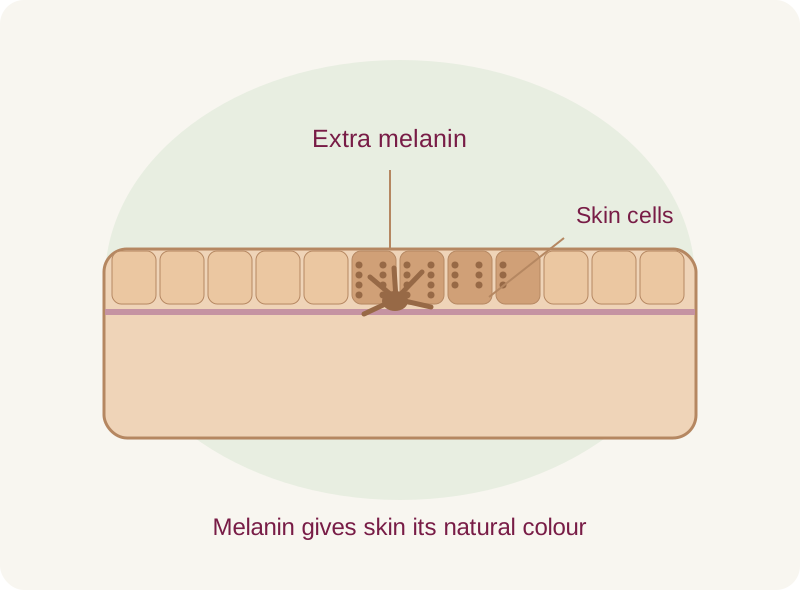
Laser toning commonly uses low-energy pulses from a Q-switched Nd:YAG laser to treat selected pigment concerns. The light is absorbed by pigment within the skin.
Your dermatologist considers the cause and depth of the pigmentation, your skin tone and earlier treatment. Laser may be one part of a plan that also includes daily protection and prescribed skincare.
Settings and treatment intervals are chosen for your skin. Stronger treatment or more sessions do not automatically give a better result.
Changes are assessed over time. A plan may need adjusting if improvement slows or the skin becomes irritated.
Some sun-related spots may be considered for a pigment laser. New or changing lesions need a diagnosis before any cosmetic treatment.
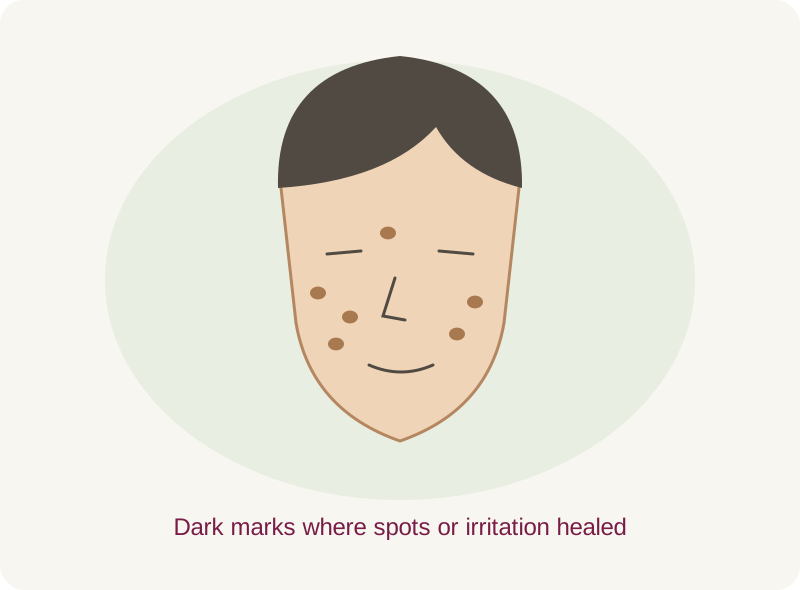
Dark marks following acne or irritation often need time, sun protection and targeted skincare first. A laser can also trigger further pigmentation.
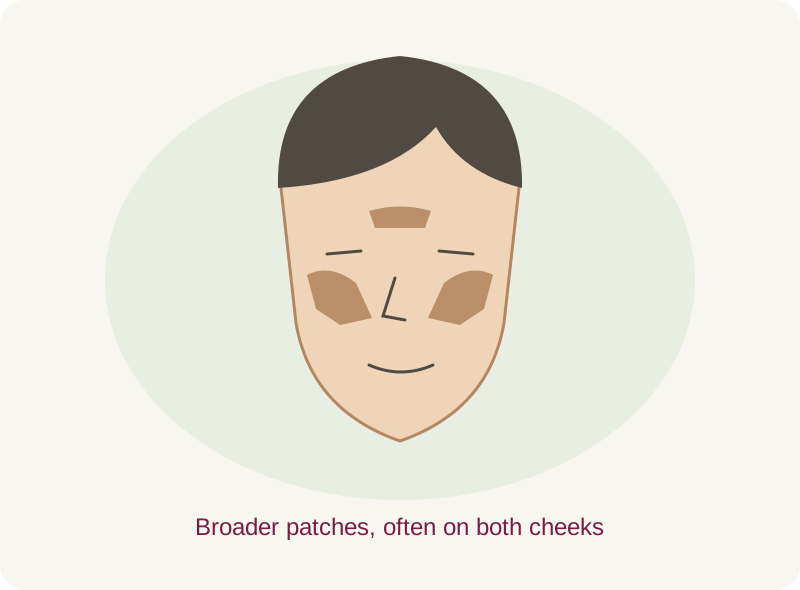
Melasma is prone to returning. Laser may be considered in selected cases, but it can worsen pigment and is not a permanent cure.
An assessment should distinguish melasma, sun-related spots and marks after inflammation. Not every brown patch needs the same approach.
Mention darker or lighter patches after procedures, scarring, recent tanning, active irritation and all medicines or skincare you use.
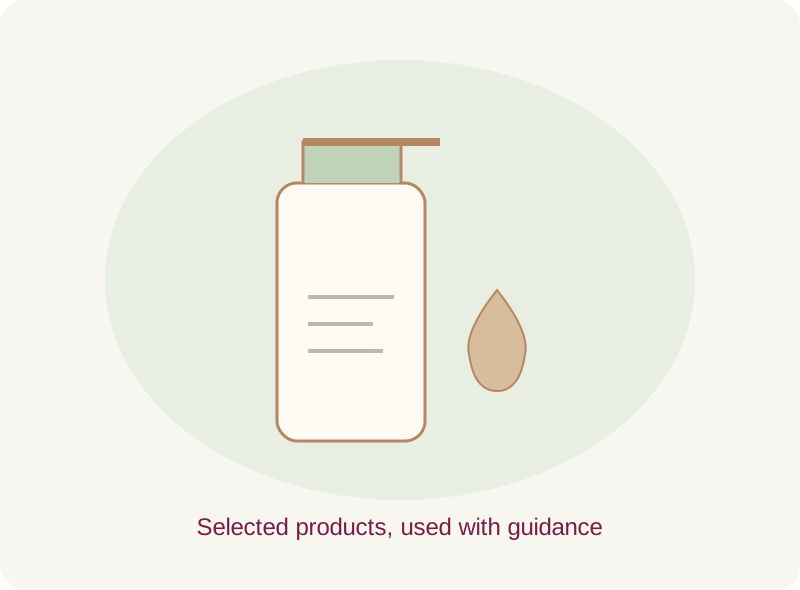
Topical treatment or a peel may be more suitable. Active skin disease and unexplained lesions may need care before laser is considered.
Sun protection and follow-up remain important after sessions. Choose a plan you can maintain, rather than expecting one visit to solve every concern.
Discuss the diagnosis, likely benefit, alternatives and risk of colour changes. Tell the clinician about recent sun exposure and previous procedures.
Follow the advice on products and sun protection. The clinician decides whether a test area is appropriate before a wider treatment.
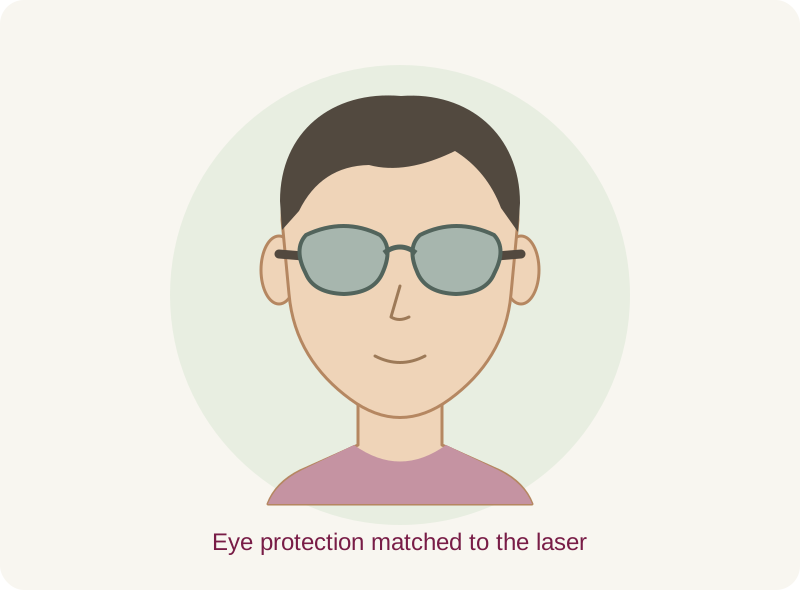
The skin is cleansed and appropriate eye protection is fitted. The clinician selects settings for the treatment area and your skin.
The handpiece delivers short light pulses. You may feel warmth or a snapping sensation. Tell the clinician if discomfort becomes severe.
The skin is checked before finishing. You receive instructions on care and when to return for review.
Follow the clinic instructions on cleansing, moisturising and sun protection. Confirm when to restart makeup, retinoids, acids and exercise.
Contact the clinic about blistering, worsening pain or new pale or dark patches. Do not book repeated sessions without reviewing the response.
Selected pigmentation may become less noticeable after treatment. Response varies, and sunlight or the underlying condition can bring pigment back. Melasma often needs long-term care.
Temporary redness or sensitivity can occur. Other risks include burns, darker marks and lighter patches. Repeated low-fluence treatment has been associated with patchy loss of pigment, so review matters before continuing a course.
Recovery varies with the device, settings and skin response. Ask for instructions based on the actual treatment you receive.
Review photographs taken in similar lighting can help you and your clinician assess change and decide whether to continue, pause or change the plan.
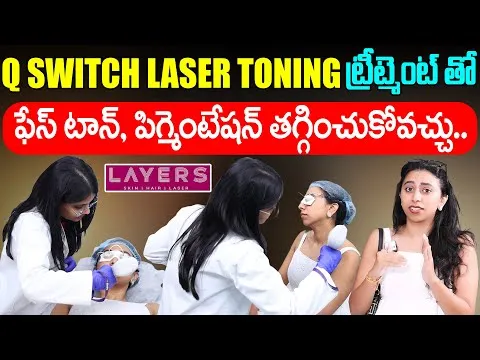
A Telugu-language Q-switch laser toning segment featuring Layers, linked from the clinic’s treatment article.
SumanTV Women Words · Treatment explainer
Watch on YouTubeOriginal pigment reduction and clarity before-and-after cases from Layers Clinics. Individual results vary.
Showing all 6 photographs
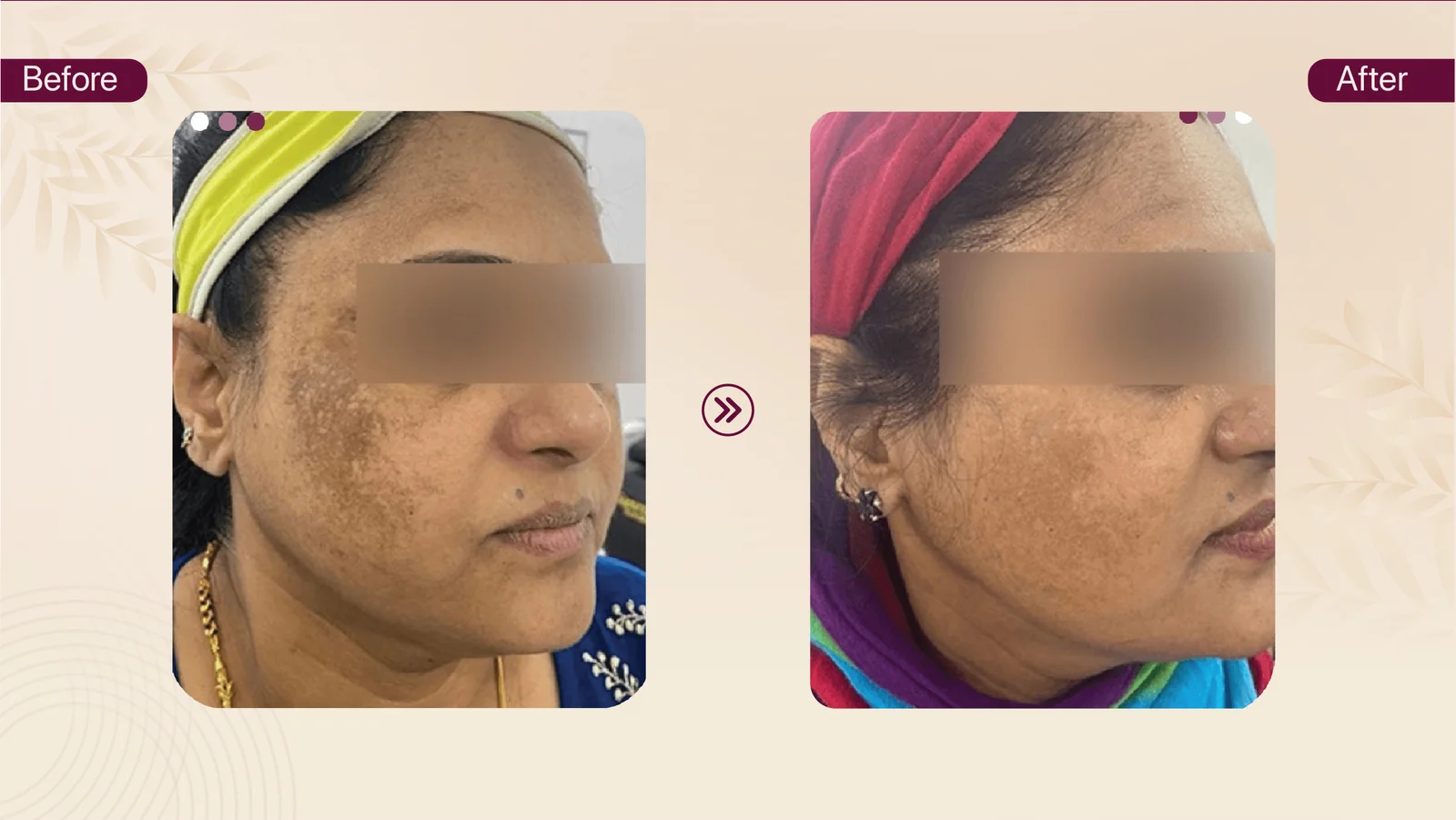
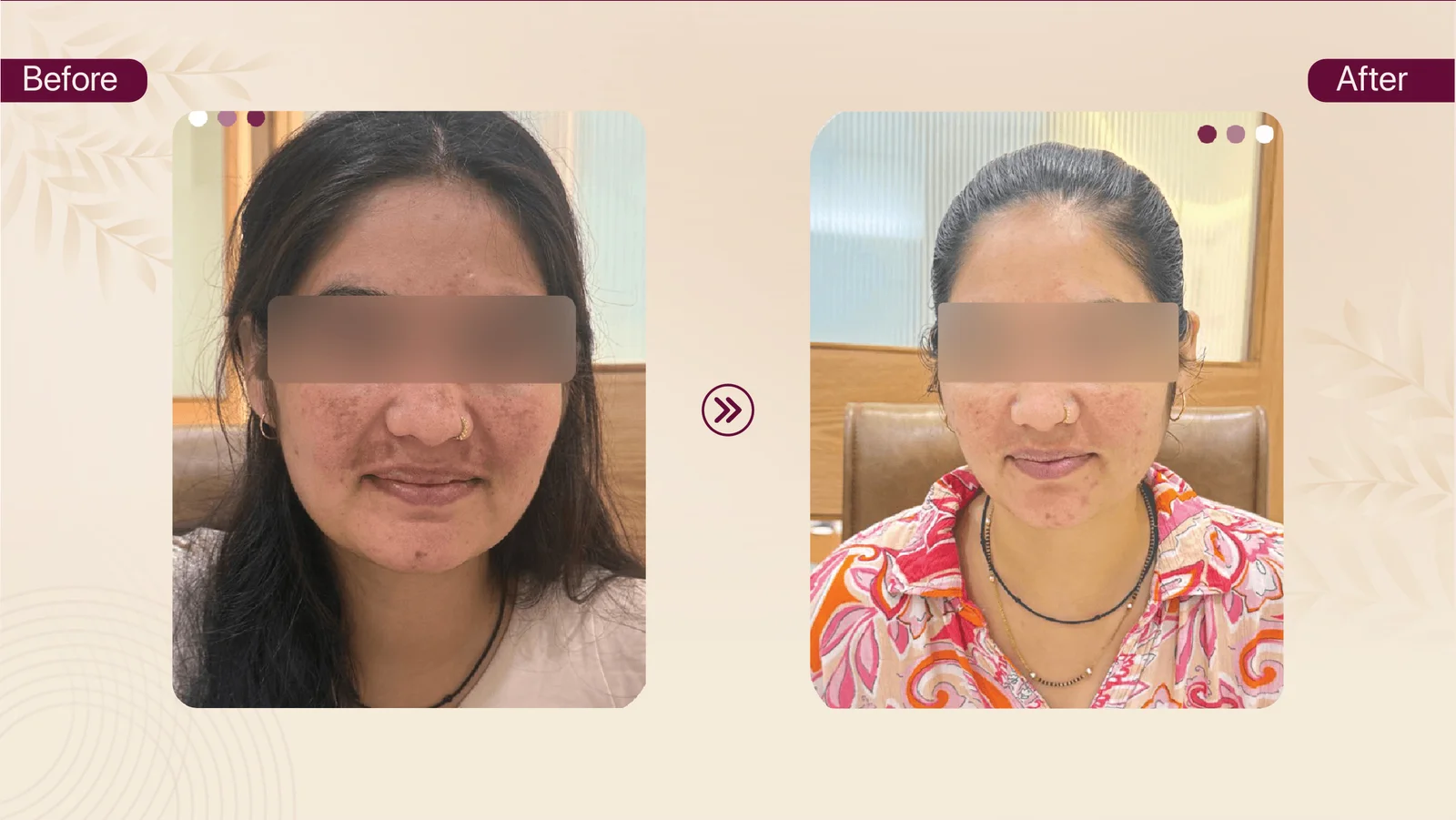
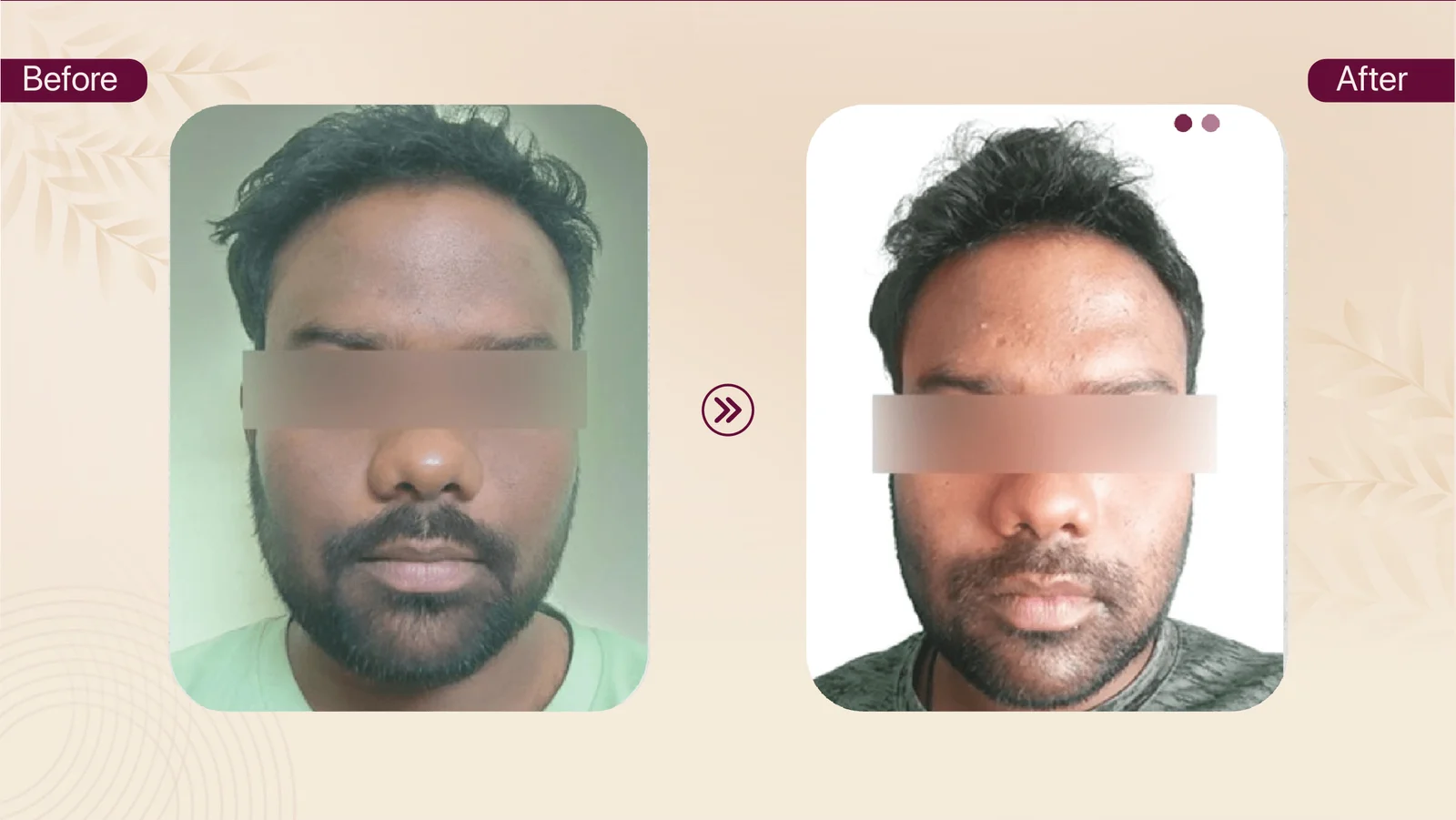
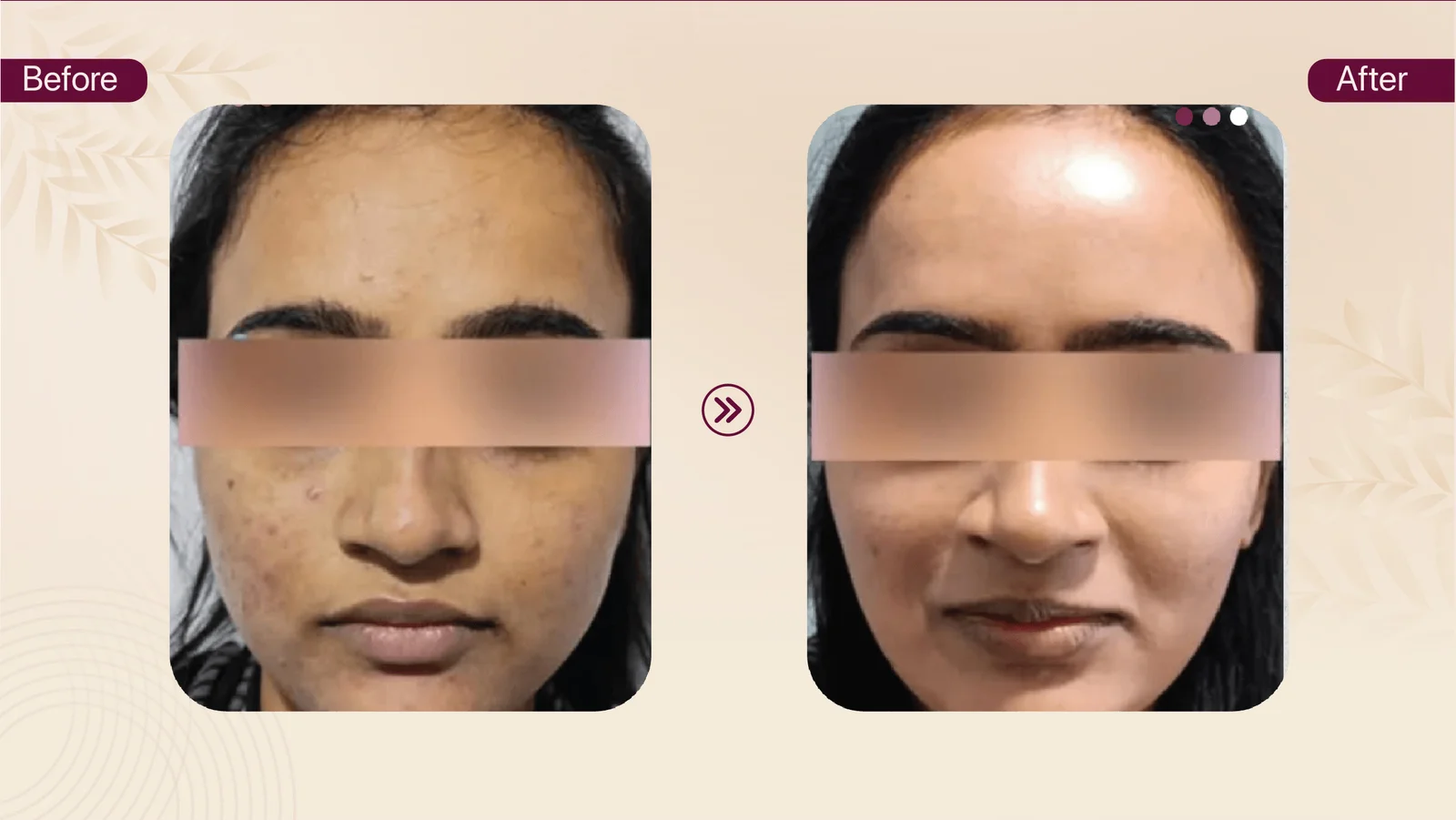
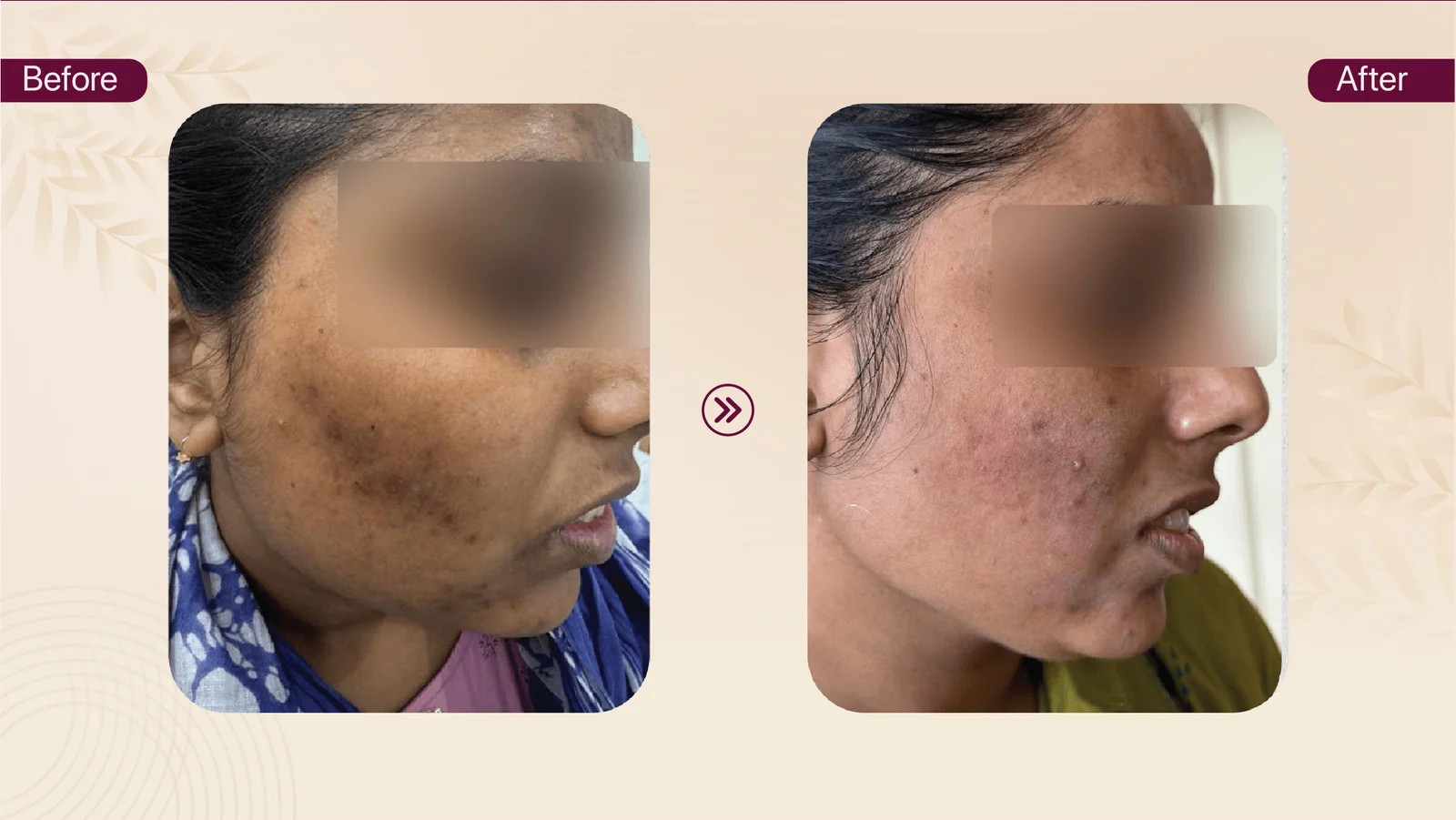
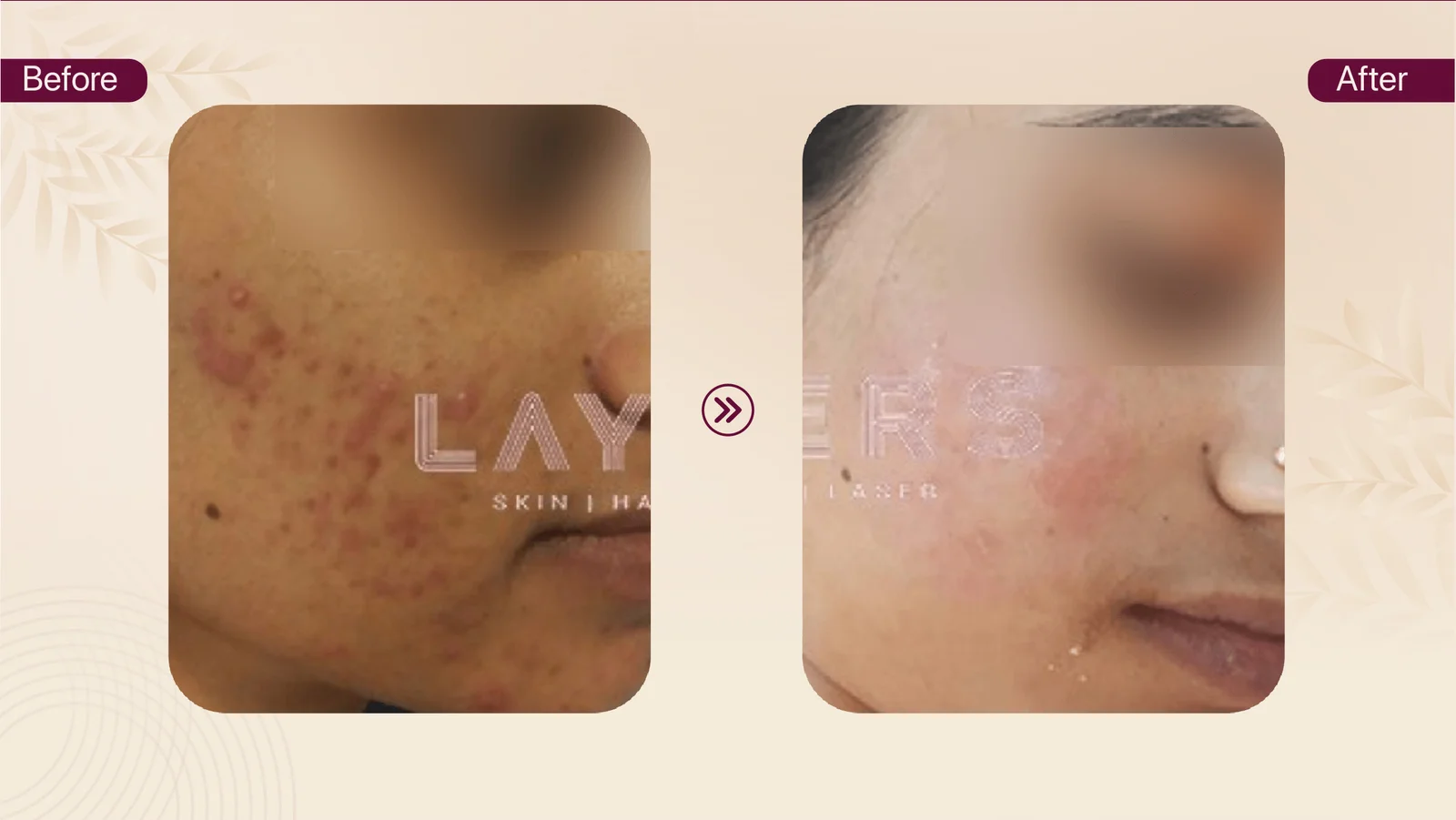
Individual results vary. These photographs show specific cases, not guaranteed outcomes. Original image quality, lighting and angles may differ. Your doctor can explain what may be possible for you.
Q-switch experiences at Layers. Some reviewers describe combined care with peels or Hydrafacial; their results cannot be attributed to laser alone.
“I have been taking Q-switch laser treatment for my pigmentation cure. And it is working good. I have started getting results.”
“I took Q-switch laser and HydraFacial sessions, and I can already see improvement.”
Combined Q-switch and Hydrafacial care.
“I have opted for skin Q switch treatment with combination of skin peels sessions this is my 5th session results are great”
Combined Q-switch and chemical-peel care.
“I had chemical peel and Q-switch treatment at Layer Clinic and I’m very happy with the results.”
Combined Q-switch and chemical-peel care.
“I took qswitch and chemical peel for my face and body the treatment result is excellent. I'm satisfied with the treatment”
Combined Q-switch and chemical-peel care.
“I recently got a Q-Switch treatment and a chemical peel here, and the whole experience was fantastic”
Combined Q-switch and chemical-peel care.
“Got chemical and Q switch done ! Loved the effect with in 2 sessions only !”
Combined Q-switch and chemical-peel care.
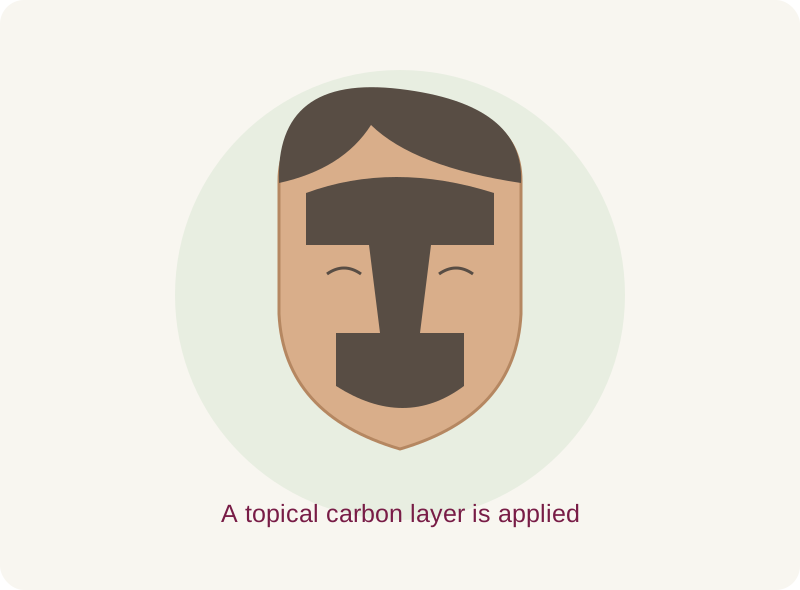
Understand what changes when a carbon layer is added to laser treatment.
Explore carbon peel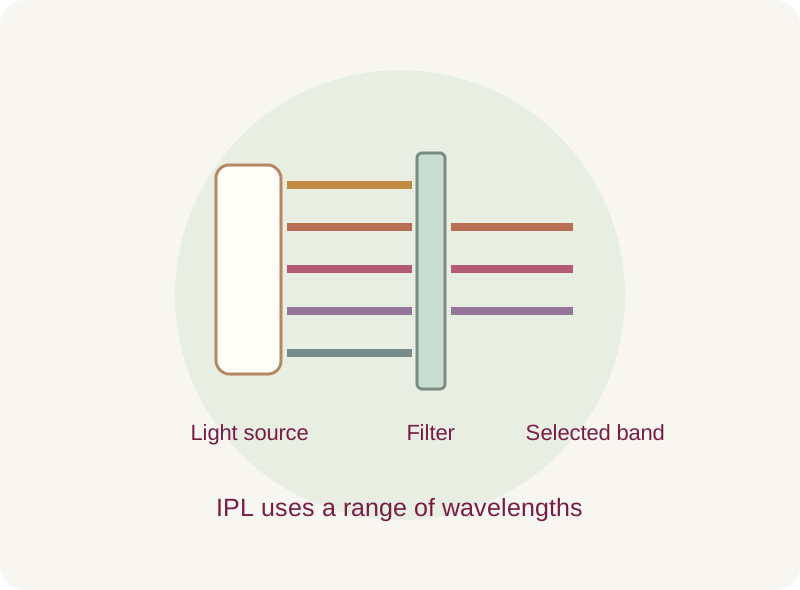
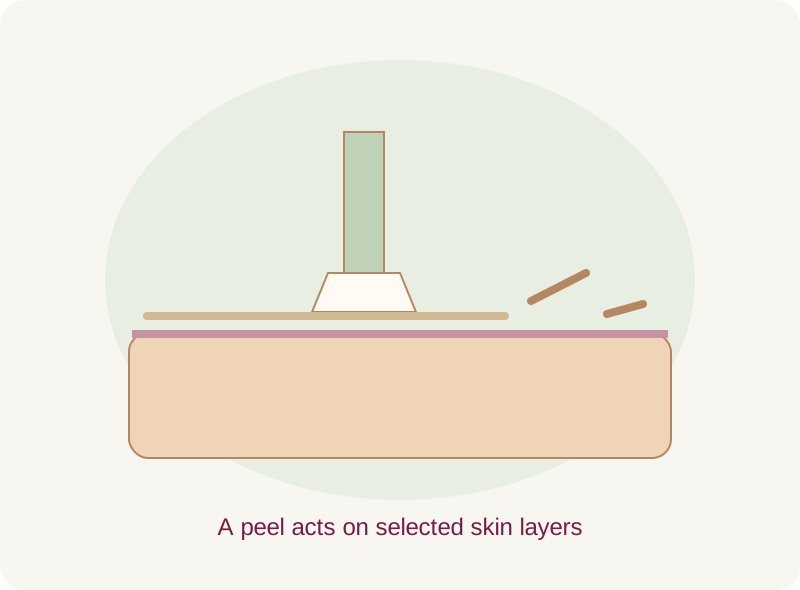
Learn how controlled exfoliation differs from pigment-targeting light.
Explore chemical peels















No. They have different targets and treatment plans. Laser toning addresses selected pigment concerns; hair-removal treatment targets hair follicles.
No. Melasma can recur and may worsen after laser treatment. Your dermatologist will discuss whether laser is appropriate and how ongoing skincare and protection fit the plan.
There is no suitable fixed number for everyone. The concern, skin response and previous treatment guide the schedule. Repeated sessions need review because side effects can accumulate.
Some people may be suitable after assessment. Darker skin can develop pigment changes after irritation, so device selection, settings and follow-up need care.
People may feel warmth or a snapping sensation. The clinician will discuss comfort measures and should be told about unexpected or severe discomfort.
Sometimes a plan includes both, but the order and spacing depend on the skin and products used. Combining more procedures is not automatically better.
Some products may need to be paused. Follow the advice for your treatment and confirm when to restart strong acids, retinoids and other active products.
Pause further treatment and contact the clinic for assessment. New pale or darker areas need review before any additional laser sessions.
Bring your questions about pigmentation, laser treatment and ongoing care.
Prefer a call? +91 9000 572727