
Appetite and fullness
GLP-1 activity affects appetite signals. Feeling fuller can make it easier to reduce food intake, alongside a suitable eating plan.
These prescription medicines can help selected people manage weight. Learn how they work, who may benefit and what ongoing care involves.

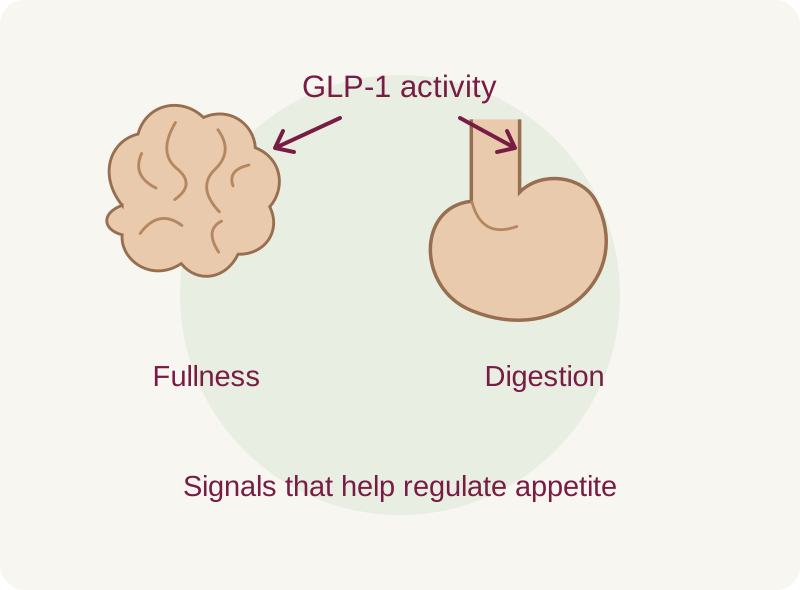
GLP-1 stands for glucagon-like peptide-1, a hormone involved in appetite and blood sugar regulation. GLP-1 medicines act on the same receptor to help people feel fuller and eat less.
Some products are used for type 2 diabetes, some for weight management, and indications differ. A prescriber should check the exact medicine, current Indian prescribing information and your health needs.
GLP-1 activity affects appetite signals. Feeling fuller can make it easier to reduce food intake, alongside a suitable eating plan.

These medicines can slow stomach emptying. This helps explain some digestive effects and why the anaesthetic team needs to know before a procedure.

They support insulin release when blood sugar is raised and reduce glucagon signalling. Other diabetes medicines may need review to avoid low blood sugar.
Semaglutide and liraglutide are GLP-1 receptor agonists. Tirzepatide works on both GIP and GLP-1 receptors. They are related options, but are not interchangeable products.
Schedules, strengths, devices and approved uses vary. Discuss which medicine, if any, is appropriate and available through your chosen clinic. Do not combine or switch products yourself.
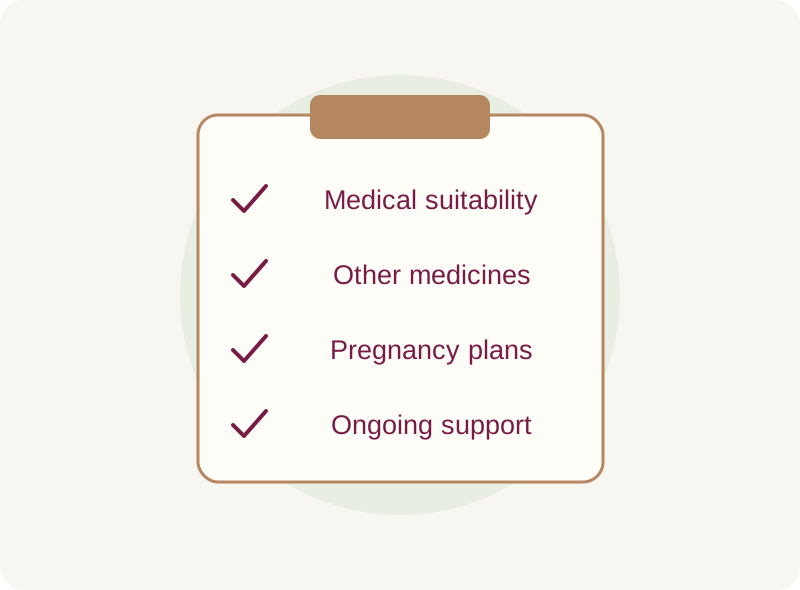
A prescriber considers obesity or qualifying weight-related health risks against the product’s indication. The decision is not based simply on wanting a smaller clothing size.
Discuss medicines, allergies, kidney or liver problems, pancreatitis, gallbladder problems, severe digestive symptoms and any thyroid-cancer or MEN2 family history.
GLP-1 medicines should not be used during pregnancy. Discuss breastfeeding, contraception and plans to conceive before starting; the stopping interval depends on the medicine.
Treatment needs a plan for nutrition, activity, side effects and reviews. Discuss what continuing care would involve before deciding.
Discuss weight history, other treatment, relevant examination and any tests the prescriber considers necessary.
Ask about expected benefits, side effects, alternatives and follow-up. If prescribed, receive instructions specific to the product and device.
Your prescriber decides dose changes. Ask what to do about missed doses, storage and travel; instructions differ between products.
Discuss eating enough nutritious food, hydration and suitable movement. Let the team know if nausea or low appetite makes eating or drinking difficult.
Review weight trends, relevant health measures, side effects and how the plan fits your life. Continuing treatment should be a considered decision.
Do not increase, combine, switch or restart a medicine without advice. If treatment stops, agree how weight and health will be followed afterwards.

Nausea, vomiting, diarrhoea and constipation can occur. Report persistent symptoms, especially if they prevent you eating or keeping fluids down.
Insulin or sulfonylureas can increase the risk of low blood sugar when used alongside these medicines. The prescriber may need to adjust the wider treatment plan.
Tell the anaesthetic team before surgery or deep sedation. Tirzepatide can affect oral contraception; ask about additional or alternative contraception when starting or increasing a dose.
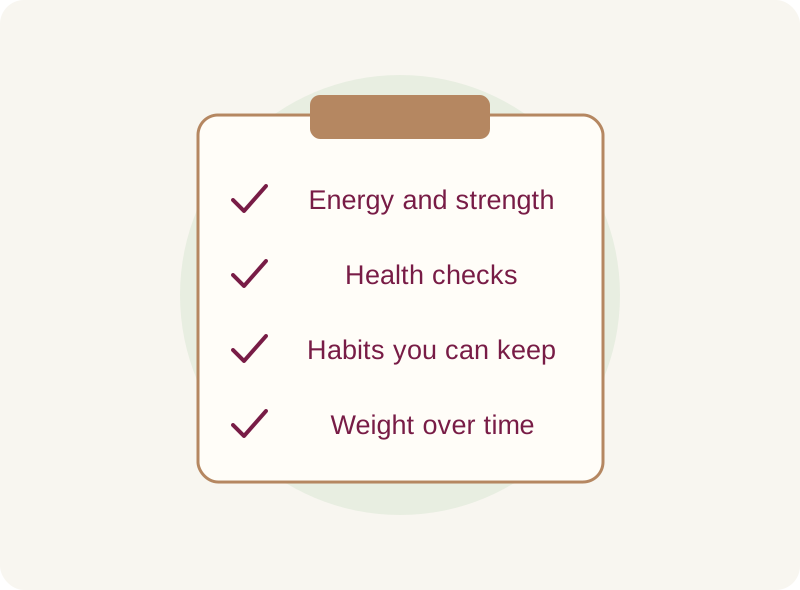
Response varies by medicine and person. These are usually part of ongoing weight care, not a short cosmetic course. Review benefits, risks and the continuing plan with your prescriber.
Weight regain can occur after stopping. Food, activity and follow-up remain important whether medication continues or changes. There is no guaranteed weight-loss amount or permanent result.
These reviews describe general care and consultations at Layers. They are not GLP-1 treatment results.
“The doctors listened carefully to my concerns and explained the treatment in a clear and professional manner.”
Consultation experience; condition not specified.
“She explained the treatment clearly and made me feel comfortable throughout the consultation.”
Consultation experience; condition not specified.
“The doctor took the time to understand my skin concerns and explained the treatment plan clearly, without rushing.”
Consultation experience; condition not specified.
“Very patient ,humble and polite to answer every single query and build confidence.”
Consultation experience; condition not specified.
“The doctors explained everything clearly and made me feel comfortable and confident.”
Consultation experience; condition not specified.
“The doctor took the time to listen to my concerns patiently and explained the treatment options clearly.”
Consultation experience; condition not specified.
















No. It describes a hormone pathway and a group of medicines. The exact product, approved use and prescription matter.
Do not self-prescribe. A prescriber must check the particular product’s indication and whether it is appropriate for your health and weight-related needs.
Yes. Medication is used alongside food, activity and ongoing support. Ask for a practical plan that maintains nutrition and supports physical function.
There is no guaranteed amount. The medicine, your response, side effects and the wider plan all influence progress. Your clinician can explain realistic expectations for the chosen treatment.
Contact your prescriber for advice, especially with persistent vomiting or difficulty keeping fluids down. Severe ongoing abdominal pain requires urgent assessment. Do not independently increase the dose.
No. Discuss plans before treatment. These medicines require pregnancy avoidance and a product-specific stopping plan before conception. Contact the prescriber promptly if pregnancy occurs.
Review this with the prescriber. Benefits, risks and the maintenance plan matter, and weight can return after stopping. Avoid an unplanned switch or restart.
No. Local fat-reduction procedures have a different purpose and mechanism. GLP-1 medicines act systemically and need a medical prescribing and monitoring plan.
Discuss your health, treatment options and what a supported weight-care plan could involve.
Prefer a call? +91 9000 572727