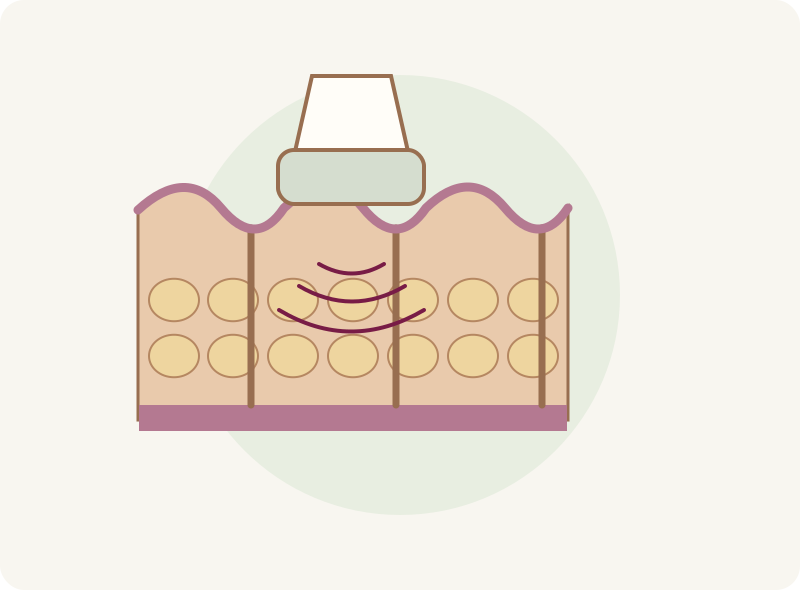
Acoustic wave treatment
Some sound-wave treatments can reduce visible dimpling. A course of sessions may be needed. This is different from assuming every ultrasound fat-reduction device treats cellulite.
Cellulite is common at many body sizes. If its appearance bothers you, an assessment can help explain your options and the improvement they may offer.
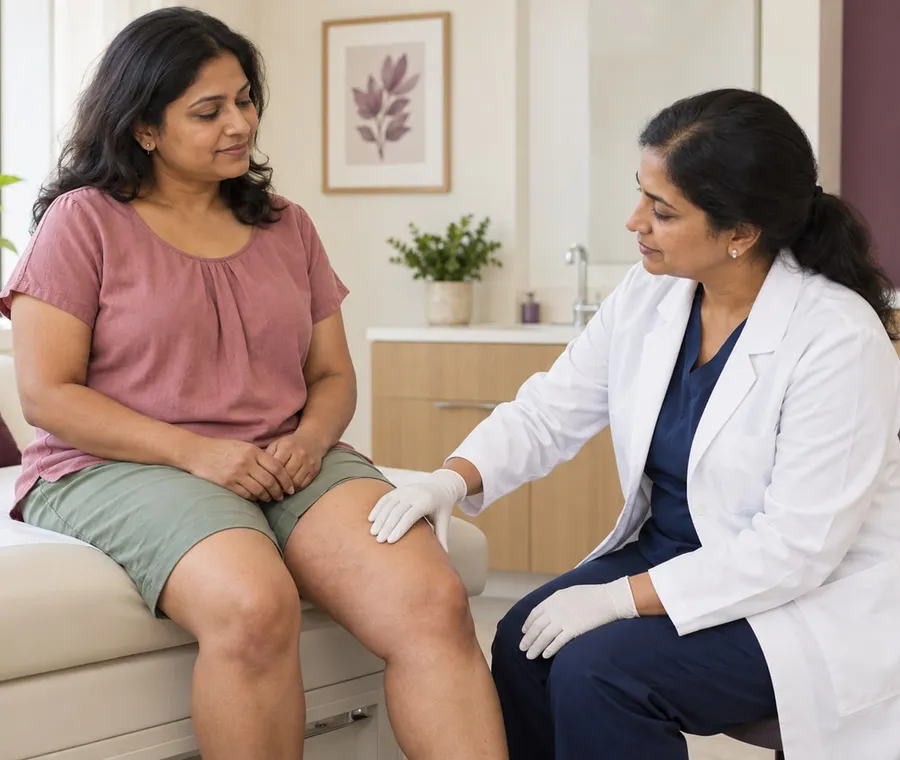
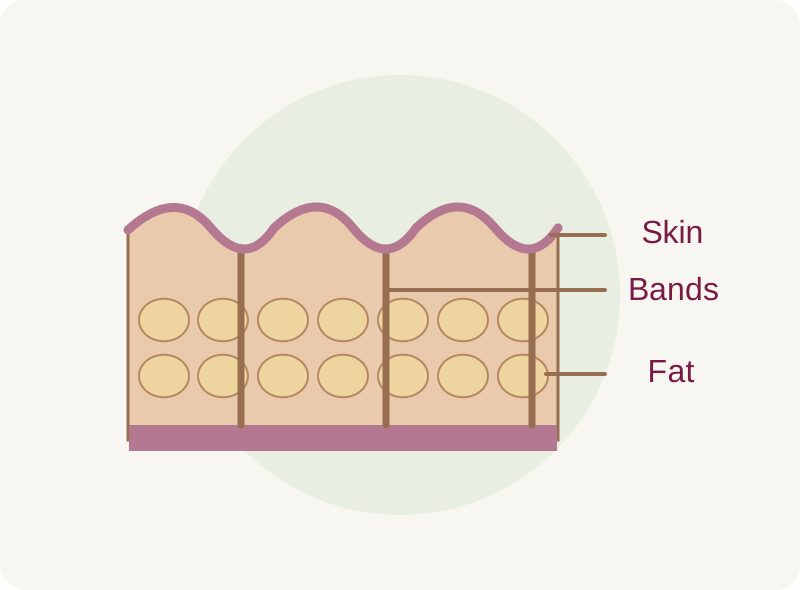
Cellulite is the uneven or dimpled texture often seen on the thighs and buttocks. Connective bands beneath the skin pull down while the surrounding fat pushes upward. Skin thickness and firmness also affect how visible it looks.
It is a common cosmetic concern, not a sign of poor hygiene or a reason to feel you have done something wrong. People with lean bodies can have cellulite too. Treatment is optional.
Some sound-wave treatments can reduce visible dimpling. A course of sessions may be needed. This is different from assuming every ultrasound fat-reduction device treats cellulite.
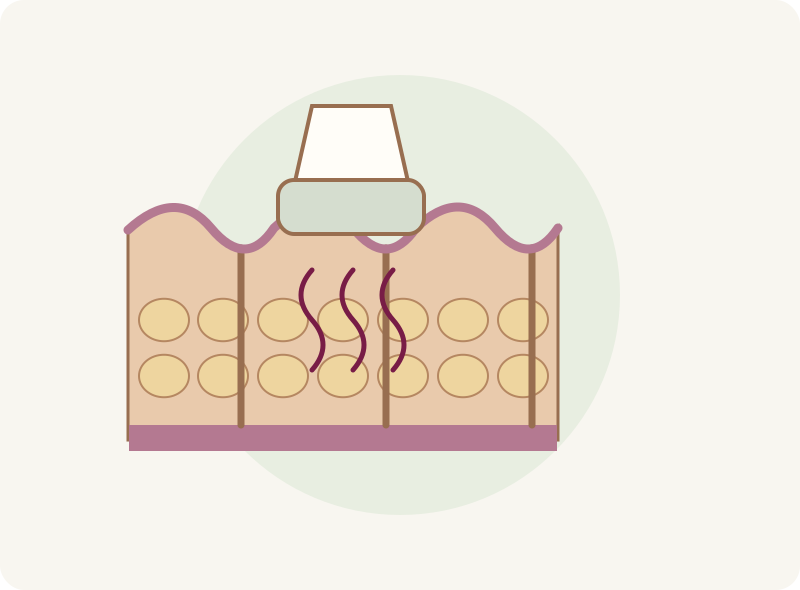
Radiofrequency and certain laser methods may improve selected skin changes. The effect and recovery depend on the technology; improvement can be temporary.
Understand radiofrequency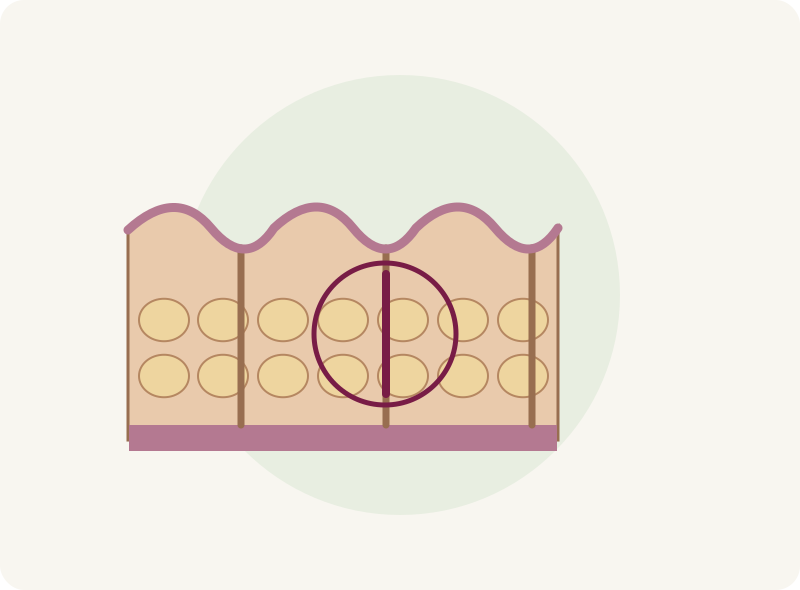
Subcision and related procedures target bands beneath particular dimples. They are more invasive and have a different risk and recovery profile.
Your clinician will explain which method is suitable and available at your chosen clinic.
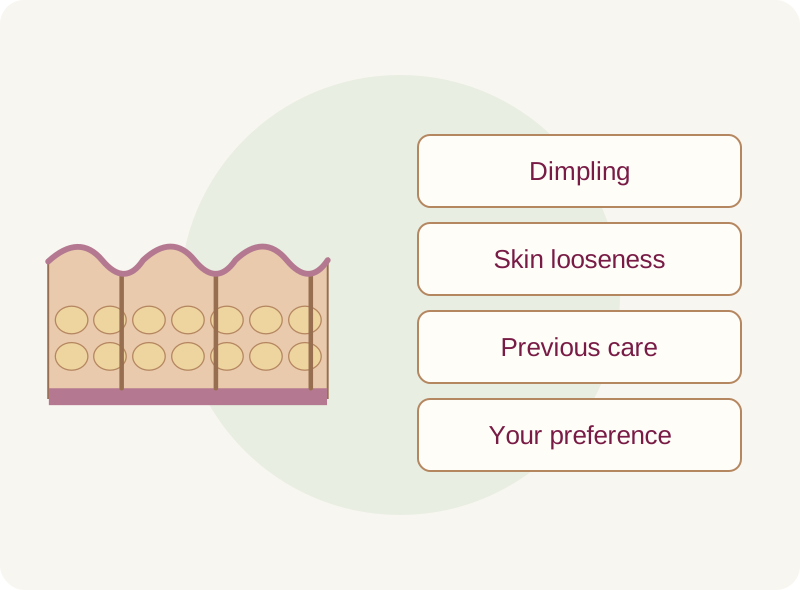
The clinician looks at dimples, skin looseness and local fullness. These can occur together but may need different approaches.
Discuss skin problems, medicines, implants, previous procedures and how you heal. Pregnancy and other health changes may affect whether or when to consider cosmetic treatment.
Aim for an improvement in appearance, not completely smooth skin forever. You can also choose to leave cellulite untreated.
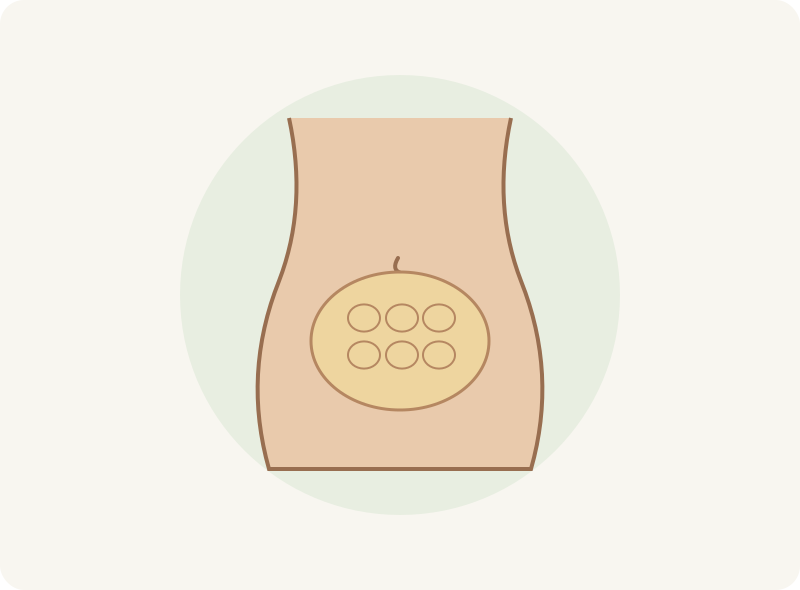
A treatment that reduces fat may leave dimpling unchanged. Liposuction is not a cellulite treatment and can sometimes make dimples more noticeable. Fat freezing also does not specifically correct the connective bands involved.
Healthy activity may improve muscle tone and the way skin looks, but it does not guarantee that cellulite disappears. The best comparison is between methods aimed at your actual concern, rather than choosing the most familiar machine name.
Explain what you notice and any previous treatment. The clinician examines the skin and reviews your history.
Confirm the device or procedure, its likely benefit, recovery, risks and review plan. A non-invasive session and a band-release procedure need different preparation.
Surface treatments may use an applicator and gel. Invasive methods require the appropriate anaesthetic and procedure setting. The team should explain which applies to you.
Tell the clinician about unexpected pain or heat. Treatment should follow the selected method’s safety instructions, not a universal cellulite setting.
Ask about skin care, activity, bruising and any dressings or support garment. Do not assume advice for one method applies to another.
If photographs are used, compare similar lighting and posture after early effects settle. Discuss whether a change is worthwhile before planning maintenance.

Some treatments make dimples less noticeable, but results vary and cellulite can remain. Surface treatments may need repeat visits; longer-lasting procedures involve different trade-offs. No single method works for every skin pattern.
Ask to see appropriately consented examples of the actual treatment being discussed. Confirm how long to wait before judging it and what maintenance, if any, may be needed. An immediate change under different lighting is not a fair result comparison.
Tenderness, redness, swelling or bruising may occur. Energy-based devices can also cause burns, pigment changes or other skin injury.
Band-release or under-skin procedures add risks such as bleeding, infection, scarring and uneven contours. Discuss the recovery and clinician’s experience.
The improvement may be small, temporary or different from what you hoped for. Understand the limits before committing to repeated treatment.
These reviews describe general consultations and care at Layers. They are not cellulite-treatment outcome reports.
“The doctors listened carefully to my concerns and explained the treatment in a clear and professional manner.”
Consultation experience; condition not specified.
“She explained the treatment clearly and made me feel comfortable throughout the consultation.”
Consultation experience; condition not specified.
“The doctor took the time to understand my skin concerns and explained the treatment plan clearly, without rushing.”
Consultation experience; condition not specified.
“Very patient ,humble and polite to answer every single query and build confidence.”
Consultation experience; condition not specified.
“The doctors explained everything clearly and made me feel comfortable and confident.”
Consultation experience; condition not specified.
“The doctor took the time to listen to my concerns patiently and explained the treatment options clearly.”
Consultation experience; condition not specified.
















Yes. Body size is only one influence. Connective tissue, skin and other individual factors affect dimpling.
No. Cellulite is usually a harmless cosmetic concern. Choosing no treatment is a valid option.
There is no guarantee of permanently smooth skin. Some methods offer longer-lasting improvement than others, but the response varies.
It may change how visible cellulite looks, but it does not reliably eliminate it. Loose skin after weight loss can also affect its appearance.
No. Ultrasound body contouring primarily targets local fat. Cellulite needs assessment of skin texture and the bands beneath it.
Some may give a small or temporary change. They do not offer the same effect as releasing selected bands, and claims of complete removal are not realistic.
A combination may sometimes be considered when there are different concerns. Each addition needs a clear reason and its own risk assessment.
Ask which feature the method targets, what improvement to expect, who performs it, downtime, side effects and how the response will be reviewed.
Discuss dimpling, the change you would like and whether treatment is worthwhile for you.
Prefer a call? +91 9000 572727