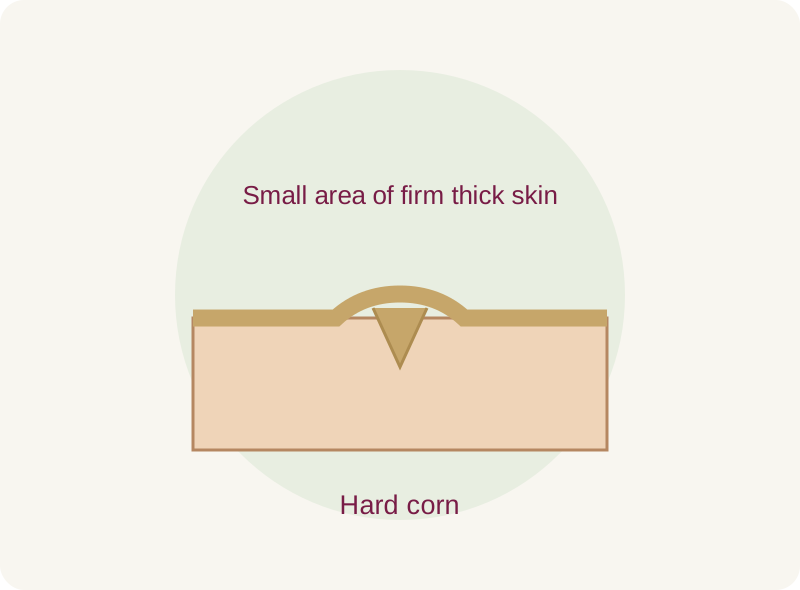
Hard corns
These small, dense areas often develop over a bony point or pressure spot, such as the top of a toe or the sole. Direct pressure can make them hurt.
Corns and calluses form where skin faces repeated pressure or rubbing. Understanding that pressure is the first step towards more comfortable walking.
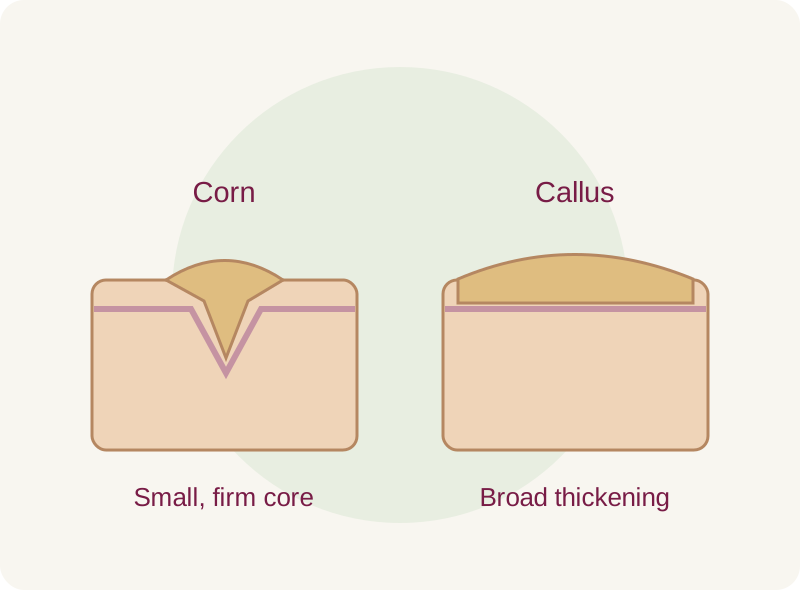
A corn is a small area of thickened skin, often with a firm central core. A callus is a wider patch of hard skin. Both can develop as the skin responds to repeated pressure or friction.
They commonly affect toes, the ball of the foot and heels. Calluses can also appear on hands from repeated tasks. A painful spot may have another cause, including a wart, so it helps to confirm what it is.
These small, dense areas often develop over a bony point or pressure spot, such as the top of a toe or the sole. Direct pressure can make them hurt.
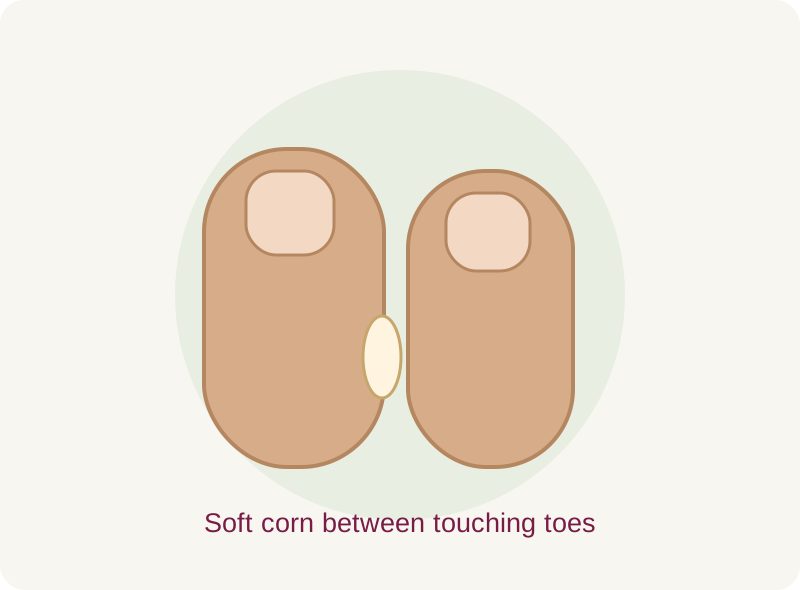
Between toes, moisture can keep a corn pale and softer. Toes pressing or rubbing together can make the small area surprisingly sore.
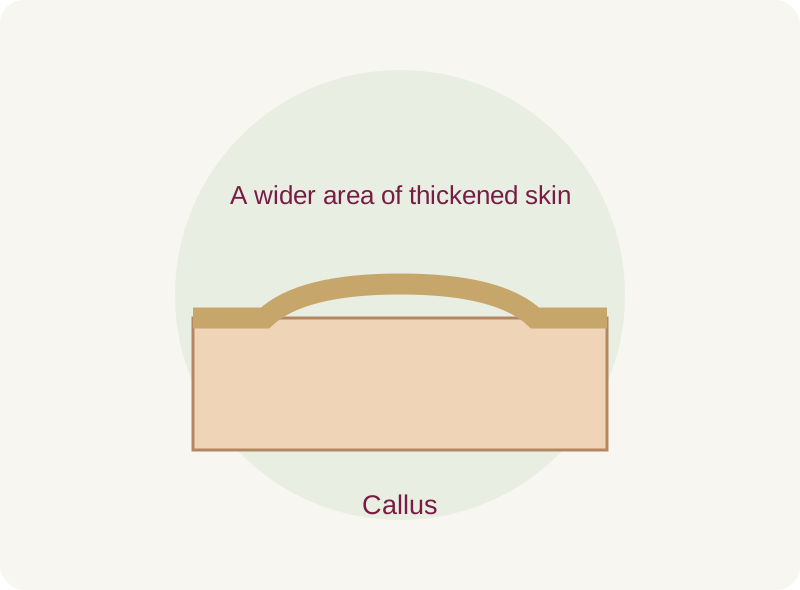
Calluses cover a larger area, such as the heel or forefoot. They may be painless, but thick build-up or cracks can become uncomfortable.
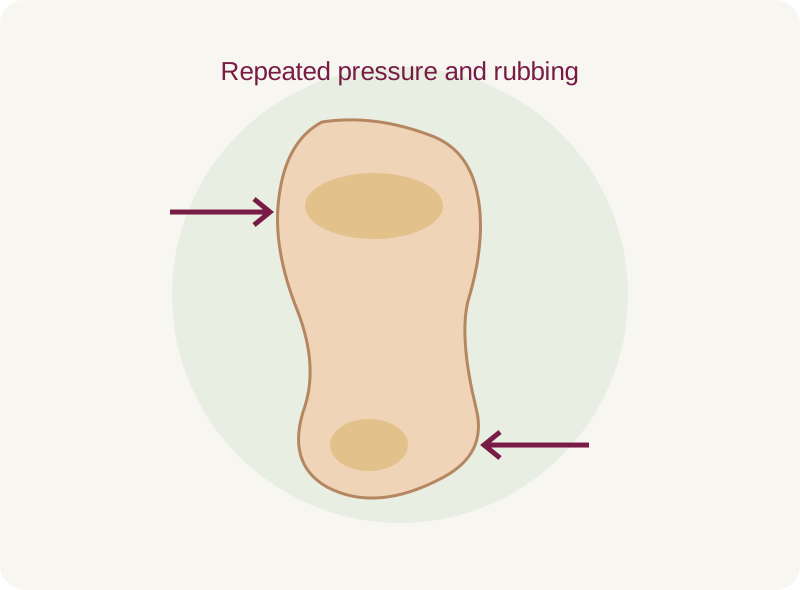
Tight toe boxes, high heels, hard seams and socks that bunch up can repeatedly load the same spot.
Toe position, prominent bones and reduced padding under the foot can affect pressure. Recurring discomfort may need a foot specialist’s assessment.
Long periods of walking, standing or tasks involving repeated grip can thicken skin. Removing the surface alone does not remove the cause.
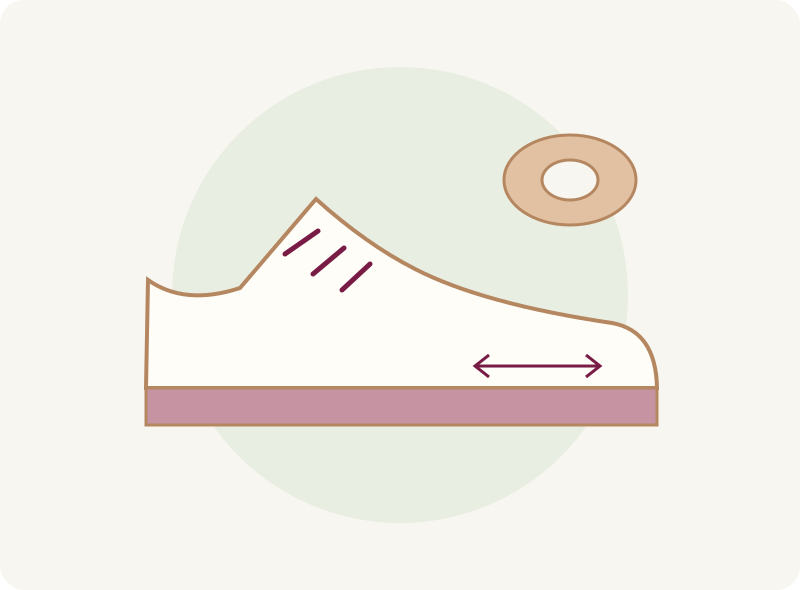
Well-fitting shoes, comfortable socks and correctly placed non-medicated padding may help. A foot specialist can advise on toe separators or insoles when needed.
Moisturising and selected softening products can reduce dry build-up. Ask before using acid corn plasters, especially on fragile skin or if circulation or sensation is reduced.
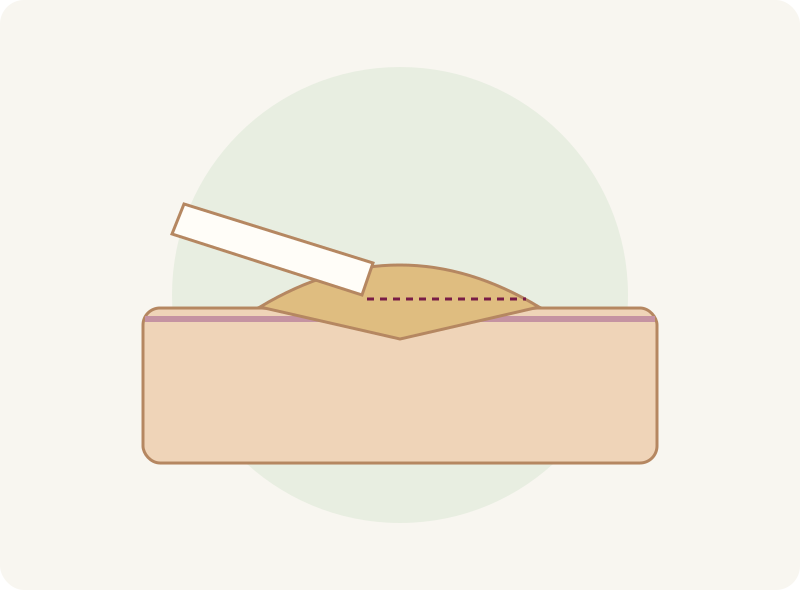
A trained professional may carefully reduce the hard skin. Assessment also checks for a wart or another cause, and plans how to prevent repeated pressure.
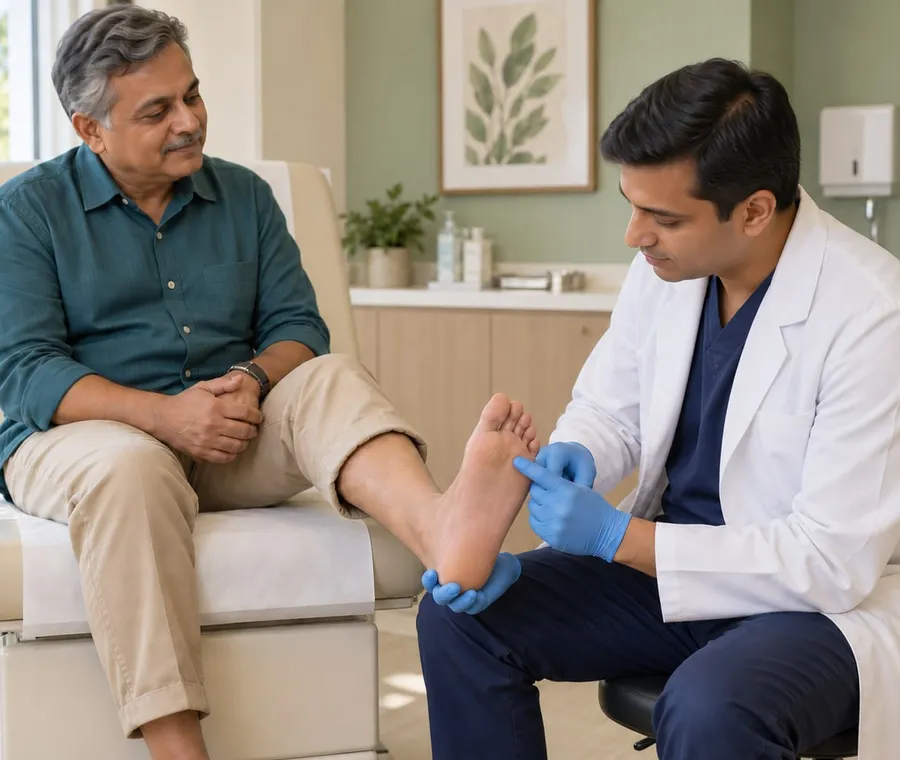
Explore corn and callus careThe clinician examines its location, skin pattern and tenderness. A wart, wound or unusual growth needs different care.
Mention diabetes, circulation problems, numbness and medicines. Bring shoes you use for work, walking or exercise.
Agree footwear or padding changes and whether a podiatry or other specialist referral would help.
Professional reduction or selected softening care may be useful. Do not cut out the centre or use a blade at home.
Follow pain during normal activity, skin comfort and any return of thickening. Adjustments to shoes can be as important as the skin treatment.
Repeated recurrence, a new wound or increasing pain needs another review. A different source of pressure or diagnosis may be involved.
Give toes space, avoid seams over the sore spot and replace shoes that repeatedly rub. Keep socks smooth and comfortable.
Moisturise dry skin as advised. Avoid cutting, digging or aggressive filing. Get professional guidance if you cannot easily see, reach or feel the area.
Do not cover a worsening wound with another corn plaster. Report discharge, heat, swelling or pain that limits activity, particularly if you have a higher-risk foot.
Reducing pressure and treating troublesome hard skin may make walking more comfortable. How quickly you notice a difference depends on the cause, the skin and the care needed.
Corns and calluses can return when the same rubbing continues. The aim is a manageable foot-care plan, not repeated removal without changing the pressure. Surgery for an underlying bone or toe problem is a separate specialist decision, not a routine corn treatment.
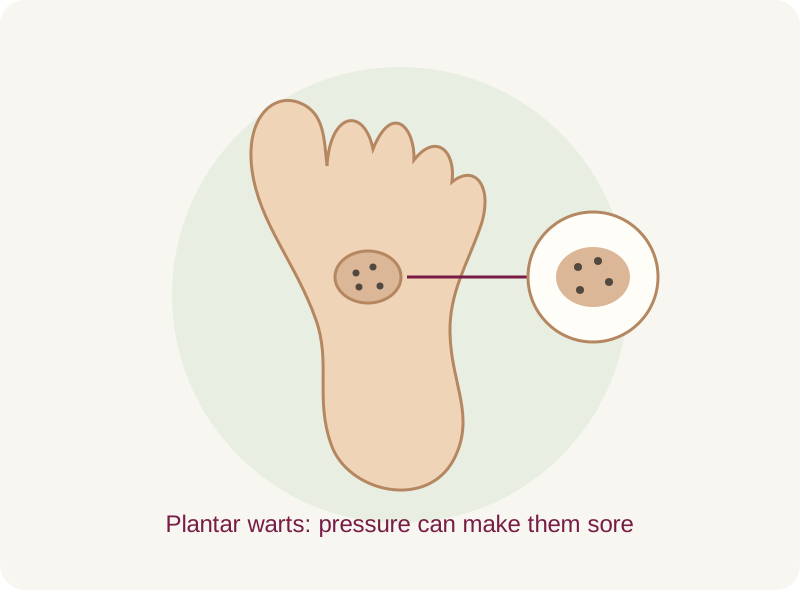
Warts are caused by a virus rather than pressure alone. An examination can help distinguish the two.
Understand viral warts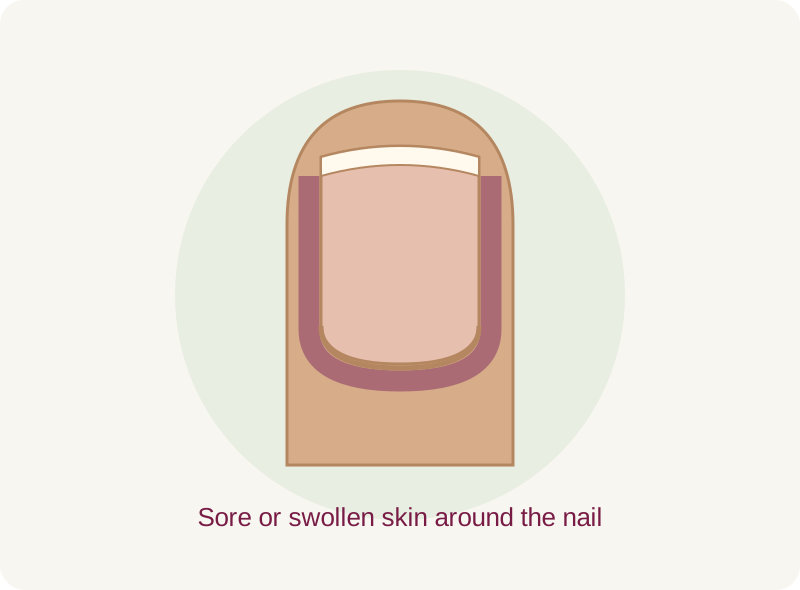
An ingrown edge, irritated nail fold or thickened nail may also affect comfort in shoes.
Explore nail disordersThese original Google excerpts describe general consultations and care. They do not identify corn treatment or its outcomes.
“The doctors listened carefully to my concerns and explained the treatment in a clear and professional manner.”
Consultation experience; condition not specified.
“She explained the treatment clearly and made me feel comfortable throughout the consultation.”
Consultation experience; condition not specified.
“The doctor took the time to understand my skin concerns and explained the treatment plan clearly, without rushing.”
Consultation experience; condition not specified.
“Very patient ,humble and polite to answer every single query and build confidence.”
Consultation experience; condition not specified.
“The doctors explained everything clearly and made me feel comfortable and confident.”
Consultation experience; condition not specified.
“The doctor took the time to listen to my concerns patiently and explained the treatment options clearly.”
Consultation experience; condition not specified.
















Both involve thickened skin. A corn is usually smaller with a dense centre, while a callus spreads across a wider area.
Corns are caused by pressure and friction, not an infection, so they are not contagious. A viral wart is a different condition.
The firm centre can press into the outer skin, but it is not a plant-like root. Ongoing pressure, rather than a root left behind, commonly explains recurrence.
Moisture between toes can soften the thick skin. Pressure from adjacent toes or footwear may still make it painful.
Non-medicated padding and acid-containing removal plasters are different. Get advice before using medicated products; they can damage healthy skin and may be unsuitable with diabetes, reduced sensation or poor circulation.
A trained professional can assess the area and may reduce the thickened skin when appropriate. Footwear and pressure relief should be part of the plan too.
Not necessarily. If the same pressure or friction remains, the skin may thicken again. Reassess the cause rather than repeatedly treating only the surface.
Get assessed if pain is severe, affects everyday activity, persists despite care, or the area bleeds, becomes hot or produces discharge. Seek advice early if you have diabetes, circulation problems or reduced sensation.
Discuss the sore spot, your footwear and the care that can help.
Prefer a call? +91 9000 572727