Eyebrow microblading
Compare a fine-stroke finish with shaded brows and understand the different application method.
Explore microbladingLike the look of softly filled brows? Explore how small dots of pigment can add definition, with shape and colour planned around you.
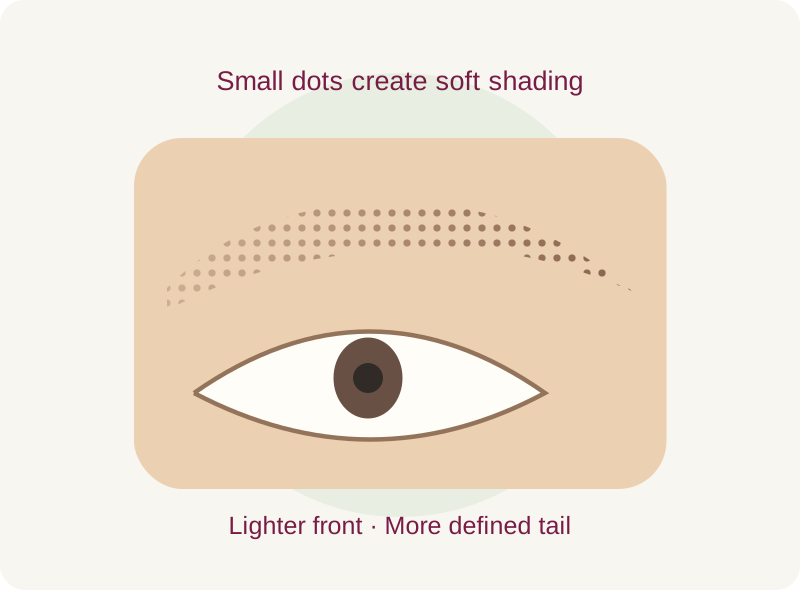
Microshading is cosmetic tattooing that uses small dots of pigment to create a shaded eyebrow. It is often called powder brows. Unlike drawing separate hairs, the aim is a soft background of colour.
An ombré style has a lighter front and more definition towards the tail. How soft or defined the brows look is part of the design discussion, not a separate treatment for hair growth.
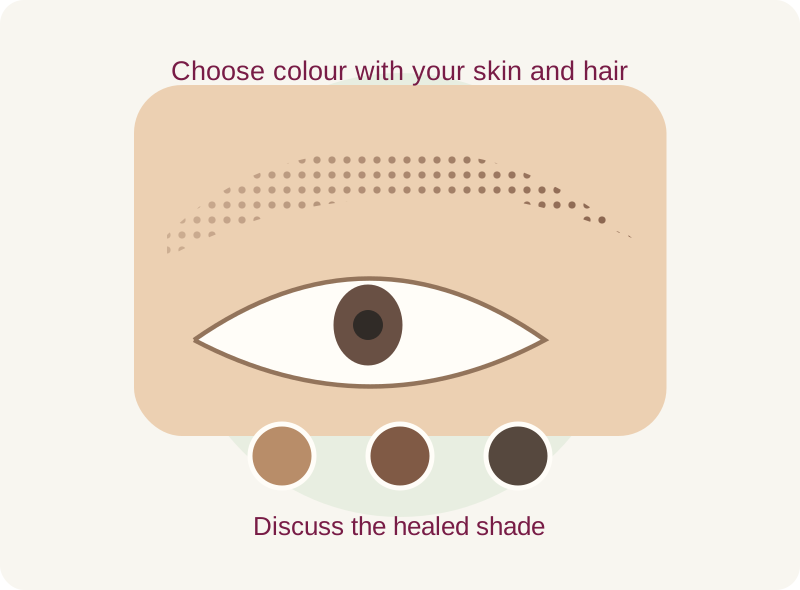
A familiar starting point is how you usually fill your brows with makeup. Explain whether you want subtle definition or a more noticeable powder effect.
Discuss your natural brow hair and skin tone. The shade you see immediately after treatment may look different once the skin has healed.
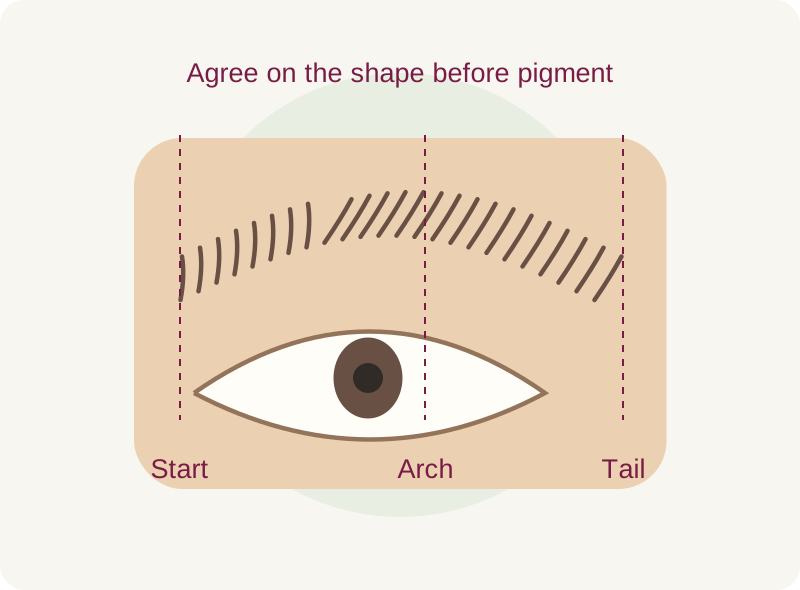
The proposed outline should be checked before pigment is applied. Discuss the front, arch and tail, including how they look with your normal expression.
Pigment can add a background of colour around existing hair. It does not replace hair texture or change the underlying cause of sparse brows.
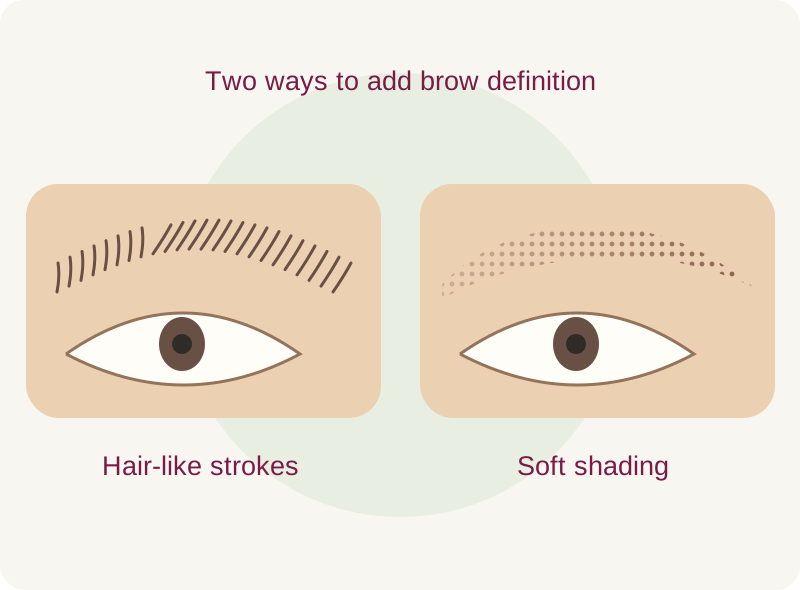
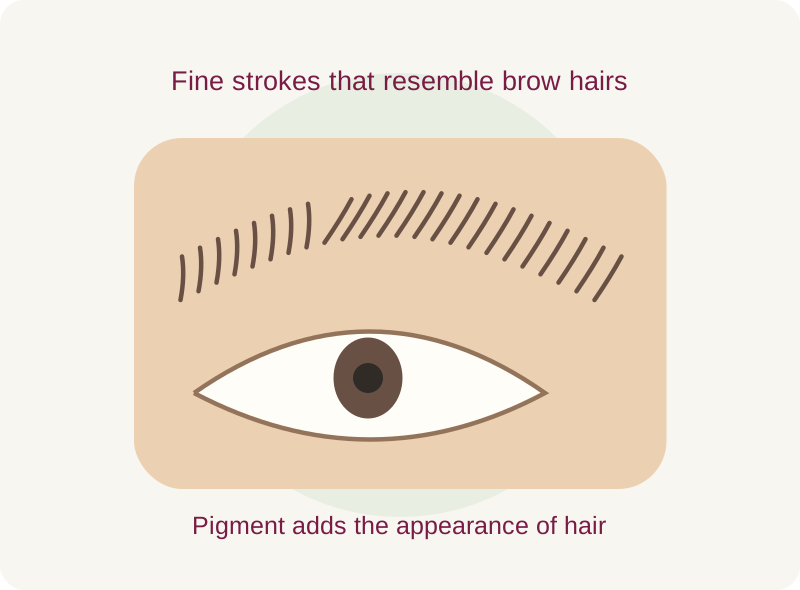
Microshading builds a powder effect from dots. Microblading places fine lines to resemble individual hairs. A combined design can include both, but the right choice depends on your skin, existing pigment and preferred finish.
No method suits every skin type. Ask to discuss healed examples and upkeep, rather than choosing only from freshly finished brows.
Shading may suit a cosmetic goal such as making the brow body or tail more visible. A softer or more defined finish can be discussed.
Active irritation, broken skin or infection may mean postponing treatment. Tell the team about recent peels, lasers and other facial procedures.
Discuss allergies, healing or scarring problems, medicines and pregnancy or breastfeeding. Previous tattoo reactions need particular attention.
Pigment fades differently for different people and may not disappear fully. Consider the long-term colour, possible touch-ups and limits of correction.
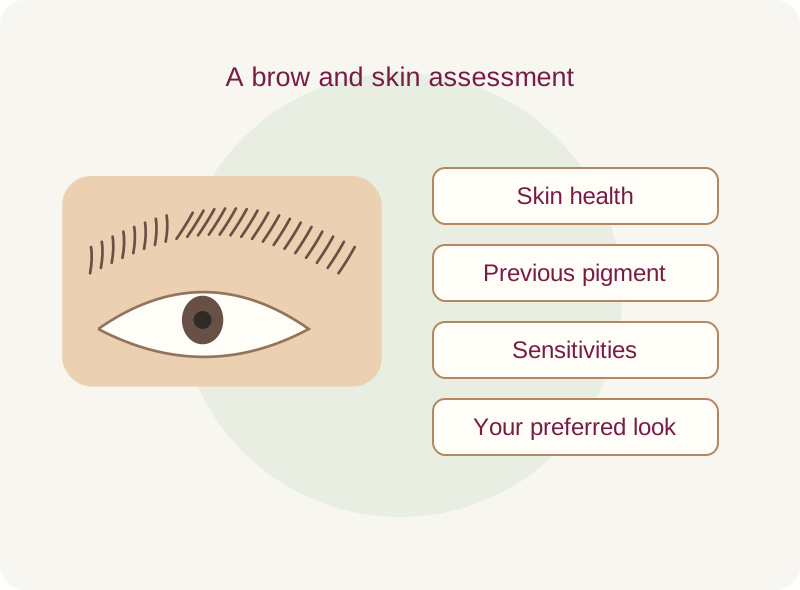
Explain any previous brow work, skin symptoms and health concerns. New or unexplained eyebrow loss may need a medical assessment first.
Check the drawn outline and discuss colour, softness and comfort measures. Ask about the proposed device and what the visit will involve.
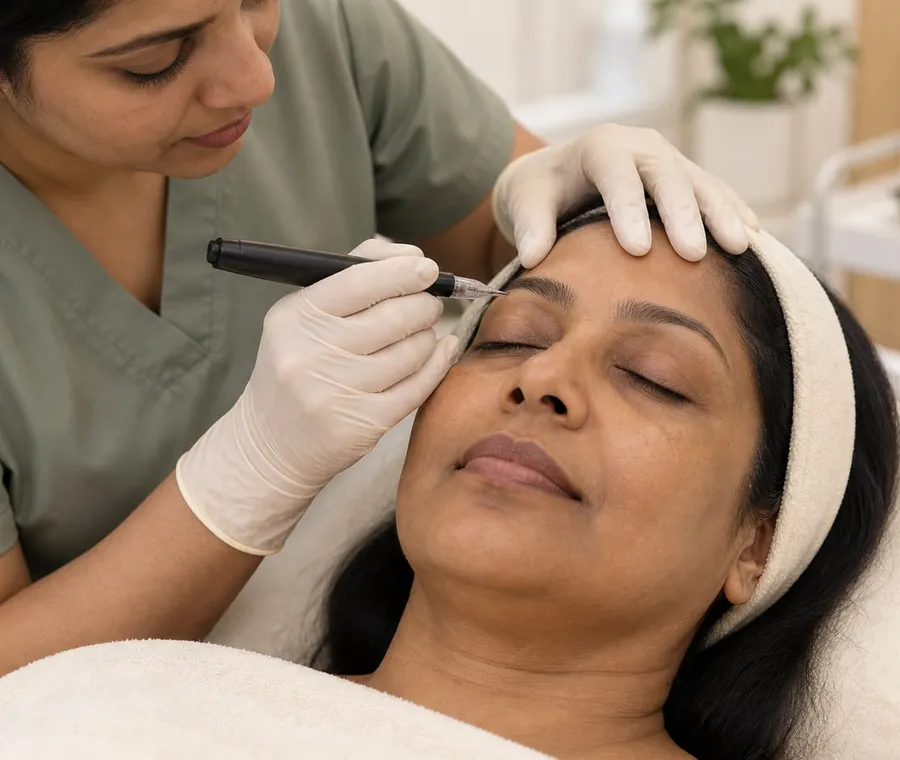
The area is cleaned and suitable comfort measures are used. The skin-contact needle or cartridge should be sterile and single-use.
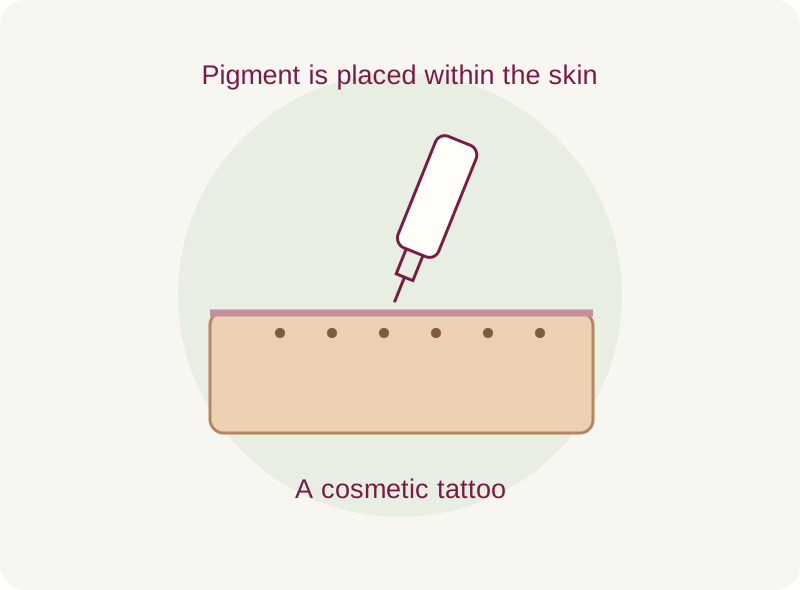
The practitioner uses controlled pigment placement to build the chosen shading. The device and approach depend on the planned technique; discomfort should be communicated throughout.
Use the recommended cleaning routine and products. Avoid picking or scratching and confirm when makeup, exercise, swimming and facial treatments can resume.
The follow-up considers colour retention, balance and any patchy areas. A touch-up is a decision made after assessment, not a reason to keep adding pigment routinely.
Fresh brows can appear stronger or darker than the eventual finish. Mild soreness and flaking may occur while the surface heals. Do not pick flakes or try to lighten the colour yourself.
Your aftercare and review timing should be explained at the appointment. Once the skin has healed, sun protection and suitable skin care form part of long-term maintenance.
Colour and texture can look uneven during healing. Keep your review appointment and discuss areas of concern before arranging more pigment.
Infection, pigment allergy and scarring are possible. Colour can shift or the outline can blur; an unwanted tattoo is not always easy to remove.
Contact a clinician for worsening pain, spreading redness, discharge or marked swelling. Eye symptoms, including pain or altered vision, need urgent medical assessment.
Compare a fine-stroke finish with shaded brows and understand the different application method.
Explore microbladingOriginal eyebrow microblading and shaping cases from Layers Clinics. Individual results vary.
Showing all 4 photographs
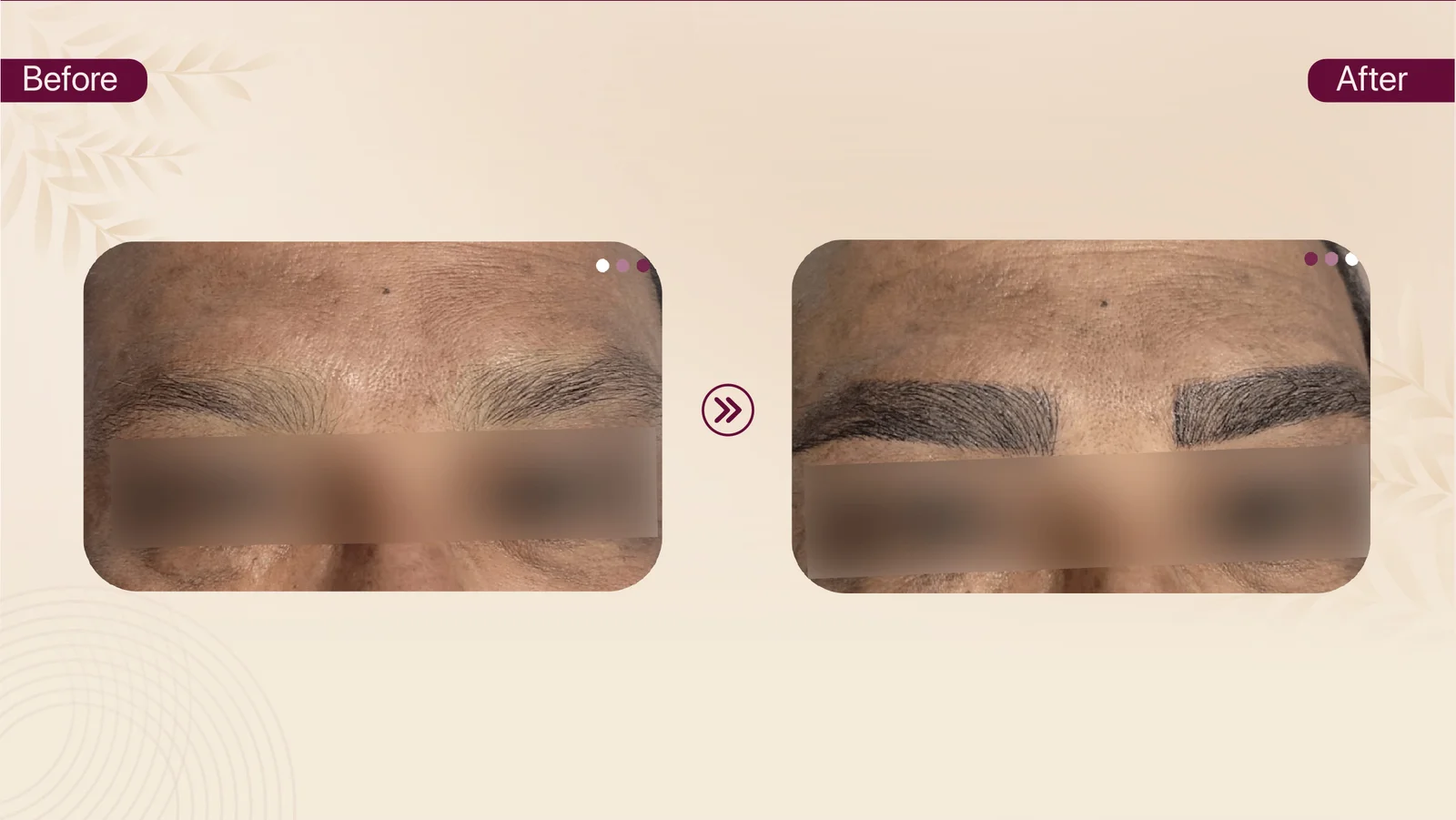
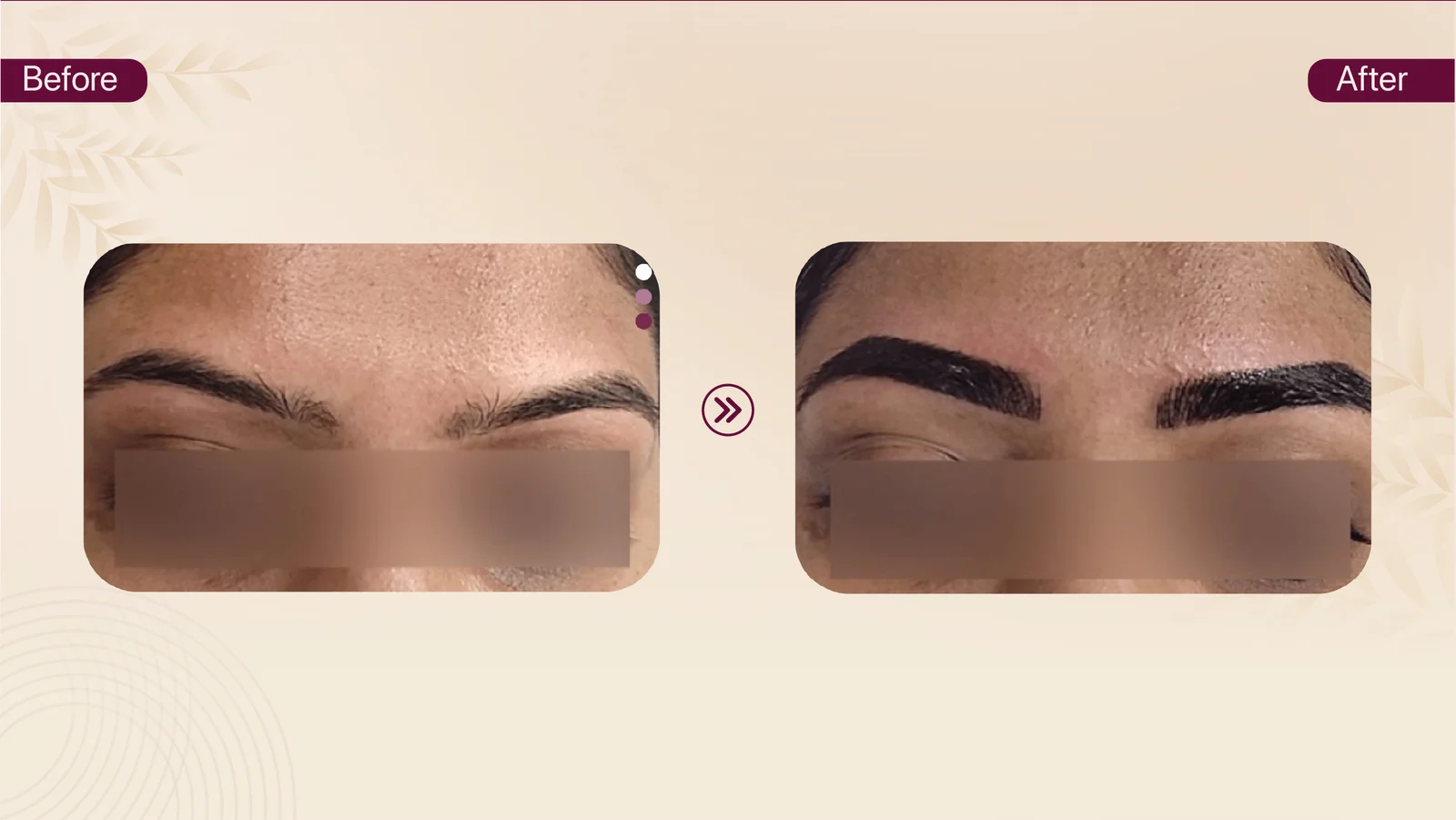
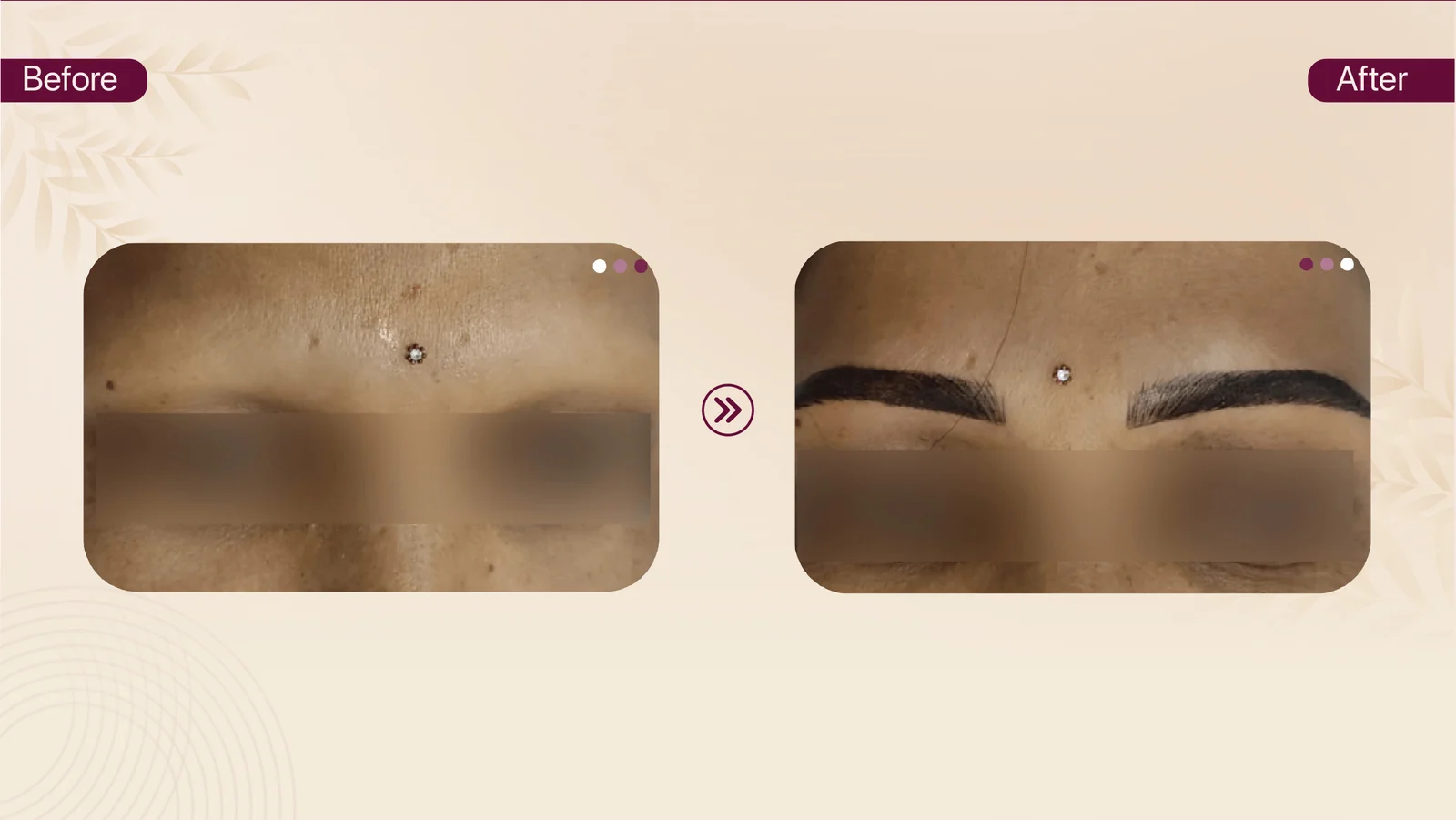
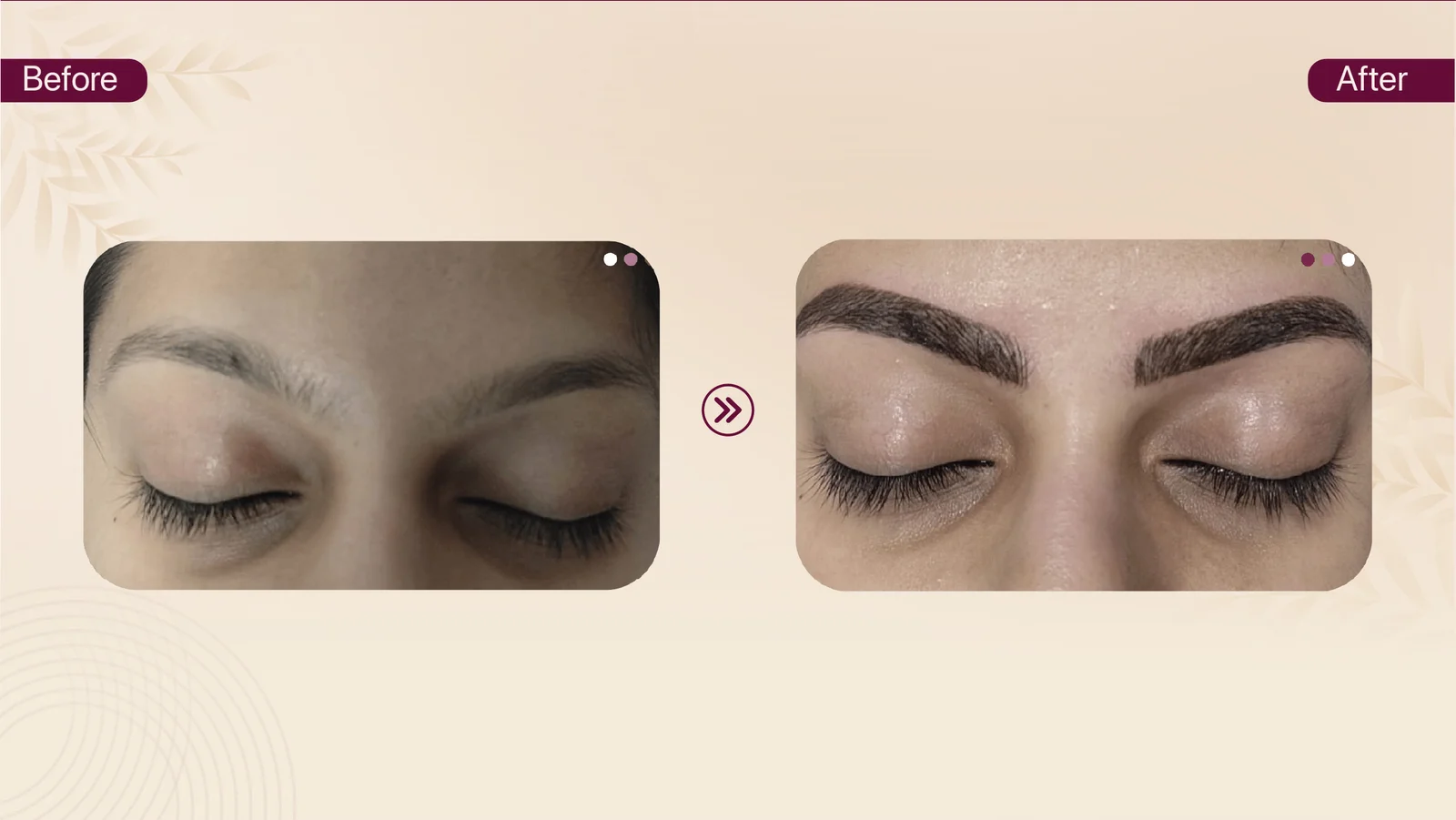
Individual results vary. These photographs show specific cases, not guaranteed outcomes. Original image quality, lighting and angles may differ. Your doctor can explain what may be possible for you.
Original Google reviews about consultations and care at Layers. These do not describe microshading outcomes.
“The doctors listened carefully to my concerns and explained the treatment in a clear and professional manner.”
Consultation experience; condition not specified.
“She explained the treatment clearly and made me feel comfortable throughout the consultation.”
Consultation experience; condition not specified.
“The doctor took the time to understand my skin concerns and explained the treatment plan clearly, without rushing.”
Consultation experience; condition not specified.
“Very patient ,humble and polite to answer every single query and build confidence.”
Consultation experience; condition not specified.
“The doctors explained everything clearly and made me feel comfortable and confident.”
Consultation experience; condition not specified.
“The doctor took the time to listen to my concerns patiently and explained the treatment options clearly.”
Consultation experience; condition not specified.



Powder brows describes the shaded effect commonly created with microshading. Ombré usually describes a lighter front blending into a more defined tail. Ask what method and finish are actually proposed.
No. Microshading uses small pigment dots for a filled effect; microblading creates separate hair-like strokes. Some designs combine them, depending on assessment and preference.
Fresh pigment can look stronger than the healed colour. The intended softness is discussed during design, but the exact healed appearance cannot be guaranteed.
Skin type is one consideration, along with existing pigment, skin health and the desired effect. A general claim about oily skin is not enough to choose a method for you.
No. It colours the skin to add definition. Sudden loss or thinning may need assessment for an underlying cause before cosmetic tattooing.
Retention and fading vary. Review the healed colour and discuss maintenance when it is needed, rather than following a fixed promise for every person.
The remaining pigment, shape and condition of the skin need assessment first. Some brows need a correction plan before any new colour is considered.
It is a tattoo and removal can be difficult. Some pigment may remain or respond unpredictably. Seek a professional assessment and avoid home acids, abrasion or attempts to pick pigment out.
Talk through the look you want and what treatment would involve.
Prefer a call? +91 9000 572727