Sudden breakout can be frustrating, especially when pimples appear before an important occasion or leave noticeable marks on the skin. They may develop as small bumps, whiteheads, blackheads or red, inflamed spots across the face and body.
If you are looking for ways to remove pimples, it is important to understand why they develop in the first place. Acne is not simply the result of an unclean face. It involves oil production, blocked hair follicles, inflammation, hormonal activity and individual skin characteristics.
The right skincare routine can help manage mild breakouts, while persistent or painful acne may need professional treatment. Although there are ways to calm a newly developed pimple, completely clearing it overnight is not always possible.
This article explores the common triggers of pimples, practical steps to manage breakouts, effective acne ingredients and treatment options that a dermatologist may recommend.
Why Do Pimples Develop on the Skin?
Each hair follicle is connected to an oil-producing gland called a sebaceous gland. These glands release sebum, which helps maintain the skin’s natural moisture. When excess oil and dead skin cells accumulate inside a follicle, the opening can become blocked.
This creates an environment where different types of acne lesions can develop. Inflammation may make some pimples red, swollen or painful.
The following factors can contribute to acne:
1. Excess Oil and Blocked Pores
When sebaceous glands produce more oil than the skin needs, sebum can combine with dead skin cells and obstruct hair follicles. This may lead to whiteheads, blackheads and inflammatory pimples.
People with naturally oily skin may experience recurring congestion, although acne can affect dry and combination skin types too.
2. Hormonal Activity
Androgens are hormones that can stimulate oil production. Changes during puberty and other hormonal fluctuations may increase the likelihood of breakouts.
Adult acne can also occur, including around the jawline and chin. Persistent or sudden adult acne may need medical evaluation.
3. Inflammation Within Hair Follicles
The bacterium Cutibacterium acnes naturally lives on human skin. Changes within a blocked follicle can encourage its growth and contribute to an inflammatory response.
This is one reason why certain acne treatments are designed to reduce inflammation and control acne-associated bacteria.
4. Products That Do Not Suit Your Skin
Some makeup, moisturisers, sunscreens and hair products may contribute to clogged pores in acne-prone individuals.
Check product labels and consider non-comedogenic formulations. If breakouts repeatedly develop around the hairline, review your hair oils, conditioners and styling products as well.
5. Stress and Everyday Habits
Stress may aggravate acne in some individuals. Poor sleep and certain lifestyle patterns may also affect overall skin health.
However, acne is a medical skin condition and should not be blamed entirely on lifestyle or hygiene.
6. Genetic Predisposition
Your family history may influence your tendency to develop acne. If close family members have experienced persistent or inflammatory acne, you may also be more susceptible.
How to Remove Pimples Without Irritating Your Skin
When a pimple appears, the first instinct may be to scrub, squeeze or apply several products. These actions can damage the skin barrier and make inflammation more noticeable.
A gentle, consistent routine is usually a better starting point.
1. Start With a Gentle Face Wash
Cleanse your face using a mild, skin-appropriate cleanser. Washing twice daily and after heavy sweating is generally sufficient for many people.
Use your fingertips and lukewarm water. Avoid rough exfoliating brushes and abrasive scrubs, especially when pimples are inflamed.
2. Choose Salicylic Acid for Congested Pores
Salicylic acid helps exfoliate within the pore and may reduce the buildup associated with blackheads and whiteheads.
It can be useful for some people with mild acne and clogged pores. Start with a suitable formulation and follow its usage instructions to reduce the chance of dryness or irritation.
3. Consider Benzoyl Peroxide for Inflamed Breakouts
Benzoyl peroxide is an established acne-treatment ingredient that helps reduce acne-associated bacteria and inflammation.
It may be useful for inflammatory acne, but the concentration and frequency should suit your skin. Start carefully and follow the product instructions.
Remember that benzoyl peroxide may bleach fabrics, including towels and pillowcases.
4. Keep the Skin Hydrated
Skipping moisturiser because your skin feels oily can make your routine unnecessarily harsh.
Choose a lightweight, non-comedogenic moisturiser that helps maintain the skin barrier. Well-supported skin may tolerate acne treatments more comfortably.
5. Protect Your Skin From Sun Exposure
Apply a broad-spectrum sunscreen with SPF 30 or higher during the day. This is particularly important when using acne treatments that may increase sensitivity.
Sun protection also helps reduce the likelihood of post-inflammatory dark marks becoming more noticeable.
6. Leave Pimples Alone
Squeezing or picking a pimple can worsen inflammation and increase the risk of pigmentation and scarring.
Avoid using needles, sharp extraction tools or excessive pressure at home. If a lesion is deep or painful, professional advice is safer.
How to Get Rid of Pimples Fast Before an Important Event
A visible pimple before a celebration, meeting or photograph can be stressful. Although there is no guaranteed overnight solution, a few simple steps may help make a breakout less uncomfortable or noticeable.
Try these practical measures:
-
Cool the affected area: Hold a clean, cool compress against the skin for a short period. This may temporarily soothe swelling and discomfort. Do not place ice directly on the face.
-
Use a suitable acne product: A product containing benzoyl peroxide or salicylic acid may help manage certain mild breakouts.
-
Consider an acne patch: Hydrocolloid patches may protect some surface-level blemishes from picking and absorb fluid from suitable lesions.
-
Avoid trying unfamiliar products: Strong new products can trigger irritation, redness or peeling just when you want your skin to look calm.
-
Choose light, non-comedogenic makeup: If you use makeup, remove it gently before going to bed.
-
Do not squeeze the lesion: Picking may make the pimple more inflamed and leave a longer-lasting mark.
Deep nodules and cyst-like pimples are different from small surface blemishes. They may require medical treatment rather than over-the-counter spot products.
How to Calm Pimple Redness and Pore Inflammation Overnight
Redness and swelling are signs of inflammation. They may become more noticeable when a pimple is repeatedly touched or exposed to irritating products.
If your skin is inflamed, focus on calming it instead of trying to dry out the entire area.
A Gentle Night-Time Approach
1. Remove makeup and sunscreen without rubbing the skin.
2. Wash with a mild cleanser.
3. Apply a cool compress briefly if the area feels swollen or uncomfortable.
4. Use only an acne product that your skin already tolerates.
5. Apply a light moisturiser if the skin feels dry.
6. Avoid picking, squeezing or repeatedly checking the affected area.
Ingredients and Home Remedies to Avoid
Toothpaste, lemon juice, baking soda, undiluted essential oils and strong household products are not recommended acne treatments. They may cause irritation, dryness or even chemical injury.
It is also important to understand that pores cannot simply be opened or closed overnight. Their appearance is influenced by oil production, congestion, skin texture and other factors.
If inflammation is severe, painful or recurrent, consult a dermatologist rather than attempting to treat it with aggressive home remedies.
How to Prevent Pimples
Managing a current breakout is only part of acne care. A consistent routine can help reduce the buildup that contributes to future breakouts.
Morning Skincare Routine
Step 1 – Cleanse: Use a mild cleanser to remove excess oil and overnight buildup.
Step 2 – Treat: Apply a suitable acne product if it is part of your treatment plan.
Step 3 – Moisturise: Use a lightweight moisturiser that does not clog pores.
Step 4 – Protect: Finish with broad-spectrum SPF 30 or higher sunscreen.
Night-Time Skincare Routine
Step 1 – Remove products: Gently remove sunscreen and makeup.
Step 2 – Cleanse: Wash away accumulated oil, sweat and impurities.
Step 3 – Apply treatment: Use your prescribed or suitable acne treatment according to its instructions.
Step 4 – Moisturise: Support the skin barrier with an appropriate moisturiser.
Everyday Habits That May Help
-
Cleanse after sweating rather than allowing sweat and product buildup to remain on the skin.
-
Keep oily hair products away from the forehead.
-
Wash pillowcases and clean makeup brushes regularly.
-
Choose skincare products labelled non-comedogenic.
-
Avoid repeatedly switching between different acne treatments.
-
Do not scrub the skin in an attempt to remove oil.
-
Avoid touching your face throughout the day.
Acne treatments generally require consistent use. Improvement may take several weeks, so changing products too frequently can make it difficult to understand what is helping.
Which Treatments Can Dermatologists Recommend for Pimples?
If breakouts continue despite a suitable skincare routine, a dermatologist can identify the acne type and recommend a treatment based on its severity.
1. Topical Retinoids
Ingredients such as adapalene help prevent the accumulation of dead skin cells inside follicles. They are commonly used to manage clogged pores and reduce the formation of new acne lesions.
Retinoids can cause initial dryness, peeling or irritation. They should be introduced appropriately, with medical guidance where needed.
Topical retinoids are generally avoided during pregnancy. Discuss pregnancy, breastfeeding and plans to become pregnant with your doctor before using acne medication.
2. Benzoyl Peroxide-Based Treatment
Benzoyl peroxide may be recommended for inflammatory acne. It can be used alone or in combination with other treatments, depending on the acne pattern.
The right concentration and frequency should be selected to balance effectiveness and skin tolerance.
3. Azelaic Acid
Azelaic acid may help manage mild acne and post-inflammatory hyperpigmentation. It can be useful when pimples leave dark marks after healing.
A dermatologist can help determine whether it is suitable for your skin type and concerns.
4. Prescription Acne Medication
Moderate, severe or persistent acne may require prescription treatment.
Depending on the diagnosis, a dermatologist may consider:
-
Topical combination medications
-
Oral antibiotics for selected cases and limited treatment periods
-
Hormonal treatments for suitable patients
-
Oral isotretinoin for certain cases of severe or persistent acne
These medications have specific precautions and potential side effects. Oral antibiotics and isotretinoin should never be self-prescribed.
5. Chemical Peels
Certain dermatologist-selected chemical peels may help with clogged pores, mild acne and post-acne pigmentation.
The type of peel and its concentration should be selected according to the skin’s condition, sensitivity and pigmentation risk. Active, inflamed acne may require medical management before a cosmetic procedure is considered.
6. Professional Comedone Extraction
A trained professional may perform extraction for selected blackheads and whiteheads.
This is not appropriate for every type of pimple. Deep inflammatory lesions should not be squeezed or extracted casually because doing so may worsen tissue damage and scarring.
What If Pimples Leave Dark Spots or Acne Scars?
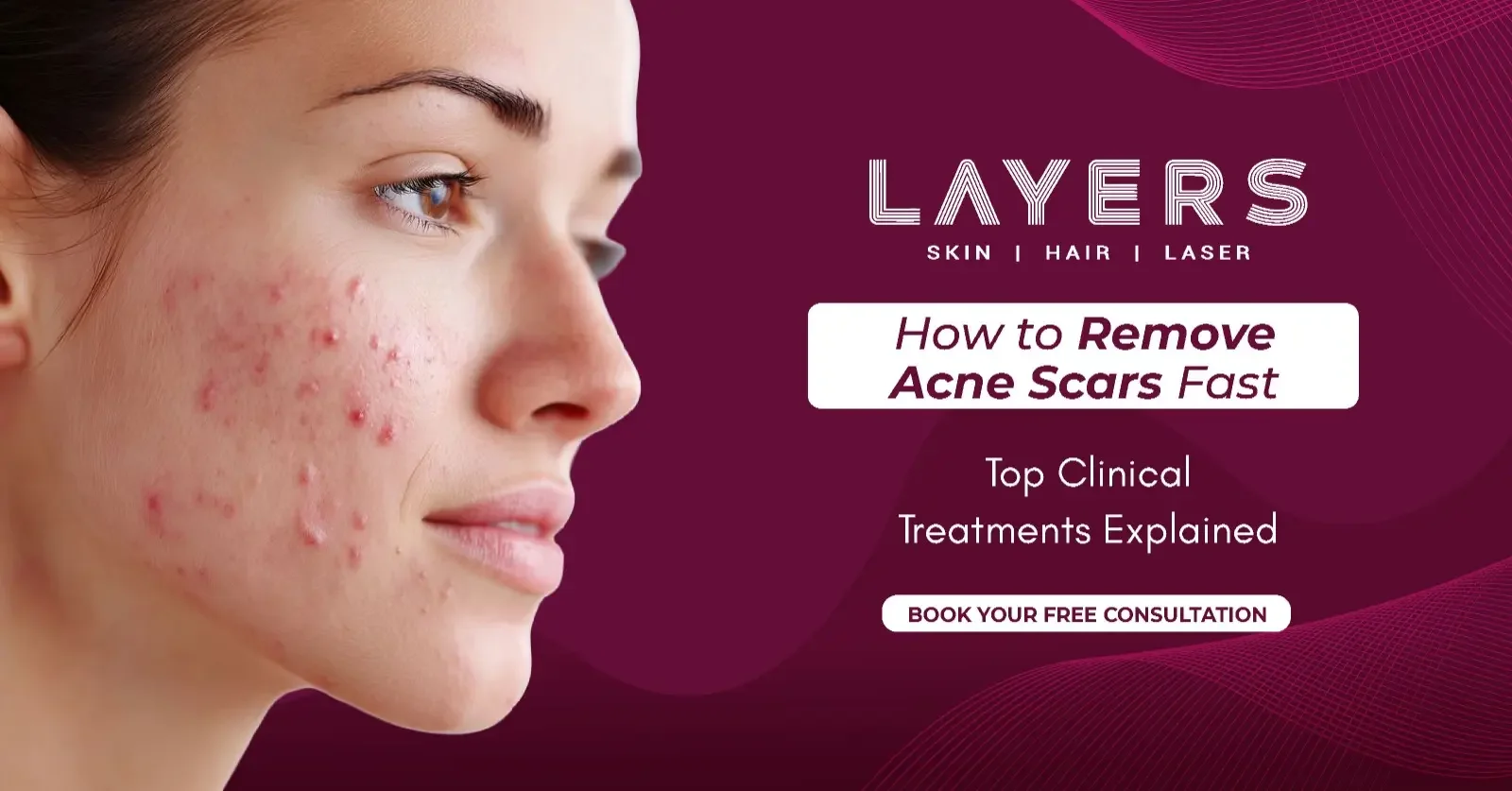
A pimple may heal while leaving a brown or dark mark behind. This is known as post-inflammatory hyperpigmentation. It is particularly noticeable in many people with medium to darker skin tones.
Acne can also cause depressed or raised scars when inflammation damages deeper skin structures.
These concerns need different approaches:
-
Dark marks: Sun protection and suitable pigmentation treatments may help gradually improve their appearance.
-
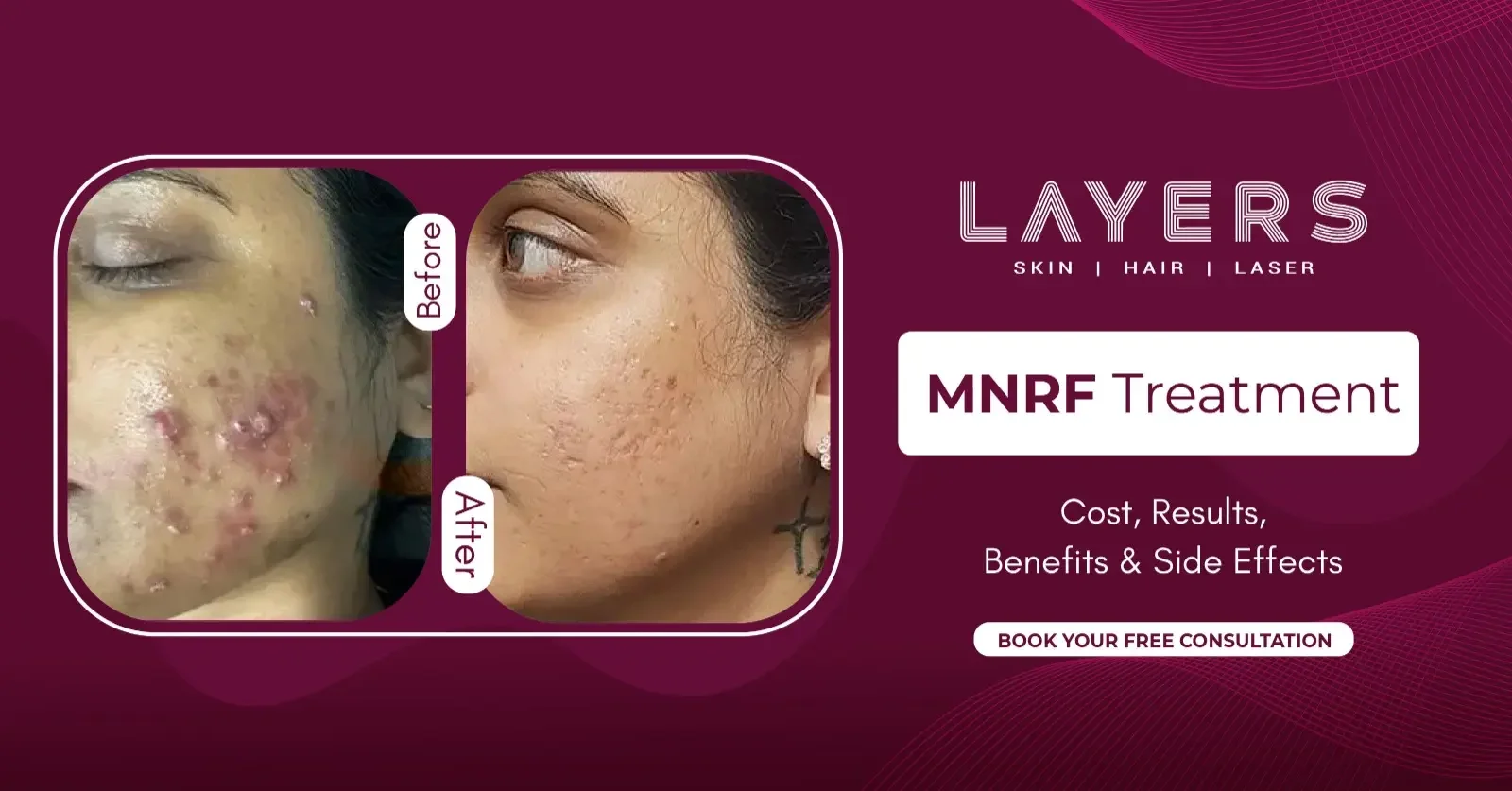
Indented scars: Selected procedures, such as microneedling, fractional laser or other scar treatments, may be considered.
-
Raised scars: A dermatologist may recommend specific treatments depending on the type of scar.
Treating active acne early is important because reducing ongoing inflammation may help lower the risk of additional scarring.
Explore Acne Scar Treatment and Scar Reduction Treatment to learn about professional options for acne-related scarring.
How to Choose the Right Dermatologist for Acne Treatment
Not every breakout needs an in-clinic procedure. The first step should be identifying the type of acne and understanding why it is recurring.
When choosing a dermatologist or clinic, consider:
1. Medical qualifications: Check the dermatologist’s qualifications and experience in diagnosing and treating acne.
2. Skin assessment: The consultation should include an evaluation of acne type, severity, skin sensitivity and previous treatments.
3. Individual treatment planning: Your plan should be suitable for your skin rather than based on a standard package.
4. Clear information: Ask about treatment duration, expected improvement, side effects and alternatives.
5. Transparent pricing: Understand consultation fees, medication costs and procedure charges before beginning.
6. Follow-up support: Acne may require adjustments to treatment over time, so follow-up care is important.
Be cautious of claims promising flawless skin overnight, guaranteed acne removal or permanent results from a single session.
When Should You Consult a Dermatologist?
Mild occasional breakouts may respond to suitable skincare. However, professional assessment is recommended if:
-
You frequently develop new pimples.
-
The lesions are deep, painful or cyst-like.
-
Acne is spreading across the face, chest or back.
-
You notice persistent dark spots or scars.
-
Over-the-counter products are not improving the condition.
-
Your skin becomes irritated after using acne products.
-
Breakouts are affecting your confidence or emotional well-being.
Early evaluation can help identify the condition and establish an appropriate treatment plan.
Frequently Asked Questions About Pimples
1. How can I remove pimples quickly?
Gentle cleansing, an appropriate acne product and avoiding picking may help manage mild pimples. A cool compress can temporarily soothe swelling. Complete clearance overnight cannot be guaranteed.
2. How do I get rid of pimples naturally?
A gentle skincare routine, regular cleansing, suitable moisturising and avoiding pore-clogging products may support acne-prone skin. However, natural remedies are not a proven replacement for medical acne treatment.
3. How can I reduce pimples on my face?
Use a consistent routine with suitable acne ingredients such as salicylic acid, benzoyl peroxide or a topical retinoid when appropriate. Persistent acne should be assessed by a dermatologist.
4. How do I reduce pimple and pore inflammation overnight?
Use a cool compress for temporary relief, avoid squeezing the lesion and keep your skincare routine gentle. Inflammation may take longer than one night to settle.
5. What is the fastest way to manage a pimple before an event?
Avoid experimenting with strong products. A cool compress and a suitable hydrocolloid patch may help with some surface-level blemishes. A dermatologist can advise on additional options for selected painful or inflamed pimples.
6. Which ingredients help remove pimples?
Salicylic acid, benzoyl peroxide, adapalene and azelaic acid are commonly used acne ingredients. Their suitability depends on the type of acne and individual skin tolerance.
7. Does toothpaste help remove pimples?
No. Toothpaste is not formulated to treat acne and may cause redness, dryness or irritation. Use products specifically designed for acne-prone skin.
8. Can a pimple disappear in one night?
A pimple may become less swollen, but complete disappearance overnight is not a realistic expectation for most acne lesions. Healing time varies according to the type and severity of the breakout.
9. Why do I get pimples on my cheeks?
Cheek acne may be associated with clogged follicles, hormonal influences, skincare or makeup products and other individual factors. Recurrent cheek breakouts should be assessed if they are painful or leave marks.
10. When should I get professional acne treatment?
Seek a dermatologist’s advice if acne is persistent, painful, widespread or leaving dark spots and scars. Medical treatment may help control breakouts and reduce the risk of further skin damage.
Conclusion
Getting rid of pimples is not about using the strongest product or trying every home remedy. It is about understanding what is triggering the breakout and following a routine that suits your skin.
For mild acne, gentle cleansing, appropriate active ingredients, moisturising and sun protection can support better skin management. Recurring, painful or scar-forming acne may need a dermatologist’s attention.
At Layers Clinics, patients can seek professional guidance for acne, acne marks, scars and other skin concerns. An individual skin assessment can help determine whether topical medication, prescription treatment or a suitable in-clinic procedure is appropriate.
Healthy-looking skin starts with the right diagnosis, consistent care and realistic treatment expectations.
Medical disclaimer: This article is for general educational purposes and does not replace a consultation with a qualified dermatologist. Treatment suitability and results vary between individuals.