
Hair fall can affect confidence, appearance, and overall quality of life, particularly when excessive shedding continues for several weeks or gradually develops into visible thinning. In Hyderabad, people may experience hair loss for many different reasons, including genetic predisposition, hormonal changes, nutritional deficiencies, stress, scalp disorders, illness, medications, and lifestyle factors.
At Layers Clinics, we approach hair fall treatment by identifying the underlying cause before selecting a treatment. Rather than recommending the same procedure for every patient, we assess the scalp, hair-loss pattern, medical history, and individual requirements to develop a personalized treatment plan.
Depending on the diagnosis and stage of hair loss, treatment options may include medical management, PRP, GFC, exosome-based therapies, mesotherapy, low-level laser therapy, or hair transplantation where appropriate.
Hair Fall Treatment in Hyderabad: Understanding Your Options
Hair loss is not a single condition. Different types of hair loss affect follicles in different ways, which means the most suitable treatment also varies.
For some patients, correcting a nutritional deficiency or treating a scalp condition may significantly reduce shedding. Others may have androgenetic alopecia, where early intervention can help preserve existing follicles and improve hair density.
Our approach to hair fall treatment in Hyderabad begins with diagnosis and progresses toward targeted treatment rather than relying on a one-size-fits-all procedure.
Common treatment approaches include:
- Medical hair-loss treatment
- PRP hair treatment
- GFC hair treatment
- Exosome therapy
- Mesotherapy
- Low-level laser therapy
- Hair transplantation for suitable candidates
- Nutritional and lifestyle management
The objective is not simply to reduce visible hair shedding temporarily. We focus on addressing the factors contributing to hair loss and protecting the health of the hair follicles.
What Causes Hair Fall?
Hair normally moves through three major phases: anagen, the active growth phase; catagen, a transitional phase; and telogen, the resting phase. When this cycle is disrupted, increased shedding or reduced growth can occur.
Genetic Hair Loss
Androgenetic alopecia is one of the most common causes of progressive hair thinning. In men, it may appear as a receding hairline and crown thinning. In women, it commonly presents as widening of the central parting and diffuse thinning.
Early assessment can be valuable because treatment is generally more effective when follicles are still active.
Stress and Telogen Effluvium
Significant physical or emotional stress can shift a larger number of hairs into the resting phase. Increased shedding may become noticeable several weeks or months after the triggering event.
Possible triggers include:
- Severe stress
- Fever or significant illness
- Surgery
- Rapid weight loss
- Major dietary changes
- Sleep disruption
- Certain medications
Identifying and addressing the trigger is an important part of managing this type of hair loss.
Nutritional Deficiencies
Hair production requires adequate nutritional support. Low levels of nutrients such as iron, vitamin D, vitamin B12, zinc, or inadequate protein intake may contribute to hair problems in some individuals.
We recommend supplementation based on clinical assessment and, when appropriate, laboratory investigations rather than taking supplements unnecessarily.
Hormonal Changes
Thyroid disorders, polycystic ovary syndrome, postpartum hormonal changes, menopause, and other endocrine conditions may contribute to hair thinning or shedding.
Women experiencing sudden or persistent hair loss may require assessment for underlying hormonal or medical causes.
Scalp Conditions
Dandruff, seborrheic dermatitis, fungal infections, psoriasis, and inflammatory scalp conditions can affect hair growth and cause increased shedding.
Treating the scalp condition is therefore an important component of comprehensive hair-loss management.
Hair Fall Warning Signs That Should Not Be Ignored
Occasional hair shedding is normal. However, persistent or rapidly increasing hair loss deserves professional evaluation.
You should consider consulting a dermatologist if you notice:
- Persistent excessive shedding
- Visible scalp through previously dense hair
- Increasingly wide hair parting
- Receding temples or hairline
- Crown thinning
- Sudden patchy bald spots
- Significant hair breakage
- Persistent itching or scalp inflammation
- Scaling or severe dandruff
- Hair loss following illness or major stress
- Progressive thinning despite home remedies
Early diagnosis can help determine whether follicles are temporarily affected or progressively losing their ability to produce healthy hair.
Hair Fall Treatments Available at Layers Clinics
1. Medical Management for Hair Loss
Medical management may be appropriate for certain types and stages of hair loss.
Depending on the diagnosis, a dermatologist may recommend:
- Topical medications
- Oral medications when clinically appropriate
- Anti-dandruff or medicated shampoos
- Nutritional correction
- Scalp treatments
- Lifestyle modifications
Medication selection should be based on the patient’s condition, medical history, age, sex, and potential contraindications.
2. PRP Hair Treatment
Platelet-rich plasma (PRP) uses components obtained from the patient’s own blood.
During the procedure, a small blood sample is processed to concentrate platelets. The prepared plasma is then administered into selected areas of the scalp.
PRP is commonly considered for certain forms of early-to-moderate hair thinning and may be incorporated into a broader treatment program.
The number of sessions depends on the patient’s condition and response to treatment. Improvements generally take time because hair follicles follow a biological growth cycle.
3. GFC Hair Treatment
Growth Factor Concentrate (GFC) is another regenerative approach used for selected hair-loss conditions.
The procedure aims to deliver concentrated growth factors to targeted scalp areas. GFC may be considered for patients with thinning hair where follicular stimulation is an appropriate treatment objective.
Treatment protocols vary according to the patient’s degree of hair loss and clinical response.
4. Exosome Therapy for Hair Loss
Exosome-based treatments are an emerging area of regenerative medicine and are used by some clinics as part of hair-restoration protocols.
They are designed to deliver signaling molecules associated with cellular communication and tissue repair. However, the quality, source, processing, regulatory status, and clinical evidence of different exosome products can vary substantially.
For this reason, treatment should be considered only after professional evaluation and discussion of the potential benefits, limitations, and uncertainties.
5. Mesotherapy for Hair Fall
Mesotherapy involves administering selected substances into the scalp through multiple small injections.
Depending on the formulation and treatment protocol, ingredients may be intended to support scalp and follicular health.
Mesotherapy should be customized according to the patient’s diagnosis rather than presented as a universal solution for every form of hair loss.
6. Low-Level Laser Therapy
Low-level laser therapy is a non-invasive approach that uses low-intensity light to stimulate biological activity in the scalp.
It may be considered for certain types of hair thinning, particularly when a patient prefers a non-injection-based option or requires a maintenance approach.
What Happens During a Hair Fall Treatment Consultation?
A successful hair-restoration plan starts with an accurate diagnosis.
Step 1: Hair and Scalp Assessment
We examine:
- Hair density
- Hair-loss pattern
- Scalp condition
- Hair shaft quality
- Areas of thinning
- Receding hairline
- Crown density
- Signs of inflammation
Medical history and family history are also important.
Step 2: Identifying the Cause
If the clinical assessment indicates a possible nutritional, hormonal, or medical cause, appropriate investigations may be recommended.
This helps distinguish conditions such as androgenetic alopecia from temporary shedding or medically associated hair loss.
Step 3: Personalized Treatment Planning
After diagnosis, we determine which treatment—or combination of treatments—is appropriate.
For example, one patient may benefit primarily from medical management, while another may require regenerative treatment alongside medication and scalp care.
Step 4: Treatment and Monitoring
Hair treatments generally require patience. We monitor progress through follow-up assessments and modify the treatment plan when necessary.
Hair Fall Treatment Cost in Hyderabad
The cost of hair fall treatment in Hyderabad varies considerably because treatment is personalized.
Factors that influence the overall cost include:
- Type of treatment selected
- Severity of hair loss
- Number of sessions
- Treatment area
- Technology and equipment used
- Dermatologist consultation
- Diagnostic investigations
- Maintenance requirements
- Whether multiple treatments are combined
PRP, GFC, mesotherapy, exosome-based treatments, medications, and hair transplantation have different pricing structures.
A low-cost procedure is not necessarily the most appropriate option. Conversely, a premium treatment is not automatically the best treatment for every patient. The right treatment should be selected according to diagnosis, evidence, suitability, safety, and individual goals.
PRP vs GFC vs Exosomes vs Mesotherapy for Hair Loss
| Treatment | General Approach | Blood Draw | Common Consideration |
| PRP | Uses concentrated components of the patient’s blood | Yes | Selected cases of hair thinning |
| GFC | Uses concentrated growth-factor preparations | Usually yes | Follicular stimulation |
| Exosome Therapy | Uses exosome-based regenerative products | Product-dependent | Emerging regenerative approach |
| Mesotherapy | Delivers selected substances through scalp injections | Usually no | Certain diffuse or supportive protocols |
| LLLT | Uses low-level light | No | Non-invasive treatment/maintenance |
There is no universally superior procedure.
PRP may be appropriate for one patient, while GFC, medication, LLLT, or another approach may be more suitable for someone else. The decision should be based on diagnosis rather than marketing claims.
When Is a Hair Transplant Needed?
Non-surgical treatments cannot restore hair where follicles have been permanently lost.
A hair transplant may be considered for suitable patients with established pattern baldness and adequate donor hair. During transplantation, follicles from a donor area are relocated to areas affected by permanent hair loss.
However, transplantation is not automatically the first treatment for every patient.
Where active hair loss is still progressing, medical management may be recommended to stabilize the condition and protect existing hair before or alongside considering transplantation.
What Results Can You Expect From Hair Fall Treatment?
Hair restoration requires realistic expectations.
Hair does not grow overnight, and the visible response to treatment depends on:
- Cause of hair loss
- Age
- Duration of hair loss
- Follicle condition
- Severity
- Treatment selected
- Medical conditions
- Nutritional status
- Treatment adherence
Some patients may notice reduced shedding before seeing visible new growth. Improvements in density generally take several months.
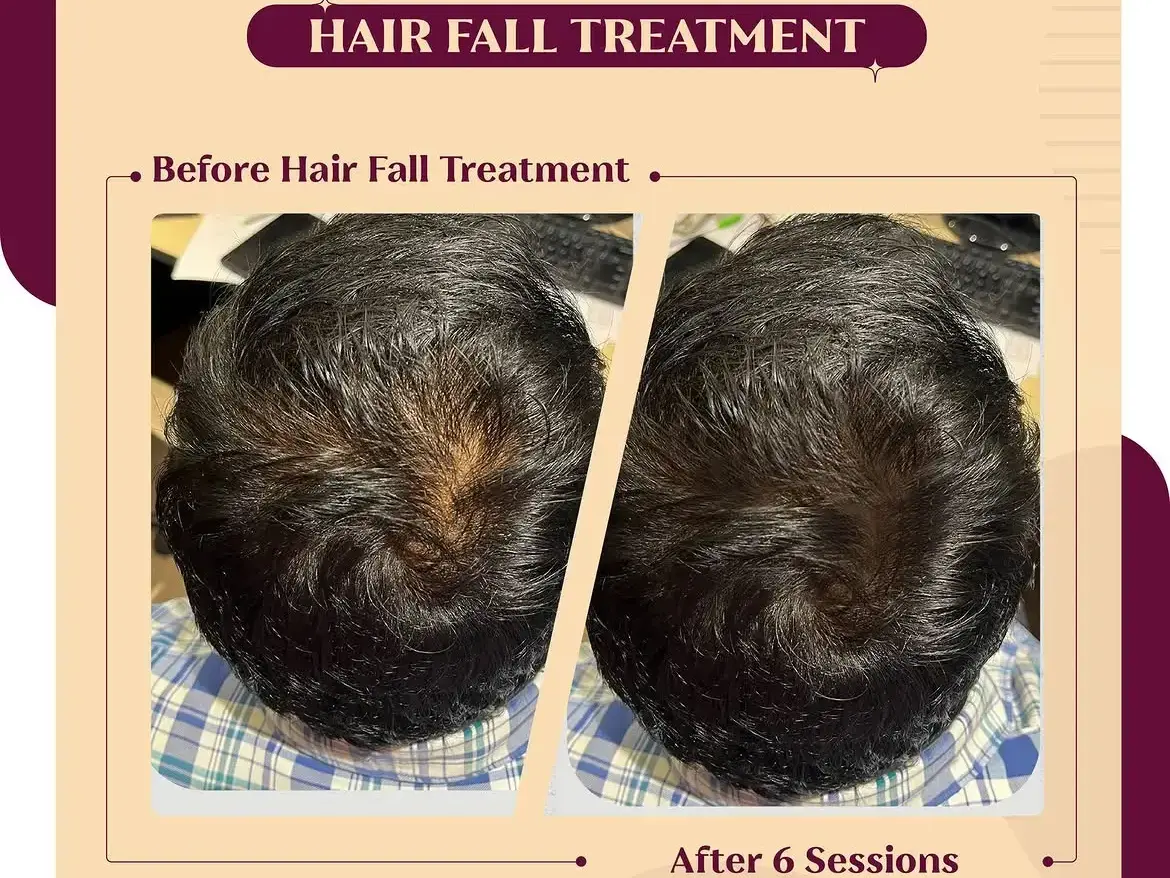
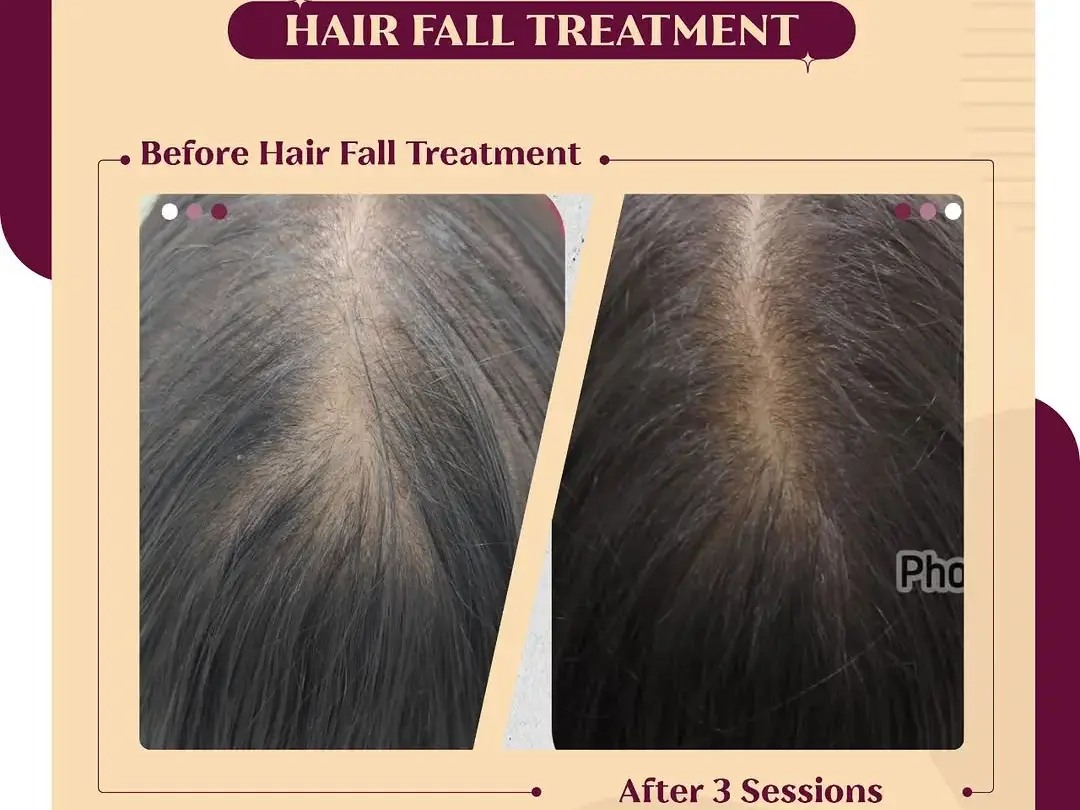
Consistency is one of the most important factors in achieving and maintaining results.
How to Support Hair Fall Treatment at Home
Professional treatment can be supported by maintaining healthy hair and scalp habits.
We generally recommend:
- Eating adequate protein and a balanced diet
- Addressing confirmed nutritional deficiencies
- Managing chronic stress
- Maintaining regular sleep
- Avoiding excessive heat styling
- Limiting unnecessary chemical treatments
- Treating dandruff and scalp inflammation
- Avoiding excessively tight hairstyles
- Following prescribed medications consistently
- Attending scheduled follow-ups
Home remedies may improve hair feel or scalp comfort in some situations, but they should not replace medical evaluation when hair loss is persistent or progressive.
Why Choose Layers Clinics for Hair Fall Treatment in Hyderabad?
At Layers Clinics, our approach centers on diagnosis, personalization, and long-term hair health.
Dermatologist-Led Evaluation
Hair loss can have multiple causes. A dermatologist can assess the pattern and determine whether further investigation is required.
Personalized Treatment Plans
We do not assume that the same procedure is suitable for every patient. Treatment recommendations are based on individual needs and clinical findings.
Focus on Root Causes
Our evaluation considers genetic, hormonal, nutritional, scalp-related, and lifestyle factors where relevant.
Combination Treatment When Appropriate
Some patients may benefit from combining medical management with procedures such as PRP, GFC, or other therapies. Combination treatment is considered only when clinically appropriate.
Long-Term Monitoring
Hair loss management often requires ongoing care. Follow-up allows us to assess response and modify the treatment plan when necessary.
Frequently Asked Questions About Hair Fall Treatment in Hyderabad
What is the best hair fall treatment in Hyderabad?
There is no single best treatment for everyone. The appropriate treatment depends on the cause, pattern, severity, follicle condition, medical history, and individual goals. A dermatologist may recommend medication, PRP, GFC, mesotherapy, LLLT, or other options following an assessment.
How much does hair fall treatment cost in Hyderabad?
Hair fall treatment costs vary according to the treatment selected, number of sessions, severity of hair loss, treatment area, diagnostic requirements, and clinic expertise. An accurate estimate can be provided after consultation.
How long does hair fall treatment take to work?
Hair treatments generally require several weeks to months before noticeable changes become apparent. Reduced shedding may occur before visible improvement in density. Results vary between individuals.
Is PRP effective for hair loss?
PRP may benefit selected patients with certain types of hair thinning. Its effectiveness depends on factors such as diagnosis, severity, follicle condition, treatment protocol, and individual response.
Is GFC better than PRP?
Neither treatment is universally better. GFC and PRP use different preparation approaches, and the appropriate option depends on the patient’s diagnosis and treatment goals.
Can hair fall be treated without a transplant?
Yes. Many patients can be managed without transplantation, particularly when follicles remain active. Depending on the cause, treatment may include medication, PRP, GFC, mesotherapy, LLLT, or other dermatologist-guided approaches.
Can women undergo hair fall treatment?
Yes. Women can experience several forms of hair loss, including female pattern hair loss, postpartum shedding, nutritional deficiencies, thyroid-related hair loss, and stress-related shedding. Treatment should be based on the underlying diagnosis.
Can severe hair loss grow back naturally?
Some forms of hair shedding are temporary and may improve once the underlying trigger is addressed. However, progressive genetic hair loss may require treatment to preserve existing follicles and improve density.
Key Takeaway
Hair fall treatment in Hyderabad should begin with identifying the cause rather than selecting a procedure based solely on popularity or price. Genetic hair loss, hormonal changes, nutritional deficiencies, stress, scalp disorders, and temporary shedding require different approaches.
At Layers Clinics, treatment may include medical management, PRP, GFC, exosome-based therapies, mesotherapy, low-level laser therapy, or hair transplantation when clinically appropriate. The objective is to create a personalized plan based on the patient’s condition and long-term hair-restoration goals.
Final Word
Persistent hair loss should not be ignored, particularly when thinning is progressive or accompanied by scalp changes. Early assessment can help determine the underlying cause and identify appropriate treatment options before further follicular loss occurs.
If you are looking for hair fall treatment in Hyderabad, a dermatologist-led evaluation can help you understand why your hair is falling, which treatments may be suitable, how many sessions may be required, and what results can realistically be expected.
Book a consultation with Layers Clinics to begin a personalized hair and scalp assessment and take a clinically guided approach toward healthier, stronger-looking hair.
Last Updated: August 2026
